Difference Between Mass And Weight.

Ever stepped on a scale and wondered if you’d weigh less on the moon? That’s the gateway to a genuinely fun rabbit hole—understanding the difference between mass and weight. It’s not just textbook trivia; it explains everything from why astronauts bounce to why your luggage feels heavier after a long flight.
For beginners, this clears up a common confusion that even science fans mix up. For families, it’s a fantastic dinner-table experiment that makes physics feel like a magic trick. Hobbyists like bakers or gym buffs will also appreciate why a kilogram of flour is the same everywhere, but the force it exerts changes.
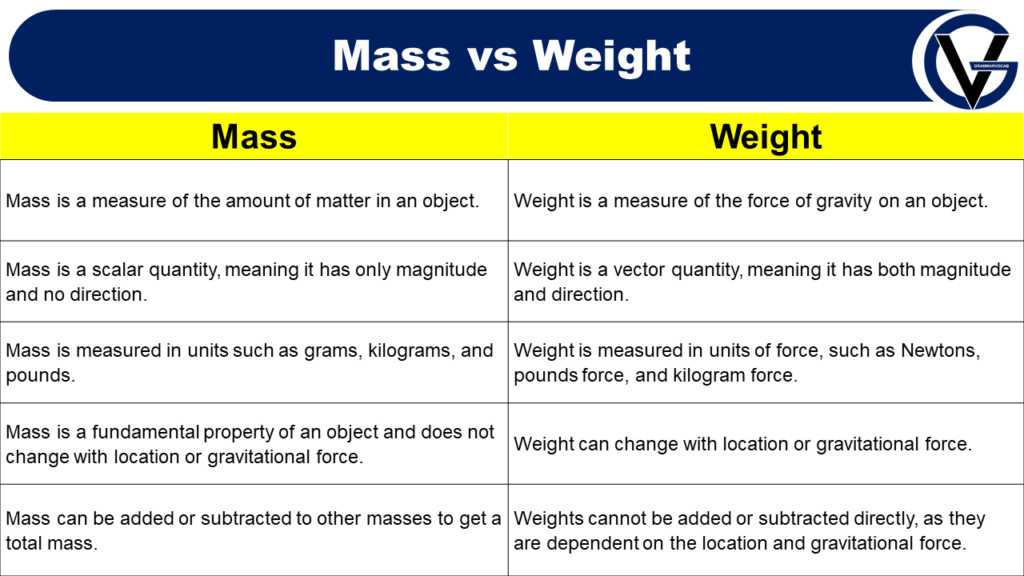
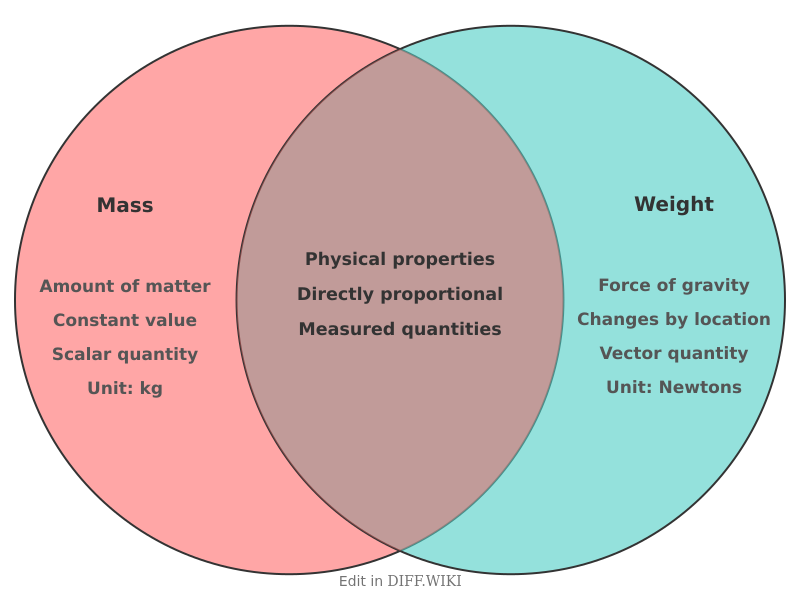
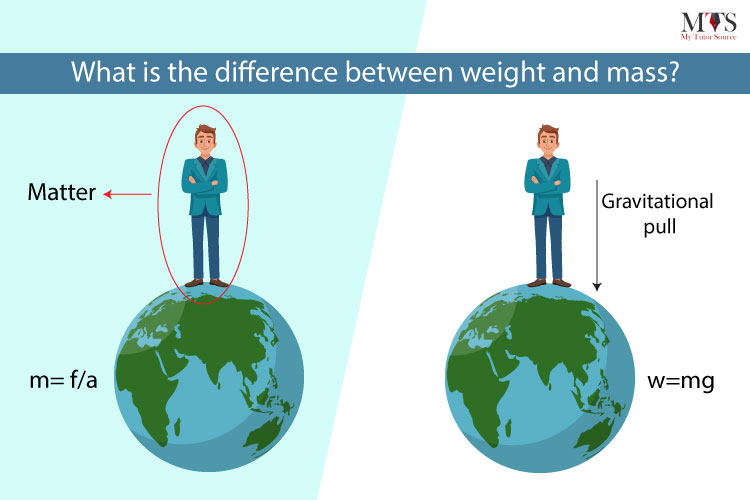
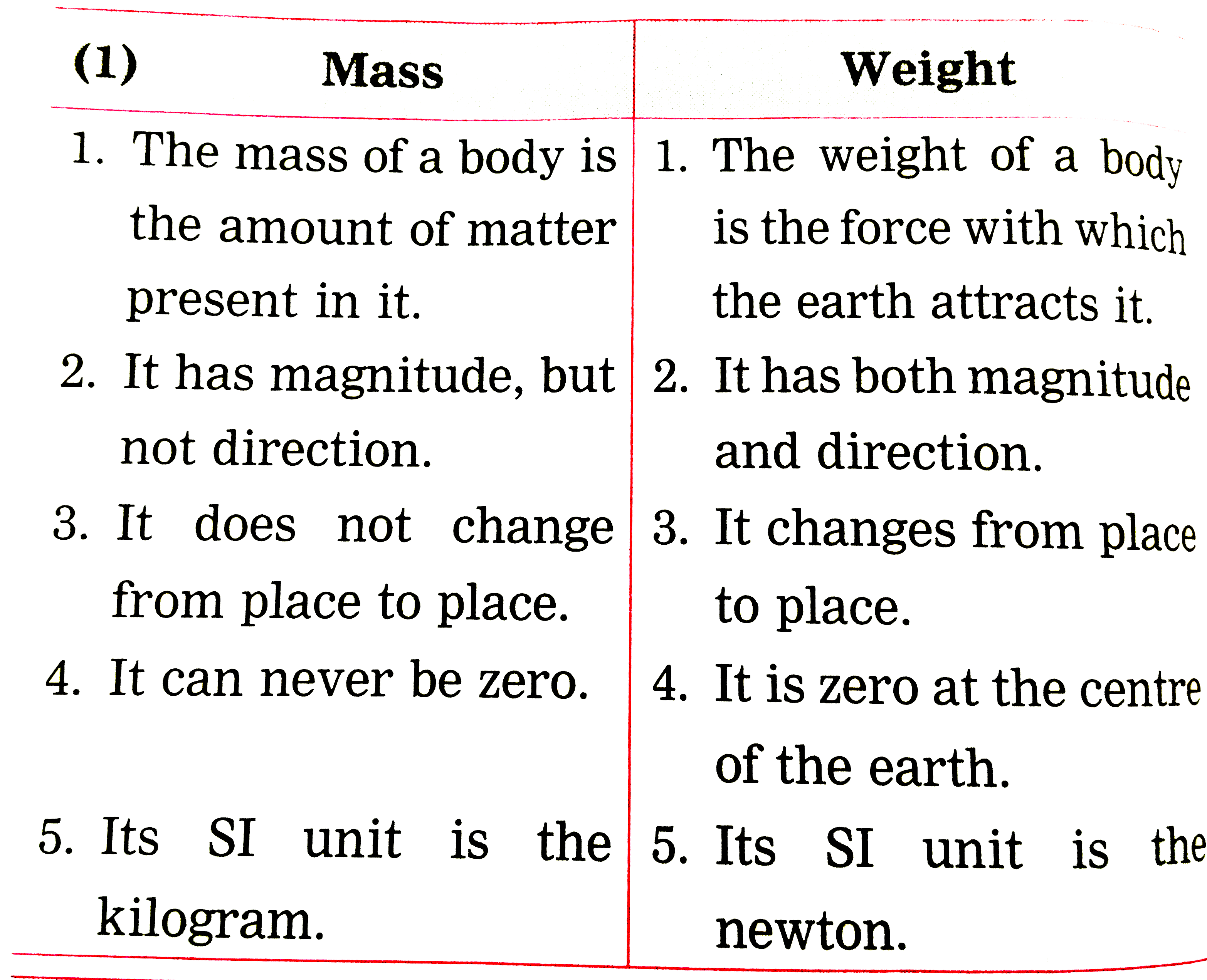
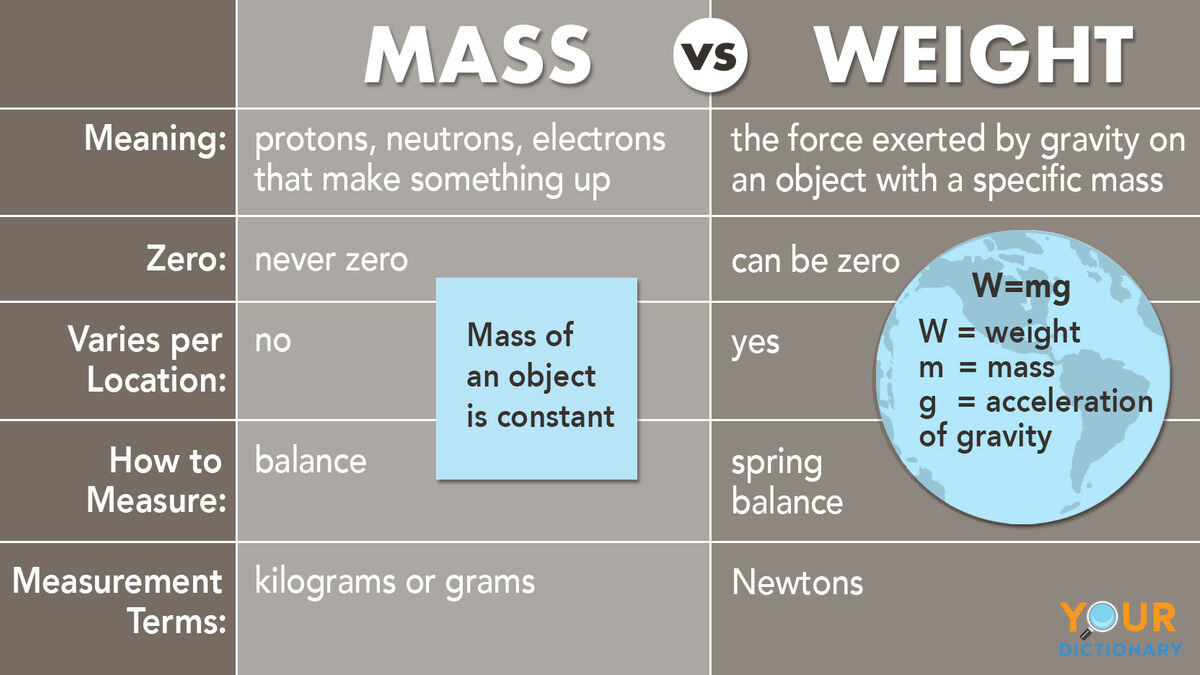
Here’s the core secret: mass is the amount of stuff in you—it never changes, no matter where you go. Weight, on the other hand, is the pull of gravity on that stuff. So, your mass is a fixed number, but your weight is a flexible, location-dependent number.
Must Read
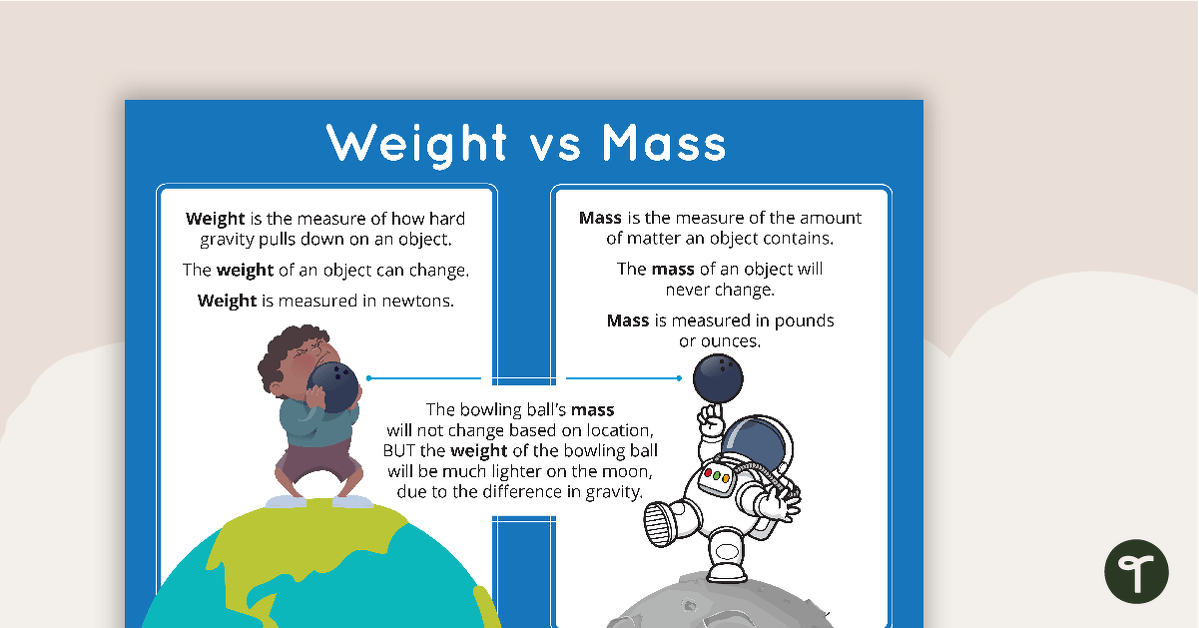
Think of a bowling ball. Its mass is the same on Earth, in orbit, or on Mars. But its weight—how hard it presses down on your foot—would be drastically different on each. On the moon, with just 1/6th of Earth’s gravity, a 60-kg person would weigh as little as 10 kg on a scale, yet their mass remains a solid 60 kg.
Why does this matter daily? When you buy groceries, you’re paying for mass, not weight. A scale measures weight (force), but it’s calibrated to show your mass in kilograms or pounds, assuming Earth’s gravity. That’s why a digital scale works fine at home but would give nonsense readings on a roller coaster.
For a simple home experiment, grab a spring scale and a heavy book. Weigh it normally, then gently bounce it while holding the scale—watch the reading jump. That’s weight changing with acceleration, while the book’s mass stays perfectly still. It’s a safe, eye-opening demo for kids and adults alike.
Another easy tip: try weighing yourself on a bathroom scale in a fast-moving elevator. When it goes up, the scale reads slightly higher; when it goes down, lower. That’s not your mass changing—it’s the floor pushing harder or softer. You’ll instantly “get” the difference without any math.
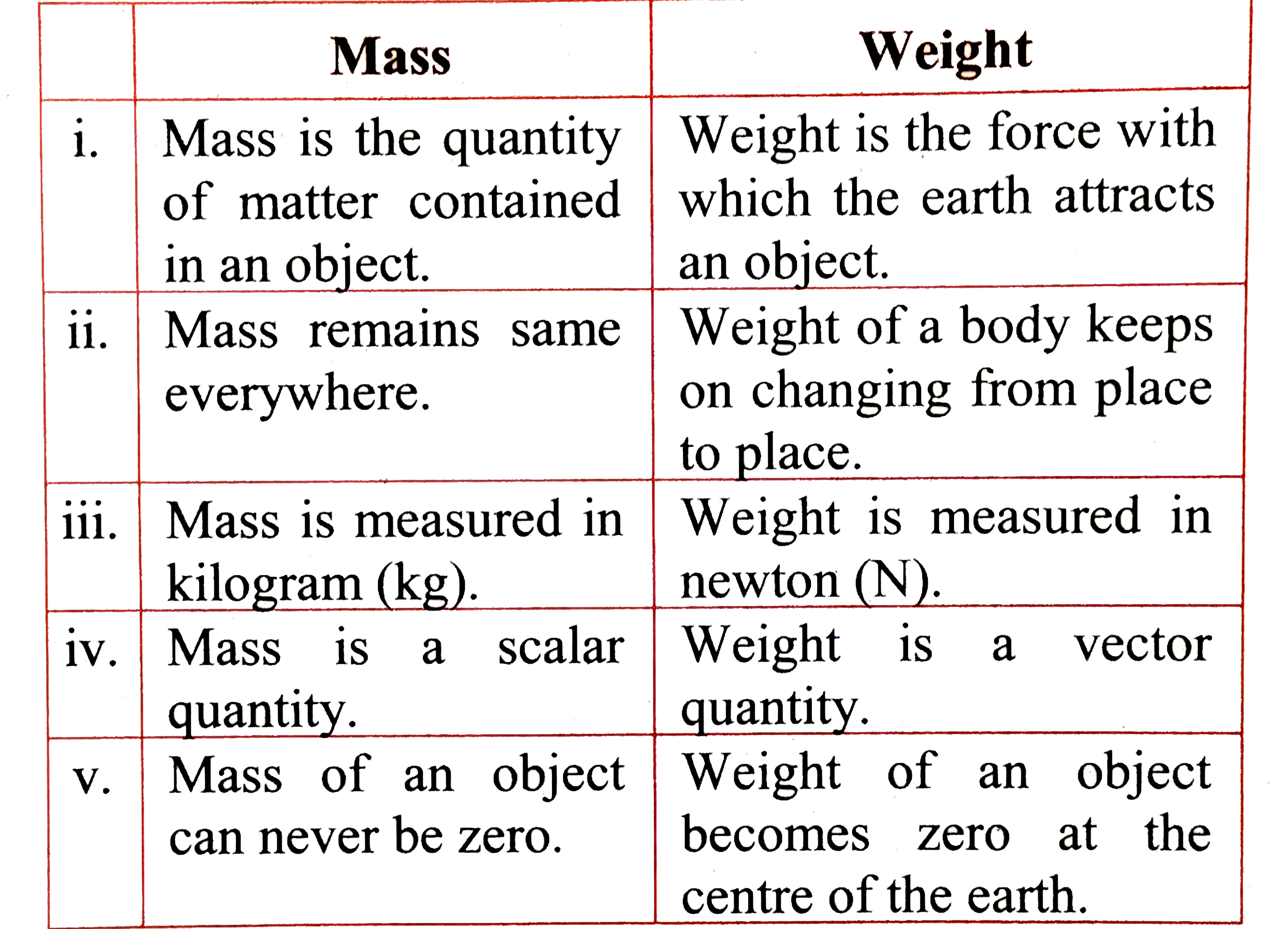
If you’re more technical, remember the units: kilograms (kg) and grams (g) are for mass. Newtons (N) are for weight. But in everyday life, we lazily use kilograms for both—which is fine, as long as you know the distinction under the hood.
For hobbyists, this knowledge shines in rocketry or cooking. Astronauts pack the same mass of food, but its weight is irrelevant in orbit. In baking, a cup of flour’s mass never changes, but its density and air content do—so weigh your ingredients for consistent results, not volume.
The best part? You can start right now by simply asking, “Where am I?” and then, “What’s pulling me?” That playful curiosity turns a boring definition into a mental superpower. Next time you step on a scale, give a little nod to your mass—it’s the loyal friend that never leaves you, even when gravity decides to take a vacation.
In the end, this isn’t about memorizing definitions. It’s about seeing the world as a place where invisible forces play with your numbers. And that’s a wonderfully easy way to make science feel personal, practical, and genuinely fun.