Difference Between Dominant And Submissive

The concept of dominance and submission has been a part of human culture for centuries, with roots in ancient civilizations and societies. From the hierarchical structures of Greek and Roman empires to the feudal systems of medieval Europe, the dynamic of power and control has played a significant role in shaping our understanding of relationships and interactions. In modern times, the terms dominant and submissive have taken on new meanings, particularly in the context of romantic relationships and alternative lifestyles. With the rise of social media and online communities, the conversation around dominance and submission has become more mainstream, sparking important discussions about consent, communication, and mutual respect.
One of the most fascinating aspects of the dominant and submissive dynamic is its ability to transcend boundaries and challenge societal norms. By embracing the complexities of power and control, individuals can explore new facets of themselves and their relationships, often leading to a deeper understanding of their own desires and boundaries. Whether in the context of a romantic partnership or a friendly interaction, the dance between dominance and submission can be a powerful tool for personal growth and self-discovery. As we delve into the nuances of this dynamic, it becomes clear that the difference between dominant and submissive is not just about power struggles, but about connection, trust, and mutual understanding.
Uncovering the Psychology
When exploring the psychology behind dominance and submission, it's essential to consider the complex interplay of personality traits, cultural influences, and life experiences. Research has shown that individuals who identify as dominant tend to exhibit confidence, assertiveness, and a strong sense of self, while those who identify as submissive often prioritize emotional connection, vulnerability, and trust. However, these traits are not mutually exclusive, and many individuals embody both dominant and submissive characteristics to varying degrees. The psychological dynamic at play is further complicated by factors such as attachment styles, trauma, and social conditioning, highlighting the need for nuanced understanding and compassionate communication in dominant and submissive relationships.
Must Read
- Heart Of Mexico City Football: Pinpointing The Azteca Stadium Location
- Guadalajara Stadium Parking Guide: Avoid The Matchday Traffic
- Houston Stadium Bag Policy: Clear Bag Rules For Visitors
- Sofi Stadium Capacity: How Many Fans It Can Hold
- Reliant Stadium Parking: A Guide To The Old Name And Current Venue
A closer examination of the cultural impact of dominance and submission reveals a rich tapestry of influences, from the BDSM community to mainstream media. The portrayal of dominant and submissive relationships in film, literature, and music often perpetuates stereotypes and misconceptions, while also providing a platform for education and awareness. The Internet has also played a significant role in shaping the conversation around dominance and submission, with online forums and social media groups providing a space for individuals to connect, share their experiences, and learn from one another. As the cultural landscape continues to evolve, it's essential to prioritize representation, diversity, and inclusivity in our discussions of dominance and submission.
The lesser-known facts about dominance and submission are equally fascinating, from the scientific research on the neurobiology of power dynamics to the historical roots of dominant and submissive practices. For example, studies have shown that the brain chemistry of individuals in dominant and submissive relationships can be altered, leading to increased oxytocin and dopamine levels, which are associated with pleasure, trust, and bonding. Additionally, the anthropological record reveals that dominant and submissive practices have been present in various forms throughout human history, from ancient rituals to modern-day subcultures. By exploring these lesser-known facts, we can gain a deeper understanding of the complex dynamics at play and cultivate a more nuanced appreciation for the diversity of human experience.
Practical Applications
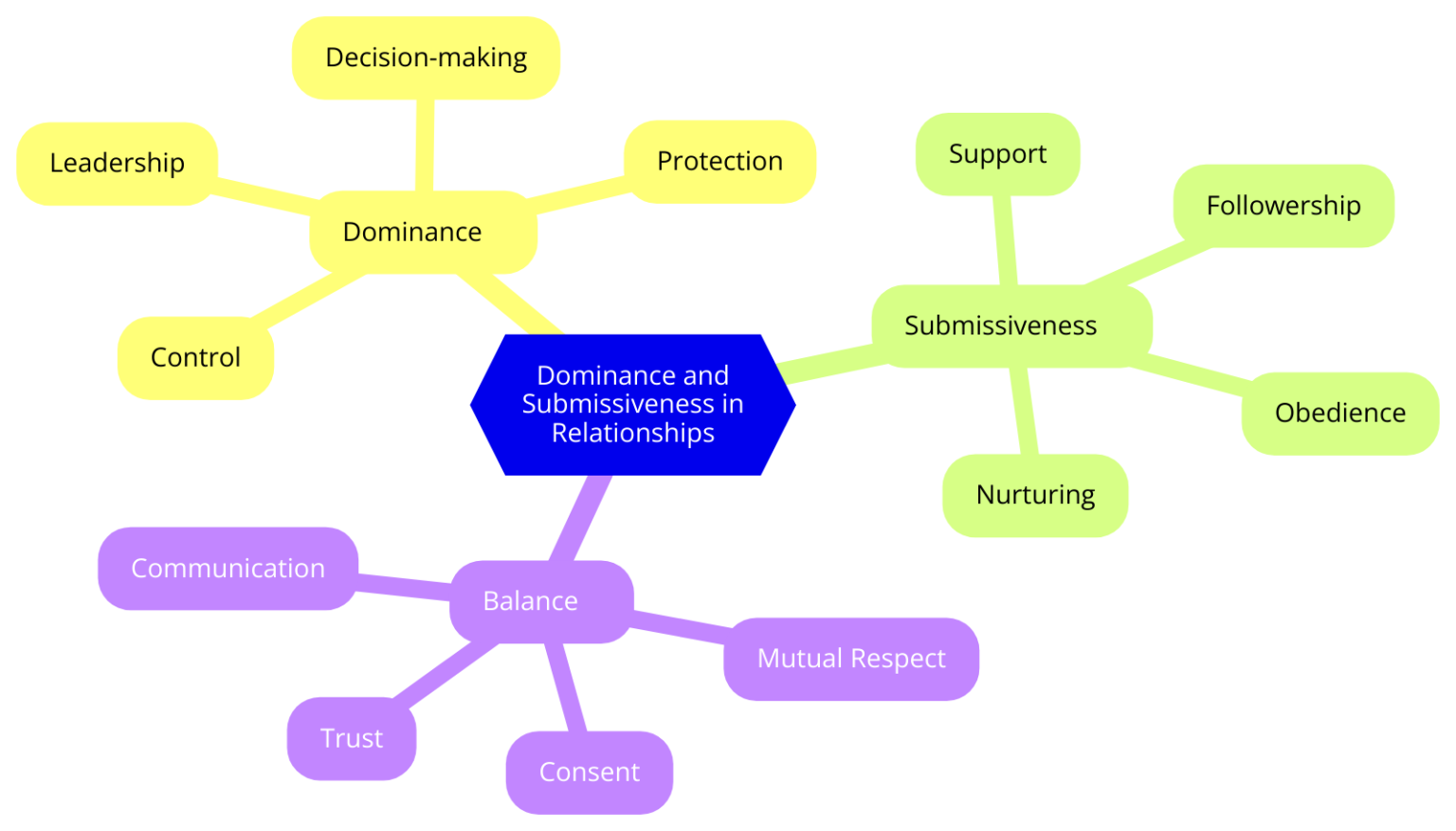
In order to navigate the complexities of dominant and submissive relationships, it's essential to develop a strong foundation of communication, trust, and mutual respect. This can involve establishing clear boundaries, negotiating desires, and prioritizing consent. By doing so, individuals can create a safe and supportive environment for exploration and growth, whether in the context of a romantic partnership or a friendly interaction. It's also important to recognize that dominant and submissive relationships can take many forms, from monogamous to polyamorous, and that each dynamic requires its own unique approach to communication and conflict resolution.
A key aspect of dominant and submissive relationships is the concept of power exchange, which involves the consensual transfer of power and control from one individual to another. This can be achieved through various means, such as role-playing, bondage, or disciplinary practices. However, it's crucial to prioritize safety, consent, and communication in all power exchange dynamics, ensuring that all parties involved are comfortable and willing participants. By embracing the complexities of power exchange, individuals can cultivate a deeper understanding of their own desires and boundaries, as well as develop a more nuanced appreciation for the diversity of human experience.

In addition to the emotional and psychological benefits, dominant and submissive relationships can also have a profound impact on our physical well-being. Research has shown that individuals in dominant and submissive relationships often experience reduced stress, improved mood, and enhanced overall health. This can be attributed to the release of endorphins and oxytocin during power exchange activities, as well as the deepened sense of connection and trust that develops between partners. By prioritizing communication, consent, and mutual respect, individuals can harness the physical benefits of dominant and submissive relationships while also cultivating a deeper understanding of themselves and their partners.
For those interested in exploring dominant and submissive relationships, it's essential to start with self-reflection and personal growth. This can involve identifying your desires, establishing boundaries, and developing a strong sense of self. It's also crucial to seek out education and resources, such as workshops, online forums, and support groups, to gain a deeper understanding of the complexities involved. By embracing the journey of self-discovery and education, individuals can cultivate a more nuanced appreciation for the diversity of human experience and develop the tools necessary to navigate the complexities of dominant and submissive relationships.
Frequently Asked Questions
What is the difference between a dominant and a submissive?
The terms dominant and submissive refer to the roles or positions that individuals take on in a relationship or interaction. A dominant individual typically takes on a leadership role, guiding the interaction and making decisions, while a submissive individual tends to follow or yield to the dominant's guidance. However, it's essential to recognize that these roles are not fixed and can be fluid and negotiable, depending on the individuals involved and the context of the relationship.
In order to understand the difference between a dominant and a submissive, it's essential to consider the complex interplay of personality traits, cultural influences, and life experiences. Research has shown that individuals who identify as dominant tend to exhibit confidence, assertiveness, and a strong sense of self, while those who identify as submissive often prioritize emotional connection, vulnerability, and trust. By recognizing these differences and cultivating a deeper understanding of the complexities involved, individuals can develop a more nuanced appreciation for the diversity of human experience and navigate the complexities of dominant and submissive relationships with greater ease.

How do I know if I'm dominant or submissive?
Discovering your dominant or submissive tendencies can be a personal and intimate journey, requiring self-reflection and exploration. It's essential to listen to your desires and pay attention to your feelings, recognizing what brings you joy, comfort, and fulfillment. You may also consider seeking out education and resources, such as workshops, online forums, and support groups, to gain a deeper understanding of the complexities involved and develop the tools necessary to navigate the complexities of dominant and submissive relationships.
As you explore your dominant or submissive tendencies, it's crucial to prioritize communication, consent, and mutual respect. This can involve establishing clear boundaries, negotiating desires, and prioritizing safety. By doing so, you can create a safe and supportive environment for exploration and growth, whether in the context of a romantic partnership or a friendly interaction. Remember that your identities and preferences are unique to you and may evolve over time, so it's essential to remain open-minded and receptive to new experiences and discoveries.
Can I be both dominant and submissive?
Absolutely, it's possible to embody both dominant and submissive traits, and many individuals identify as switches, meaning they can take on either role depending on the context and their partner. This fluidity can be a source of strength and versatility, allowing individuals to adapt to different situations and relationships. However, it's essential to recognize that being both dominant and submissive can also present challenges, such as conflicting desires or difficulty navigating power dynamics.
To navigate the complexities of being both dominant and submissive, it's crucial to prioritize self-awareness and communication. This can involve identifying your desires, establishing boundaries, and negotiating with your partner. By doing so, you can create a safe and supportive environment for exploration and growth, whether in the context of a romantic partnership or a friendly interaction. Remember that your identities and preferences are unique to you and may evolve over time, so it's essential to remain open-minded and receptive to new experiences and discoveries.
How do I find a dominant or submissive partner?
When seeking a dominant or submissive partner, it's essential to prioritize communication, consent, and mutual respect. This can involve joining online communities or attending workshops focused on dominant and submissive relationships, where you can connect with like-minded individuals and learn from their experiences. You may also consider discussing your desires and boundaries with potential partners, ensuring that you're both on the same page and willing to navigate the complexities of dominant and submissive relationships together.
As you search for a dominant or submissive partner, it's crucial to remain open-minded and receptive to new experiences and discoveries. This can involve exploring different roles and scenarios, as well as communicating openly and
What are some common mistakes to avoid in dominant and submissive relationships?
When navigating dominant and submissive relationships, it's essential to avoid common mistakes that can lead to hurt, confusion, or exploitation. One of the most significant mistakes is ignoring consent or disregarding boundaries, which can result in emotional harm or physical discomfort. It's crucial to prioritize communication, mutual respect, and safety in all dominant and submissive relationships, ensuring that all parties involved are comfortable and willing participants.
Another common mistake is assuming roles or expecting certain behaviors without discussing them with your partner. This can lead to misunderstandings, conflict, or disappointment, highlighting the importance of open communication and negotiation in dominant and submissive relationships. By prioritizing consent, communication, and mutual respect, individuals can avoid common mistakes and cultivate a deeper understanding of the complexities involved in dominant and submissive relationships.

How can I ensure a healthy and fulfilling dominant and submissive relationship?
To ensure a healthy and fulfilling dominant and submissive relationship, it's essential to prioritize communication, consent, and mutual respect. This can involve establishing clear boundaries, negotiating desires, and prioritizing safety. By doing so, you can create a safe and supportive environment for exploration and growth, whether in the context of a romantic partnership or a friendly interaction.
A key aspect of ensuring a healthy and fulfilling dominant and submissive relationship is ongoing education and self-reflection. This can involve seeking out workshops, online forums, and support groups focused on dominant and submissive relationships, where you can learn from the experiences of others and develop the tools necessary to navigate the complexities of dominant and submissive relationships. By prioritizing communication, consent, and mutual respect, and remaining open-minded and receptive to new experiences and discoveries, individuals can cultivate a deeper understanding of the complexities involved and ensure a healthy and fulfilling dominant and submissive relationship.
The concept of dominance and submission is a complex and multifaceted aspect of human relationships, influenced by a rich tapestry of cultural, psychological, and historical factors. As we navigate the intricacies of dominant and submissive relationships, it's essential to prioritize communication, consent, and mutual respect, recognizing that these dynamics can be a source of strength and connection for those involved. By embracing the complexities of dominance and submission, we can cultivate a deeper understanding of ourselves and our relationships, and develop the tools necessary to navigate the complexities of human connection with greater ease and empathy.
The practical applications of dominant and submissive relationships are equally important, as they can have a profound impact on our emotional and physical well-being. By prioritizing self-awareness, communication, and mutual respect, individuals can harness the benefits of dominant and submissive relationships while also cultivating a deeper understanding of themselves and their partners. Whether in the context of a romantic partnership or a friendly interaction, the dynamics of dominance and submission can be a powerful tool for personal growth and self-discovery, allowing us to explore new facets of ourselves and our relationships.
As we reflect on the significance of dominance and submission in our lives, it becomes clear that these dynamics are not limited to romantic relationships or alternative lifestyles. Rather, they can be found in everyday interactions, from the workplace to social gatherings, influencing the way we communicate, collaborate, and connect with others. By recognizing the complexities of dominance and submission, we can develop a more nuanced appreciation for the diversity of human experience and cultivate a deeper understanding of ourselves and our relationships, leading to greater empathy, compassion, and connection in all aspects of our lives.