What Feels Better Uncircumcised Or Circumcised

The debate about what feels better, being uncircumcised or circumcised, has been a longstanding one, with roots tracing back to ancient civilizations. The practice of circumcision, which involves the surgical removal of the foreskin from the human penis, has been performed for thousands of years, with early records of the practice dating back to 2800 BC in ancient Egypt. Initially, the procedure was performed for hygienic and spiritual reasons, as it was believed to promote cleanliness and prevent the spread of diseases. Over time, the practice has evolved, with various cultures and societies adopting and adapting the procedure for their own unique reasons.
In the early 20th century, circumcision became a common practice in the United States and other Western countries, with the procedure being performed on millions of newborn baby boys. The reasoning behind this widespread adoption was largely based on medical and societal factors, as it was believed to reduce the risk of certain health problems, such as urinary tract infections and penile cancer. However, as time passed, the debate about the necessity and benefits of circumcision began to heat up, with many arguing that the procedure was unnecessary and could potentially cause harm.
One of the key figures in the history of circumcision is Dr. John Harvey Kellogg, a prominent American physician who advocated for the practice as a way to prevent masturbation and other perceived evils. Kellogg believed that circumcision would reduce the sensitivity of the penis, thereby reducing the likelihood of masturbation and other forms of sexual behavior. This bizarre reasoning highlights the often-flawed logic behind the promotion of circumcision in the past. Despite such misguided views, the practice has continued to evolve, with modern medical professionals and researchers working to understand the true benefits and risks of circumcision.
Must Read
- Heart Of Mexico City Football: Pinpointing The Azteca Stadium Location
- Guadalajara Stadium Parking Guide: Avoid The Matchday Traffic
- Houston Stadium Bag Policy: Clear Bag Rules For Visitors
- Sofi Stadium Capacity: How Many Fans It Can Hold
- Reliant Stadium Parking: A Guide To The Old Name And Current Venue
A Historical Perspective
As we delve deeper into the history of circumcision, it becomes clear that the practice has been shaped by a complex array of cultural, social, and medical factors. In ancient Greece and Rome, circumcision was seen as a barbaric practice, with many viewing it as a form of mutilation. In contrast, many African and Asian cultures have a long history of performing circumcision as a rite of passage, marking an individual's transition from boyhood to manhood. These diverse perspectives highlight the often-contradictory views on circumcision that have existed throughout history.
In the 1950s and 1960s, circumcision became a standard practice in many Western hospitals, with the procedure being performed on millions of newborn baby boys. However, as the 1960s and 1970s progressed, a growing number of individuals began to question the necessity of circumcision, with many arguing that the procedure was unnecessary and potentially harmful. This shift in perspective was driven in part by the rise of the counterculture movement, which emphasized individual freedom and autonomy. As people began to re-evaluate their values and challenge traditional norms, the practice of circumcision came under increasing scrutiny.

Despite the growing controversy surrounding circumcision, the practice has continued to evolve, with modern medical professionals and researchers working to understand the true benefits and risks of the procedure. In recent years, there has been a growing trend towards delayed or refused circumcision, with many parents opting to forgo the procedure or delay it until their child is older. This shift in perspective reflects a growing recognition of the importance of individual autonomy and bodily integrity, as well as a re-evaluation of the potential risks and benefits of circumcision.
As we look back on the history of circumcision, it is clear that the practice has been shaped by a complex array of factors, including cultural, social, and medical influences. From its origins in ancient civilizations to its modern-day applications, circumcision has been a source of both fascination and controversy. As we move forward, it is essential that we continue to approach this topic with a critical and nuanced perspective, recognizing both the potential benefits and risks of the procedure.
Modern Perspectives
In recent years, there has been a growing recognition of the importance of individual autonomy and bodily integrity, with many people opting to forgo or delay circumcision. This shift in perspective reflects a growing awareness of the potential risks and benefits of the procedure, as well as a re-evaluation of the cultural and social factors that have shaped our views on circumcision. As we move forward, it is essential that we prioritize informed decision-making and respect for individual choice, recognizing that the decision to circumcise or not is a personal one that should be made with careful consideration and attention to the latest medical research.
One of the key challenges facing modern society is the need to hack or modernize traditional practices, such as circumcision, to ensure that they are aligned with contemporary values and medical understanding. This requires a willingness to question established norms and challenge traditional assumptions, as well as a commitment to ongoing research and evaluation. By working together to promote a more nuanced and informed understanding of circumcision, we can create a brighter, more compassionate future for all individuals, regardless of their circumcised or uncircumcised status.
Frequently Asked Questions
What are the benefits and risks of circumcision?
The benefits and risks of circumcision are complex and multifaceted, reflecting a range of medical, cultural, and social factors. On the one hand, circumcision has been shown to reduce the risk of certain health problems, such as urinary tract infections and penile cancer. However, the procedure also carries potential risks, including pain, bleeding, and infection. Additionally, some individuals may experience adverse psychological or emotional effects as a result of circumcision, particularly if the procedure is performed without their consent or in a manner that is traumatic or distressing.
As we consider the benefits and risks of circumcision, it is essential that we approach the topic with a nuanced and informed perspective, recognizing both the potential advantages and disadvantages of the procedure. By prioritizing informed decision-making and respect for individual choice, we can create a more compassionate and equitable society, where individuals are empowered to make their own decisions about their bodies and their health. This requires a commitment to ongoing research and evaluation, as well as a willingness to challenge traditional assumptions and question established norms.
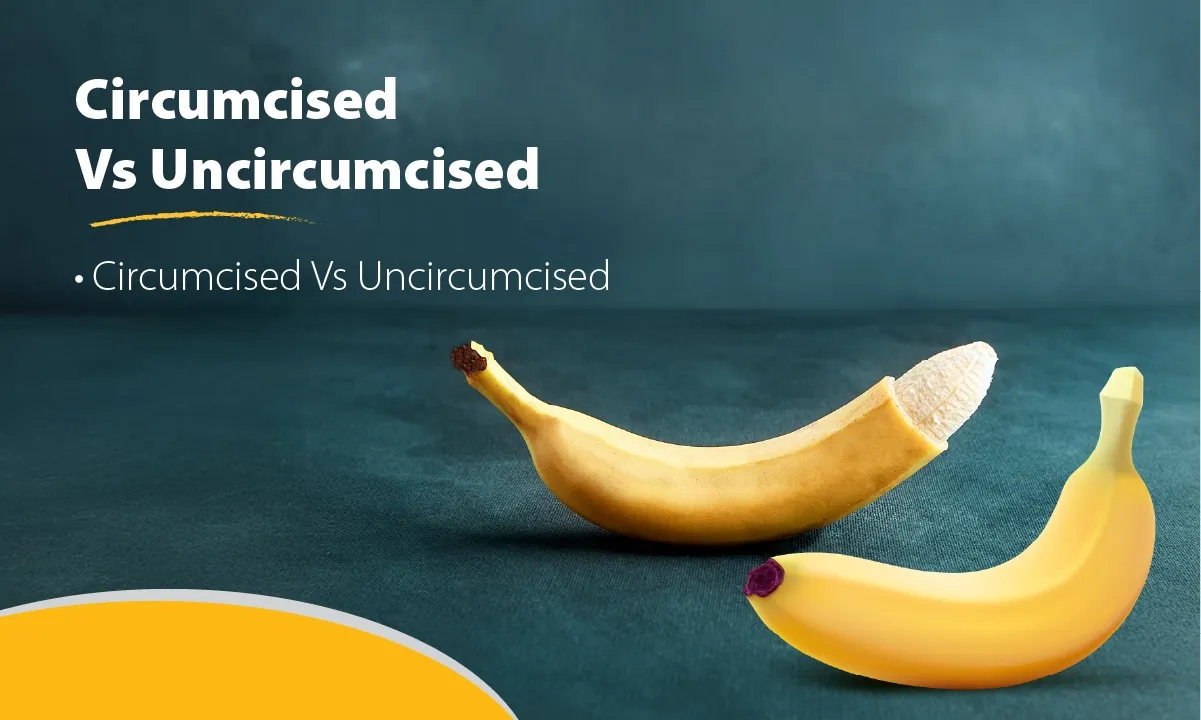
How has the practice of circumcision evolved over time?
The practice of circumcision has undergone significant evolution over time, reflecting a range of cultural, social, and medical factors. From its origins in ancient civilizations to its modern-day applications, circumcision has been shaped by a complex array of influences, including religious and spiritual beliefs, medical and health considerations, and societal and cultural norms. As we consider the history of circumcision, it is clear that the practice has been marked by both continuity and change, with different cultures and societies adapting and modifying the procedure to suit their unique needs and values.
One of the key factors driving the evolution of circumcision has been the advancement of medical knowledge and technology. As our understanding of the human body and its functions has grown, so too has our appreciation of the potential benefits and risks of circumcision. This has led to the development of new techniques and procedures, such as laparoscopic circumcision and circumcision with local anesthesia, which aim to minimize pain and discomfort while maximizing the potential benefits of the procedure. By prioritizing ongoing research and evaluation, we can continue to refine and improve our understanding of circumcision, creating a brighter, more compassionate future for all individuals.
What does the future hold for circumcision?
As we look to the future, it is clear that the practice of circumcision will continue to evolve, reflecting a range of medical, cultural, and social factors. One of the key trends shaping the future of circumcision is the growing recognition of the importance of informed decision-making and respect for individual choice. As individuals become more empowered to make their own decisions about their bodies and their health, we can expect to see a growing trend towards delayed or refused circumcision, as well as a greater emphasis on minimally invasive procedures and non-surgical alternatives.
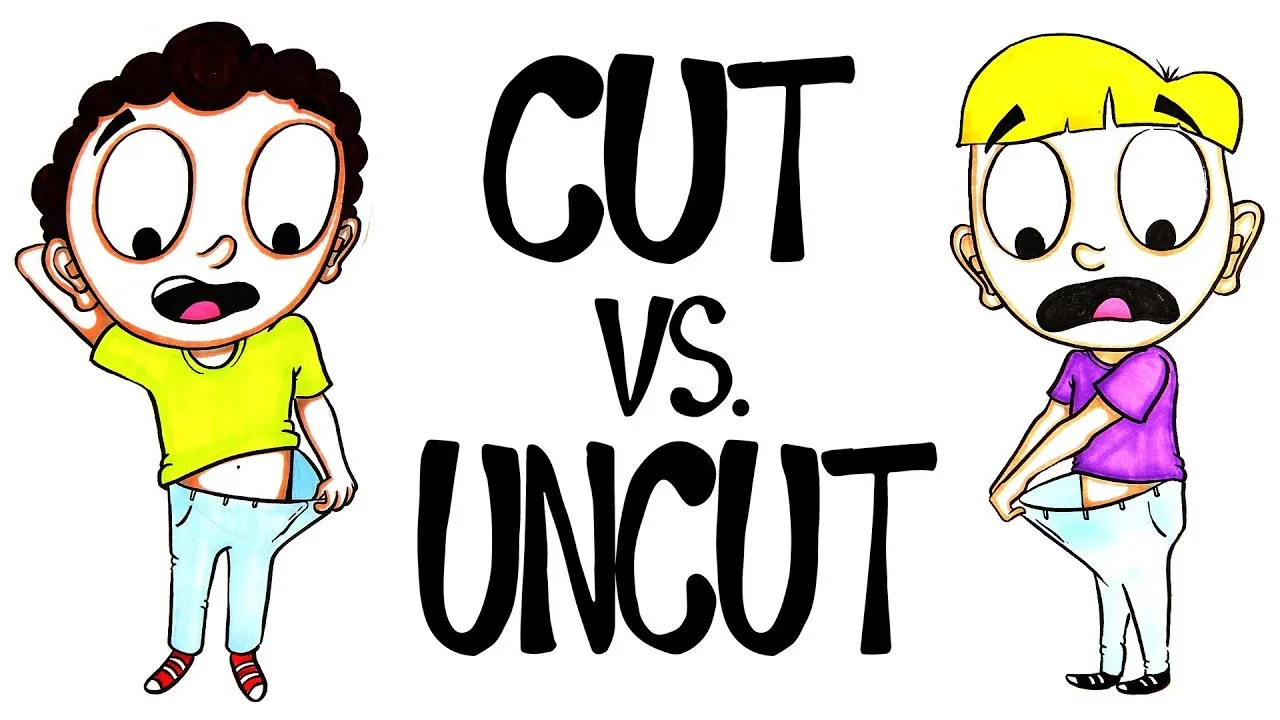
Another key factor driving the future of circumcision is the advancement of medical technology and research. As our understanding of the human body and its functions continues to grow, we can expect to see the development of new techniques and procedures, such as gene editing and regenerative medicine, which may one day offer new alternatives to traditional circumcision. By prioritizing ongoing research and evaluation, we can create a brighter, more compassionate future for all individuals, where the decision to circumcise or not is made with careful consideration and attention to the latest medical knowledge.
As we reflect on the future of circumcision, it is clear that the topic will continue to be shaped by a complex array of factors, including medical, cultural, and social influences. By prioritizing informed decision-making, respect for individual choice, and ongoing research and evaluation, we can create a more compassionate and equitable society, where individuals are empowered to make their own decisions about their bodies and their health. As we move forward, it is essential that we approach this topic with a nuanced and informed perspective, recognizing both the potential benefits and risks of circumcision, and working towards a brighter, more compassionate future for all.
The next 20 years will be critical in shaping the future of circumcision, as individuals, communities, and societies grapple with the complex questions and challenges surrounding this topic. By working together to promote a more nuanced and informed understanding of circumcision, we can create a world where individuals are empowered to make their own decisions about their bodies and their health, free from coercion, pressure, or misinformation. This requires a commitment to ongoing research and evaluation, as well as a willingness to challenge traditional assumptions and question established norms. By doing so, we can build a brighter, more compassionate future for all individuals, regardless of their circumcised or uncircumcised status.