
Devops Automation Engineer Salary

Let’s be honest: you didn’t wake up one day dreaming of YAML files and pipeline graphs. You probably fell into this role like most of us do—by fixing one too many broken builds and muttering, “There has to be a better way.” Now you’re the person who makes sure the software doesn’t explode at 2 AM, and you’re wondering if that stress is priced correctly. Spoiler alert: it mostly is, but the numbers look weird until you squint.
Think of a DevOps Automation Engineer as the plumber of the digital world, but instead of pipes, you’re wrangling CI/CD pipelines. You’re the person who gets called when the deploy button turns into a spinning wheel of doom. And like a plumber, you charge a premium because nobody calls you when things are going well—they call you when the basement is flooding with failed test cases.
The Salary Reality: It’s Not Just About the Code
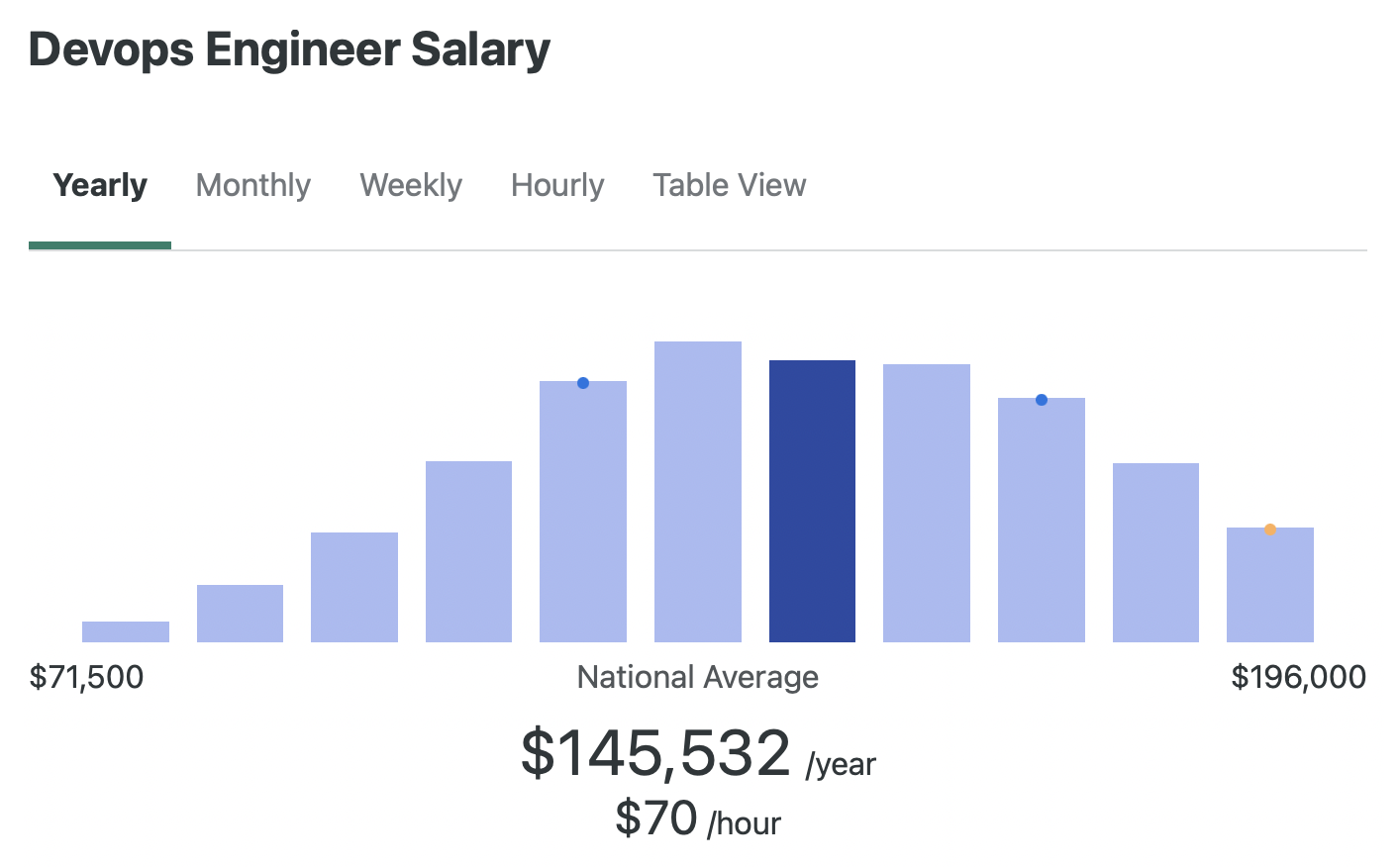
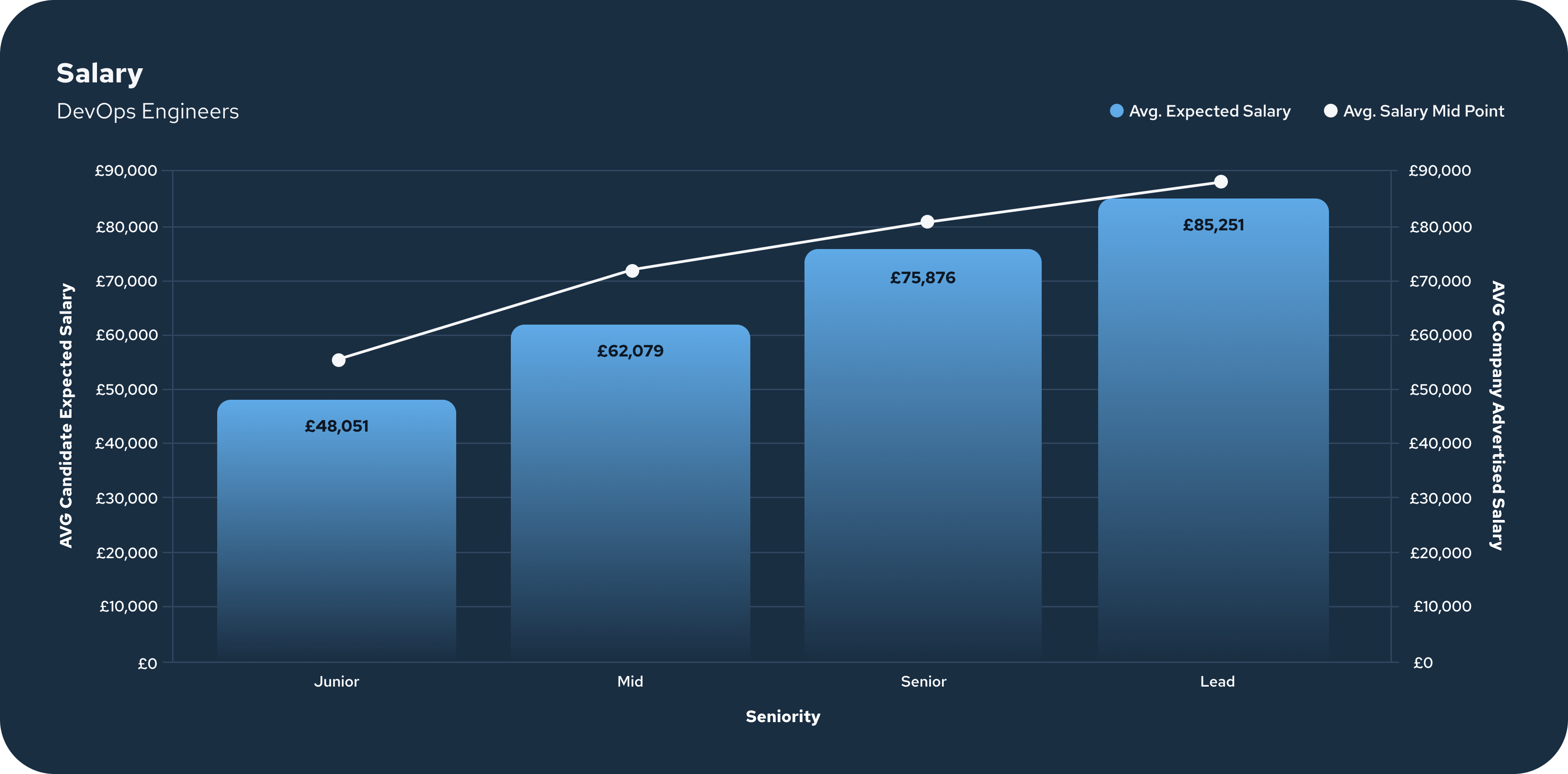
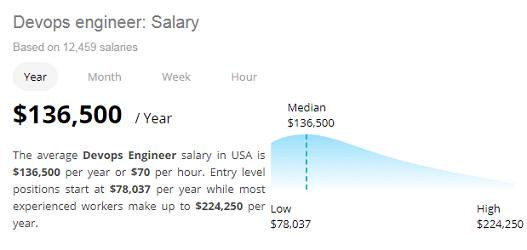
So, what does the market actually pay for this glorious chaos? In the U.S., you’re staring at a base salary that usually lands between $110,000 and $165,000 a year, depending on where you live and how many on-call scars you carry. If you’re in San Francisco or New York, add a healthy 15–20% because your rent is basically a mortgage for a small castle. In Austin or Denver, you’ll trade a little cash for the ability to buy a house that doesn’t require a roommate.
Must Read
But here’s the kicker: that number is just the base. The real magic happens with bonuses, stock options, and the occasional “please don’t quit” retention package. I once knew a guy who got a $10,000 bonus just for automating a task that used to take three interns a full week. He spent the bonus on a vintage motorboat and named it “Pipeline.” Don’t be that guy, but do understand that your worth is tied directly to how much pain you remove.
The “Hourly Rate” Illusion That Will Make You Laugh
If you break down your salary to an hourly rate, you’ll lose your mind, so don’t. You’re not paid for the 40 hours you sit at a desk; you’re paid for the five minutes of pure panic when a production outage happens during the CEO’s demo. That hourly rate jumps to like $4,000 a minute, which is both terrifying and hilarious. It’s like being a firefighter who spends most of the day polishing the truck, but then the fire is your fault because you wrote the infrastructure code.

Consider the alternative: a data entry role where you type the same numbers all day. You’d make maybe $45,000 a year, and your biggest thrill would be finding a shortcut in Excel. Instead, you get paid to break things intentionally, fix them, and then write a script so nobody has to fix them again. It’s the only job where laziness is a professional virtue, and the salary reflects that beautiful paradox.
Why the Range Is Wider Than Your Waistline After the Holidays
The salary variance isn’t just about geography—it’s about your toolkit. If you only know a little Docker and can spell “Terraform” correctly, you’re on the lower end. If you can automate a Kubernetes cluster while blindfolded and explain it to a non-technical manager without crying, you’re at the top. The market rewards depth, not just breadth. Knowing Python, Go, or Bash deeply is like having a black belt in a world where most people just own a karate uniform.

Also, your industry matters more than your skills, which is frankly hilarious. A DevOps engineer at a hedge fund outearns one at a nonprofit by $50,000, even if they do the exact same work. That’s because when your pipeline is slow, the hedge fund loses millions per minute; the nonprofit just misses a donation deadline. You’re not paid for effort—you’re paid for the cost of failure. So, if you want a bigger salary, go work somewhere where downtime means “we can’t trade stocks” instead of “the cat video site is buffering.”
Negotiating Without Being Cringey
When the recruiter asks, “What’s your expected salary?” don’t say a number first. Say, “I’m looking for something in the market range for a role with this much chaos.” Then stay silent. That silence is your superpower; they’ll start talking, and you’ll discover the number is higher than you imagined. Or they’ll lowball you, and you’ll both laugh, and then you walk away. It’s like speed dating, but instead of a second date, you get a signing bonus.
A few years back, I interviewed for a role where they offered $130k. I asked for $155k using my best casual “no big deal” voice. They countered at $150k and threw in an extra week of vacation. I said yes, then immediately felt like I left $5k on the table, but that’s the game. The sweet spot is always asking for 15% above what you think you deserve, because you’re probably underrating your ability to fix a cron job at 3 AM.
The Real Currency: You’re Not Just Rich, You’re Employable
Here’s the part nobody talks about: your salary isn’t the final chapter. A DevOps Automation Engineer’s real wealth is transferable mayhem skills. You can automate anything—from your morning coffee order to your tax filings—which makes you dangerous in the best way. Your resume is a list of “I made the impossible boring,” and that phrase is worth its weight in gold.
So yes, the salary is great. But the best part is that when your friends complain about their boss doing manual data entry, you can casually say, “Oh, I scripted that in 20 minutes.” And then you’ll smile, nod, and remember that your toilet flushes, your pipeline deploys, and your bank account says “comfortably chaotic.” That’s the dream, isn’t it?


![12 Highest-Paying Software Engineering Jobs [2023 Guide]](https://www.springboard.com/blog/wp-content/uploads/2020/07/highest-paying-software-engineering-jobs-devops-engineer-salary.png)