
Average Salary Of A Surgical Nurse

The fluorescent hum of a hospital corridor at 3:00 AM. The rhythmic beeping of a cardiac monitor. The smell of antiseptic that clings to scrubs long after the shift ends. This is the world of the surgical nurse, a role that exists at the razor-thin edge between life and death. We often think of the surgeon as the star of the operating room—the virtuoso with the scalpel—but the surgical nurse is the stage manager, the safety inspector, the translator, and often, the last line of defense against human error. They are the ones who count the sponges, anticipate the surgeon’s next move before the surgeon even makes it, and hold a patient’s hand as anesthesia pulls them into the void. In the high-stakes theater of modern medicine, they are the unsung ensemble cast, and their compensation is a topic that reveals much about how we value precision, stress, and life itself.
Over the past two decades, the surgical nurse’s role has undergone a radical transformation. What was once a purely assistive position has evolved into a highly specialized clinical specialty requiring advanced certifications, a deep understanding of sterile technique, and an almost psychic ability to work as part of a high-performing team. The rise of minimally invasive robotic surgery, the complexity of transplant procedures, and the increasing age of the global population have all amplified the demand for these professionals. Yet, despite their critical importance, the question of their average salary remains shrouded in mystery for many aspiring nurses and career-changers. It’s a number that fluctuates wildly based on geography, experience, and the obscure art of contract negotiation. And hidden within that number is a fascinating story about the economics of healthcare, the psychology of shift work, and the price we put on staying calm when everything is going wrong.
The Financial Anatomy: Breaking Down the Paycheck and Its Hidden Variables
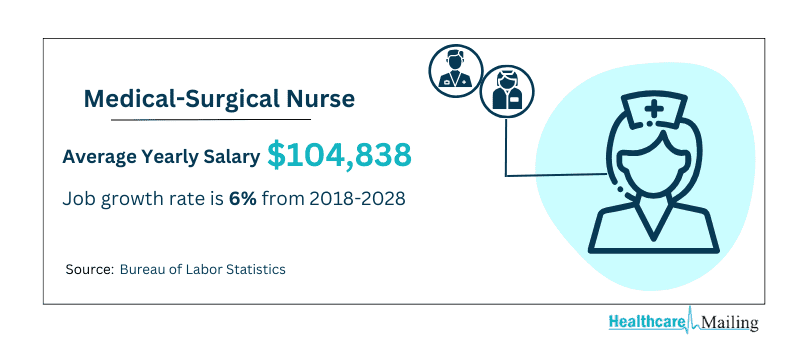
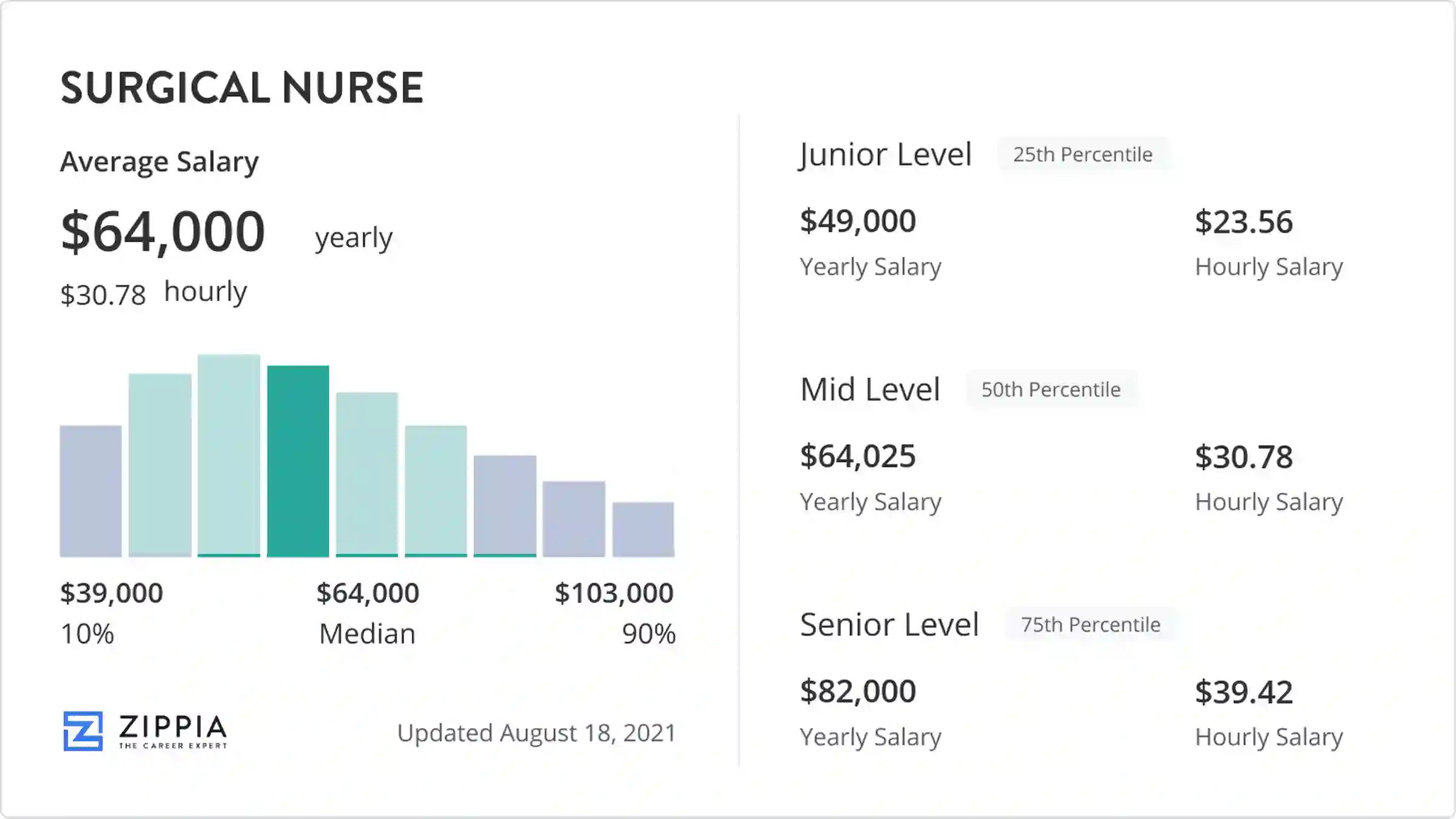
Let’s cut through the noise and look at the raw data. As of recent reporting, the average salary for a surgical nurse (often referred to as a Perioperative Nurse or Operating Room (OR) Nurse) in the United States sits comfortably between $78,000 and $105,000 per year, with the national median hovering around $89,000. However, this is a rather sterile average—a number that obscures more than it reveals. The Bureau of Labor Statistics lumps these nurses into the broader category of Registered Nurses (RNs), but the surgical specialty commands a significant premium. In bustling metropolitan hubs like San Francisco, New York, or Seattle, experienced surgical nurses can easily pull in $120,000 to $145,000 annually. Conversely, in rural communities in the Midwest or the Deep South, that number might dip to the high $60,000s, though the cost of living adjusts the real-world value significantly.
Must Read
But here’s the dark fun fact that most lifestyle articles won’t tell you: the base salary is often the least interesting part of the compensation package. Surgical nurses are the undisputed kings and queens of shift differentials and overtime. Because surgeries don’t stop for holidays, and trauma cases ignore your dinner plans, OR nurses often work 12-hour shifts, weekend rotations, and "call" shifts where they must be ready to sprint to the hospital within 30 minutes. This "on-call" pay, combined with the premium for working 3 PM to 3 AM, can add an extra $15,000 to $30,000 to their annual take-home pay. In fact, a savvy surgical nurse who strategically picks up night shifts and holiday coverage can out-earn their nurse manager, a fact that creates a curious, unspoken tension in hospital hierarchies. The psychological aspect here is profound: you are being paid not just for your technical skill, but for your willingness to sacrifice your circadian rhythm and your social life on the altar of public health.
Another hidden variable is the Certified Nurse Operating Room (CNOR) credential. This isn't just a piece of paper; it’s a financial catalyst. Earning this certification—which requires a rigorous exam and continuous education—can instantly boost a nurse's earning potential by 10% to 15%. Hospitals actively recruit CNOR-certified nurses because it reduces their liability insurance premiums and improves their surgical outcome metrics. Furthermore, the type of facility matters. A Level 1 Trauma Center that handles penetrating wounds and organ transplants will pay more than an outpatient surgery center that focuses on cataracts and cosmetic procedures. Why? Because the stress profile is different. Standing for five hours while a patient’s aorta is being repaired requires a different level of fortitude than a 45-minute arthroscopic knee scope. You are, in essence, being compensated for your ability to handle the sudden, violent chaos of a ruptured aneurysm versus the predictable rhythm of a scheduled elective.
From the Scrub Count to the Bank Account: Real-World Scenarios and Takeaway Strategies
Let’s get practical. Imagine two nurses graduating from the same program on the same day. Nurse A accepts a position in a private, for-profit hospital in Austin, Texas, starting at $78,000. They work a steady 8-to-5 schedule in the general surgery suite. Nurse B, however, interviews at a nonprofit academic medical center in the same city, starting at $72,000—a lower base. But Nurse B negotiates for a "call" rotation and a weekend differential. By the end of the first year, Nurse B’s W-2 shows $91,000, which is $13,000 more than Nurse A. The key takeaway is that the initial offer is merely the starting chip in a complex poker game. Surgical nursing is one of the few professions where the "grind" is literally built into the compensation structure, rewarding those who are willing to be flexible with their body's natural clock.
Another scenario: consider the travel surgical nurse. This is the gladiator path of the profession. Travel nurses sign 13-week contracts, moving from state to state to fill staffing shortages. Because OR nurses are among the hardest roles to fill, their travel rates are astronomical. A travel surgical nurse can easily command $2,800 to $3,500 per week, which translates to over $140,000 per year if they work consistently. The catch? No job security, no paid time off, and the constant existential dread of adapting to a new hospital's quirks every few months. But for the adventurous, it’s a financial windfall. One nurse in our case study, a 34-year-old from Florida, reported paying off $60,000 in student loans in just 18 months by taking high-paying contracts in remote Alaskan hospitals where the cost of living was minimal and the pay was premium because no one wanted to live there during the sub-zero winters.
For those looking to maximize their earning potential without leaving their home, the advice is simple but requires a spine of steel. First: master the art of the "quiet no." Do not agree to every shift offered to you; instead, strategically pick the ones with the highest differentials (usually major holidays like Thanksgiving or New Year's Eve, where pay can double). Second: specialize further. Don't just be a surgical nurse—become a first assist or a robotics specialist. Nurses who can operate the Da Vinci robotic surgical system are in such high demand that they can name their price, often pushing their base salary past the $110,000 mark in non-metropolitan areas. Third: never stay at one hospital for more than five years without a significant raise. The loyalty penalty is real; you are often paid 20% less than an external hire with the exact same experience level. The most ruthless—and most successful—surgical nurses switch employers every two to three years, leveraging competing offers to extract maximum value from their skills.
The Cutting Edge: Five Burning Questions on Surgical Nurse Compensation
1. How does the salary of a surgical nurse compare to an ICU nurse or an ER nurse?
The comparison is fascinating because it reflects different types of stress. Intensive Care Unit (ICU) nurses and Emergency Room (ER) nurses often have a slightly lower starting base salary than surgical nurses, averaging around $75,000 to $85,000. However, the gap narrows significantly with overtime. ICU nurses frequently take on "critical care" differentials, and ER nurses deal with high patient turnover, which can lead to more hours billed. The real differentiation is in the nature of the stress. ER nurses face chaotic, unpredictable environments with a constant flow of new patients. Surgical nurses face intense, prolonged focus in a controlled environment with a single patient. Because the surgical nurse's error can result in immediate, catastrophic morbidity (like leaving a sponge inside a patient), the liability and mental fatigue justify a $5,000 to $10,000 premium over their emergency department counterparts. It’s a premium for sustained, acute concentration rather than reactive chaos management.
Furthermore, the scheduling differs drastically. ER nurses often work three 12-hour shifts with less "on-call" requirement. Surgical nurses, especially in trauma centers, have mandatory call hours that can disrupt their entire week. If you are on call Friday night and get called in at 2 AM, you are still expected to work your Saturday morning shift. This "broken sleep" pattern is clinically proven to cause more long-term health issues than standard shift work, hence the higher compensation. The salary is a direct reflection of the physiological toll exacted on the body. When you look at pure hourly earnings, surgical nurses win, especially when factoring in the call-back pay, which is often paid at 1.5x or 2x your base rate for every hour, even if you just sit in the break room and watch TV for four hours before going home.

2. Is there a significant pay difference between working in a hospital OR versus a private plastic surgery clinic?
Yes, and this is where the cultural perception of beauty meets the reality of insurance billing. Working in a hospital OR is grueling but offers stability and the highest base pay for complex procedures. However, private plastic surgery clinics—especially those in affluent areas like Beverly Hills, Miami, or Manhattan—often pay a premium salary to attract top-tier talent. Why? Because the clientele demands discretion, white-glove service, and absolute perfection. A plastic surgery nurse might earn a lower base salary (around $70,000) but receive substantial production bonuses based on the clinic's monthly revenue. Since liposuction, breast augmentations, and facelifts are cash-based procedures (not covered by insurance), the clinic's profit margins are enormous, and they are willing to share the wealth.
The psychological stakes are different too. In a hospital, the goal is to keep the patient alive. In a plastic surgery suite, the goal is to keep the patient aesthetic. The surgical nurse in a clinic is often hired for their marketing acumen as much as their clinical skill, providing "consultations" and "patient education" that are essentially sales pitches for the surgeon. The best of these nurses can earn $120,000 or more, but they are also essentially working in the hospitality industry—dealing with highly narcissistic, anxious, and sometimes delusional patients who are emotionally fragile. This is a unique dark fun fact: the nurse is often paid more to manage the patient's mental state before and after the operation than to actually assist in the surgery. The hospital nurse saves lives; the clinic nurse saves egos, and the compensation for massaging a broken ego is surprisingly lucrative.
3. How does the salary translate outside of the United States?
Globally, the American surgical nurse is the highest paid in the world, but that salary comes with a caveat: the US healthcare system's extreme cost. In the United Kingdom, for example, a surgical nurse working for the National Health Service (NHS) will earn between £32,000 and £45,000 (approximately $40,000 to $57,000 USD). In Australia, the salary is more generous, with senior surgical nurses earning upwards of $95,000 AUD (around $63,000 USD), but the cost of living in Sydney or Melbourne is exorbitant. The most striking comparison is with Canada, where surgical nurses earn between $75,000 and $95,000 CAD ($55,000 to $70,000 USD).

The cultural impact here is profound. In countries with socialized medicine, the salary reflects a more egalitarian view of nursing; the gap between a nurse and a physician is vast. In the US, the gap is narrower, and nursing is aggressively marketed as a lucrative middle-class career. This has led to a drain of nursing talent from countries like the Philippines, India, and Nigeria, who are recruited to the US and UK due to staffing shortages. This "brain drain" means that the American surgical nurse's high salary is often at the expense of the healthcare infrastructure in their home countries. The financial irony is that a nurse in Manila might earn $5,000 a year, while their counterpart in Chicago makes $95,000, doing the exact same job, but with far more liability. The salary is not just a number; it's a geopolitical indicator of wealth distribution and the commodification of human life.
4. What are the "hidden" benefits that add to the total compensation package?
When calculating a surgical nurse's true "total compensation," the base salary is only half the story. Most hospital systems offer a gold-plated benefits package including full medical, dental, and vision insurance with zero monthly premiums for the employee. This alone is worth $10,000 to $15,000 annually. But the most valuable hidden benefit is the pension and 401(k) match—often matching up to 6% of the salary. Additionally, many unionized hospitals in California and the Northeast offer paid sabbaticals after 10 years of service, allowing a nurse to take 4-8 weeks off with full pay to travel or decompress. This is a critical psychological release valve, preventing burnout in an incredibly demanding field.
Another hidden gem is tuition reimbursement and continuing education units (CEU) funding. A surgical nurse can get their Master's degree in Nurse Anesthesia or Nurse Practitioner certification while working, fully funded by the hospital. This adds a second layer of earning potential. Furthermore, many facilities offer free meals during shifts, discounted childcare, and even free on-site gyms to promote physical well-being. When you add all these benefits—health insurance, retirement contributions, paid time off, and education subsidies—the total package for an average surgical nurse can easily exceed $130,000 in true value. The savvy nurse who maximizes these benefits is effectively getting a 30% raise that never shows up on their W-2.
5. Is the salary expected to grow or decline in the next decade?
The trajectory is pointing sharply upward, but with a twist of technological disruption. The primary driver for salary growth is the aging Baby Boomer population, which is requiring exponentially more surgical procedures for hip replacements, cardiac stents, and cancer resections. This demand is outstripping the supply of new nurses, giving current surgical nurses massive leverage. The Bureau of Labor Statistics projects a 6% growth in the field over the next ten years, which will likely push the median salary past the $100,000 mark by 2035. The laws of supply and demand are firmly in the nurse's favor.
However, the twist is technology. As artificial intelligence and robotics become better at automating certain parts of surgery—like suturing or hair-precise incisions—the role of the surgical nurse may shift from "hands-on assistant" to "supervising technician." This could initially suppress salaries as fewer nurses are needed per case. But the counter-argument is the looming nursing shortage: due to burnout and an aging workforce, there simply won't be enough nurses regardless of technology. In fact, hospitals are already offering sign-on bonuses of $30,000 to $50,000 for experienced surgical nurses, a number that has never been seen before in non-COVID times. The salary is not just growing; it is inflating. The dark fun fact is that a global pandemic (COVID-19) accelerated this trend, and the financial scars on the healthcare system have paradoxically created a golden age for surgical nurse compensation. As long as humans require surgeons, they will require surgical nurses, and the price of that requirement will continue to climb.
At its core, the salary of a surgical nurse is a mirror reflecting our own societal priorities. We live in a world that fears death and worships youth, and we are willing to pay exorbitant sums to stave off the inevitable. The surgical nurse is the bridge between our vulnerability and our hope. Their paycheck is a measure of our collective anxiety—the more we fear the knife, the more we value the hands that wield it, and the hands that steady it.
This resonates in our daily lives because we all play roles in our own "operating rooms." Whether we are a project manager juggling deadlines, a parent managing a chaotic household, or an artist facing a blank canvas, we all experience moments of high-stakes pressure where a single mistake feels catastrophic. Studying the surgical nurse’s compensation teaches us a universal truth: we are not paid for our time; we are paid for our ability to remain calm under pressure. Their willingness to negotiate for shift differentials and take on call duty is a masterclass in assertiveness—a reminder that we should all advocate for our own worth, even when the environment feels intimidating.
Ultimately, the number on the paycheck is a starting point for a deeper conversation about human nature. We crave security, but security is expensive. The surgical nurse accepts the existential weight of their job not just for the money, but for the profound purpose it provides. They see the worst day of a patient's life and, through their skill, often turn it into a second chance. And as we navigate our own financial journeys, we can take a page from their sterile, precise book: do your count, check your supplies, communicate clearly, and never underestimate the value of being the person who knows how to keep things from falling apart. That, more than any annual figure, is the true dividend of the surgical nurse.


