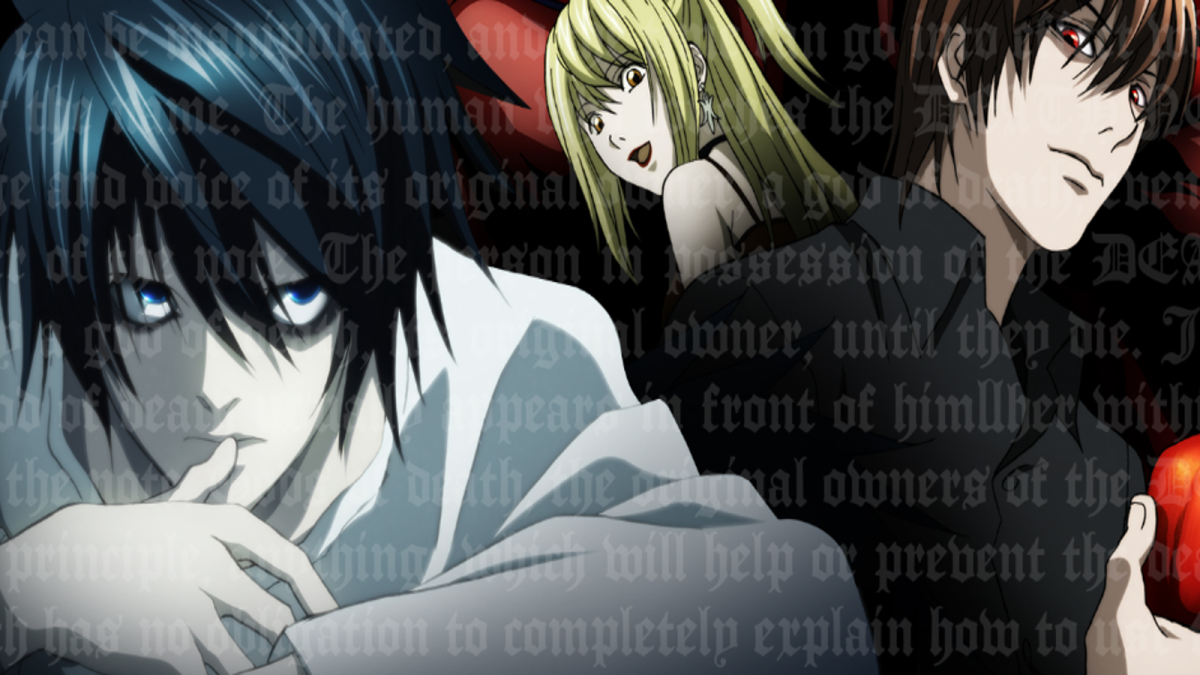
Death Note Anime Common Sense Media
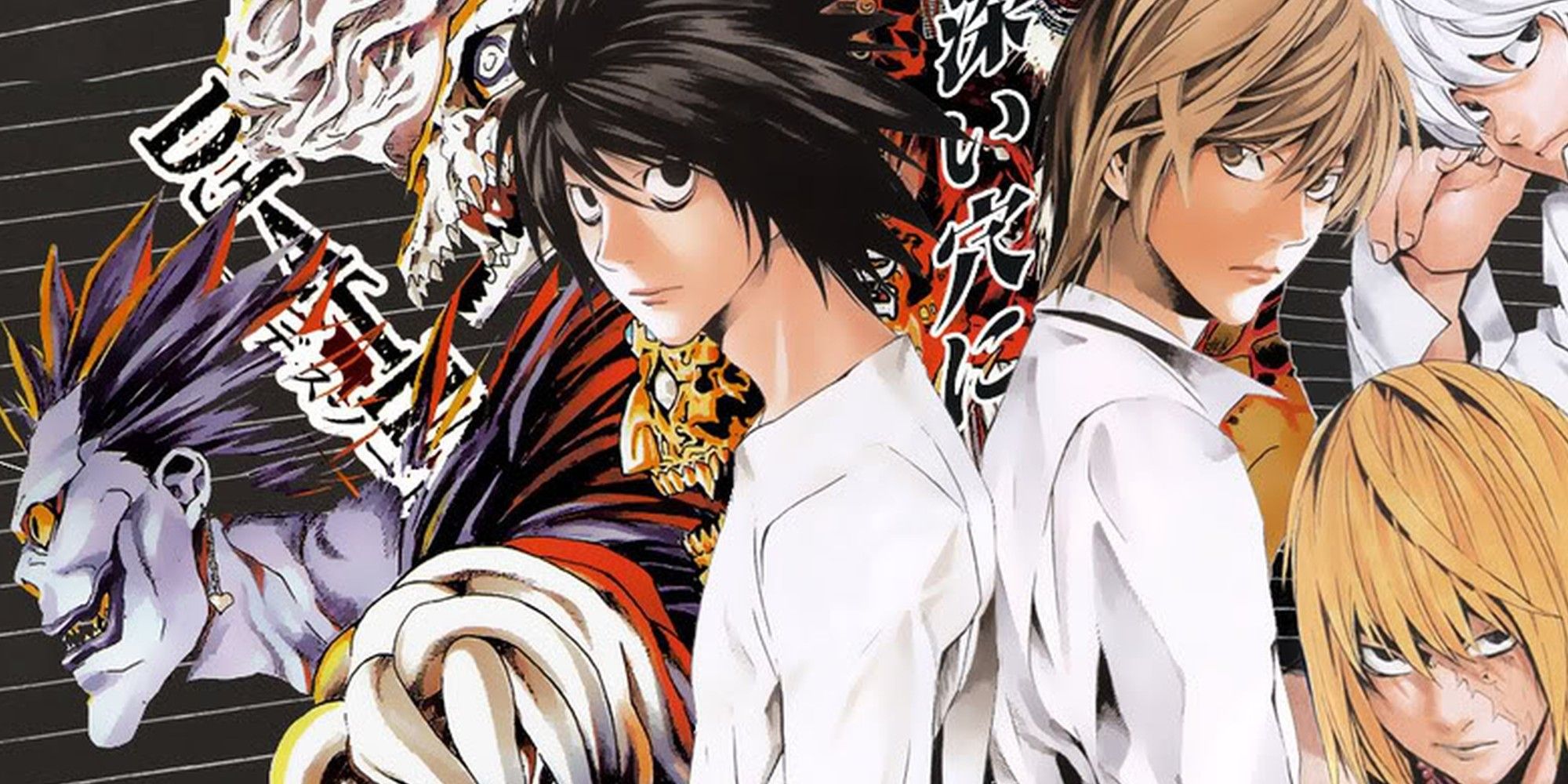
Let’s be real: Death Note is the anime that got a whole generation into anime. It’s also the show that makes parents do a double-take at the Netflix menu. You’ve heard the buzz, you’ve seen the memes, and now you’re wondering if this dark thriller is a smart binge or a hard pass.
Common Sense Media, the go-to watchdog for family entertainment, has weighed in, and the verdict is as nuanced as the show’s own moral dilemmas. They rate it for teens (16+), and honestly, that’s not just corporate hand-wringing—it’s a fair call. The series is a psychological chess match where the protagonist literally writes people’s names in a notebook to kill them. That’s not your average Saturday morning cartoon.
The Plot That Started a Thousand Debates
High school genius Light Yagami stumbles upon a supernatural notebook dropped by a bored shinigami (death god) named Ryuk. Write a name, and that person dies of a heart attack—simple, terrifying, and instantly intoxicating.
Must Read
Light decides to become a god of a new world, purging criminals with the zeal of a vigilante. His crusade pits him against the world’s greatest detective, a mysterious figure known only as “L,” and their cat-and-mouse game is pure cinematic gold. The tension isn’t in the action; it’s in the planning, the deductions, and the sheer audacity of a snack wrapper turning the tide of an investigation.
What Common Sense Media Actually Flags
Their review highlights the big three: violence, disturbing content, and moral complexity. The deaths are mostly off-screen, but the implications are heavy—mass murder, manipulation, and a protagonist who becomes the villain while smiling.
You’ll also see mentions of “some language” and a few suggestive moments, but nothing that would shock a seasoned viewer. The real red flag is the glorification of a serial killer, even if he’s fictional. Clever kids might start arguing that Light has a point, which is exactly why the show demands a mature lens.

Why It’s Worth the Watch (With a Caveat)
If you’re a teen or an adult who loves a good thriller, Death Note is a masterpiece of pacing. It’s like watching Sherlock meet Breaking Bad, but with a supernatural twist that keeps you hooked for 37 episodes.
For parents, this is a fantastic conversation starter about ethics, justice, and the slippery slope of “the ends justify the means.” Ask your teen: Would you kill one to save a hundred? What makes Light different from a dictator? You’ll get more genuine dialogue than you would from a textbook.
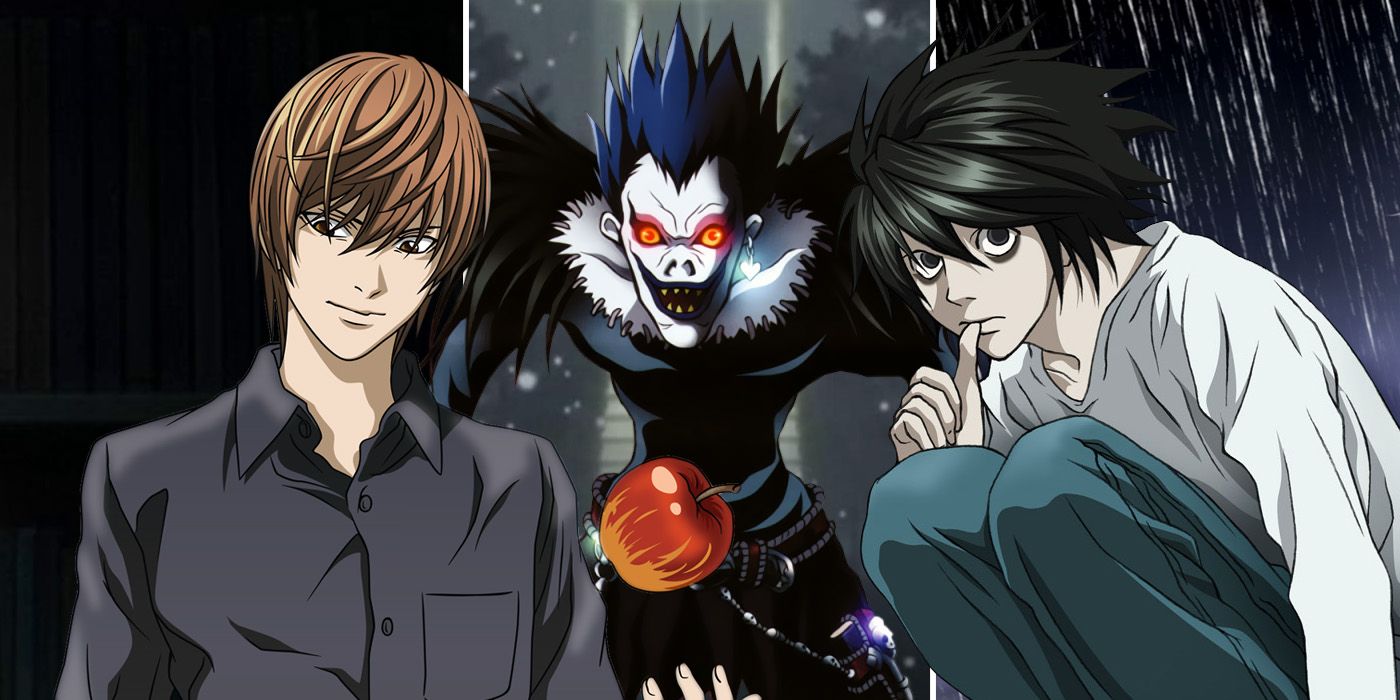
Pro-tip: Watch the first episode with them. It’s a masterclass in narrative setup, and you can pause to discuss Ryuk’s apple obsession (yes, that’s a thing). If they still think Light is a hero after episode five, you might need to schedule a family meeting.
Fun Facts to Drop at the Dinner Table
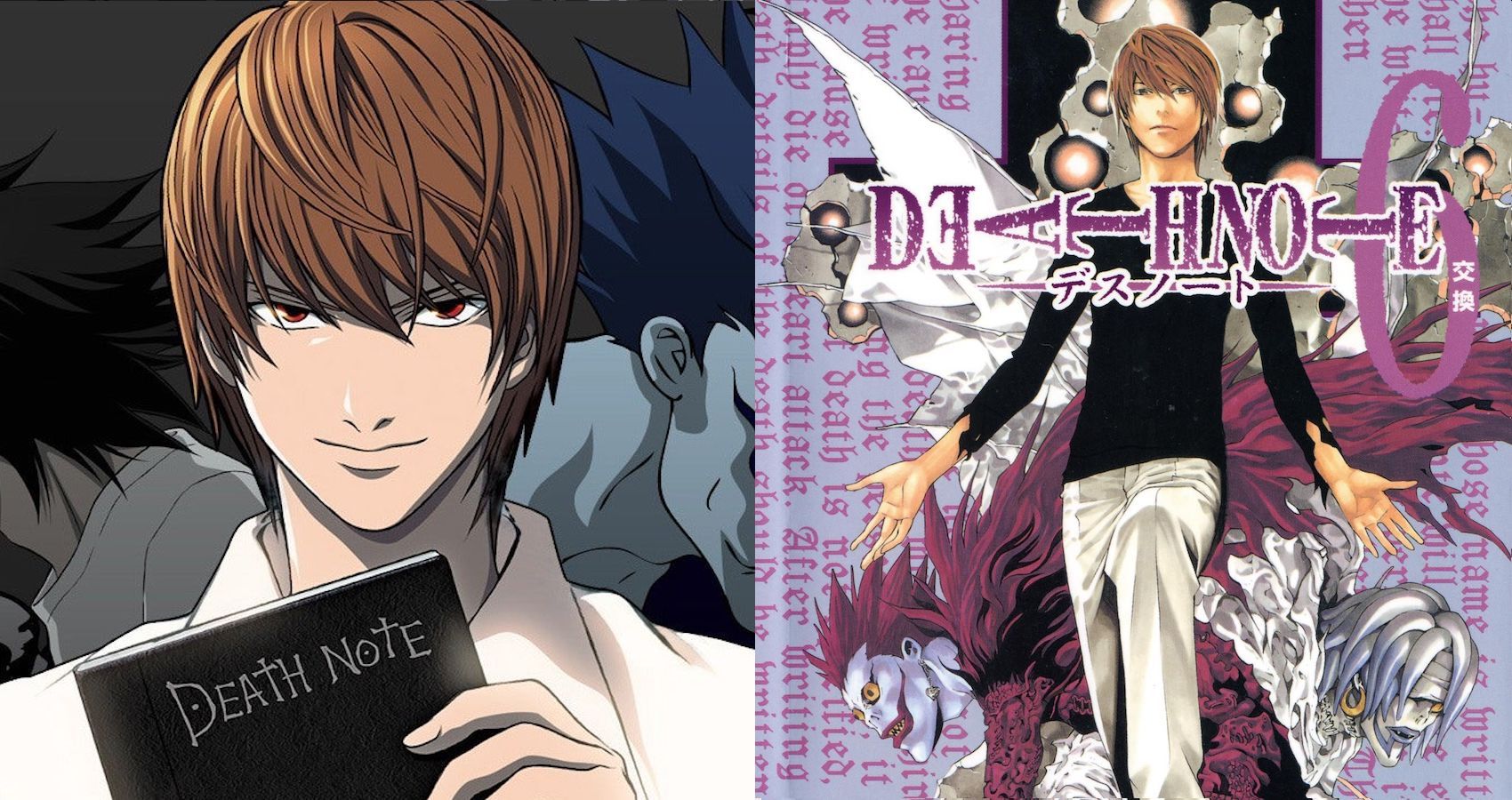
Did you know the original manga’s creator, Tsugumi Ohba, wrote the rules of the Death Note so meticulously that fans became obsessed with loopholes? There’s a whole wiki dedicated to interpreting “the 36-second rule” after writing someone’s cause of death.
Also, the live-action Japanese films are surprisingly excellent, but please—avoid the 2017 Netflix adaptation unless you enjoy watching a beloved story get turned into a ham sandwich. That’s a cultural rite of passage we all suffer through together.
And here’s a fun one: Ryuk’s design was inspired by a spiral shell. The artist took a seashell, added a creepy face, and boom—a shinigami icon was born. Nature is metal.
The Middle Ground: How to Handle It
The best way to approach Death Note is not as a moral bedtime story, but as a thought experiment. It’s a mirror held up to our own desires for control and justice, and it doesn’t blink.
Set a rule: watch it in chunks, and talk between episodes. Keep snacks on hand (apple chips are a must, pay homage). And if your teen starts writing names in a notebook at the dinner table, that’s a clear sign to switch to My Hero Academia for a while.
Ultimately, Common Sense Media’s rating is a gentle nudge, not a judgment. The show is smart, stylish, and deeply unsettling—but that’s exactly why it works.

The Daily Takeaway
We all have moments where we wish we had a little more power over our messy lives. Death Note asks us to consider what we’d do with absolute control—and whether that control would ever really be enough.
In real life, we can’t write names in a notebook to fix the traffic or the rent. But we can control our reactions, our kindness, and our choices. That’s a boring-sounding superpower, sure, but it’s the only one that doesn’t come with a heart attack.
So, grab your apple, dim the lights, and press play. Just remember—unlike Light, you can always close the laptop and walk away. That’s the privilege of being a viewer, and it’s a delicious one. 🍎