Loop Quantum Gravity For Dummies

Ever stared at the night sky and wondered what the universe is actually made of? Not stars and planets, but the really deep-down stuff. You’re not alone—physicists have been scratching their heads over this for a century.
There are two giant rulebooks for reality: general relativity (how gravity and big things work) and quantum mechanics (how tiny things like atoms behave). The only problem? They absolutely refuse to play nice together.
That’s where loop quantum gravity (LQG) rides in like a physics superhero. It’s a brave attempt to stitch these two rulebooks into one wild, mind-bending story.
Must Read
Space Is Not a Smoothie
Think of the universe as a giant, smooth caramel latte. That’s what Einstein’s theory suggests—space is a continuous, stretchy fabric.
Loop quantum gravity says, “Nope, hold my mug.” According to LQG, space is more like a pile of tiny LEGO bricks. It’s granular, pixelated, and absolutely not smooth at the very smallest scale.
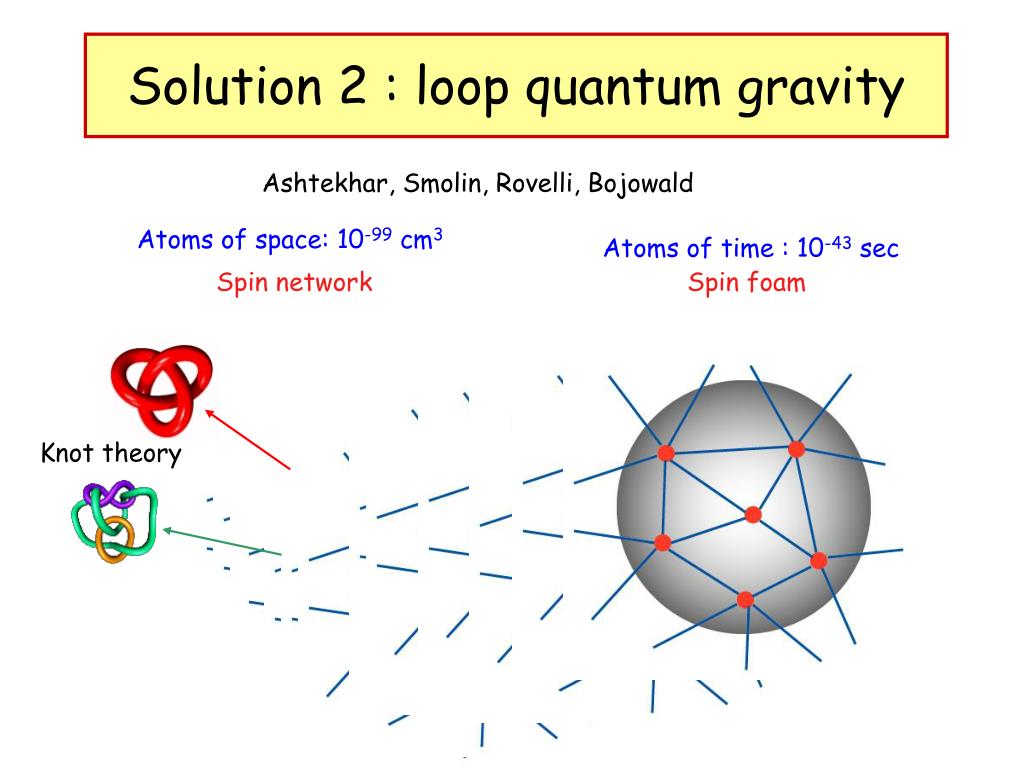
Imagine zooming into a photograph until you see the individual dots. That’s what LQG does to the universe—it finds the pixels of reality.
The Weirdest Knitting Project Ever
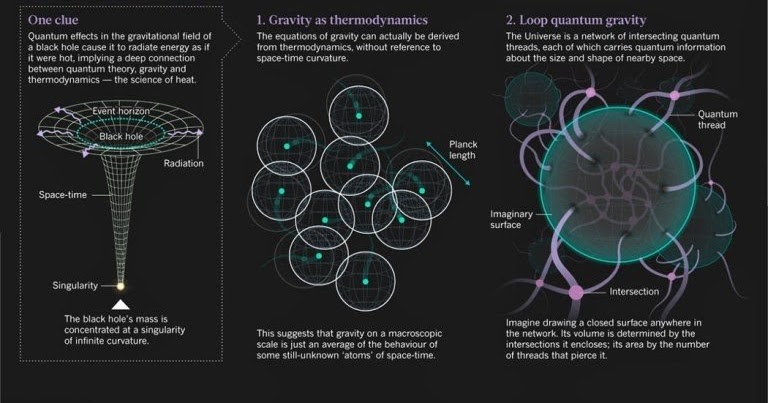
So what are these bricks made of? They’re not little balls of matter. They’re loops of pure gravitational field. Yes, you read that right—space itself is woven from these loops, like a cosmic knitted sweater.
These loops are unimaginably tiny. We’re talking about the Planck length, which is about a billionth of a billionth of a billionth of a centimeter. Smaller than anything you can ever touch.

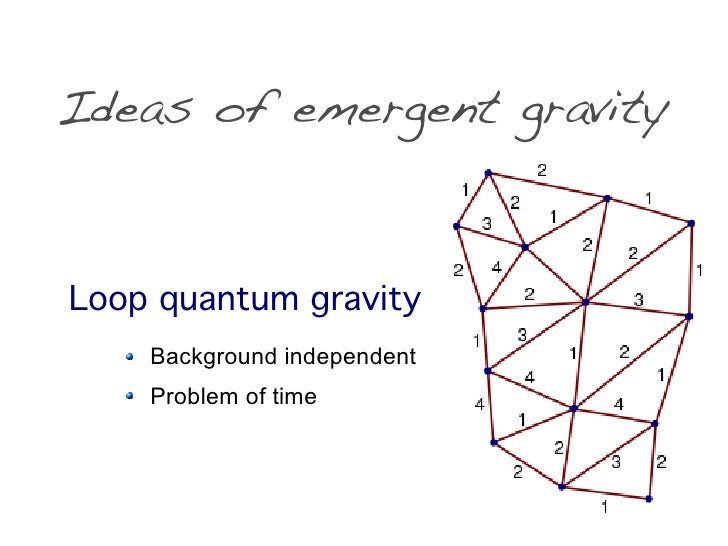
Here’s the cool part: these loops weave together to form a spin network. Picture a spider web made of energy, where each strand has a tiny bit of area and volume. That web is the skeleton of your living room.
Why Should You Care? (Besides It Being Awesome)
First, LQG might explain what happens inside a black hole. Instead of infinite, mind-destroying density, the core becomes a super-tight ball of loops. It’s like reality’s emergency brake.

Second, it tackles the Big Bang. Instead of a sudden “poof” from nothing, LQG suggests the universe bounced. It might have collapsed from a previous phase, then rebounded outward. No divine finger needed—just a quantum bounce.
So why is this so cool? Because it tells us that space isn’t just a stage where things happen. It’s an active, shimmering, grainy entity that has its own quantum life.
What It’s NOT
Let’s clear up one huge confusion: LQG is not string theory. String theory says particles are tiny vibrating strings in extra dimensions. LQG doesn’t need extra dimensions—it works with the good ol’ four we know and love.
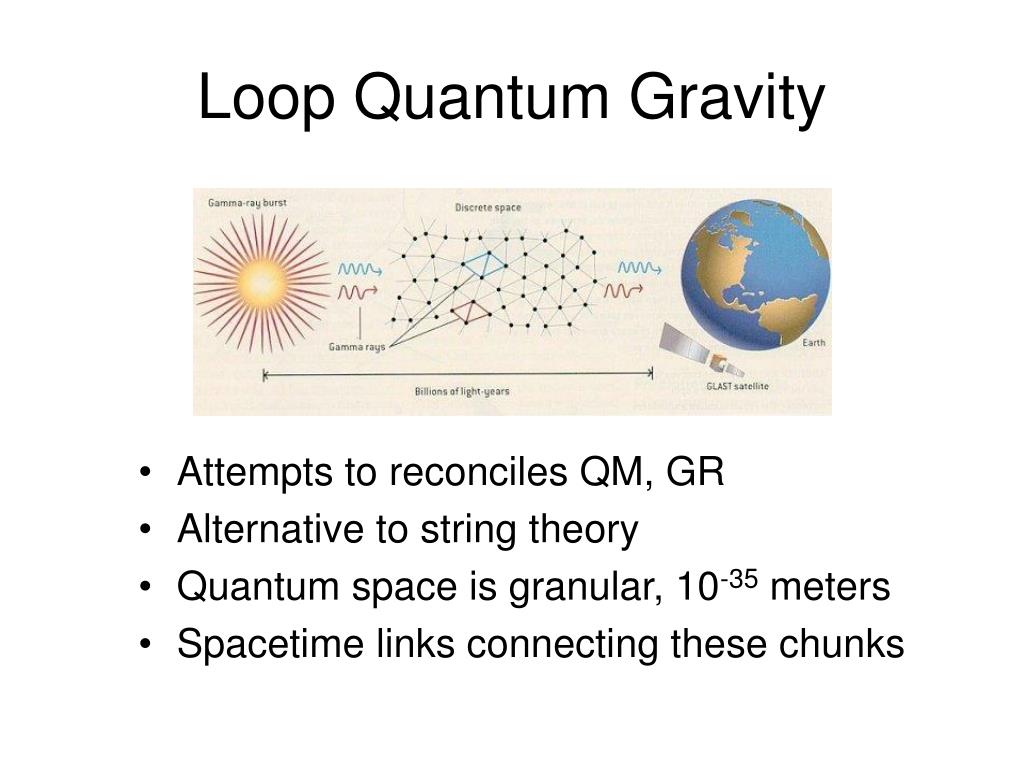
It’s also not a finished theory. It’s more like a brilliant, half-built cathedral. But that’s the exciting part—we get to watch physicists battle with the biggest question in science.
Does it work perfectly? Honestly, no. There are still huge mathematical puzzles to solve. But the sheer audacity of the idea—that space is knitted from invisible loops—makes your brain do a happy flip, right?
So next time you drop your phone, remember: it’s falling through a universe made of tiny, vibrating loops. And that, my friend, is the most chill yet mind-blowing thought you’ll have all week.