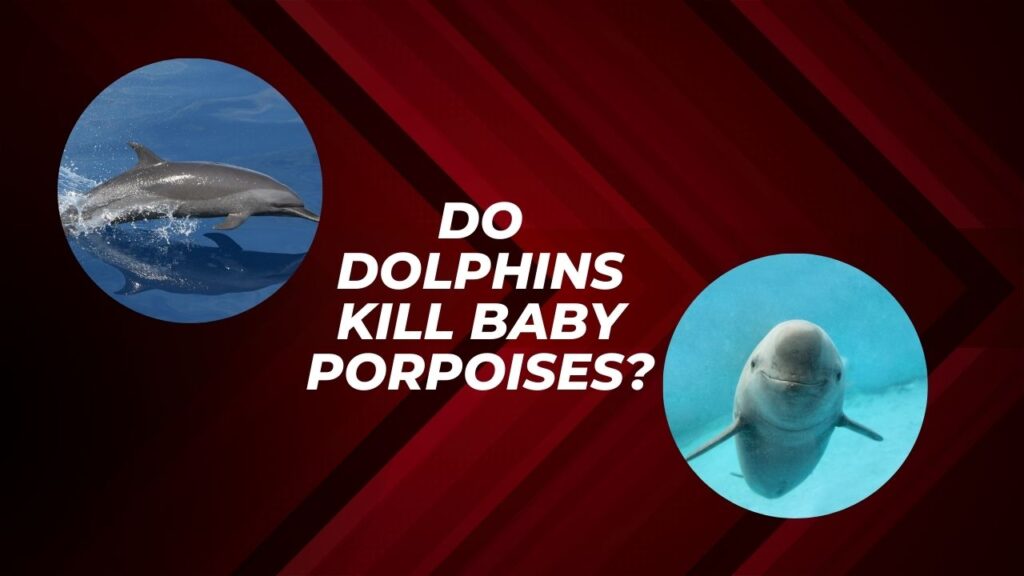
Do Dolphins Go On Killing Sprees When Sexually Frustrated

It's no secret that the internet can be a wild and wacky place, where the most unexpected topics can suddenly blow up and capture everyone's attention. And recently, one of the most bizarre trends to emerge has been the idea that dolphins might go on killing sprees when they're sexually frustrated. Yes, you read that right - dolphins, those intelligent and social marine mammals, have been at the center of a heated debate about their behavior, with some claiming that they can turn into bloodthirsty killers when their libidos are not satisfied.
This topic has been making waves (pun intended) on social media, with TikTok and Twitter users sharing videos and memes about the supposed dolphin killing sprees. It's been a topic of fascination and horror, with many people expressing their shock and disbelief at the idea that these intelligent creatures could be capable of such behavior. But as with any internet trend, it's hard to separate fact from fiction, and that's why we're diving into the world of dolphin behavior to explore the truth behind this salacious claim.
As it often does, the internet has taken a relatively obscure topic and turned it into a viral sensation, with many people weighing in on the issue and sharing their opinions. And while it's entertaining to watch the drama unfold, it's also important to take a step back and look at the bigger picture. What does this trend say about our culture and our relationship with the natural world? Are we using dolphins as a proxy for our own anxieties and fears about sex and violence? These are just a few of the questions we'll be exploring in this article, as we delve into the weird and wonderful world of dolphin behavior.
Must Read
The Dark Side of Dolphin Culture
When we think of dolphins, we often imagine them as friendly and intelligent creatures, swimming and playing in the ocean. But as with any animal, there's a more complex side to their behavior, and recent research has shed light on some of the darker aspects of dolphin culture. For example, did you know that dolphins have been observed engaging in infanticide, where they kill the young of other dolphins? Or that they've been known to form coalitions to hunt and kill other marine mammals, like seals and sea lions?
These behaviors might seem shocking to us, but they're just a few examples of the complex social dynamics at play in dolphin societies. And while it's true that dolphins are highly intelligent and empathetic creatures, they're also capable of aggressive and violent behavior when the situation calls for it. So, what does this mean for our understanding of dolphin behavior, and how can we apply this knowledge to our own lives? By exploring the weird and fascinating world of dolphin culture, we might just learn something about ourselves and our place in the natural world.
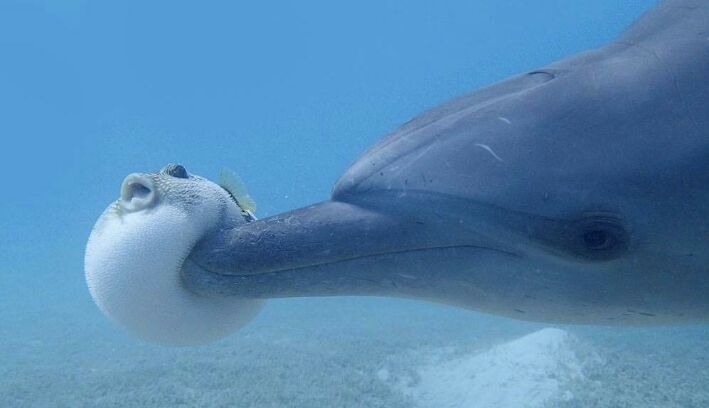
Navigating the Trend Without Losing Your Mind
So, how can you navigate this trend without getting caught up in the drama and misinformation that's swirling around the internet? First and foremost, it's essential to stay informed and do your research. Don't just take someone's word for it - look into the science behind dolphin behavior and learn about the complex social dynamics at play. By understanding the facts and figures, you'll be better equipped to separate fact from fiction and avoid getting swept up in the hype.
Another key thing to keep in mind is to be respectful of these amazing creatures and their habitats. Remember that dolphins are wild animals, not Disney characters or pets. They deserve our respect and admiration, but also our caution and awareness. By being mindful of our impact on the environment and the creatures that inhabit it, we can help to protect and preserve the natural world for future generations.
Of course, it's also important to keep things in perspective and not get too worked up about the trend. At the end of the day, it's just a viral sensation that will eventually pass. By staying calm and level-headed, you can avoid getting sucked into the vortex of internet drama and maintain your sanity in the face of all the noise and chaos.

Finally, it's worth considering the bigger picture and what this trend says about our culture and our relationship with the natural world. Are we using dolphins as a proxy for our own anxieties and fears about sex and violence? And what does this say about our values and priorities as a society? By exploring these deeper questions, we can gain a more nuanced understanding of the trend and its implications for our world.
Frequently Asked Questions
Are Dolphins Really Capable of Killing Sprees When Sexually Frustrated?
This is one of the most common questions surrounding the trend, and the answer is not a simple one. While it's true that dolphins are highly intelligent and social creatures, there's no conclusive evidence to suggest that they're capable of killing sprees when sexually frustrated. In fact, most experts agree that dolphins are not motivated by the same desires and impulses as humans, and that their behavior is shaped by a complex array of social and environmental factors.
That being said, it's also important to recognize that dolphins are wild animals, and as such, they're capable of unexpected and surprising behavior. While they might not be motivated by the same desires as humans, they're still capable of aggressive and violent behavior when the situation calls for it. So, while the idea of dolphin killing sprees might be exaggerated or distorted, it's also not entirely without basis in reality.

How Can I Learn More About Dolphin Behavior and Conservation?
If you're interested in learning more about dolphin behavior and conservation, there are many resources available to help you get started. One of the best places to begin is with reputable organizations like the National Geographic or the World Wildlife Fund, which offer a wealth of information on dolphin biology, ecology, and conservation. You can also follow experts and researchers on social media, who often share their insights and findings with the public.
Another great way to learn more about dolphins is to get involved in citizen science projects, which allow you to contribute to real-world research and conservation efforts. For example, you might participate in beach cleanups or marine conservation initiatives, which can help to protect and preserve dolphin habitats and populations. By taking action and getting involved, you can help to make a positive impact on the world and contribute to a better understanding of these amazing creatures.
What Does This Trend Say About Our Culture and Our Relationship with the Natural World?
This is perhaps the most profound and thought-provoking question surrounding the trend, and one that requires some serious reflection and consideration. On one level, the trend can be seen as a reflection of our fascination with the natural world and our desire to connect with and understand the creatures that inhabit it. However, it also reveals some deeper anxieties and fears about our place in the world and our relationship with the environment.
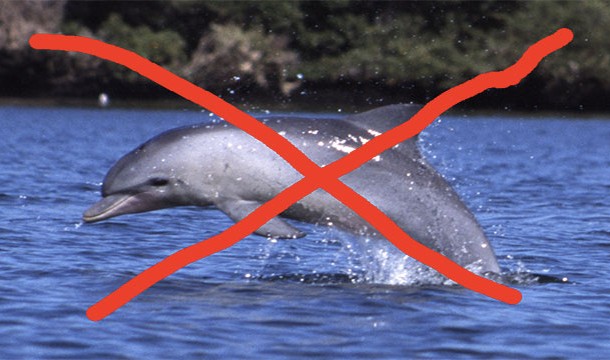
By exploring these deeper questions and themes, we can gain a more nuanced understanding of the trend and its implications for our world. We can also begin to see the connections and intersections between our culture, our values, and our relationship with the natural world. And by examining our own assumptions and biases, we can work towards a more informed and compassionate understanding of the world and our place within it.
So, is this trend a passing fad or a permanent change in our modern lifestyle? Only time will tell, but one thing is certain - the conversation surrounding dolphin behavior and conservation is here to stay. As we continue to explore and learn more about these amazing creatures, we'll also be forced to confront our own values and priorities as a society. And by examining our relationship with the natural world, we can work towards a more sustainable and compassionate future for all.
In the end, the trend might be just a trend, but the conversation it's sparked is real and important. By staying informed, getting involved, and examining our own assumptions and biases, we can help to protect and preserve the natural world for future generations. And who knows - we might just learn something about ourselves and our place in the world along the way.