
Concur Alternatives And Competitors
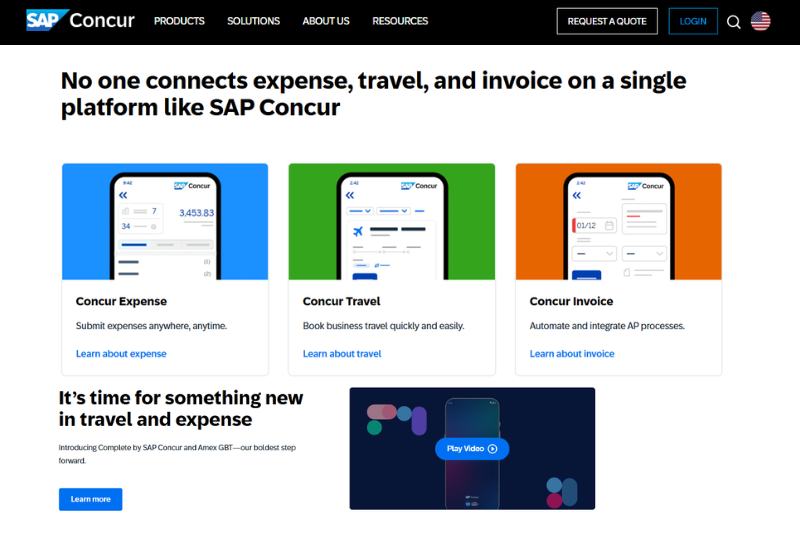
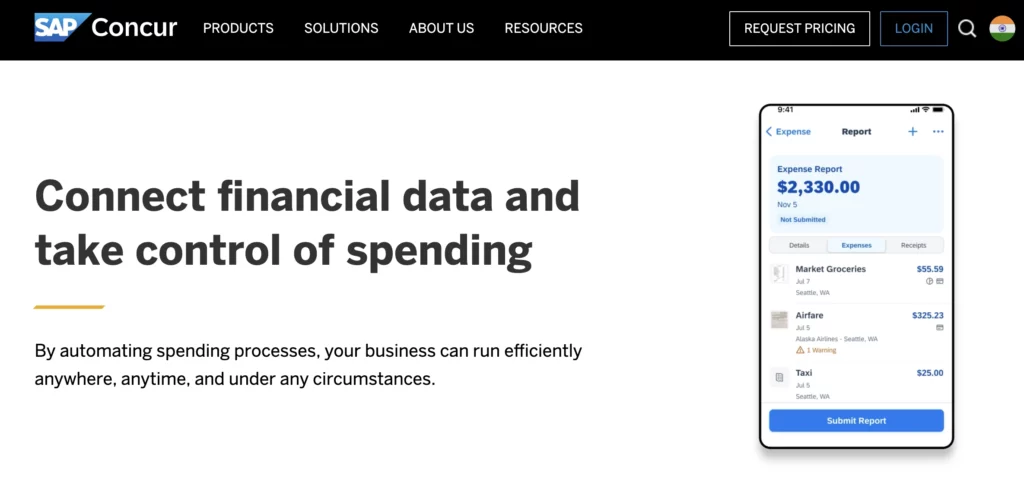
Let’s be honest—nobody wakes up excited to file an expense report. But if your company uses Concur, you know that the real headache isn’t the receipts; it’s the clunky interface and the confusing approval workflows. The good news? You have options, and exploring them can save you time, money, and a few grey hairs.
Whether you’re a freelancer tired of manual entry, a small business owner watching every dollar, or a team lead who just wants a smoother week, looking at Concur alternatives is genuinely useful. For beginners, modern tools feel like a breath of fresh air—think drag-and-drop receipts and automatic mileage tracking. For families managing shared trips or a side hustle, many options offer free tiers that turn chaos into simple, shared lists. And for hobbyists who plan club events or volunteer travel, these apps make reimbursement feel almost like a game.
One popular alternative is Expensify, which shines with its SmartScan—just snap a photo of a receipt, and it logs the details automatically. If you prefer a more integrated approach, Ramp combines expense management with corporate cards, giving you real-time spending alerts and effortless receipt matching. For the budget-conscious, Zoho Expense offers a robust free plan that’s perfect for small teams, while Freshbooks is fantastic if you also need invoicing and time tracking in one place.
Must Read
Here’s a fun variation: instead of chasing receipts, try a tool with virtual cards like Brex—each purchase generates its own digital receipt, so you never lose a slip again. Another twist is using a simple spreadsheet with a mobile scanner app for ultra-light needs, like a weekend camping trip fund. The point is, you aren’t stuck with the giant; you can pick a tool that matches your actual workflow, not the other way around.

Getting started is easier than you think. First, list your top three pain points with Concur—is it the mobile app, the approval delays, or the reporting? Next, sign up for free trials of two competing tools and enter just one week’s worth of expenses into each. Finally, involve your team or family in the test; their feedback will tell you which interface feels natural, not just which one looks good on paper.
A practical tip: check if your chosen alternative offers a direct import from your bank or credit card. This single feature kills 80% of manual work, and it’s often the reason people never look back. Also, don’t overlook customer support—try sending a quick question to each vendor’s chat before you commit; fast, friendly help is a huge win.

Switching tools might feel like a chore, but the payoff is real. You’ll reclaim hours each month, stop dreading the end-of-week reconciliation, and maybe even enjoy watching your spending trends in a clean dashboard. The value isn’t just in the software—it’s in the calm, clutter-free feeling that comes from a system that actually works for you.
So go ahead, give yourself permission to explore. Test a free trial over your morning coffee, and see how pleasantly different it feels to approve an expense with one tap instead of five. You might just wonder why you waited so long to break up with your old expense tool.
![Top 10 Best SAP Concur Alternatives & Competitors [2026]](https://blog.happay.com/wp-content/uploads/2022/10/top-sap-concur-alternatives-and-competitors.webp)
![Top 10 Best SAP Concur Alternatives & Competitors [2026]](https://happay.com/blog/wp-content/uploads/sites/12/2022/10/best-sap-concur-alternatives-and-competitors.png)
