Capital One Is A Good Credit Card

Ever feel like your wallet is full of confusing plastic promises? Credit cards can be intimidating, but some are genuinely designed to make your life easier, not more complicated. That’s where Capital One steps in, quietly becoming a favorite for everyone from college newbies to seasoned travelers. Let’s peek under the hood and see why so many people swear by this particular brand.
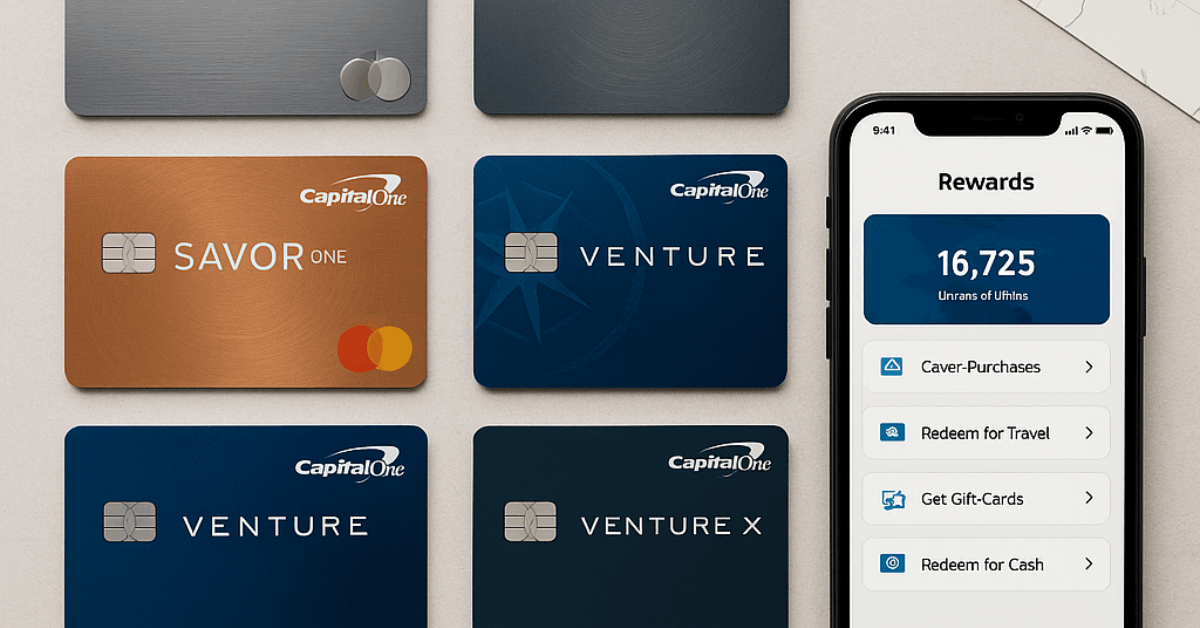
At its heart, a good credit card isn’t about magic; it’s about flexibility and rewards that actually fit your habits. Capital One’s main purpose is to offer a straightforward path to building credit while giving you cash back or travel points on things you already buy. Unlike some banks that hide fees in fine print, Capital One is known for transparent terms and a user-friendly app that shows your balance and payments in real time. The real benefit? You get a financial tool that feels less like a trap and more like a helpful sidekick.
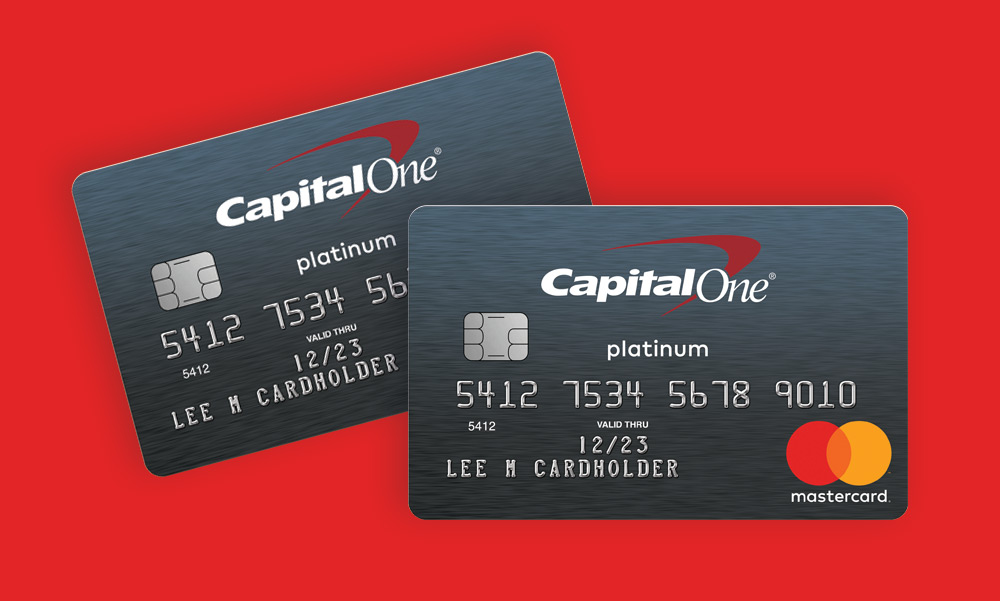
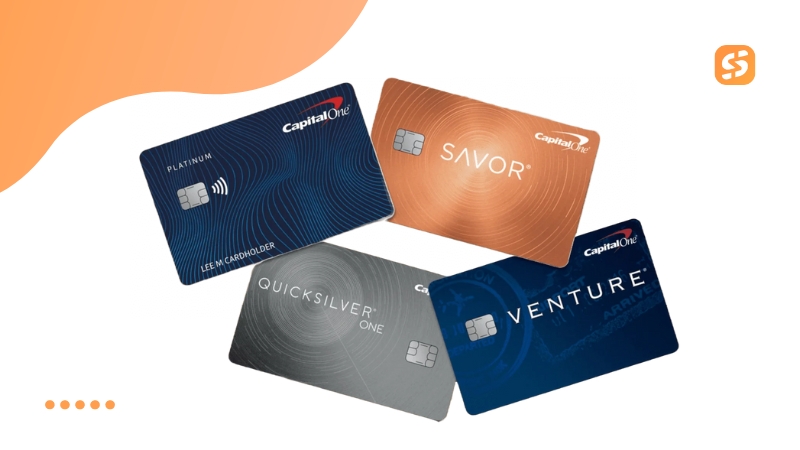
Imagine you’re a student buying textbooks and ramen every week. With a Capital One card like the Quicksilver, you’d earn 1.5% cash back on every single purchase—no categories to track, no headaches. That means a $200 textbook suddenly gives you $3 back, which might not sound huge, but it adds up to a free coffee every month. For daily life, think about groceries or gas: every swipe quietly builds a little piggy bank of points you can redeem for statement credits or gift cards. It’s like getting a tiny discount for simply buying things you need anyway.
Must Read
Beyond spending, Capital One shines in education—both for your wallet and your credit score. Their “CreditWise” tool lets you check your credit score for free, without hurting it, which is a fantastic way to learn how balances and payments affect your financial health. For a young adult, this turns a boring concept into a game of “what happens if I pay early?” You can also set up auto-pay so you never miss a due date, which is the single easiest way to build a stellar payment history. It’s practical education that doesn’t feel like a lecture.
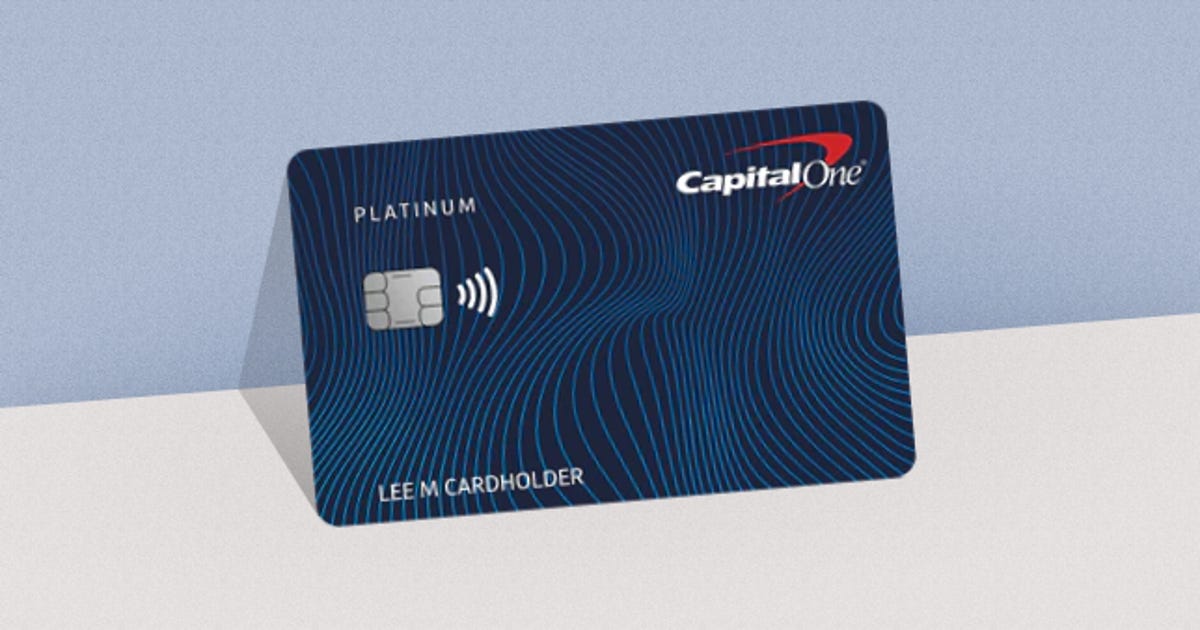
Now, how do you actually explore whether Capital One is right for you? First, use their pre-qualification tool on their website—it lets you see if you’re approved without a hard credit check. This is a zero-risk way to peek at your options, whether you prefer no annual fee or travel miles. Second, start small: use the card for one recurring bill, like your Netflix subscription, and pay it off fully each month. That simple habit builds a rhythm of discipline and shows you exactly how the rewards accrue without any stress.
Another fun trick is to pair the card with their mobile app’s “Eno” chatbot. Eno can answer questions like “How much did I spend on takeout this month?” or even alert you to suspicious charges. It’s like having a tiny financial assistant in your pocket, which makes exploring your spending patterns genuinely curious and interactive. You’ll start noticing patterns—like that daily latte habit—that you never saw before, and that awareness is the first step to smarter choices.

Is Capital One perfect? No card is, and you should always read the terms for interest rates if you carry a balance. But for the majority of responsible users, it’s a welcoming gate into the credit world, not a punishing maze. The key is to treat it as a tool, not a loan—pay your balance in full whenever possible, and the rewards become genuine perks. So next time you see that blue logo, you’ll know it’s not just plastic; it’s a gentle nudge toward financial confidence.
Give it a try with a small purchase this week—a coffee, a movie ticket—and watch how the app tracks it in real time. Before you know it, you’ll be checking your rewards like you check your social feeds. That’s the relaxed, curious spirit of finance: not fear, but playful control.