Does Everyone Have A Frenulum
The human body is home to numerous anatomical features, each serving a unique purpose. One such feature is the frenulum, a small fold of tissue that can be found in various parts of the body, including the mouth, penis, and clitoris. But have you ever wondered, does everyone have a frenulum? To answer this question, let's first explore what a frenulum is and its functions. A frenulum is a type of ligament that connects two parts of the body, providing stability and support. In the mouth, for example, the lingual frenulum connects the tongue to the floor of the mouth, while the labial frenulum connects the lips to the gums.
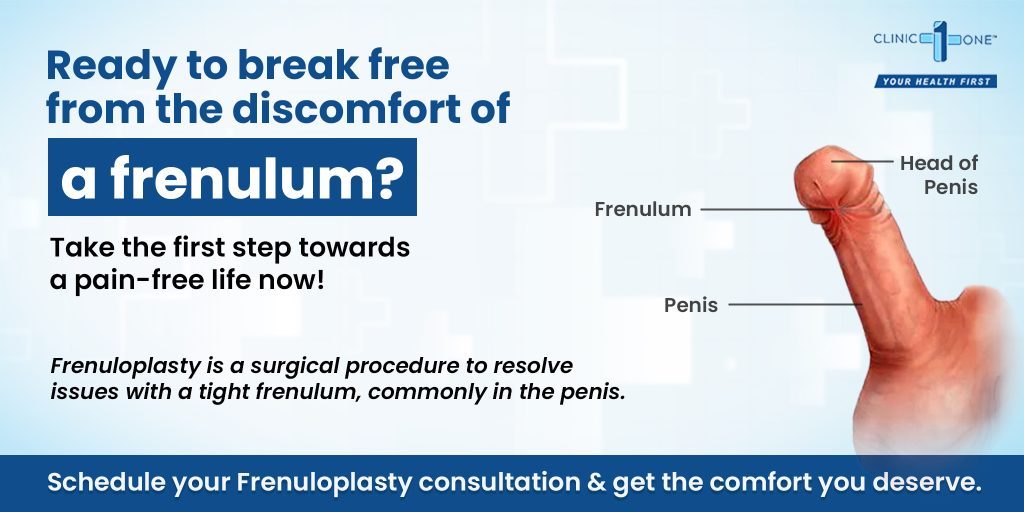
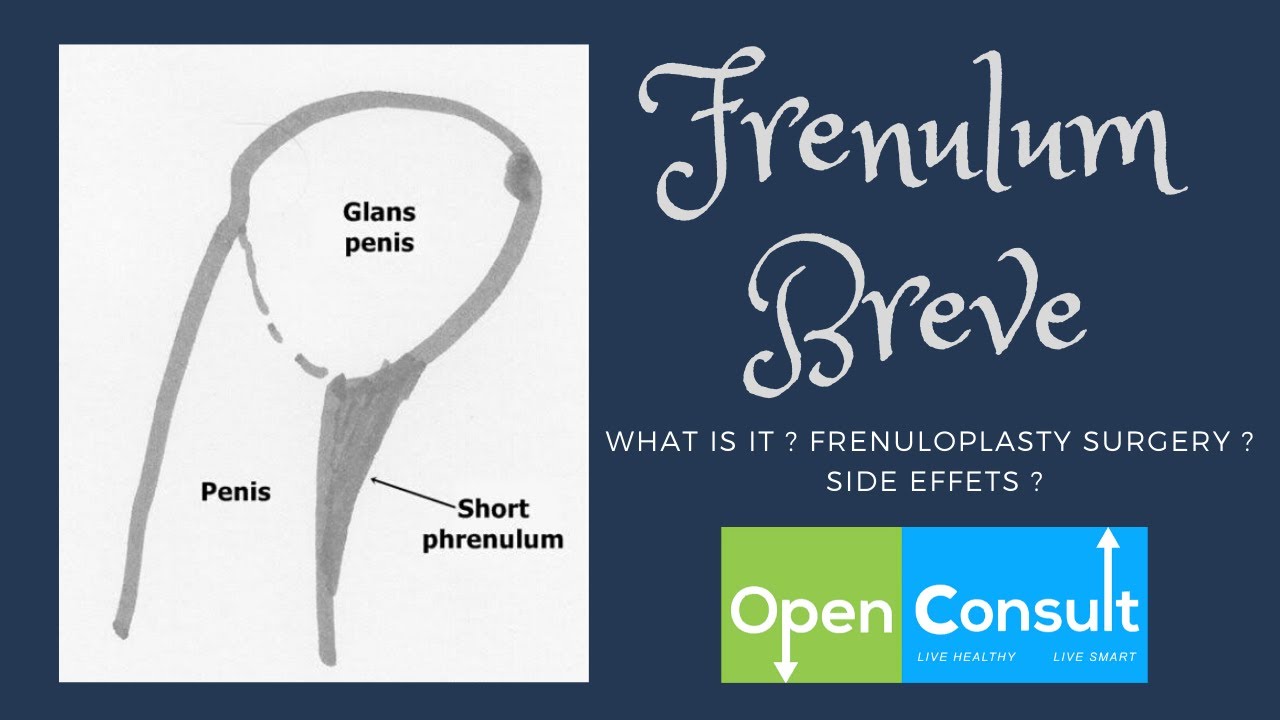
In addition to its functions in the mouth, the frenulum also plays a role in the reproductive system. In males, the penile frenulum is a small fold of tissue that connects the penis to the prepuce, or foreskin. Similarly, in females, the clitoral frenulum connects the clitoris to the labia minora. These frenulums help to maintain the integrity of the reproductive organs and facilitate erectile function and sexual arousal.
But what about individuals who are born without a frenulum or have a frenulum that is too short or too long? Can they still lead normal, healthy lives? The answer is yes. While the frenulum does play an important role in the body, its absence or abnormality does not necessarily preclude an individual from experiencing normal bodily functions. In fact, many people are born without a frenulum or have a frenulum that is not fully formed, and they are able to adapt and compensate for its absence.
Anatomical and Physiological Considerations
From an anatomical perspective, the frenulum is a relatively simple structure that is composed of connective tissue and fibrous proteins. However, its functions are complex and multifaceted, involving the coordination of muscles, nerves, and blood vessels. In the mouth, for example, the lingual frenulum helps to regulate speech and swallowing by controlling the movement of the tongue. Similarly, in the reproductive system, the penile and clitoral frenulums help to facilitate erection and lubrication by regulating blood flow and neurotransmitter release.
But the frenulum is not just a passive structure; it also plays an active role in maintaining the health and integrity of the surrounding tissues. For example, the labial frenulum helps to prevent the lips from becoming too mobile or prolapsed, while the penile frenulum helps to maintain the glans penis in its proper position. By understanding the complex relationships between the frenulum and surrounding tissues, we can better appreciate the importance of this often-overlooked structure.
Furthermore, research has shown that the frenulum is not just a static structure, but is also capable of remodeling and adaptation in response to changing conditions. For example, studies have shown that the lingual frenulum can become hypertrophied or atrophied in response to changes in oral motor function or nutritional status. By understanding these dynamic processes, we can develop more effective strategies for preventing and treating frenulum-related disorders.

Practical Strategies for Optimizing Frenulum Function
So, how can we optimize frenulum function and maintain overall health and well-being? One key strategy is to practice good oral hygiene and reproductive health. This includes brushing and flossing regularly, using probiotics and antimicrobial agents to maintain a healthy oral microbiome, and engaging in regular sexual activity to maintain reproductive function.
Another strategy is to engage in strengthening exercises that target the muscles of the mouth and reproductive system. For example, tongue strengthening exercises can help to improve speech and swallowing by increasing the strength and coordination of the lingual frenulum. Similarly, pelvic floor exercises can help to improve erectile function and urinary continence by strengthening the muscles of the perineum.
In addition to these strategies, it's also important to be mindful of lifestyle factors that can impact frenulum function, such as smoking, alcohol consumption, and sedentary behavior. By avoiding these factors and engaging in regular exercise and stress management, we can help to maintain optimal frenulum function and overall health.
Finally, it's also important to be aware of frenulum-related disorders and to seek medical attention if symptoms persist or worsen over time. For example, ankyloglossia or tongue-tie is a condition characterized by a short or tight lingual frenulum that can cause speech and swallowing difficulties. By seeking medical attention and receiving proper treatment, we can help to alleviate these symptoms and maintain optimal frenulum function.

Frequently Asked Questions
What is the normal length and appearance of the frenulum?
The normal length and appearance of the frenulum can vary depending on the individual and the specific location of the frenulum. In general, the lingual frenulum is typically around 1-2 cm in length, while the penile and clitoral frenulums are typically around 0.5-1 cm in length. In terms of appearance, the frenulum is typically a small, fold-like structure that is composed of connective tissue and fibrous proteins.
However, it's also important to note that the frenulum can vary in length and appearance from person to person, and that some individuals may be born with a frenulum that is too short or too long. In these cases, it's often necessary to seek medical attention to determine the best course of treatment. By understanding the normal length and appearance of the frenulum, we can better appreciate the importance of this structure and take steps to maintain its health and integrity.
Can I stretch or lengthen my frenulum to improve its function?
While it is possible to stretch or lengthen the frenulum through exercise and manipulation, it's also important to be aware of the potential risks and complications associated with these procedures. For example, over-stretching or trauma to the frenulum can cause pain, inflammation, and scarring, which can further compromise its function.
Therefore, it's generally recommended to seek medical attention before attempting to stretch or lengthen the frenulum. A qualified healthcare professional can help to determine the best course of treatment and provide guidance on how to safely and effectively stretch or lengthen the frenulum. By taking a cautious and informed approach, we can help to optimize frenulum function and maintain overall health and well-being.

How can I prevent frenulum-related disorders and maintain optimal frenulum function?
Preventing frenulum-related disorders and maintaining optimal frenulum function requires a combination of good oral hygiene, reproductive health, and
In addition to these strategies, it's also important to be mindful of lifestyle factors that can impact frenulum function, such as smoking, alcohol consumption, and sedentary behavior. By avoiding these factors and engaging in regular exercise and stress management, we can help to maintain optimal frenulum function and overall health.
Can frenulum-related disorders be treated with surgery or other medical interventions?
In some cases, frenulum-related disorders may require surgical or other medical interventions to treat. For example, ankyloglossia or tongue-tie may require a frenulotomy or frenulectomy to release the tight or short lingual frenulum. Similarly, penile or clitoral frenulum disorders may require surgical revision or other medical interventions to restore normal function.
However, it's also important to note that surgical or medical interventions should only be considered after other treatment options have been explored and failed. In addition, it's essential to seek medical attention from a qualified healthcare professional who has experience in treating frenulum-related disorders. By taking a comprehensive and informed approach, we can help to optimize frenulum function and maintain overall health and well-being.

Are there any alternative or complementary therapies that can help to optimize frenulum function?
In addition to conventional medical treatments, there are also several alternative and complementary therapies that can help to optimize frenulum function. For example, acupuncture, massage therapy, and physical therapy may help to improve blood flow, nerve function, and muscle relaxation, which can in turn help to optimize frenulum function.
Other alternative and complementary therapies, such as herbal supplements and nutritional therapies, may also help to support frenulum health and function. However, it's essential to consult with a qualified healthcare professional before using any alternative or complementary therapies, as they may interact with conventional medical treatments or have unintended side effects. By taking a comprehensive and informed approach, we can help to optimize frenulum function and maintain overall health and well-being.
By respecting the science behind the frenulum and taking steps to optimize its function, we can become better, more efficient humans. The frenulum is a complex and multifaceted structure that plays a critical role in maintaining the health and integrity of the surrounding tissues. By understanding its functions and taking steps to support its health, we can help to prevent frenulum-related disorders and maintain optimal overall health.
In conclusion, the frenulum is an often-overlooked but critical structure that plays a vital role in maintaining the health and integrity of the surrounding tissues. By respecting the science behind the frenulum and taking steps to optimize its function, we can become better, more efficient humans. Whether through good oral hygiene, reproductive health, and lifestyle habits, or through alternative and complementary therapies, there are many ways to support frenulum health and function. By taking a comprehensive and informed approach, we can help to optimize frenulum function and maintain overall health and well-being.