Can You Go To The Army With A Ged

So, you’ve got your GED and you’re wondering if the Army will take you. The short answer is a resounding yes—and it’s a path millions have taken before you. This isn’t a loophole or a backup plan; it’s a legitimate, respected route into one of the world’s most demanding institutions.
Why This Matters More Than You Think
Every year, thousands of people with a GED enlist, and many go on to become sergeants, officers, and elite special forces. The Army doesn’t see your GED as “less than” a diploma—they see it as proof you can finish what you start. What matters most is not the paper itself, but the drive behind it.
In fact, the military values grit and resilience over the exact way you earned your education. If you’re ready to work hard, the door is wide open.
Must Read
The Real Requirement: It’s Not Just the GED
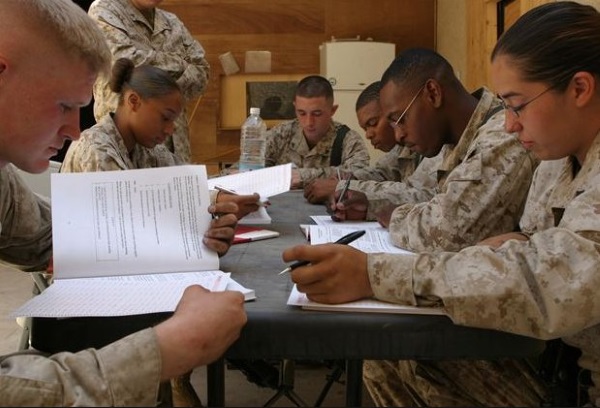
To join with a GED, you must also score a 50 or higher on the Armed Forces Qualification Test (AFQT), which is part of the ASVAB. This score is higher than the 31 required for high school diploma holders, so you’ll need to study a bit harder. But hey, you’ve already proven you can handle a challenge—this is just one more.
“A GED is not a stop sign; it’s a launching pad. The Army looks at your potential, not your past.” — Retired Sgt. First Class Marcus Reed
Think of it this way: the Army wants people who are motivated, and acing the ASVAB with a GED shows serious commitment. You’ll also need to pass a physical fitness test, a medical exam, and a background check—same as everyone else.

The “Tier” System: Why Your GED Puts You in a Special Category
The military classifies recruits into Tier 1 (high school diploma) and Tier 2 (GED holders). Only about 10% of enlistments can be Tier 2, so spots are competitive—but they exist every single month. If you’re flexible on your job choice and willing to wait a few weeks, you can absolutely land a slot.
One smart move is to earn 15 college credits before enlisting, which automatically bumps you to Tier 1 status. That’s just one semester of community college, and it removes all the red tape. You can also earn those credits through free online courses while you’re still deciding.
Benefits That Go Way Beyond a Paycheck
Joining with a GED isn’t just about getting in—it’s about what you get after. The Army offers full tuition assistance, the GI Bill for free college, and paid technical training in fields like cyber, aviation, and medicine. Many soldiers with GEDs later earn associate’s, bachelor’s, and even master’s degrees—all on Uncle Sam’s dime.

You also gain leadership experience, a lifelong network, and health insurance for life after service. Not bad for a piece of paper that some folks once told you was a dead end, right?
Real Talk: What Recruiters Won’t Tell You
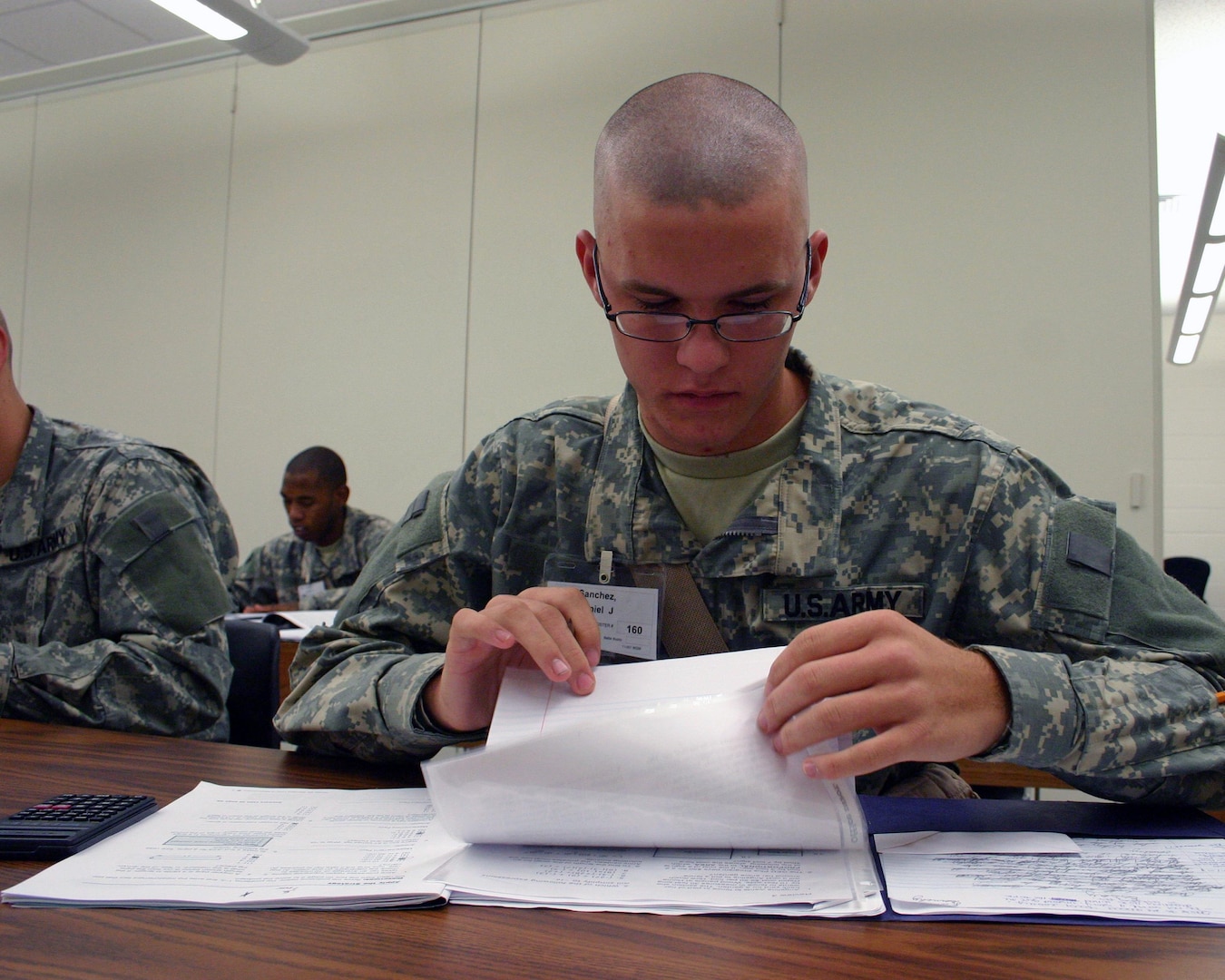
The biggest mistake GED holders make is not studying for the ASVAB. This test determines your job options, and scoring low can lock you out of cool roles like military intelligence or explosive ordnance disposal. Download a free ASVAB prep app, take practice tests, and focus on math and reading comprehension.
Another tip: if you’re over 17 and under 35, you’re in the age zone—but passing the medical exam is often the slowest hurdle. Be honest about any past prescriptions or surgeries, but don’t self-disqualify. Waivers are available for many conditions, including ADHD and minor vision issues.
Your Next Step Is Simple
Walk into a local recruiting station and say three words: “I want in.” They’ll give you the ASVAB practice test on the spot, and from there, you’ll have a clear roadmap. You don’t need to be a genius or a gym rat—you need to be determined.
The GED is not a ceiling; it’s a doorway. And the Army isn’t looking for perfect people—it’s looking for people who refuse to quit. That might just be you.