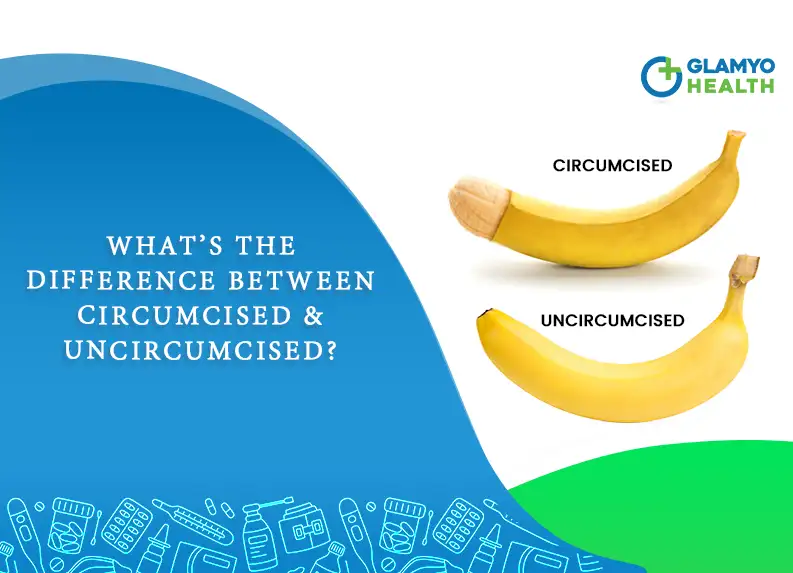
Is Not Being Circumcised Bad

The debate about circumcision has been a longstanding one, with some people believing that not being circumcised is bad for one's health and hygiene. However, this notion is not entirely accurate, and it's essential to explore the facts and benefits of not being circumcised. By doing so, we can make informed decisions and debunk any myths surrounding this topic.
A key aspect to consider is that the World Health Organization (WHO) states that male circumcision can reduce the risk of acquiring HIV and other sexually transmitted infections (STIs). Nevertheless, it's crucial to note that this is not the only factor at play, and safe sex practices and hygiene are equally, if not more, important in preventing the spread of diseases. Furthermore, not being circumcised does not necessarily mean that one is more prone to infections.
Benefits of Not Being Circumcised
One of the primary benefits of not being circumcised is that the foreskin provides protection to the glans, keeping it moist and sensitive. This, in turn, can enhance sexual pleasure and intimacy. Additionally, the foreskin contains a high concentration of nerve endings, which can increase sensitivity and responsiveness during sexual activity.
Must Read
It's essential to recognize that the decision to be circumcised or not is a personal one, and it should be based on individual preferences and needs.Rather than stigmatizing or judging those who are not circumcised, we should focus on promoting education and awareness about the benefits and risks associated with circumcision. By doing so, we can foster a more inclusive and supportive environment for individuals to make informed choices about their bodies.

From a medical perspective, not being circumcised can also have its advantages. For instance, the foreskin helps to prevent the glans from becoming dry and irritated, which can reduce the risk of penile cancer and other related conditions. Moreover, the foreskin contains antimicrobial peptides that can help to combat bacterial infections and other pathogens.
In terms of hygiene, it's often assumed that not being circumcised can lead to poor genital health. However, this is not necessarily the case, as long as one practices good hygiene habits, such as regularly washing the genital area with mild soap and water. It's also essential to note that smegma, a substance that can accumulate under the foreskin, is not unique to uncircumcised individuals and can be easily managed with proper hygiene.

Conclusion
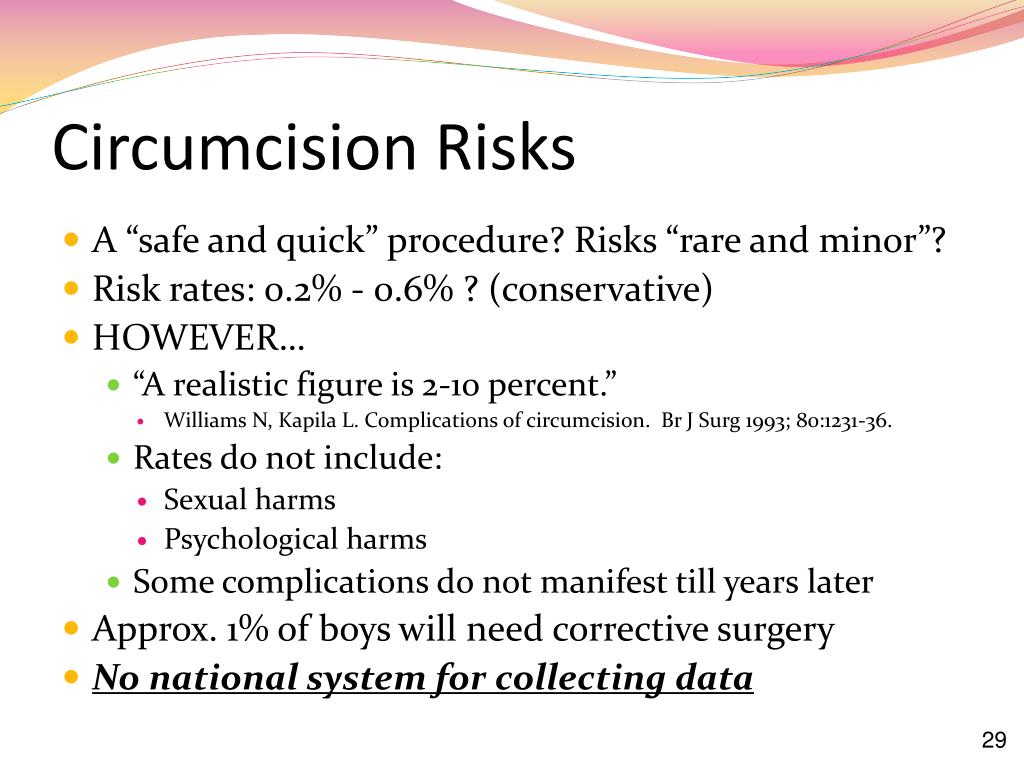
In conclusion, not being circumcised is not inherently bad or detrimental to one's health. Rather, it's essential to consider the individual benefits and risks associated with circumcision and make informed decisions based on personal preferences and needs. By promoting education and awareness, we can work towards a more inclusive and supportive environment that values diversity and individuality.
As we continue to explore and discuss this topic, it's crucial to remember that respect and understanding are key. By embracing our differences and promoting open communication, we can foster a more positive and supportive community that values health, wellness, and individuality. Ultimately, the decision to be circumcised or not is a personal one, and it's essential to prioritize education, awareness, and respect in our discussions and interactions.