Cal Poly Architecture Study Abroad
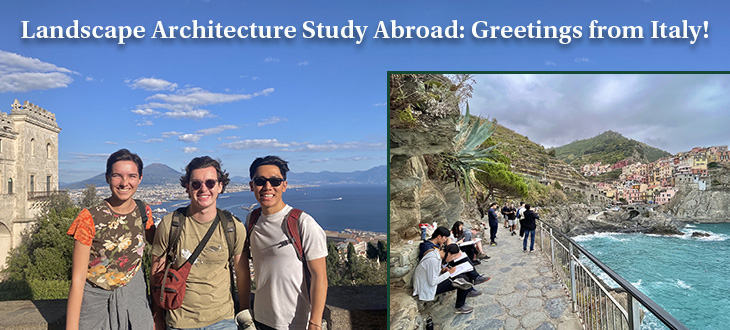
Imagine trading the rolling hills of San Luis Obispo for the jagged skyline of Barcelona, or the acoustic warmth of a studio critique for the echo of footsteps in a Roman piazza. That’s the reality for Cal Poly architecture students who take the leap into the college’s study abroad program. It’s not just a semester away; it’s a full-immersion crash course in how the world builds, dwells, and dreams.
Let’s be real—the architecture program at Cal Poly is famously rigorous. The “learn by doing” ethos doesn’t take a vacation, even when you’re 6,000 miles from home. But here’s the secret: studying abroad isn’t the easy version; it’s the expanded version, where the city becomes your studio and every cobblestone is a lesson.
The Classroom Has No Walls
Unlike the controlled environment of the SLO campus, an overseas studio throws you into the deep end of urban complexity. You’re not just looking at slides of Gaudí’s Sagrada Família; you’re sketching it from the park bench across the street, feeling the sun hit the stone. That visceral connection changes how you think about materiality and light—you start to feel why a building works, not just know it on paper.
Must Read
The program typically partners with established schools in hubs like Florence, Copenhagen, or Tokyo, offering studios that respond directly to local context. One week you’re analyzing the structural logic of a medieval timber frame; the next, you’re proposing a mixed-use intervention for a neglected waterfront. It’s intense, but it’s the kind of intensity that makes you forget you’re “studying” at all.
Pro tip? Don’t just live near the monuments. Get an apartment in a working-class neighborhood, learn the bus system, and find the bakery that opens at 6 AM. That’s where the real architectural program—the one about daily life—lives.

Field Trips That Put Yours to Shame
Remember that awkward bus ride to see a concrete parking structure in Sacramento? Yeah, that’s not this. Imagine a Thursday field trip that involves taking a high-speed train to Venice for a biennale, or a weekend assignment that’s just “go spend three hours in the Prado and draw what scares you.”
These trips are curated chaos—often optional, always recommended. You’ll find yourself standing in a Mies van der Rohe pavilion, and the professor will casually drop a fact about the travertine that makes your brain explode. It’s the difference between reading about architectural history on a screen and arguing about it over a cheap espresso with your studio mates.
Survival & Style: Pack Like an Architect
Forget the bulky drafting boards—those stay home. Your digital kit is your lifeline: a good tablet, a lightweight laptop, and a physical sketchbook that you’ll fill with dirty, honest drawings. The best thing you can pack is a humble attitude; you’re not there to “fix” their city, but to listen to it.
Here’s a practical nugget: always have a backup coffee spot with WiFi that isn’t your studio. When you’re deep in a charrette and the on-site espresso machine breaks, you’ll need a sanctuary. And learn a few local phrases beyond “hello”—saying “thanks for your patience” in the local language will get you out of more jams than any CAD shortcut.
Money tip: European supermarkets are your best friend. Cooking a quick risotto at home saves you money for the things that actually matter—like that last-minute Ryanair flight to see the Alhambra on a Tuesday. Budget for travel, not for restaurants, and you’ll end the semester richer in memories and not just ramen.

The Luxury of Being Lost
The technical stuff—the detailing, the zoning laws, the BIM modeling—that all comes back to haunt you eventually. But what you really take home is a new sense of orientation. You learn to read a city by its thresholds, its public squares, and its quiet corners.
It’s a reminder that architecture is ultimately about creating stages for life, not just objects. When you return to SLO, you’ll see the Mission perfectly, but you’ll also notice how the tacos cart on Higuera Street creates a sense of place that a five-star pavilion couldn’t replicate.
Bringing It Home
After the semester, you don’t just have a passport full of stamps; you have a new baseline for what “good” design feels like. The biggest lesson, though, isn’t about buildings at all. It’s about the rhythm of slow observation—taking fifteen minutes to watch how shadows move across a facade, or how people claim a street corner for a chat.
That’s the secret sauce you bring back to your desk, to your future firm, and even to your morning commute. You start to notice the beauty in the mundane—the way your landlord’s porch is perfectly aligned with the sunset, or how a simple window seat becomes a tiny sanctuary.
So go. Take the leap, get the stamp, and let the world be your co-teacher. Your Cal Poly ID card might say “Architecture,” but your brain will say “Citizen of the Built World.” And honestly, the best building you’ll ever design is the one that frames a life worth living—yours, right now, wherever that happens to be.