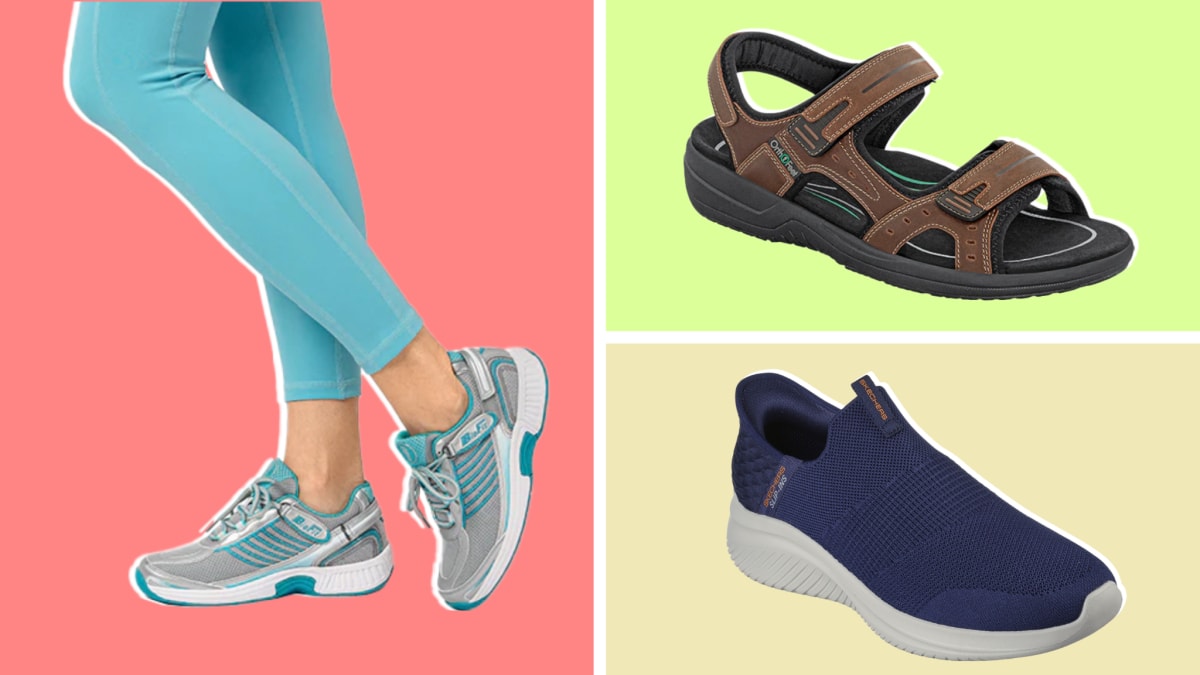
Best Walking Sneakers For Neuropathy

Let’s be honest—when you’re dealing with neuropathy, “walking” can feel less like a breezy stroll and more like a negotiation with your own feet. You know the drill: that pins-and-needles tingle, the numbness, or that weird “walking on marbles” sensation that makes you glance down to check for rogue pebbles. But here’s the secret nobody tells you: the right pair of sneakers can turn the volume down on all that noise and actually make you want to move again. And yes, we’re going to talk about shoes, but we’re really talking about getting your life back—one comfy step at a time.
Why Your Current Sneakers Are Fighting Against You
If your go-to shoes have a thin, flimsy sole, they’re basically just glorified socks with laces. For neuropathy, that’s a double whammy: every little crack in the sidewalk sends a shockwave right up to your nerve endings, and there’s zero cushion to absorb the pressure. Think of your feet as the foundation of a house—if the foundation is rattling, the whole house complains.
So, you need what podiatrists lovingly call a “rocker bottom” sole. It sounds like a 1950s dance move, but it’s genius: the sole is curved at the toe, so your foot rolls forward smoothly instead of bending and straining. It’s like having a built-in cruise control for your stride, and it dramatically reduces the painful “toe-off” phase that aggravates neuropathic pain. Who knew geometry could be so soothing?
Must Read
The Holy Trinity: Cushion, Room, and Zero Drop
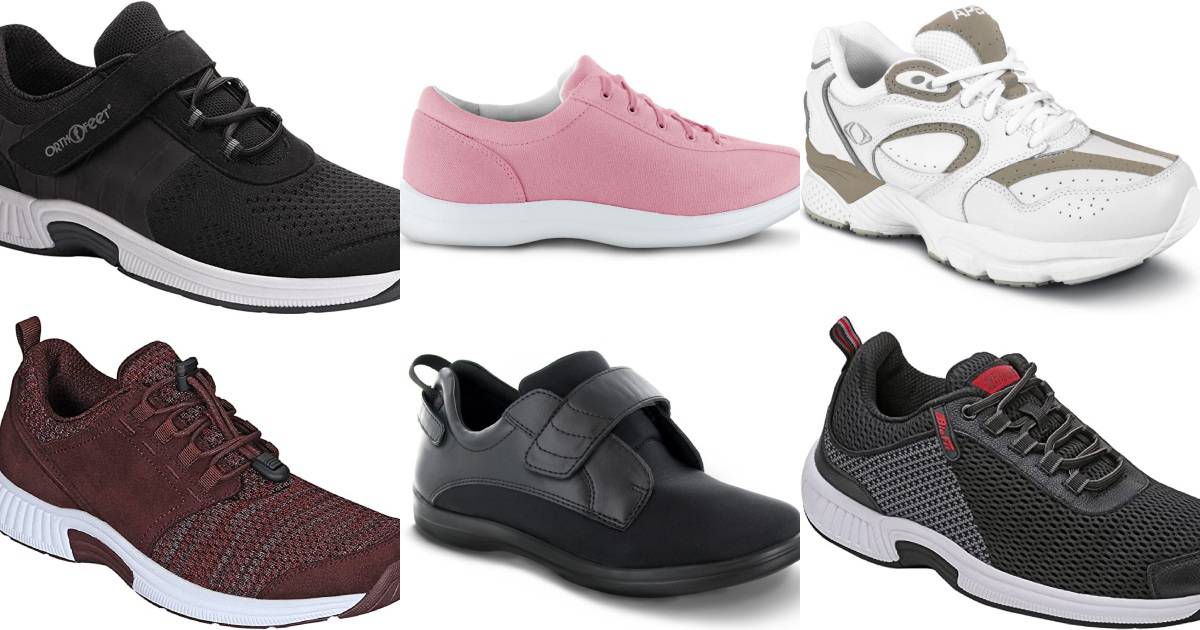
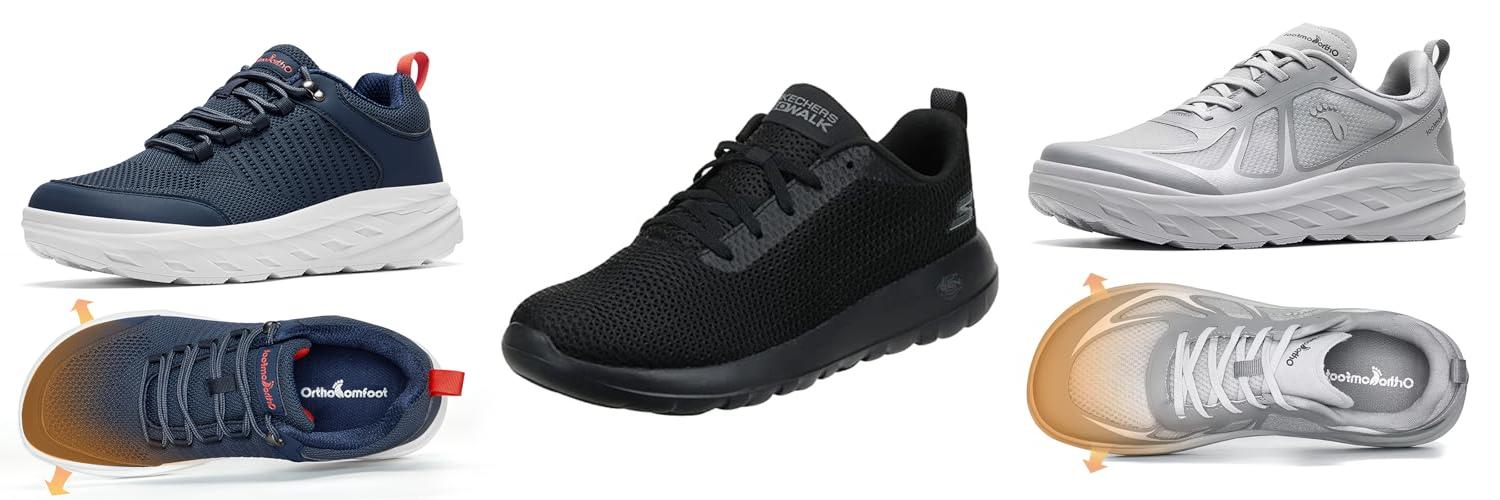
Here’s your cheat sheet for the perfect pair. First: maximum cushioned midsole—we’re talking marshmallow-level plushness, like Hoka or Skechers Max Cushion. That squish absorbs shock before it ever reaches your sensitive nerves. Second: a wide toe box—your toes should be able to wiggle like they’re waving hello to freedom, not squished into a pointy prison. Neuropathy often causes swelling, and tight shoes just make that tingle worse.
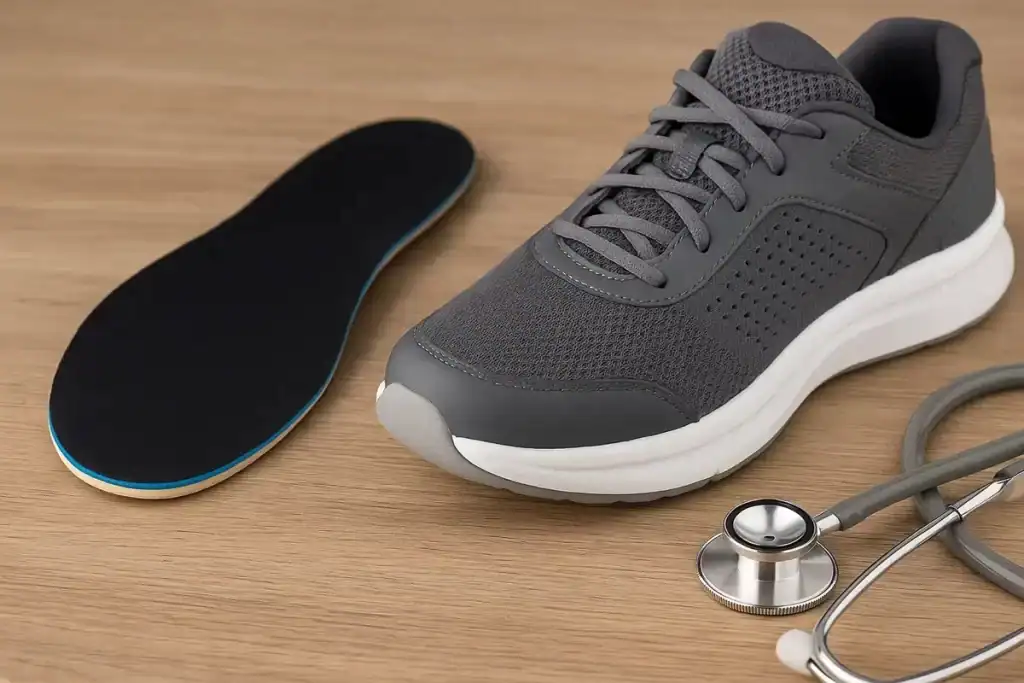
Third: zero or low drop (heel-to-toe height differential). A high heel (even a tiny one) puts pressure on the ball of your foot, which is often ground zero for neuropathic pain. A flat, level footbed spreads your weight evenly, so no single spot has to take the hit. Trust me, your feet will send you a thank-you note.
Don’t Forget the “Wiggle Test”
Before you buy, do this quick test in the store: slip the sneaker on, lace it up, and then try to wiggle all ten toes. If you feel even a hint of a squeeze, walk away. Also, look for seamless interiors—no internal seams or ridges that can rub against numb skin and cause blisters you won’t feel until later. And always buy a half-size bigger in the afternoon, because feet swell as the day goes on. It’s a pro move.
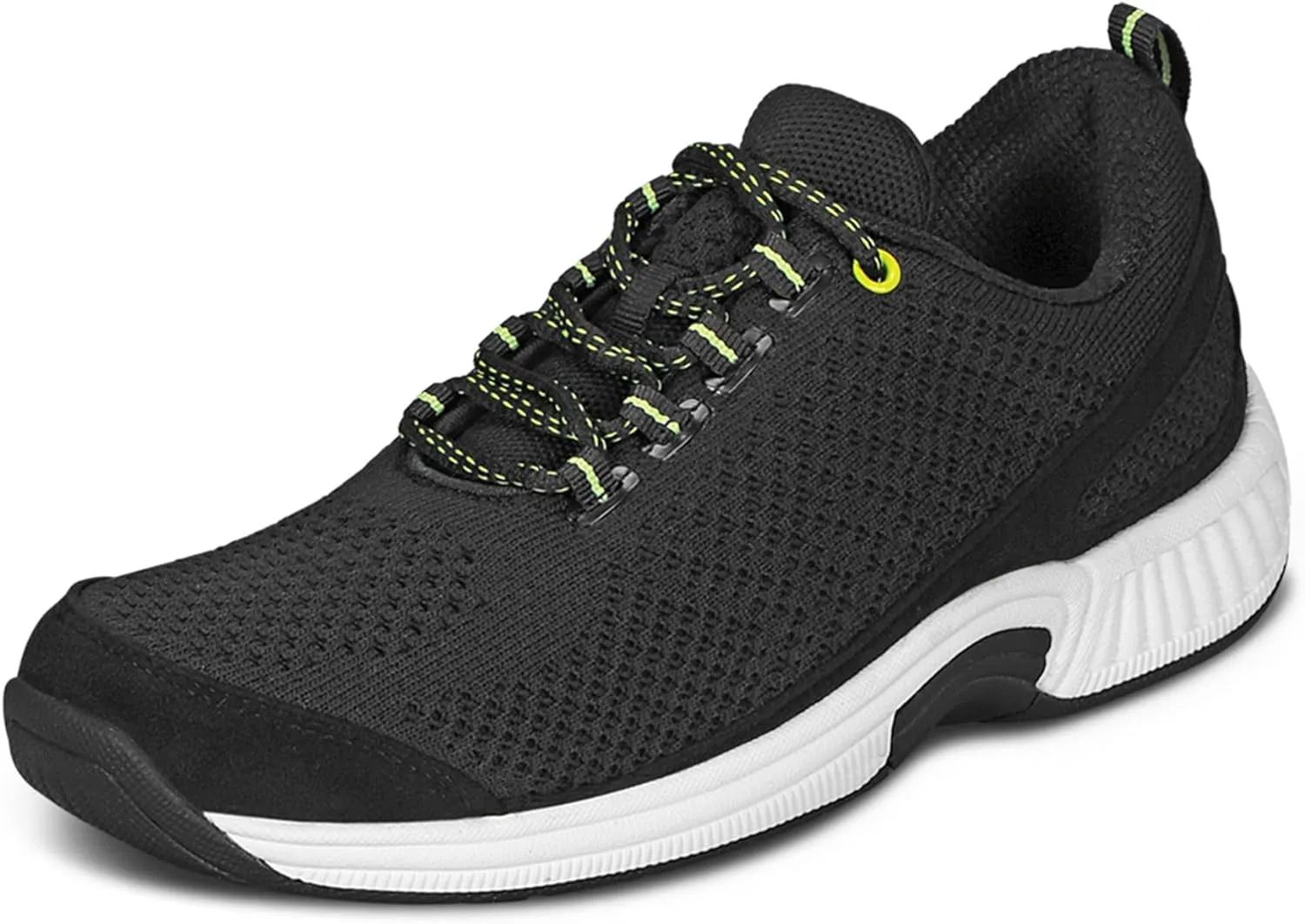
Now, you might think this sounds like a boring list of specs. But here’s the fun part—when you get this right, walking becomes play again. You’ll catch yourself taking the long way around the grocery store, or agreeing to a spontaneous walk with a friend without doing the “mental math” of pain. You’ll notice the sunset, the dog sniffing the hydrangeas, the weird cloud that looks like a dinosaur—because your brain is no longer screaming about your feet.
So go ahead, treat yourself to a pair that feels like a gentle hug for your soles. You’re not just buying shoes; you’re buying the freedom to wander, to explore, to say “yes” to that trail you’ve been avoiding. The world is full of interesting sidewalks, and your feet deserve a first-class ticket to see them. Take the first step—your future, pain-free strolls are waiting.