Best Study Material For Network+ Exam
So, you’ve decided to tackle the CompTIA Network+ exam. That’s a fantastic career move, but let’s be honest—the sheer amount of study material out there can feel like drinking from a fire hose. Don’t worry, though; finding the right resources is like picking the perfect playlist for a road trip—it makes the whole journey enjoyable. With the right guides, you’ll not only pass the test but actually understand how networks talk to each other, which is a superpower in IT.
Start with the Official CompTIA Study Guide
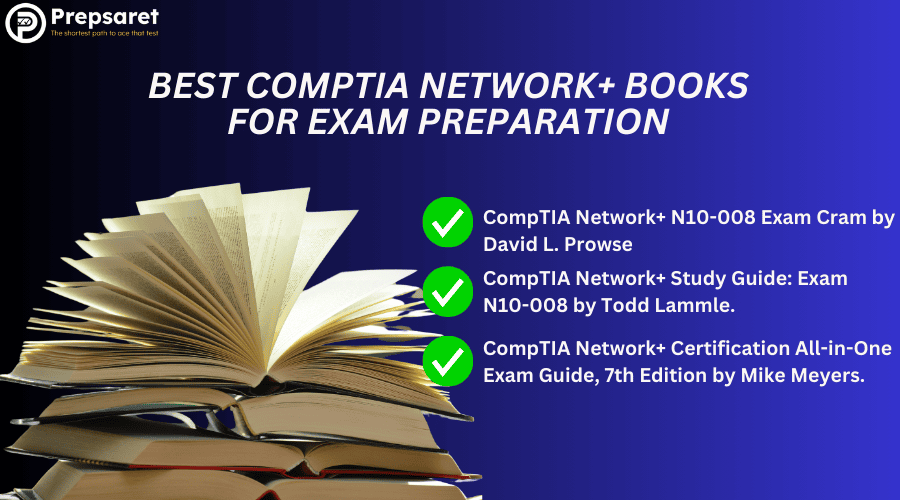
Your first port of call should always be the Official CompTIA Network+ Study Guide (N10-009). This book is your roadmap because it’s written by the people who create the exam itself. It covers every single objective in plain English, complete with diagrams and real-world examples. You’ll find it’s a bit dense, but it’s the most reliable source for 100% accurate information.
Don’t just read it once; treat it like a reference manual. Read a chapter, then go build a small home lab or use a simulator to test the concepts. The book’s end-of-chapter review questions are golden for checking your memory before moving forward.
Must Read
Interactive Video Courses for Visual Learners
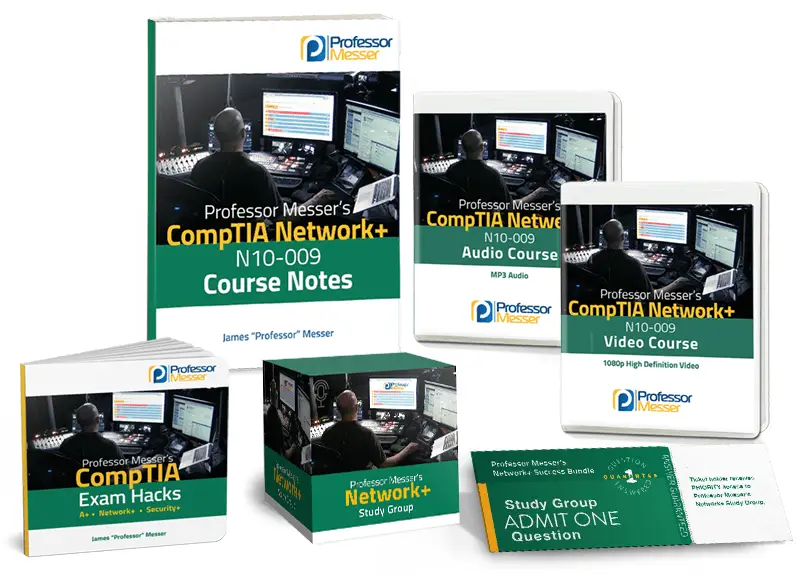
If reading 800 pages makes your eyes glaze over, you need Professor Messer’s free Network+ videos or a subscription to Udemy’s Network+ course by Jason Dion. These guys are rock stars in the IT certification world because they break complex topics like subnetting and VLANs into bite-sized, animated lessons. You can watch them on your lunch break or while commuting, which makes studying feel way less like a chore.
Professor Messer’s course is completely free and aligns perfectly with the exam objectives. Meanwhile, Jason Dion’s course is fantastic for his “exam tips” and memory tricks that stick in your brain. Pair one of these video series with a notebook, and you’ll have a powerful learning combo.
Practice Exams: Your Secret Weapon
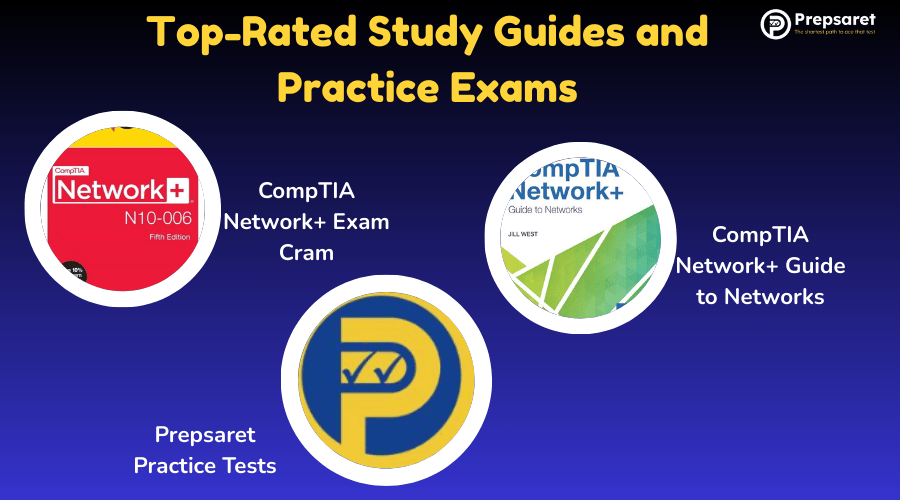
Here’s a hard truth: you cannot pass the Network+ exam without doing practice tests. The real test is full of tricky, scenario-based questions that aren’t straight from a textbook. That’s why you need dedicated practice exam banks, such as the ones from Boson ExSim or Jason Dion’s practice tests on Udemy.
These questions mimic the exact format, difficulty, and phrasing of the real thing. They provide detailed explanations for both correct and incorrect answers, so you learn why you got something wrong. Aim to score 85% or higher on these before you schedule your real exam—that’s the benchmark for a solid pass.
“A failed practice test is just a list of topics you need to review. It’s a gift, not a punishment.”
The Power of Flashcards and Mobile Apps
When you’re on the go, nothing beats a good flashcard app. Try Anki or a pre-made set from Quizlet to memorize port numbers, cable types, and wireless standards. Repetition is the mother of memory, and these tools make it easy to drill facts into your head in five-minute bursts.

You can also grab a mobile app like Network+ Pocket Prep for quick daily quizzes. The goal is to keep your brain in “network mode” every single day, even if it’s just for a short time. This daily exposure is way more effective than cramming all weekend.
Don’t Forget Hands-On Labs
The best study material is a real network, even if it’s virtual. Use Packet Tracer (free from Cisco) or GNS3 to build your own routers and switches. You don’t need expensive hardware to understand routing protocols or configure a VLAN.

Follow along with a YouTube lab series, or buy a book like “Network Warrior” for extra depth. Actually typing commands and watching packets move will cement concepts better than any video ever could. This practical experience is what separates a certified technician from a paper tiger.
Finally, Simulate the Real Exam Day
Once you feel confident, take a full-length practice exam from CompTIA’s official CertMaster Practice package. This platform integrates with the exam objectives and predicts your readiness with a custom score. It costs a bit extra, but it gives you the closest experience to the actual Pearson VUE test center.
Remember the biggest tip: schedule your exam first, then build your study plan backward. This creates healthy pressure and stops you from endlessly hoarding PDFs and videos. Stick to a small set of high-quality resources, and you’ll walk into that test room with a smile.