Best Food For Toy Australian Shepherd
Ever looked at a Toy Australian Shepherd and wondered what fuels that tiny, turbo-charged brain? These little dynamos pack the energy of a full-sized herder into a ten-inch frame, which means their diet is a big deal. Figuring out the best food for them isn't just about filling a bowl; it’s about matching their unique metabolism and preventing long-term health issues.
The main purpose of a specialized diet is to support their high energy levels while keeping their joints and heart healthy. Because they are so small, they burn through calories quickly, but they also have a higher risk of conditions like hip dysplasia and certain eye problems. The right food provides a balanced ratio of proteins and fats to sustain their playful zoomies without causing unhealthy weight gain.
Think of it as choosing between a sports car and a sedan—both run on fuel, but one needs premium. A Toy Aussie needs a diet rich in animal-based proteins like chicken, fish, or lamb to maintain their lean muscle mass. It’s also crucial to include omega-3 fatty acids from fish oil, which support their brain function and keep their coat shiny enough to win a grooming contest.
Must Read
In daily life, this knowledge changes how you read a pet food label. Instead of grabbing any bag with a cute dog on it, you’ll start looking for a guaranteed analysis that lists between 22% and 26% protein. You’ll also want to check for DHA, which is a form of omega-3 that has been shown to improve cognitive development in pups—perfect for teaching them new tricks.
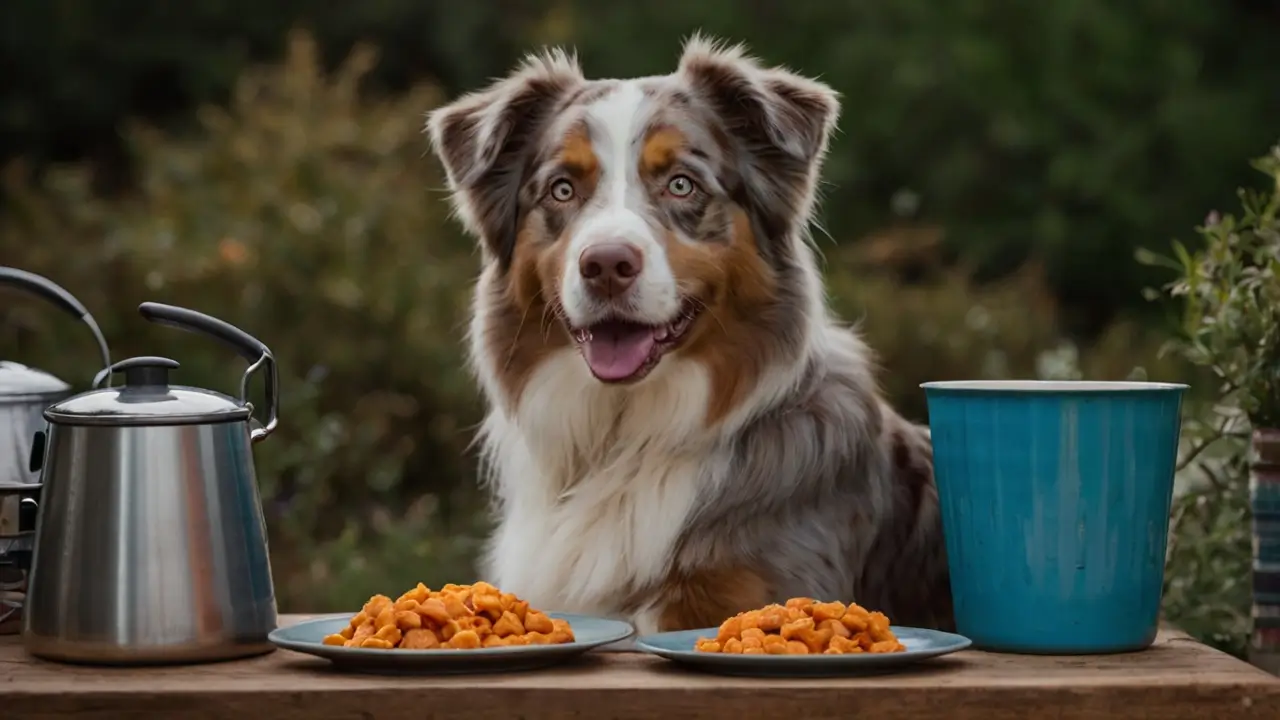
For a practical example, consider a busy morning routine. You feed your Toy Aussie a small, portion-controlled meal of a high-quality kibble mixed with a little warm water to help release the aromas. That small ritual not only satisfies their hunger but also sets the stage for better focus during a short training session, making your bond stronger.

Now, let’s talk about portion control—this is where many owners go wrong. These dogs are notorious for having hearty appetites, but they also have tiny stomachs, so two small meals a day are better than one big one. A good rule of thumb is to follow the feeding guide on the bag, but then adjust by 10% based on their activity level and body condition.
One simple way to explore this is by starting a food journal for your dog. Note their energy levels, stool quality, and coat texture for two weeks after switching foods. You’ll be surprised how quickly they respond to better ingredients—like a sudden burst of mental clarity during playtime.
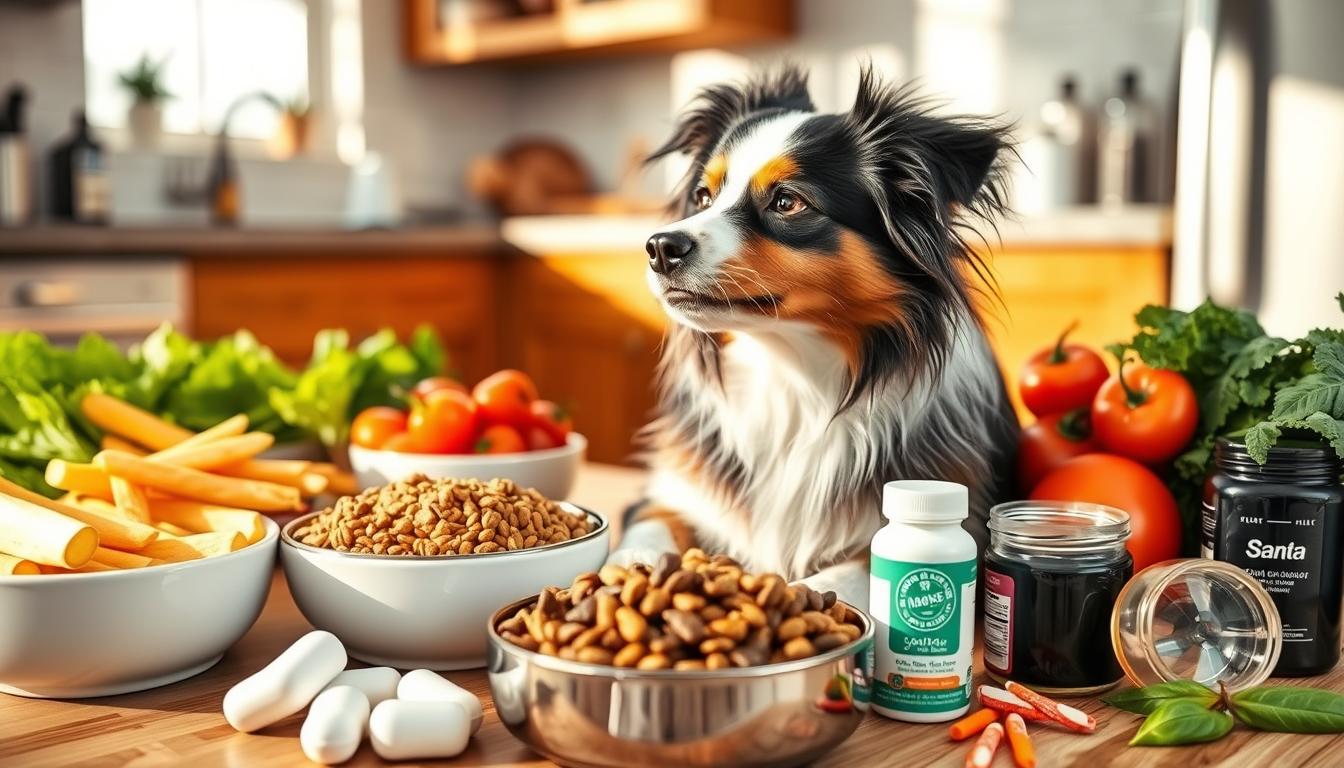
Another practical tip is to add a small topper of fresh vegetables, like steamed green beans or a spoonful of pumpkin. This adds fiber and volume without adding too many calories, which helps your Toy Aussie feel fuller longer. Just avoid anything with onions or garlic, as those are toxic to dogs.
When you’re at the store, look for foods that list a specific meat as the first ingredient—not a vague "meat meal." Brands like Orijen, Wellness, and Nutro have excellent small-breed formulas. If your dog is a picky eater, try grain-free options, but always check with your vet first, as some research links grain-free diets to heart issues in certain breeds.
Finally, remember that water is just as important as the kibble itself. Always have fresh, filtered water available, especially after exercise, because Toy Aussies can overheat quickly. By paying attention to these small details, you’re not just feeding a pet—you’re investing in a happier, healthier companion who will be ready for every adventure you throw at them. So, grab a bag of premium food, and watch that little tail wag with pure, delicious joy.