American Express Card Color Meaning

Have you ever noticed someone pull out a sleek, colored American Express card and wondered what the shade really says? It’s not just about style—each color tells a story about the card’s benefits, fees, and the lifestyle it’s built for. Understanding these colors is like having a secret cheat sheet to the world of premium credit cards, and it’s surprisingly fun to decode.
For beginners, the color spectrum helps you avoid sticker shock or hidden annual fees. For families, it points to perks like travel credits or grocery cashback that actually matter daily. Even hobbyists—think frequent flyers or points nerds—use color to choose the right tool for their next adventure.
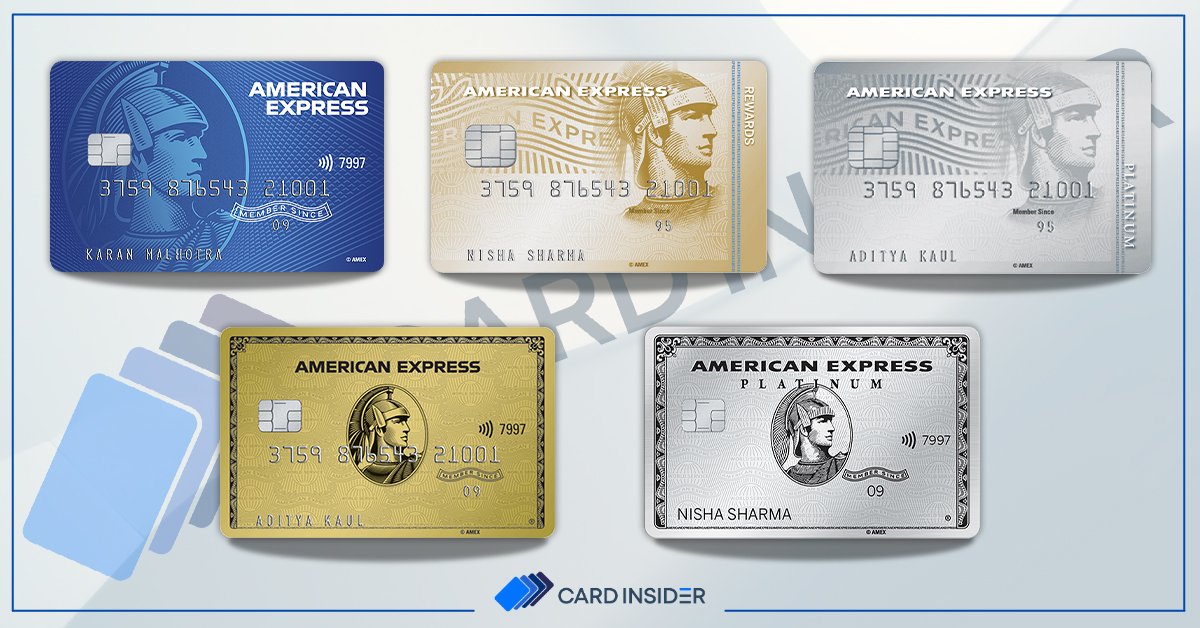
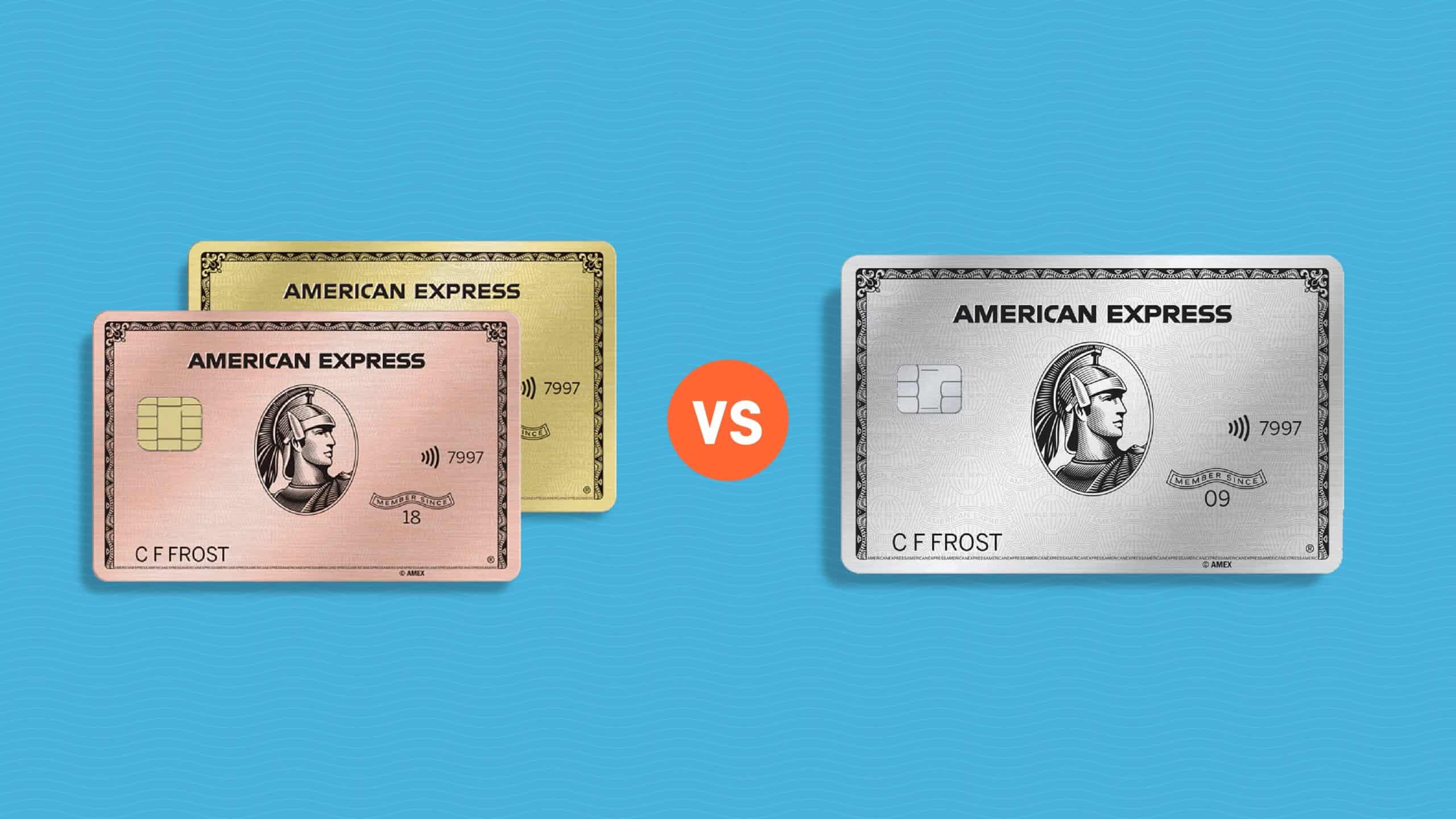
Let’s start with the most famous: the Green Card. This is Amex’s entry-level charge card, often with a low or no annual fee, and it’s perfect for first-timers building credit or earning simple points. Then comes the Gold Card, which is the sweet spot for foodies—it shines with strong rewards on dining and U.S. supermarkets. Its gold hue signals “premium but practical,” not just flashy.
Must Read
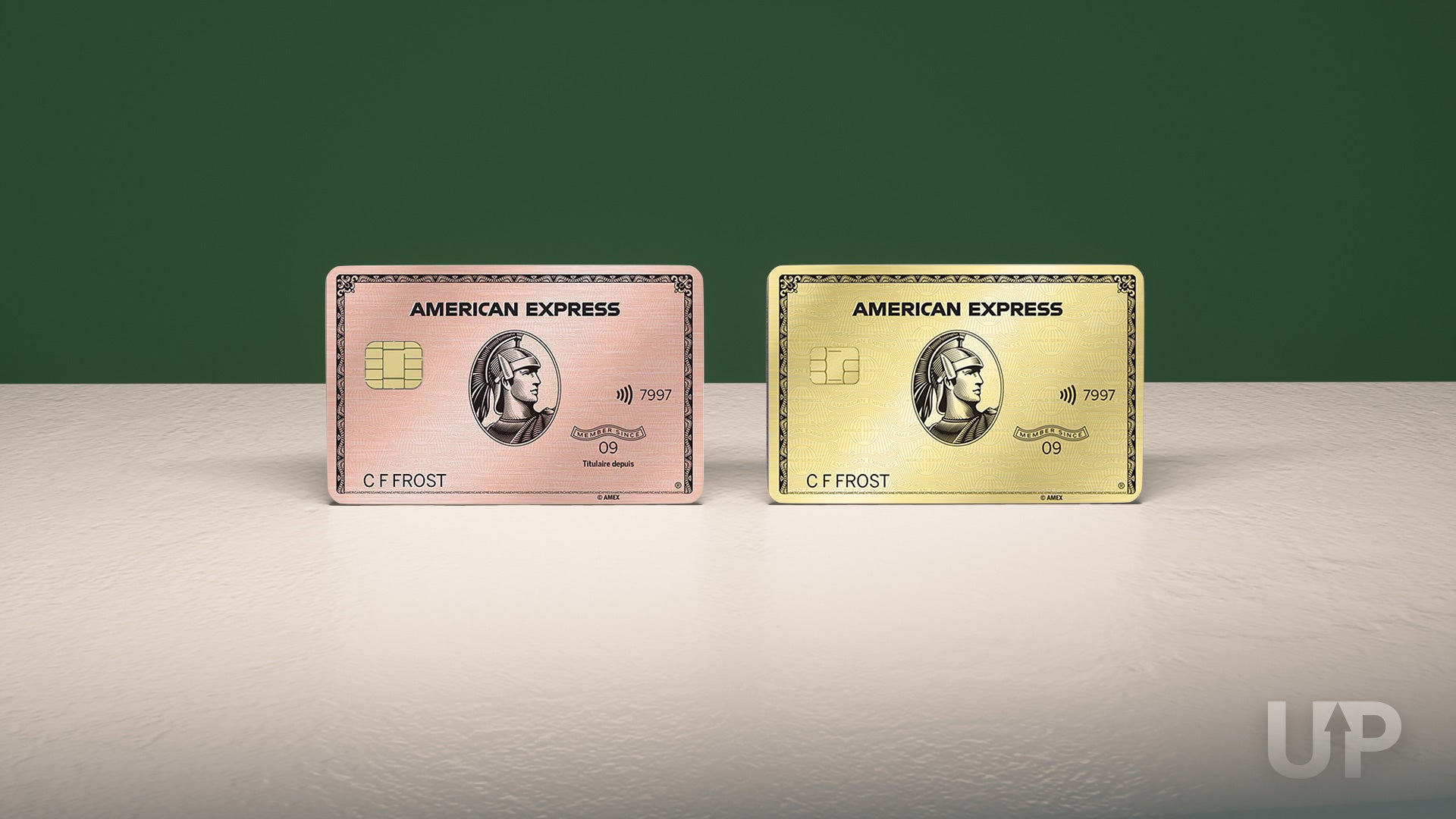
Next up is the Platinum Card, the deep, metallic gray that screams luxury. This one carries a hefty annual fee, but in return, it offers airport lounge access, travel credits, and elite hotel status. If you see someone with a Rose Gold or Brushed Gold version, they’ve chosen a limited-edition look—still a Gold card, but with a trendy, Instagram-worthy twist.
There’s also the Centurion Card, famously black and invitation-only, which is less about color and more about legend. And don’t forget the Blue Cash Everyday—a more affordable, bright blue card that focuses on cashback at U.S. supermarkets and gas stations. The color here is a friendly signal: “I’m practical, not pretentious.”

For families, the Gold Card often wins because grocery rewards add up fast without needing to fly. For beginners, the Green or a no-fee Blue card is your safe start—no pressure, just steady perks. For hobbyists collecting points, the Platinum’s color means “I’m serious about travel,” but only if you can use its credits to offset the fee.
Here’s a simple tip: don’t chase a color—chase the benefit that matches your spending. Look up each card’s annual fee and compare it to what you’d actually use, like lounge visits or free checked bags. Also, check if the color is just a metal finish or a real product line—many Amex cards offer the same perks in different shades.
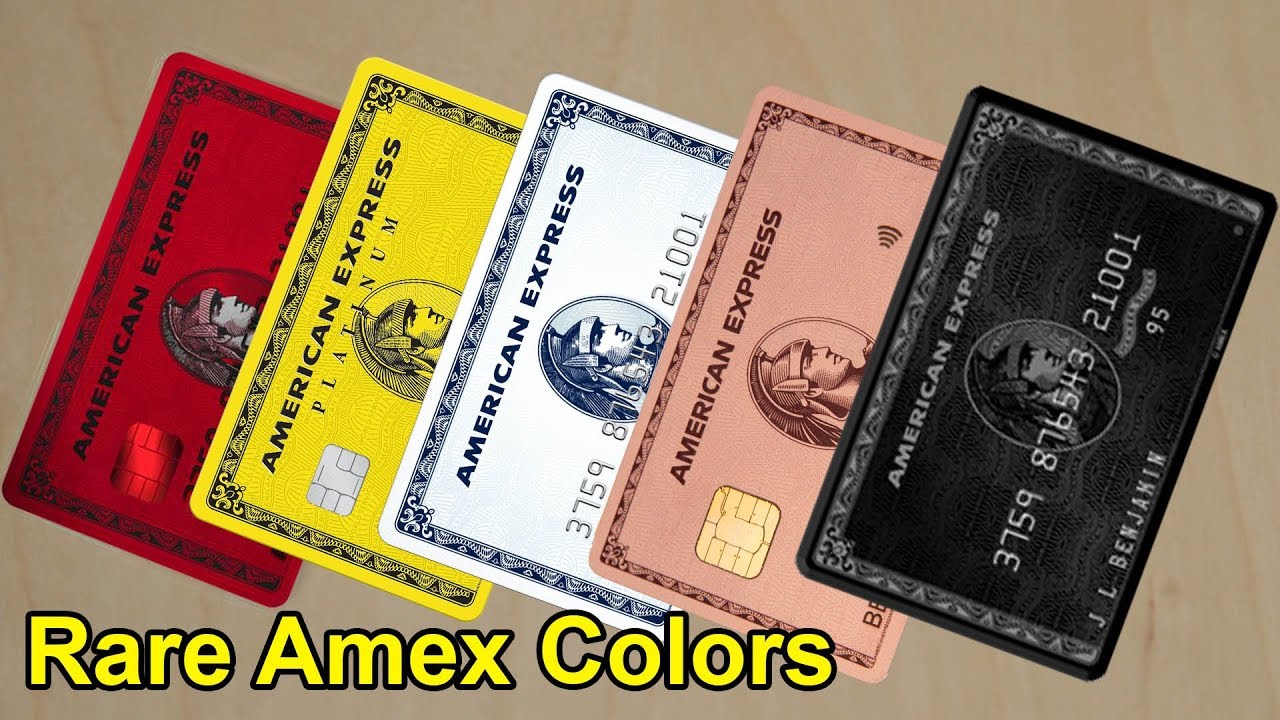
Another practical tip: use a site like NerdWallet or Amex’s own comparison tool to see side-by-side colors and perks. Start with a no-annual-fee card like the Blue Cash Everyday to test the water. Then, as your spending grows, you can “graduate” to Gold or Platinum—and enjoy the color upgrade.
Finally, remember that your card’s color is a badge of choice, not status. Whether you prefer the humble green or the bold platinum, the real value is in the rewards you actually redeem. So pick a color that matches your lifestyle, and enjoy the small thrill of swiping a card that feels like it was made for you.
The joy of knowing these colors is that you’ll never look at someone’s wallet the same way again. It’s a tiny, useful piece of insider knowledge that turns everyday payments into a quiet game of recognition. Go ahead—check your own card’s color, and see if it truly fits your story.