2200 Calorie Meal Plan Vegetarian
It started, as all good chaos does, with a single, slightly unhinged TikTok. Someone—probably a girlboss with a S’well bottle and a color-coded fridge—posted her "What I Eat in a Day" for a 2200-calorie vegetarian meal plan, and the internet collectively lost its spinach. Not because 2200 is scandalously high (though for the chronically under-eating wellness crowd, it might as well be a competitive eating contest), but because it dared to suggest that a plant-based diet isn't just for sad, crudité-snacking ascetics. Suddenly, the algorithm shifted. We went from #WhatIEatInADay featuring a single avocado and a prayer, to a full-blown carb-loaded renaissance. This isn't your grandma's diet plan; this is a full-scale cultural reckoning with the concept of enough.
Now, the 2200-calorie vegetarian diet is the unofficial mascot of the "anti-diet diet" movement. It's the perfect middle finger to the 1200-calorie starvation aesthetic that dominated the 2010s, and it's riding the massive wave of post-intuitive eating, protein-pilled, and "gym rat but make it ethical" content. We are living in the era of the "gymfluencer" who happens to be vegan, and they are ravenous. They’re not just eating quinoa; they are eating volume. They are eating to fuel leg day, not just to fit into a size two. This shift is partly a reaction to the terrifying normalization of Ozempic, but it's also a genuine, groundswell realization that plants can be powerful, satiating fuel. The hashtag #2200Calories isn't just a number; it's a statement that you can be lean, energetic, and full.
But let's be brutally honest: navigating this trend without turning into a Certified Wellness Weirdo is a minefield. The discourse is loud, the protein bars are expensive, and the peer pressure to make your own oat milk is relentless. But once you cut through the noise, there's a genuinely revolutionary framework here. This isn't about deprivation; it's about engineering a day where your energy doesn't nosedive at 3 PM. It's about realizing that "vegetarian" doesn't mean "carb-only," and that "calorie-dense" doesn't have to mean "deep-fried sadness." This is about eating like an athlete, a human, and a person who enjoys food—all at the same time.
Must Read
The Subculture: Eat Like a Greek God, Post Like a Starving Artist
Dig beneath the surface of the 2200-calorie veggie sphere, and you’ll find a bizarre ecosystem of competing ideologies. On one side, you have the "Soy Boy" fearmongers who insist that any plant-based diet is a slippery slope to a flat chest and a weepy disposition. They are loudly countered by the "Raw Till 4" fruitarians who believe that consuming cooked grains is an act of spiritual violence. It’s a digital puppet show where the strings are pulled by supplement companies, and the puppets are your FYP page. The real tension, however, is between the "whole foods purists" and the "junk food vegans." The purists are posting hyper-aesthetic bowls of quinoa and black beans that look like they were arranged by a minimalist architect. The junk food vegans are countering with viral videos of vegan mozzarella sticks that stretch like taffy, screaming "WHERE IS THE PROTEIN NOW?"
This isn't just about food; it’s a proxy war for lifestyle dominance. The 2200 number has become a subtle status symbol—proof that you aren't starving yourself, but it also screams that you have the leisure time to prepare 47 different components for a single Buddha bowl. It’s the dietary equivalent of "quiet luxury." You don't brag about your salary, you just casually mention you need a 2200-calorie base to maintain muscle while training for a half-marathon. The social dynamic is fascinatingly toxic: there's a weird moral superiority attached to eating "enough," as if you’re more evolved than the keto Karens. We’ve weaponized satiety. We're literally flexing on each other with our fiber intake. And honestly? It's kind of iconic, but it’s also exhausting to keep up with the Joneses' gut microbiome.
Your Game Plan: Navigating the Carb-Coded Minefield
Before you deplete your savings on artisanal cashew cheese, let’s get pragmatic. The first rule of the 2200 club is: Protein isn't a vibe, it's a math equation. You need roughly 1.2 to 1.6 grams per kilogram of body weight to feel human. That means you cannot rely on the air in a sourdough loaf. You need to strategically deploy the holy trinity: Greek yogurt or skyr (if you eat dairy), tofu/tempeh, and legumes. If you are vegan, you must accept that you will be eating a lot of beans. Not some beans. All the beans. But here’s the hack: blend them. White beans blended into sauces, chickpeas blended into dressings, lentils blended into taco meat. This stealth nutrition is the only way you’re hitting your protein target without feeling like a human burp factory.
Second, you must master the art of "Volume Eating." This is the practice of eating massive quantities of food for minimal calories so that your stomach doesn't file a formal complaint with your brain. Think giant salads with quinoa, roasted vegetables, and a tahini-maple dressing that slaps. Think stir-fries loaded with 500 grams of broccoli and bell peppers. The goal is to feel like you’ve eaten a horse while actually consuming the caloric equivalent of a small goat. The secret weapon? Cauliflower. It’s the Instagram filter of the food world—it makes everything look more substantial than it is. Rice it, roast it, buffalo it, and pray it holds together.
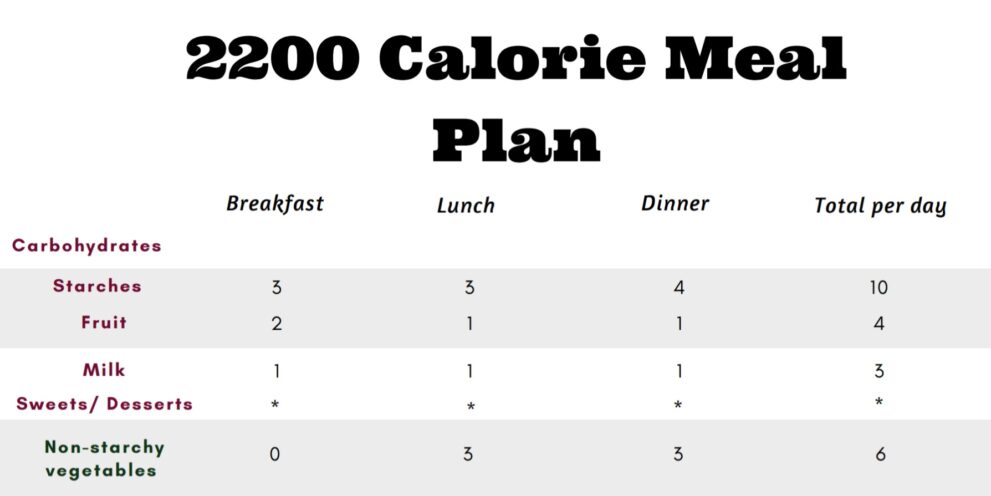
Thirdly, let’s talk about "The Template." Stop planning meals; plan a structure. Breakfast must be 500-600 calories (overnight oats with protein powder, peanut butter, and berries). Lunch must be 600-700 calories (a massive grain bowl with tofu and edamame). Dinner is your 700-800 calorie anchor (pasta with lentil bolognese, or a hearty chili with coconut cream). You have 300-400 calories of sacred buffer for snacks. This is non-negotiable. This buffer is where you fit the hummus and pita, the dark chocolate, the protein bar that tastes like a hockey puck but has 20g of protein.
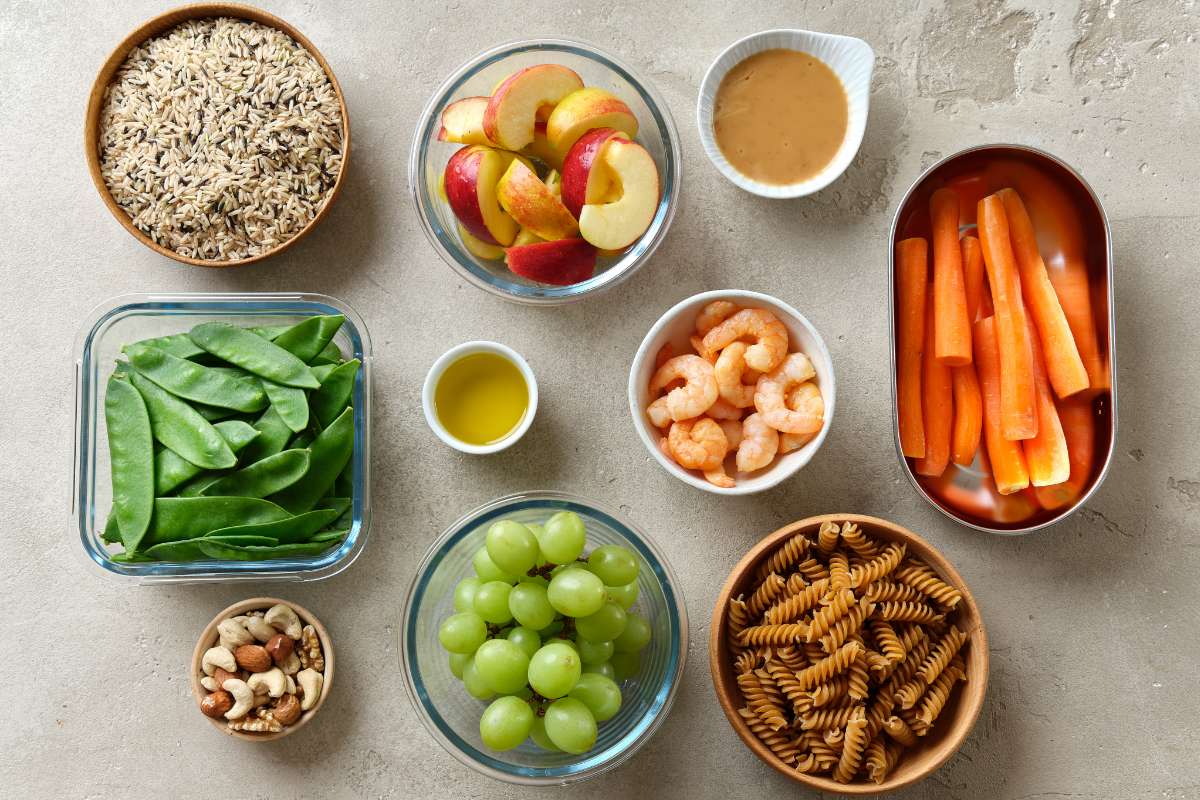
Finally, and this is crucial for your sanity: Embrace the "Unsexy" Carbs. Potatoes, rice, and oats are not the enemy; they are your fuel. The internet will tell you to eat konjac noodles and shirataki rice, but you will chew those for an hour and still be hungry, and you'll end up eating your roommate's leftover pizza out of desperation. Be pragmatic: white rice is cheaper and easier to digest than brown rice for athletes. White potatoes are more satiating than sweet potatoes per calorie. The 'clean eating' cult cannot police your plate if you're hitting your macros and feeling good. The best diet is the one you can sustain without crying into your smoothie bowl.
The Hot Seat: Your Burning Questions, Answered
1. Wait, 2200 calories seems like a LOT. Am I going to get fat?
Ah, the ghost of diet culture past. Here’s the nuanced truth: "Getting fat" is not a consequence of a calorie surplus alone; it's a consequence of a sustained surplus of unused energy. At 2200 calories, you are in a maintenance or slight surplus zone for most active women and relatively low for active men. The issue isn't the number, it's the quality and the activity level. If you are sedentary and eating 2200 calories of Oreos, yes, you will notice a change. But if you are moving your body—even just walking 10,000 steps a day—2200 calories is often the baseline for maintaining your current weight, not gaining it.
The fear is rooted in the ancient, low-calorie dogma that told us our bodies are inefficient machines that store every single molecule as fat. That’s simply untrue. Your body burns a significant amount of energy just keeping you alive (BMR), and it burns more digesting plant matter due to the high fiber content. Fiber is the ultimate cheat code: it traps calories and speeds up transit time, meaning you don't absorb everything. So no, you won't get fat. You might gain water weight initially if you suddenly increase carbs—your muscles will hold glycogen—but that makes you look fuller and stronger, not "fat." It’s a recalibration, not a regression.
2. How is this different from just eating a regular vegetarian diet?
The difference is the intentionality and the macronutrient breakdown. A "regular" vegetarian diet is often accidentally high in carbs and refined fats (hello, cheese plates and pasta). A 2200-calorie plan is engineered for performance and satiety. It forces you to consider protein at every meal, not just as an afterthought. It’s about spacing your food to maintain stable blood sugar and energy levels. It’s the difference between "I'm eating this because it's vegetarian" and "I'm eating this because it fuels my deadlift PR." It transforms eating from a passive activity to an active component of your training and lifestyle.
Moreover, this plan typically relies on a higher percentage of calories from whole plants, which are nutritionally dense. It’s less about restriction and more about distribution. You are deliberately crafting a day that curbs cravings because you're never starving. The plan demands that you eat breakfast (many skip it), that you snack (many fear it), and that you consume a substantial dinner (many skimp on it). It's a full-day approach to nourishment, ensuring that your body recognizes that it's not in a famine, so it can release those stress hormones and actually burn fat effectively. In essence, it's a structured, mindful approach to an otherwise often chaotic vegetarian lifestyle.
3. Do I need to eat tons of protein powder to hit these numbers?
Absolutely not, and honestly, the "heyday" of the protein-powder-diet is fading. While a scoop of pea or whey protein is a convenient tool, the 2200-calorie vegetarian plan encourages a food-first approach. You can absolutely hit 100-120g of protein using whole foods. For example, a breakfast of Greek yogurt (20g), a lunch of lentil soup with whole wheat bread (18g), a dinner of firm tofu stir-fry with quinoa (35g), and snacks of edamame, nuts, and cheese (20g) easily nets you over 90g. That's perfectly adequate for general health and muscle maintenance.
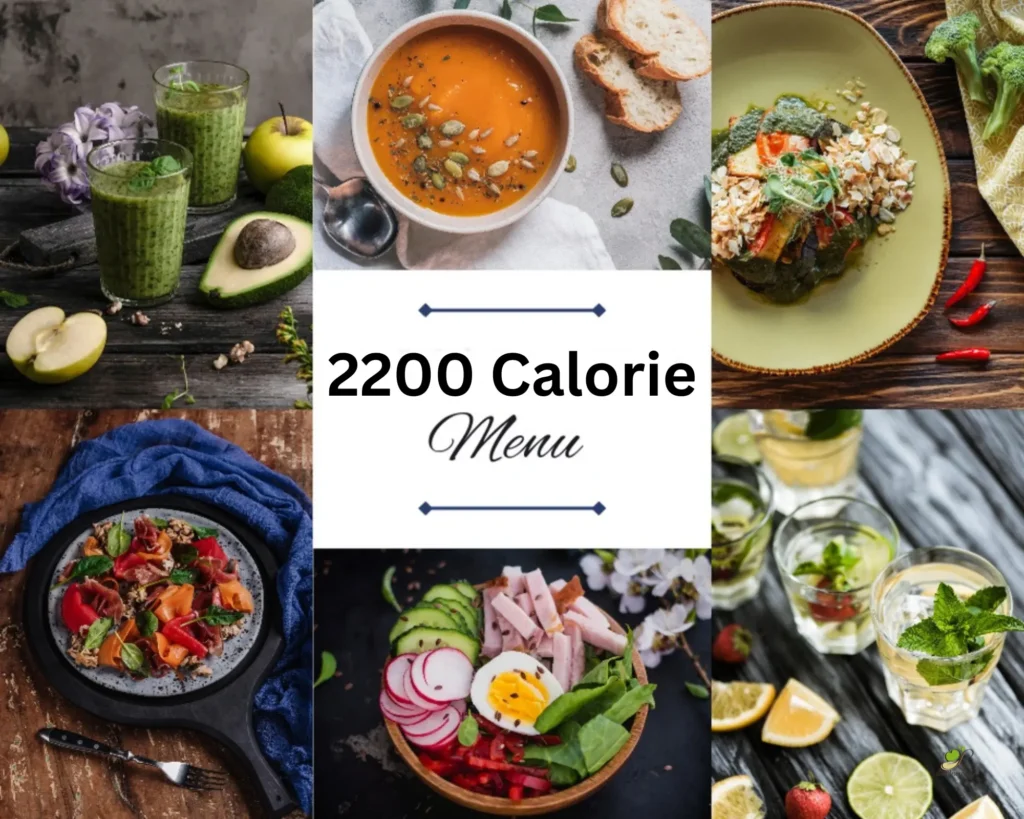
However, let's be real: protein powder is your friend when you're in a rush or when you fail to meal prep. But relying on it as a primary source is a slippery slope to gastrointestinal distress and a very expensive grocery bill. The trend now is toward "protein fortification"—adding unflavored pea protein to your oats, blending cottage cheese into your eggs, or using collagen peptides in your coffee. This stealth method boosts your numbers without turning you into a walking protein shake. So, while you can use supplements, treat them like the emergency brake, not the engine. Your kidneys and your wallet will thank you.
Is the 2200-calorie vegetarian meal plan a fad? Probably, in its current hyper-stylized form, yes. The TikTok aesthetics will fade; the "what I eat" videos will eventually pivot to the next big dietary algorithm bait—perhaps the return of the grapefruit diet or the rise of "chrono-nutrition." But the underlying philosophy is a seismic, permanent shift. The understanding that "more food" can equal "better body composition" when done correctly is a genie that isn't going back in the bottle. We’ve collectively realized that starving ourselves into a hormonal wreck isn't a hack; it's a tragedy. This movement has flipped the script on the diet-industrial complex, demanding satiety, energy, and performance over mere thinness.
Whether or not you track the exact number, the legacy of this trend is the permission it grants you to eat. It gives you the green light to have a second helping of rice and the audacity to snack between meals. It normalizes the idea that a plant-based diet can be robust, athletic, and deeply satisfying. So, as we scroll past the perfectly arranged tofu bowls and the ominous oatmeal jars, let’s take the kernel of truth and discard the performative packaging. Eat the carbs, lift the weights, ignore the haters. The future is full, and it’s vegetarian.