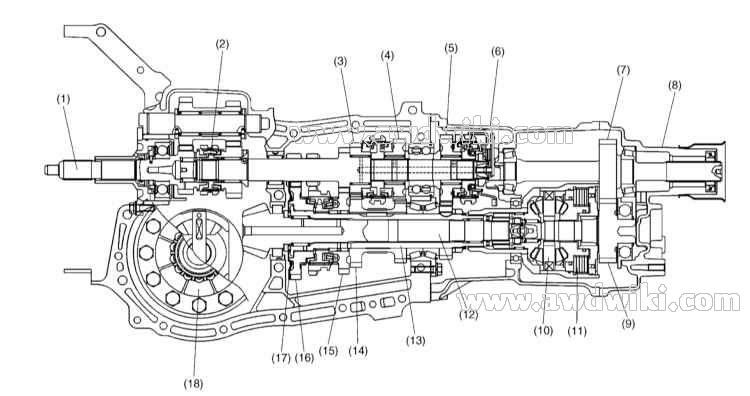
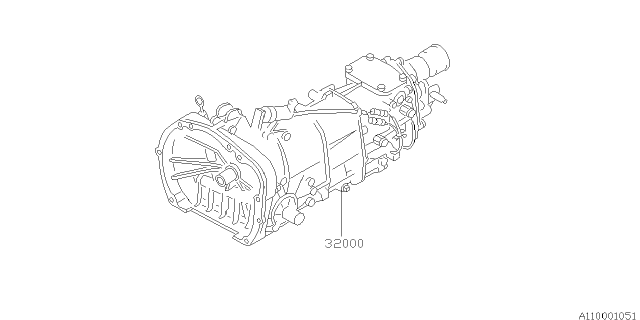
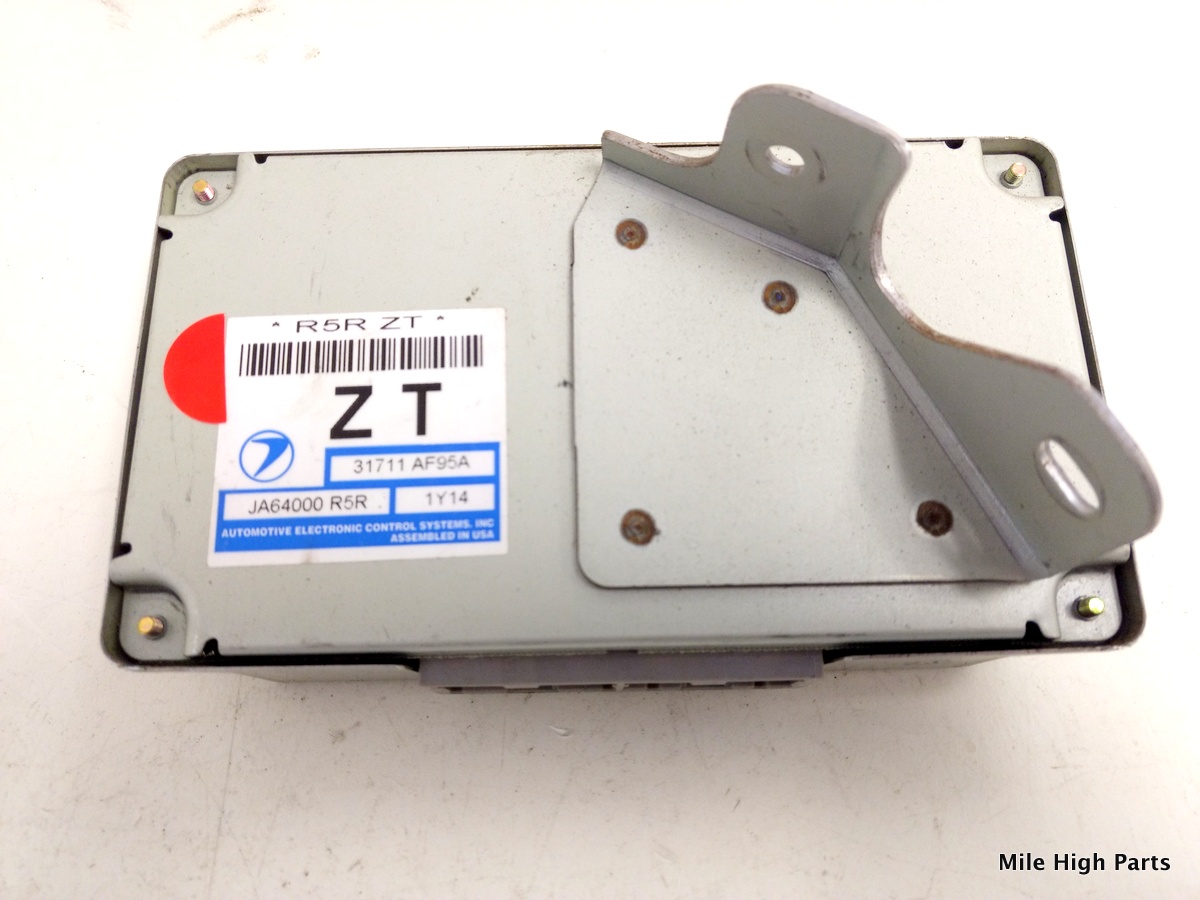
2002 Subaru Outback Transmission

The Glorious, Weird, and Slightly Jerky Gearbox
Let’s talk about the 2002 Subaru Outback. Not the boxy charm or the roof rails that never get used. No, we need to discuss the transmission, that mysterious box of gears and torque.
Here’s my unpopular opinion: the 2002 Outback’s automatic transmission is actually a character. It’s not smooth, slick, or modern. It’s more like a friendly, slightly clumsy dog that always gets you home, but only after bumping its head on the coffee table.
Meet the 4-Speed Legend
Most 2002 Outbacks came with a 4-speed automatic called the 4EAT. That sounds like a robot sneeze, but trust me, it’s a workhorse.
Must Read
This gearbox has a personality. It hesitates on hills, it hunts for gears like a squirrel looking for nuts, and it sometimes shifts with a thunk that makes you check your mirrors for a rear-ender.
But here’s the secret: it never, ever gives up. You could drive it through a hurricane, a mud pit, or a family road trip with three screaming kids, and it will still clunk along.
The “Slushbox” Defense
Car snobs call this transmission a slushbox. That’s the technical term for “lazy automatic that feels like it’s shifting through peanut butter.”
You know what? They’re right. It is slushy. But that’s exactly why I love it.
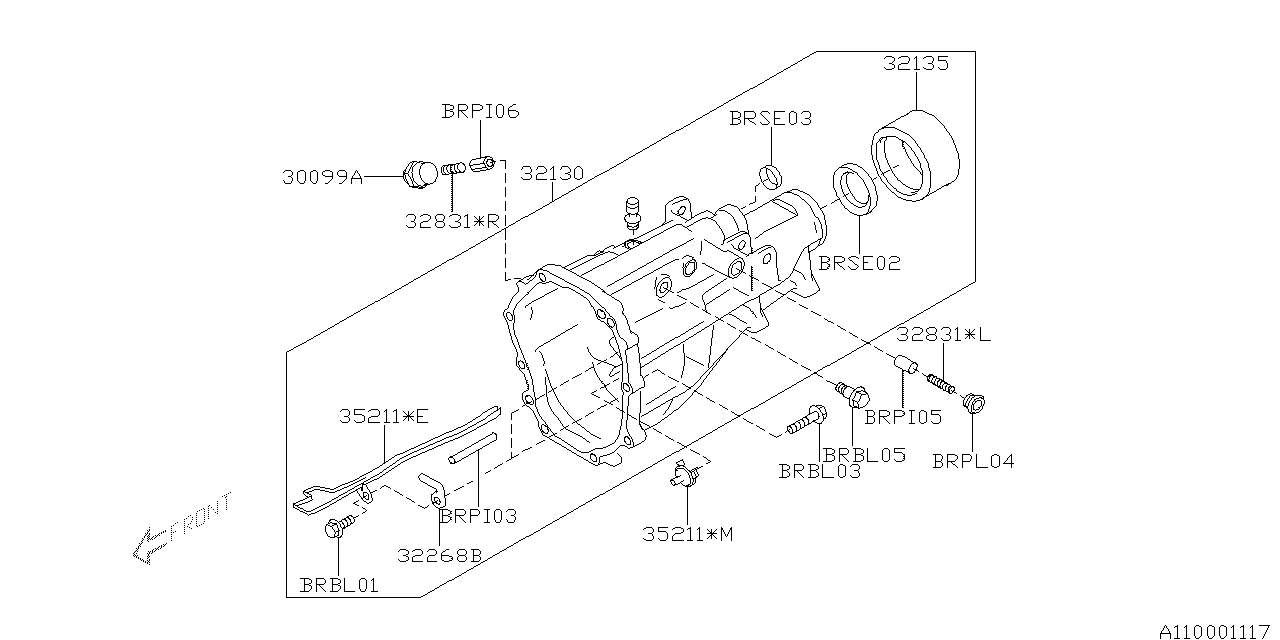
That mushiness means your shifts are never harsh, your passengers never spill their coffee, and your grandma feels like she’s riding on a cloud. The 4EAT is the comfort food of transmissions.
The Quirky Shift Gate
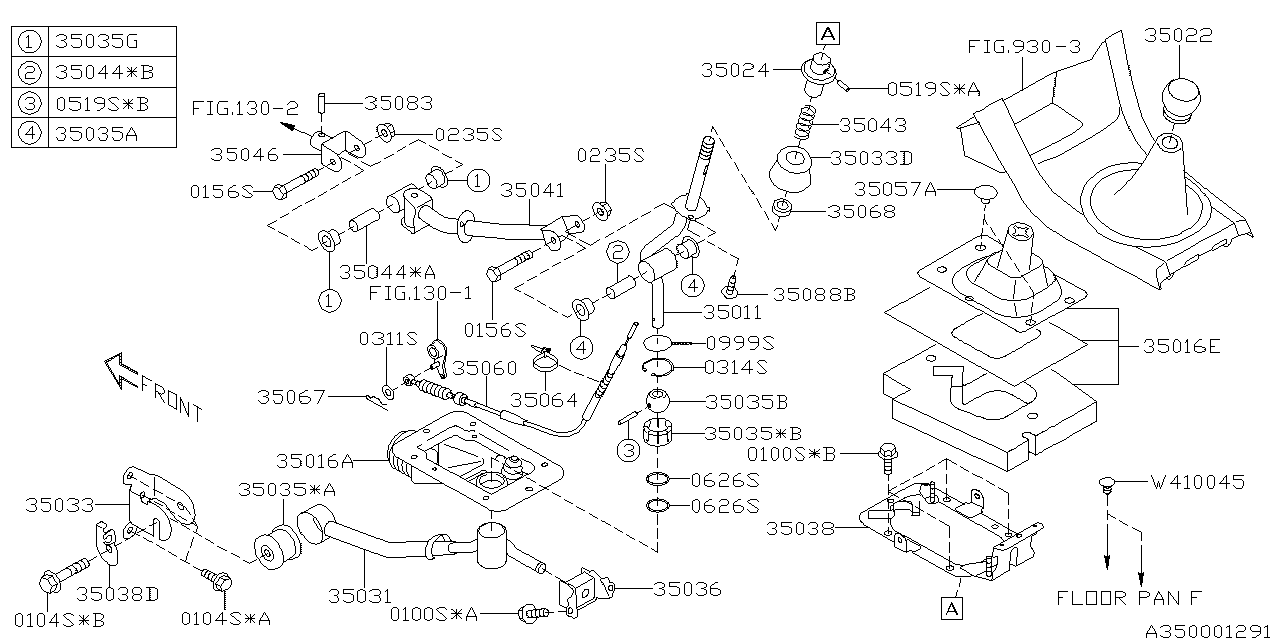
Now, let’s talk about the gear shifter. It has a little button on the side, and you can slide it into “3” or “2” for engine braking.
That button is a trap. You’ll press it by accident, and suddenly your car sounds like a jet engine at 5,000 RPM on the highway.
Your passengers will ask, “Are we okay?” And you’ll say, “Yep, just accidentally summoned the beast.” It’s a rite of passage for every Outback owner.

The “Just Do It” Maintenance
Here’s the real talk: this transmission will outlive your patience if you ignore it, but it also loves a simple fluid change. Every 30,000 miles, drain that old red fluid and put in fresh stuff.
If you skip that, the 4EAT will start to whine like a hungry kitten. Not a scary noise, just a sad, pleading hum.
But do the fluid swap, and it will shift with the enthusiasm of a golden retriever bringing you a slobbery ball.
The Unpopular Opinion
Everyone moans about the 2002 Outback’s transmission being “dated” or “laggy.” They want a modern 8-speed with paddle shifters and instant response.
I say, “Why hurry?” The 4EAT teaches you patience. It reminds you that driving isn’t a video game; it’s a slow dance with a very sturdy partner.

In a world of frantic, jerk-your-neck-back gear changes, this old Subaru says, “Relax, we’ll get there when we get there.”
What It’s Really Like
Imagine you’re merging onto the freeway. You press the gas. The engine revs, the car thinks, and then—after a dramatic pause—it finally drops a gear and scoots forward.
That pause is not a flaw. That’s the transmission deliberating. It’s considering your fuel economy, your tire wear, and whether you really need to go that fast.
When you finally arrive at speed, you feel a tiny, satisfying surge. It’s like finishing a crossword puzzle. Not exciting, but deeply fulfilling.

The Real Winner
Let’s be honest: a 2002 Outback with the 4EAT is not a race car. It’s a mountain goat with a briefcase. It’s the car you trust to take you to a ski resort in a blizzard, then safely to a diner for pancakes.
The transmission is the unsung hero. It doesn’t need to be fancy. It just needs to be there, like a good friend who never texts back but always shows up with a shovel.
So here’s my final take: love the weird 4EAT. Embrace the clunky shifts. Smile at the delayed downshifts. Because in an era of robotic perfection, this gearbox has a soul—and it’s a little bit goofy, a little bit slow, and absolutely wonderful.
Now, go find a hill, give it some gas, and listen for that familiar thunk. That’s not a problem. That’s just your 2002 Outback saying, “Hi, I missed you.”