How To Make A Woman Ejaculate

The concept of female ejaculation has long been shrouded in mystery and misconceptions. However, by understanding the biological and physiological aspects of this phenomenon, we can better grasp the mechanisms involved and optimize our approach to facilitating it. At its core, female ejaculation is the release of fluid from the Skene's glands, which are located near the urethra. This fluid, often referred to as female ejaculate, is distinct from urine and is believed to be a natural part of the female sexual response cycle.
Research has shown that approximately 40-50% of women experience some form of ejaculation during orgasm, although the prevalence and volume of fluid released can vary significantly from person to person. The anatomy of the female reproductive system, including the clitoris, urethra, and vagina, plays a crucial role in facilitating ejaculation. By understanding the interplay between these structures, individuals can better navigate the complexities of female sexual response and optimize their approach to inducing ejaculation.
A key aspect of facilitating female ejaculation is the development of communication and trust between partners. By creating a safe and supportive environment, individuals can feel more comfortable exploring their bodies and expressing their desires. This, in turn, can help to reduce anxiety and stress, which are common barriers to achieving orgasm and ejaculation. Furthermore, a thorough understanding of erogenous zones and sensation mapping can help individuals to identify and target areas of high sensitivity, increasing the likelihood of successful ejaculation.
Understanding the Biology
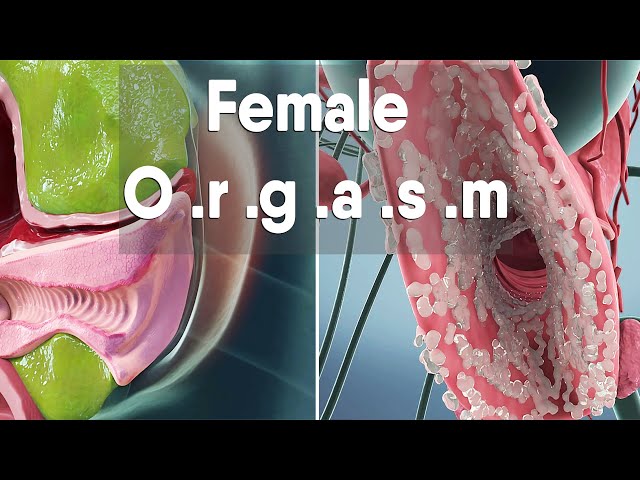
From a biological perspective, female ejaculation is a complex phenomenon that involves the coordination of multiple neurological, vascular, and muscular systems. The Skene's glands, which are responsible for producing the female ejaculate, are surrounded by a network of blood vessels and nerves that play a critical role in regulating the release of fluid. During arousal, the parasympathetic nervous system stimulates the Skene's glands to produce fluid, which is then released through the urethra during orgasm.
The hormonal balance of the body also plays a significant role in regulating female ejaculation. Estrogen and progesterone levels can impact the functioning of the Skene's glands and the overall health of the reproductive system. Additionally, the endocrine system helps to regulate the release of oxytocin and vasopressin, which are hormones that have been implicated in the female sexual response cycle.
A thorough understanding of the biomechanics of female ejaculation can also inform our approach to facilitating this phenomenon. By recognizing the importance of pelvic floor strength and core engagement, individuals can better support the urethra and vagina during arousal and orgasm, increasing the likelihood of successful ejaculation. Furthermore, the use of sensory mapping and erogenous zone identification can help individuals to target areas of high sensitivity and optimize their approach to stimulation.

Practical Strategies for Mastering Female Ejaculation
One of the most effective strategies for facilitating female ejaculation is the development of a consistent and targeted approach to stimulation. By identifying and targeting areas of high sensitivity, such as the g-spot and clitoris, individuals can increase the likelihood of successful ejaculation. Additionally, the use of breathwork and relaxation techniques can help to reduce anxiety and stress, creating a more conducive environment for orgasm and ejaculation.
The inclusion of props and sex toys can also be a highly effective way to facilitate female ejaculation. By providing additional stimulation and support, individuals can increase the intensity and duration of arousal, making it more likely that ejaculation will occur. Furthermore, the use of lubricants and massage oils can help to reduce friction and discomfort, creating a more comfortable and enjoyable experience.
Another key strategy for mastering female ejaculation is the development of communication and feedback between partners. By creating a safe and supportive environment, individuals can feel more comfortable expressing their desires and needs, allowing for a more tailored and effective approach to stimulation. Additionally, the use of sensation mapping and erogenous zone identification can help individuals to better understand their own bodies and optimize their approach to stimulation.
Finally, the integration of mindfulness and self-awareness can be a highly effective way to facilitate female ejaculation. By cultivating a greater understanding of their own desires and needs, individuals can develop a more intuitive and responsive approach to stimulation, increasing the likelihood of successful ejaculation. Furthermore, the use of meditation and relaxation techniques can help to reduce anxiety and stress, creating a more conducive environment for orgasm and ejaculation.

Frequently Asked Questions
What is the difference between female ejaculate and urine?
Female ejaculate and urine are two distinct fluids that are produced by different systems in the body. While both fluids are released through the urethra, they have different compositions and functions. Female ejaculate is a clear, odorless fluid that is produced by the Skene's glands and is believed to play a role in the female sexual response cycle. Urine, on the other hand, is a waste product that is produced by the kidneys and is eliminated from the body through the ureters and urinary bladder.
One of the key differences between female ejaculate and urine is the presence of prostate-specific antigen (PSA) in the former. PSA is a protein that is produced by the Skene's glands and is believed to play a role in the female sexual response cycle. Urine, on the other hand, does not contain PSA and is primarily composed of water, urea, and other waste products. By understanding the differences between female ejaculate and urine, individuals can better navigate the complexities of the female reproductive system and optimize their approach to facilitating ejaculation.
How can I increase the volume of my female ejaculate?
There are several strategies that individuals can use to increase the volume of their female ejaculate. One of the most effective approaches is to stay hydrated by drinking plenty of water and other fluids. This can help to thin out the mucus in the Skene's glands and increase the volume of fluid that is released during ejaculation. Additionally, the use of hormone replacement therapy (HRT) or estrogen supplements can help to regulate the hormonal balance of the body and increase the functioning of the Skene's glands.
Another key strategy for increasing the volume of female ejaculate is to engage in regular exercise and physical activity. This can help to improve blood flow and circulation to the pelvic floor and increase the strength and flexibility of the urethra and vagina. Furthermore, the use of Kegel exercises and pelvic floor physical therapy can help to strengthen the pubococcygeus muscle and increase the support and stability of the urethra and vagina, making it easier to achieve orgasm and ejaculation.

Can female ejaculation be a sign of a medical condition?
While female ejaculation is a natural and normal part of the female sexual response cycle, it can also be a sign of an underlying medical condition. For example, urinary incontinence or overactive bladder can cause the urethra to release fluid during arousal or orgasm, which can be mistaken for female ejaculation. Additionally, hormonal imbalances or endocrine disorders can impact the functioning of the Skene's glands and increase the risk of infection or dysfunction.
It is essential for individuals to consult with a healthcare provider if they experience any abnormal or unusual symptoms, such as pain or discomfort during arousal or orgasm, or if they notice any changes in the volume or consistency of their female ejaculate. A healthcare provider can help to diagnose and treat any underlying medical conditions and provide guidance on how to optimize the female sexual response cycle and facilitate ejaculation.
Can female ejaculation be learned or is it an innate ability?
Female ejaculation is a complex phenomenon that involves the coordination of multiple neurological, vascular, and muscular systems. While some women may be more naturally predisposed to ejaculation due to their anatomy and physiology, it is also possible for individuals to learn and develop the skills and techniques necessary to facilitate ejaculation.
By practicing relaxation techniques, such as deep breathing and meditation, and engaging in regular exercise and physical activity, individuals can increase their self-awareness and body awareness, making it easier to identify and target areas of high sensitivity and optimize their approach to stimulation. Furthermore, the use of sensation mapping and erogenous zone identification can help individuals to better understand their own bodies and develop a more intuitive and responsive approach to stimulation.

How can I talk to my partner about female ejaculation?
Communication is a critical aspect of any healthy and fulfilling relationship, and discussing female ejaculation with a partner can be a highly effective way to deepen intimacy and connection. By creating a safe and supportive environment, individuals can feel more comfortable expressing their desires and needs, and working together to develop a more tailored and effective approach to stimulation.
One of the most effective ways to approach this conversation is to start with education and awareness. By sharing information and resources about female ejaculation, individuals can help to demystify and normalize the phenomenon, making it easier to discuss and explore. Additionally, the use of open-ended questions and non-judgmental language can help to create a safe and supportive environment, where individuals feel comfortable expressing their thoughts and feelings without fear of judgment or rejection.
By respecting the science behind female ejaculation and approaching the topic with empathy and understanding, we can work to create a more inclusive and supportive environment for individuals to explore and express their desires and needs. By prioritizing education, awareness, and communication, we can help to break down barriers and stigmas surrounding female ejaculation, and promote a more positive and empowering approach to sexual health and wellness.
Ultimately, the key to mastering female ejaculation is to approach the topic with curiosity and open-mindedness, and to prioritize self-awareness, communication, and mutual respect. By working together to create a more inclusive and supportive environment, we can help to promote a more positive and empowering approach to sexual health and wellness, and facilitate a more fulfilling and meaningful experience for all individuals involved.