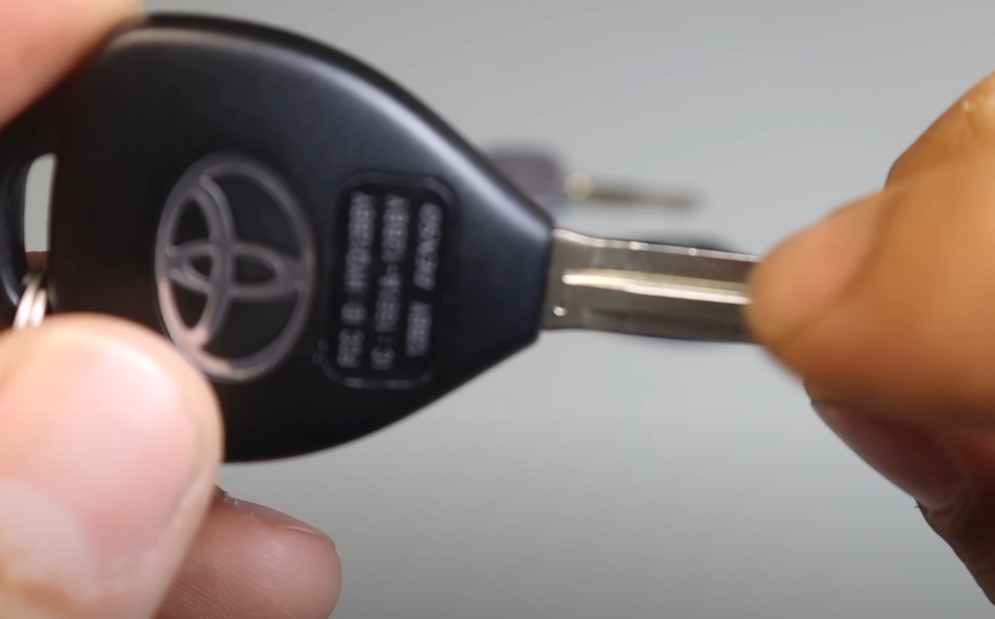
1999 Toyota Camry Key Replacement

Let’s be honest—your 1999 Toyota Camry is less of a car and more of a loyal, slightly arthritic golden retriever. It starts every morning with a grumble, gets you where you need to go, and has outlived three smartphones, two relationships, and probably a whole generation of key fobs from other cars. So when you lose that last key, it feels less like a minor inconvenience and more like misplacing your childhood blankie at age forty.
The panic sets in when you’re standing in a parking lot, patting your pockets like you’re performing a frantic interpretive dance. You check the usual suspects: jeans, jacket, that one purse pocket that swallows everything from gum wrappers to your will to live. Nothing. The Camry sits there, staring at you with its headlights like a patient old dog waiting for a treat that never comes.
Here’s the good news: a 1999 Camry key replacement isn't rocket science, even though it feels like you’re trying to hack the Pentagon at 7 AM. This car uses a simple transponder chip (if you have the “master” key) or, in many base models, a glorified piece of metal that could probably open a soda can too. You don’t need a dealership appointment that costs more than your first car payment—you need a plan.
Must Read
The "Hardware Store Hero" Route
If your 1999 Camry is the bare-bones DX or CE model without a transponder, you’re in the sweet spot. You can walk into any hardware store, hand them your old key (or even a broken half), and they’ll cut you a fresh copy for about three bucks. It feels like cheating at life, honestly. That key is so basic it’s almost a brass museum piece—no fancy circuits, no battery, just pure, unadulterated metal that whispers, “I’ve seen things.”
Just remember: a standard cut key opens the door and ignition, but it won’t work if your car has the immobilizer system. How do you know? Look for a little chip logo on the key blade or a red light on the dash that blinks like a moody teenager. If that light blinks, you’re not in hardware-store territory anymore.
When the Chip Says "No"
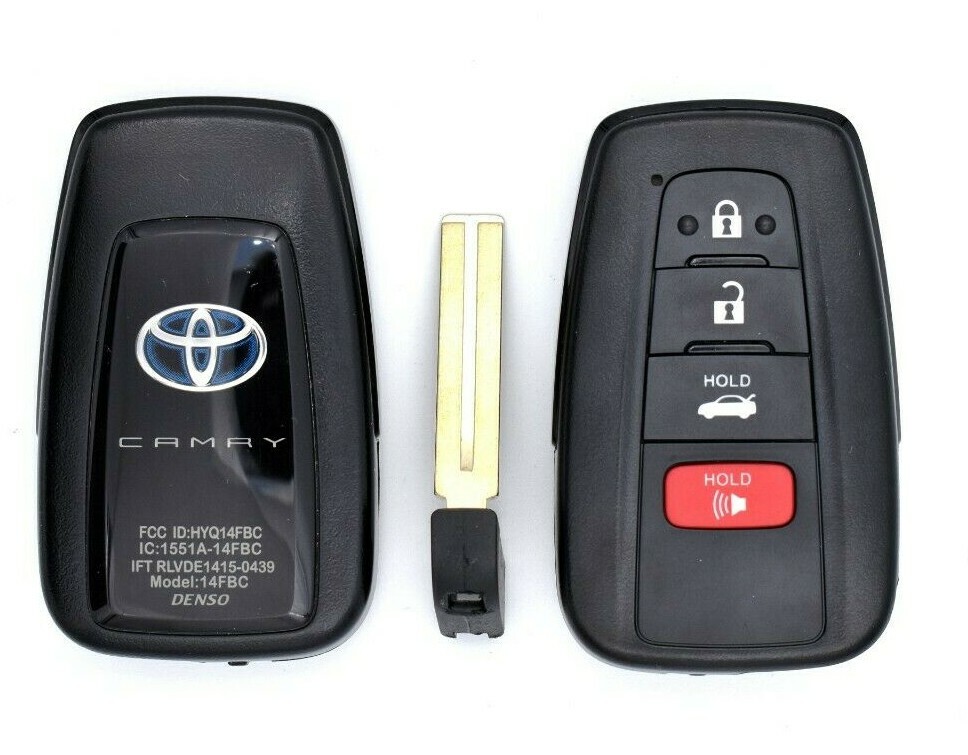
If your key has a transponder, the ignition won’t turn unless it reads that tiny chip. This is the car’s way of saying, “I trust you, but I also don’t trust you, so prove it.” The dealership will gladly sell you a replacement for a cool $150 to $200, plus a “programming fee” that feels like paying a cover charge to enter a club you already own. But here’s the trick: you can buy a blank transponder key online for under $20 and get it cut at a locksmith for $5.
The programming is the fun part. For the 1999 Camry, you often don’t need a laptop or a fancy scanner. You just insert the key, turn it to “ON” (not start), wait five seconds, turn it off, and repeat the dance three times in a ritual that feels like summoning a very boring genie. Some models require you to do this with an existing working key first—which, of course, you don’t have because that’s why we’re here. In that case, a mobile locksmith with a programmer is your best pal.
The Alternative: Call a Locksmith, Not a Psychic
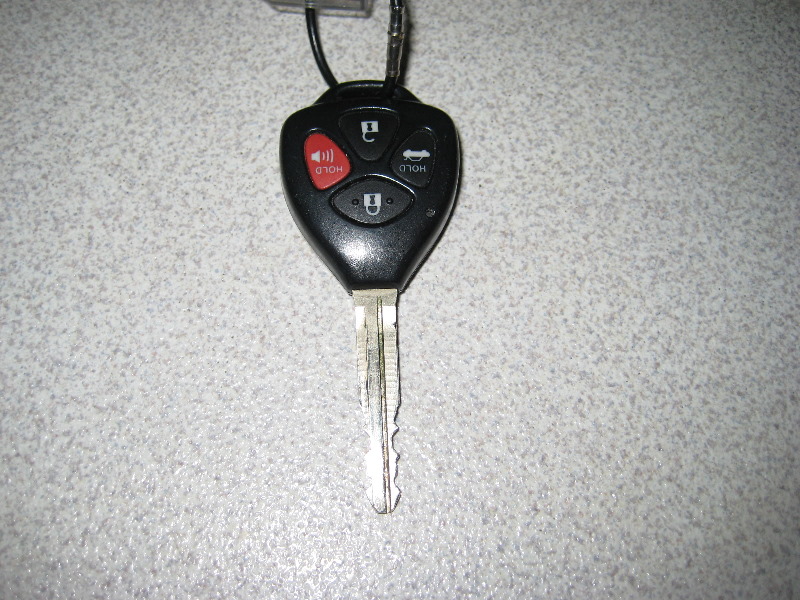
If you’re sweating at the thought of DIY programming, call a local automotive locksmith. They show up in a van, often look like they’ve seen every key emergency in the book, and can usually cut and program a new key on the spot for $80 to $120. That’s roughly the same price as a dozen fancy lattes, but way more useful when you’re locked out in a Target parking lot.
Make sure you have your VIN number handy—it’s on the dashboard near the windshield, and also on your insurance card. The locksmith will use it to verify you own the car, which is a nice, trust-building exercise. They won’t ask if you’re a car thief, but you’ll both know the answer is “no” because a thief would have chosen a car with a key that costs less than a pizza.
Pro tip: before you cry into your steering wheel, check under the driver’s seat and in the cup holder between the seats. I once found my “lost” Camry key in the freezer, next to a bag of peas. I have no explanation. The car simply wanted me to suffer a little, and then laugh about it later over a cold vegetable.
Prevention: The $10 Key That Saves Your Sanity
Once you get that shiny replacement, go directly to the hardware store and cut two plain metal copies. Put one in your wallet, one in a magnetic hide-a-key under the bumper (yes, the classic). These won’t start the car if you have a chip, but they’ll get you inside and let you pop the trunk to retrieve your spare transponder key.
And if you’re feeling fancy, buy a cheap key fob case that makes your 1999 key look like it belongs to a 2025 car. It’s like putting a leather jacket on a golden retriever—silly, unnecessary, but somehow deeply endearing.
In the end, replacing that key is a rite of passage. You’ll lose it, panic, pay someone, and then feel a surge of pride when the engine turns over. And then you’ll probably lose it again in six months, and that’s okay. The Camry forgives, because it knows you’re trying your best—and honestly, so is it.