Why Is My Girlfriend Bleeding After Sex
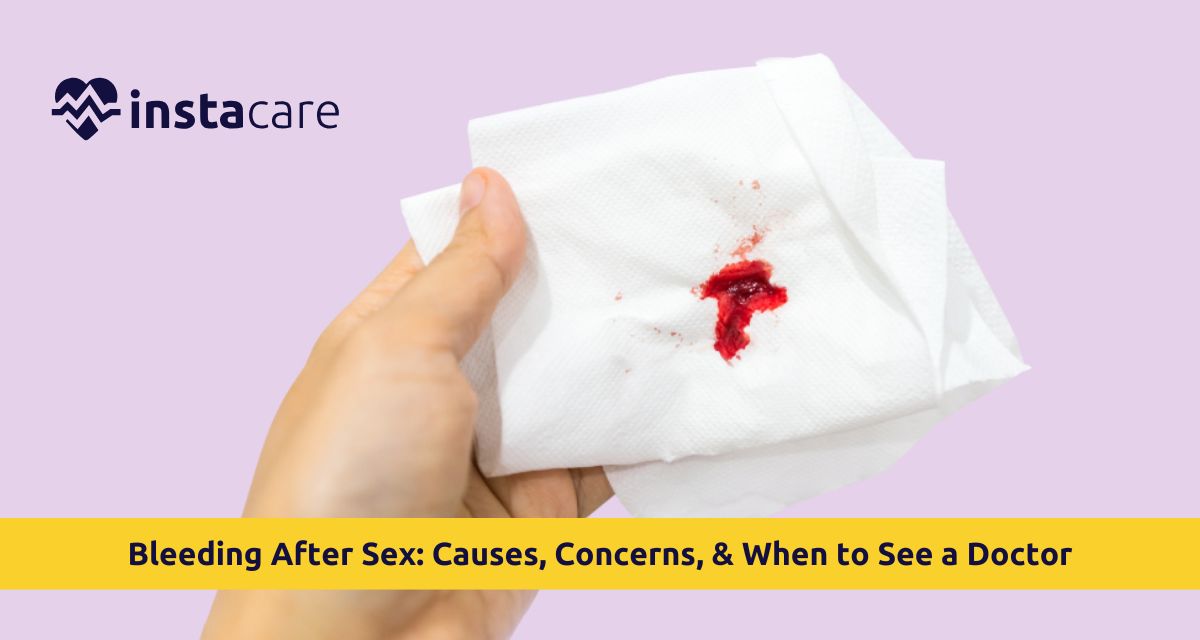
When it comes to sexual health, there are many aspects that can cause concern or confusion, especially for those who are new to sexual activity. One of the most common and worrying issues for many individuals, particularly women and their partners, is bleeding after sex, also known as postcoital bleeding. This condition can stem from a variety of causes, ranging from minor, temporary issues to more serious health problems. Understanding the reasons behind this phenomenon is crucial for addressing any underlying health concerns and for fostering a positive, healthy sexual relationship.
The biological aspect of bleeding after sex is closely linked to the anatomy and physiology of the female reproductive system. The vagina and cervix are lined with mucous membranes that can be susceptible to minor tears and irritations, especially during sexual intercourse. These can be due to insufficient lubrication, vigorous sexual activity, or even the use of certain sexual positions. Moreover, the cervix itself can be a source of bleeding, as it undergoes changes throughout the menstrual cycle and can be more prone to bleeding at certain times.
For many couples, experiencing bleeding after sex can be alarming, leading to concerns about health, fertility, and the overall quality of their sexual relationship. However, it's essential to approach this issue with a clear understanding of the potential causes and the necessary steps to address them. By combining education, communication, and preventative measures, individuals can work towards minimizing the risk of bleeding after sex and ensuring that their sexual health needs are met.
Understanding the Biological and Chemical Aspects
The human body, particularly the female reproductive system, is a complex interplay of biological and chemical reactions. During sexual intercourse, numerous physiological changes occur, including increased blood flow to the genitals, the release of hormones such as oxytocin and estrogen, and the potential for minor physical trauma to the vaginal and cervical tissues. Understanding these biological responses and how they can influence the likelihood of bleeding after sex is key to managing and preventing this condition.
One of the lesser-known aspects of sexual health is the role of hormonal fluctuations and how they impact the reproductive system. For women, the menstrual cycle is characterized by changes in hormone levels, which can affect the thickness and health of the cervical mucus, as well as the susceptibility of the vaginal walls to irritation. Furthermore, conditions such as polycystic ovary syndrome (PCOS) or thyroid disorders can also influence hormonal balance, potentially contributing to bleeding after sex.
In addition to hormonal factors, the chemistry of sexual intercourse itself plays a significant role. The use of certain lubricants or sexual enhancement products can sometimes cause irritation or allergic reactions, leading to bleeding. Moreover, the pH balance of the vagina is crucial, as an imbalance can lead to infections and increased susceptibility to bleeding. By grasping these chemical and biological nuances, individuals can take more informed steps to protect their sexual health.

Practical Strategies for Prevention and Management
To minimize the risk of bleeding after sex, several practical strategies can be employed. First, ensuring adequate lubrication is vital, as dryness can lead to friction and irritation during intercourse. This can be achieved through the use of water-based or silicone-based lubricants, which are generally less irritating than oil-based products. Additionally, communication with one's partner is key, allowing for the expression of discomfort or pain, which can help in adjusting sexual positions or techniques to reduce the risk of bleeding.
Another approach is to focus on overall sexual health, including regular gynecological check-ups and STI screenings. These measures can help identify any underlying conditions that may be contributing to bleeding after sex, allowing for timely intervention and treatment. Moreover, maintaining a healthy lifestyle, including a balanced diet, regular exercise, and stress management, can enhance overall well-being and reduce the risk of sexual health issues.
For some individuals, particularly those experiencing recurring or significant bleeding after sex, medical consultation is not just recommended but necessary. A healthcare provider can conduct a thorough examination, potentially including a Pap smear or other diagnostic tests, to determine the cause of the bleeding and recommend appropriate treatment. This might involve hormonal therapies, treatments for infections, or in some cases, minor surgical procedures to address physical abnormalities.
In terms of life hacks for managing bleeding after sex, individuals can benefit from keeping a sexual health journal to track incidents of bleeding, noting any potential triggers or patterns. This information can be invaluable in discussions with healthcare providers, helping to pinpoint causes and develop effective management strategies. Additionally, maintaining an open dialogue with one's partner about sexual health and comfort can foster a supportive environment, where concerns can be addressed without stigma or embarrassment.
:max_bytes(150000):strip_icc()/3520909-article-top-causes-of-vaginal-bleeding-after-sex-5a7393ab8e1b6e003734b521.png)
Frequently Asked Questions
What are the most common causes of bleeding after sex?
Bleeding after sex can stem from a variety of causes, including minor tears or irritations of the vaginal walls or cervix, hormonal fluctuations, infections, and in some cases, more serious conditions such as cervical polyps or cancer. It's essential to consult with a healthcare provider to determine the specific cause, as this will guide the appropriate treatment or management strategy.
The diagnosis process typically involves a physical examination, a review of the individual's medical and sexual history, and potentially, diagnostic tests such as a Pap smear or colposcopy. Understanding the cause of the bleeding is crucial for addressing any underlying health concerns and for providing reassurance, as in many cases, the cause is not serious and can be easily managed with minor adjustments to sexual practices or through medical treatment.
How can I prevent bleeding after sex?
Prevention of bleeding after sex involves a combination of educational awareness, communicative relationships, and practical measures. Ensuring adequate lubrication during intercourse is one of the simplest and most effective strategies, reducing friction and the risk of minor tears. Additionally, maintaining good sexual health through regular check-ups and screenings can help identify potential issues before they become problematic.
Open communication with one's partner is also vital, allowing for the discussion of preferences, boundaries, and any discomfort experienced during sex. This can help in adjusting sexual practices to reduce the risk of bleeding, such as avoiding deep penetration or certain positions that may cause irritation. Furthermore, a healthy lifestyle, including a balanced diet and regular exercise, can enhance overall well-being and sexual health, potentially reducing the risk of bleeding after sex.
.jpg)
Is bleeding after sex a sign of an underlying health issue?
Bleeding after sex can indeed be a sign of an underlying health issue, ranging from minor infections or cervical polyps to more serious conditions such as cervical cancer. However, it's also important to note that in many cases, bleeding after sex is not a cause for major concern and can be attributed to temporary or minor conditions.
It's crucial for individuals experiencing bleeding after sex to consult with a healthcare provider, who can conduct a thorough evaluation to determine the cause. This may involve discussing sexual history, performing a physical examination, and potentially conducting diagnostic tests. By understanding the root cause of the bleeding, individuals can receive appropriate treatment or guidance on management strategies, addressing any health concerns and preventing future episodes.
Can bleeding after sex affect fertility?
The impact of bleeding after sex on fertility depends on the underlying cause of the bleeding. In many cases, especially when the cause is minor and transient, such as a small tear or irritation, fertility is not significantly affected. However, if the bleeding is due to an underlying condition that affects the reproductive system, such as endometriosis, pelvic inflammatory disease, or issues related to hormonal balance, it could potentially impact fertility.
It's essential for individuals concerned about fertility to discuss their situation with a healthcare provider. A comprehensive evaluation can help determine if the cause of the bleeding is related to a condition that may affect fertility, and appropriate treatments or management strategies can be recommended. In some cases, addressing the underlying condition can not only resolve the issue of bleeding after sex but also help in preserving or enhancing fertility.

How can I talk to my partner about bleeding after sex?
Discussing sensitive topics like bleeding after sex with a partner can be challenging but is an important part of maintaining open communication and a healthy sexual relationship. It's helpful to approach the conversation with empathy and honesty, choosing a comfortable and private setting where both parties feel safe and supported.
Starting the conversation by expressing care and concern for one's partner and the relationship can help set a positive tone. It's also beneficial to avoid blame or assumptions, focusing instead on the shared goal of understanding and addressing the issue together. By being open to discussion and receptive to each other's feelings and concerns, couples can work collaboratively to find solutions, whether that involves adjusting sexual practices, seeking medical advice, or simply offering emotional support.
Respecting the science behind sexual health, including the complex biological and chemical processes involved, makes us better equipped to manage and optimize our well-being. By embracing education and open dialogue, individuals can foster healthier relationships, both with themselves and their partners. This not only enhances sexual health but also promotes a more positive and empowered approach to overall wellness.
The journey to understanding and addressing issues like bleeding after sex is part of a broader path of self-discovery and health optimization. As we navigate the intricacies of sexual health, we also learn valuable lessons about communication, empathy, and the importance of proactive healthcare. By applying these lessons, we can cultivate a more profound respect for the human body and its many functions, leading to a more holistic and fulfilling approach to life.