Why Does It Feel Good To Masturbate

As we navigate the complexities of human experience, it's essential to acknowledge the intricate dance between our physical and emotional selves. One aspect of this dance that has long been shrouded in mystery and taboo is masturbation. Despite its widespread practice, the reasons why it feels good to masturbate remain poorly understood, leaving many to grapple with feelings of guilt, shame, or confusion. At its core, masturbation is a natural and normal part of human sexuality, tied deeply to our psychological well-being and personal growth.
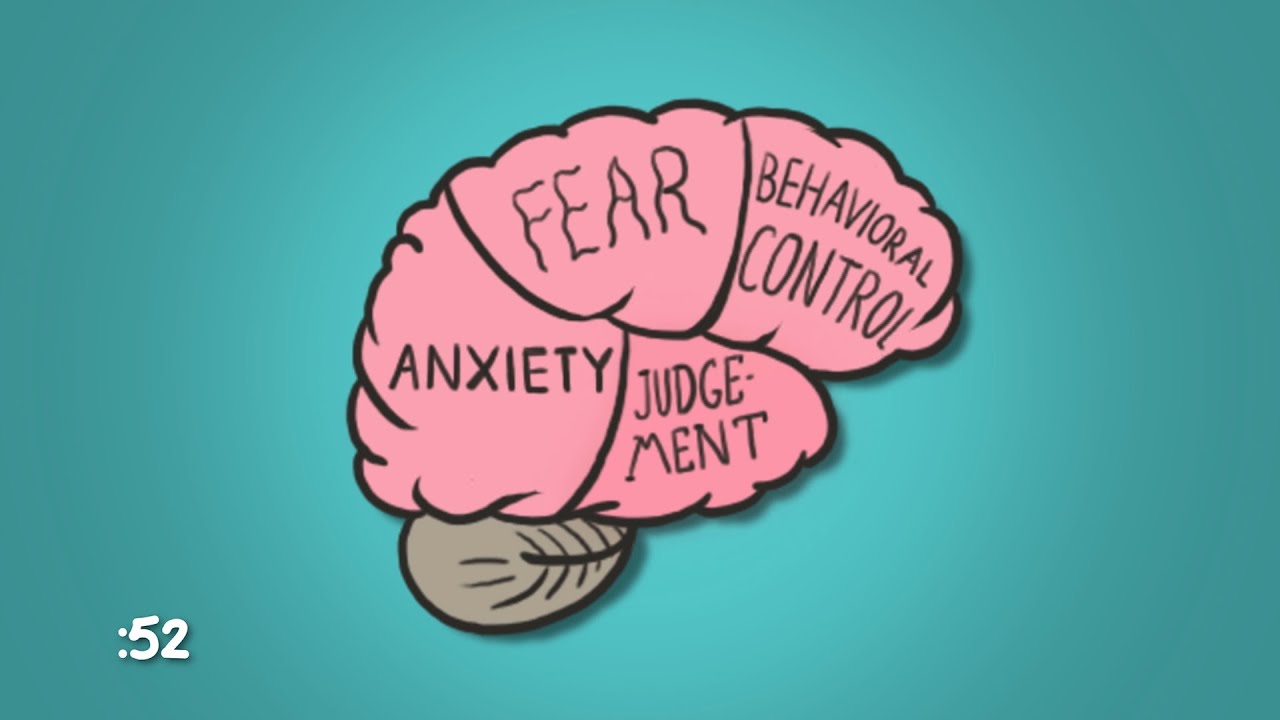
Our brains are wired to respond positively to pleasure, and masturbation is no exception. The act of masturbation triggers the release of dopamine, a neurotransmitter associated with feelings of pleasure and reward. This neurological response is a fundamental aspect of why masturbation feels good, as it taps into our brain's reward system, providing a sense of satisfaction and relaxation. Furthermore, masturbation offers a unique opportunity for self-exploration and understanding of one's own body and desires, which can be empowering and contribute to a healthier self-image and sexual health.
The Psychological Root of Masturbation
Delving into the psychological aspects of masturbation reveals a complex interplay of emotional triggers, cognitive biases, and mental hurdles. For many, masturbation serves as a coping mechanism for stress, anxiety, or other overwhelming emotions, providing a temporary escape and a means to regain emotional balance. The privacy and solitude that often accompany masturbation can also offer a sense of control and autonomy, which may be particularly appealing in times of uncertainty or chaos.
Must Read
In addition to its role in emotional regulation, masturbation is closely linked to self-awareness and understanding one's sexual identity. Through masturbation, individuals can explore their sexual preferences, boundaries, and responses in a safe and private environment. This process of self-discovery can be liberating, allowing people to develop a more positive and accepting relationship with their sexuality.
However, the psychological benefits of masturbation can be hindered by societal stigma and internalized shame. Negative attitudes towards masturbation, often rooted in cultural or religious beliefs, can lead to feelings of guilt or abnormality, undermining the potential for masturbation to contribute to mental well-being. It's crucial, therefore, to foster an environment of acceptance and openness, where individuals feel encouraged to explore their sexuality without fear of judgment or repercussions.
Overcoming Emotional and Mental Hurdles
For those seeking to incorporate masturbation into their self-care routine or to overcome associated negative feelings, several strategies can be beneficial. Firstly, education and information are key. Understanding that masturbation is a normal and healthy part of human sexuality can help alleviate feelings of guilt or shame. Additionally, communication with partners or trusted individuals about sexual desires and boundaries can enhance intimacy and reduce misconceptions.

Developing a positive body image and practicing self-compassion are also essential. Focusing on the pleasure and satisfaction that masturbation can bring, rather than adhering to societal expectations or self-criticism, can significantly improve one's relationship with their body and sexuality. Furthermore, mindfulness and being present during masturbation can enhance the experience, allowing individuals to fully embrace their desires and responses without distraction or judgment.
A step-by-step approach to masturbation can also be helpful for those looking to explore their sexuality in a more intentional and fulfilling way. This might involve setting aside dedicated time for self-exploration, experimenting with different techniques or tools, and paying attention to what feels pleasurable and enjoyable. By adopting this mindset, individuals can transform masturbation into a meaningful practice that contributes to their overall well-being and sexual satisfaction.
Incorporating relaxation techniques and stress management strategies into one's routine can also facilitate a healthier approach to masturbation. Practices such as meditation, deep breathing, or yoga can help reduce anxiety and increase self-awareness, making it easier to engage in masturbation as a positive and enjoyable experience rather than a source of stress or guilt.
Frequently Asked Questions
Is Masturbation a Sign of Sexual Dysfunction or Inadequacy?
The notion that masturbation is a sign of sexual dysfunction or inadequacy is a harmful myth. Masturbation is a common and healthy sexual activity that can be practiced by individuals of all ages and relationship statuses. It does not indicate any lack of sexual fulfillment or dysfunction but rather serves as a means of sexual expression and self-satisfaction. Recognizing this can help dispel unnecessary feelings of inadequacy or shame, allowing individuals to view masturbation as a positive aspect of their sexual health.
The prevalence of masturbation across different demographics underscores its normalcy. Regardless of whether someone is in a relationship or single, masturbation can play a role in their sexual life, contributing to sexual well-being and satisfaction. It's essential to separate the act of masturbation from societal expectations or sexual performance, focusing instead on its inherent value as a means of personal pleasure and self-care.
How Does Masturbation Affect Mental Health and Well-being?
Masturbation has a positive impact on mental health and well-being, offering several benefits that can enhance an individual's quality of life. The release of endorphins and other neurotransmitters during masturbation can improve mood, reduce stress, and promote relaxation. This natural response can be particularly beneficial for individuals dealing with anxiety, depression, or other mental health challenges, providing a healthy coping mechanism and contributing to overall well-being.
Beyond its immediate effects, masturbation can also foster self-awareness and self-acceptance, which are crucial for mental health. By exploring and understanding their sexual desires and boundaries, individuals can develop a more positive self-image and improve their emotional resilience. This aspect of masturbation highlights its potential as a tool for personal growth and empowerment, particularly when practiced in conjunction with other self-care activities and a supportive mindset.
Can Masturbation Improve Sexual Satisfaction in Relationships?
Masturbation can indeed play a role in enhancing sexual satisfaction in relationships. By understanding and exploring their own sexual desires and preferences through masturbation, individuals can communicate their needs more effectively to their partners. This open communication can lead to a more fulfilling and satisfying sexual relationship, as both partners are better equipped to meet each other's needs and desires.
Furthermore, masturbation can help individuals develop a healthier sexual self, which can benefit their relationships. Self-exploration through masturbation can increase sexual confidence, reduce sexual anxiety, and promote a more positive attitude towards sex. These benefits can translate into more satisfying sexual experiences with a partner, as individuals are more comfortable with their sexuality and better able to express their desires and boundaries.
Is It Normal to Masturbate Frequently, and How Often Is Too Often?
The frequency of masturbation varies widely among individuals and is influenced by numerous factors, including age, sexual health, and personal preferences. While there is no one-size-fits-all answer to what constitutes "normal" frequency, masturbation is generally considered a healthy activity when it does not interfere with daily life, relationships, or overall well-being.
Engaging in masturbation to the point where it becomes detrimental to other aspects of life, such as causing distress, affecting work or relationships, or serving as an avoidance mechanism for emotional issues, may indicate a need to reassess one's habits. However, for most people, masturbation remains a positive and enjoyable part of their sexual expression, and its frequency should be determined by what feels healthy and balanced for the individual.
:max_bytes(150000):strip_icc()/male-orgasm-information-2329076-ADD-FINAL-7871e0d481fa42908a2f8c1869781d7a.jpg)
How Can I Overcome Feelings of Guilt or Shame Associated with Masturbation?
Overcoming feelings of guilt or shame associated with masturbation involves a process of self-reflection and re-education. Recognizing that these negative feelings are often rooted in societal or cultural norms rather than any intrinsic flaw in masturbation itself is a crucial step. Seeking out accurate and positive information about masturbation can help counteract harmful myths and misconceptions, fostering a more inclusive and accepting attitude towards one's sexuality.
Practicing self-compassion and challenging negative self-talk are also vital. Acknowledging that masturbation is a natural part of human sexuality and that it's okay to enjoy one's body can significantly reduce feelings of guilt or shame. Additionally, engaging in open conversations with trusted individuals or seeking support from mental health professionals can provide a safe space to explore and address these feelings, ultimately leading to a more positive and healthy relationship with masturbation.
As we reflect on the complexities and benefits of masturbation, it becomes clear that this aspect of human sexuality offers a profound opportunity for personal growth, self-understanding, and emotional well-being. By embracing masturbation as a natural and healthy part of our sexual lives, we can work towards a more inclusive and accepting society, where individuals feel empowered to explore their desires and boundaries without fear of judgment or repercussions.
In conclusion, mastering the topic of masturbation leads to a more balanced human experience by fostering self-awareness, self-acceptance, and a positive body image. It encourages open communication about sexual desires and boundaries, contributing to more fulfilling relationships and a healthier sexual self. As we navigate the intricacies of human sexuality, it's essential to approach masturbation with empathy, understanding, and an open mind, recognizing its potential to enhance our well-being, relationships, and overall quality of life.