Why Do Women Cross Their Legs When Sitting

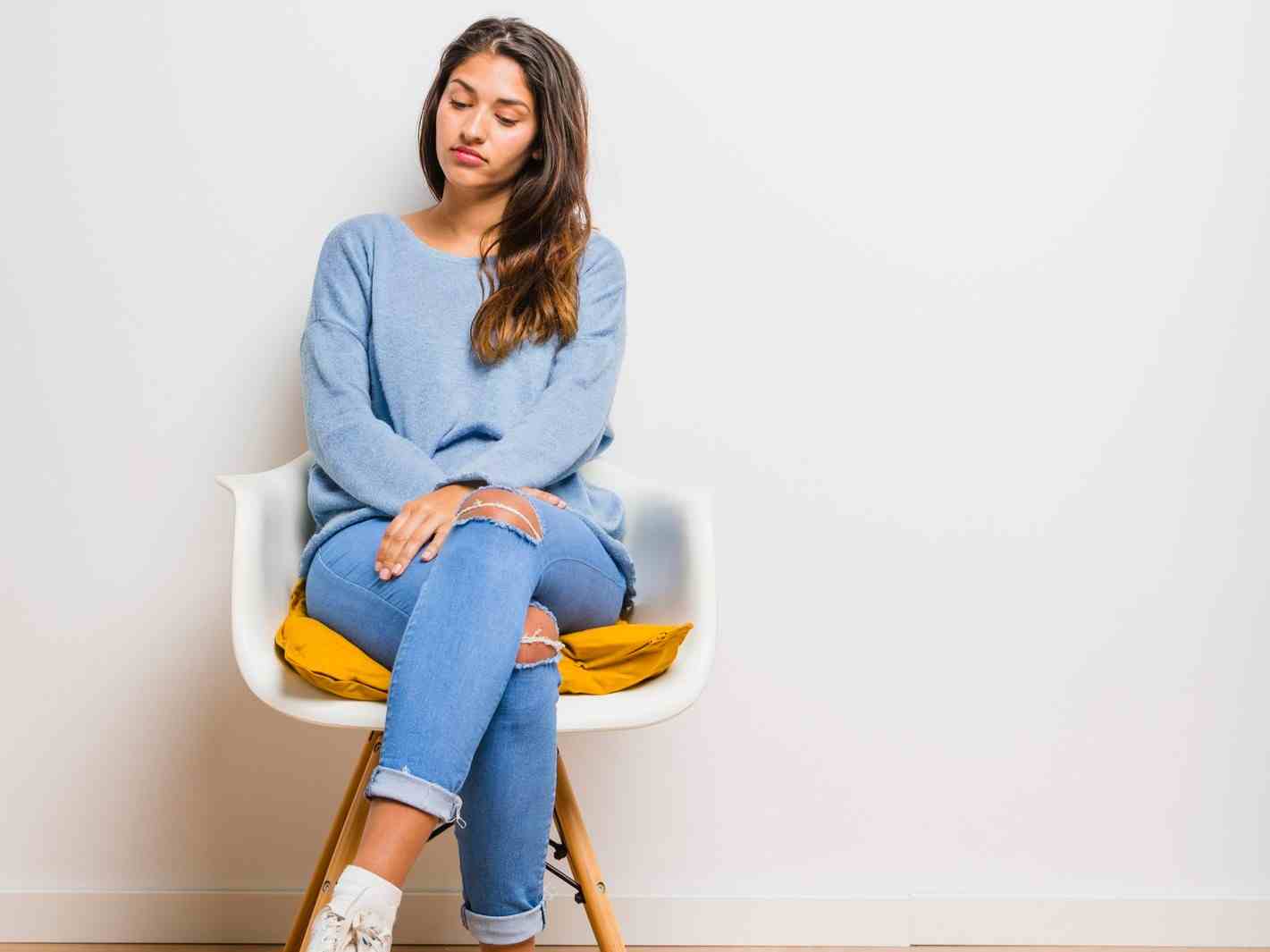
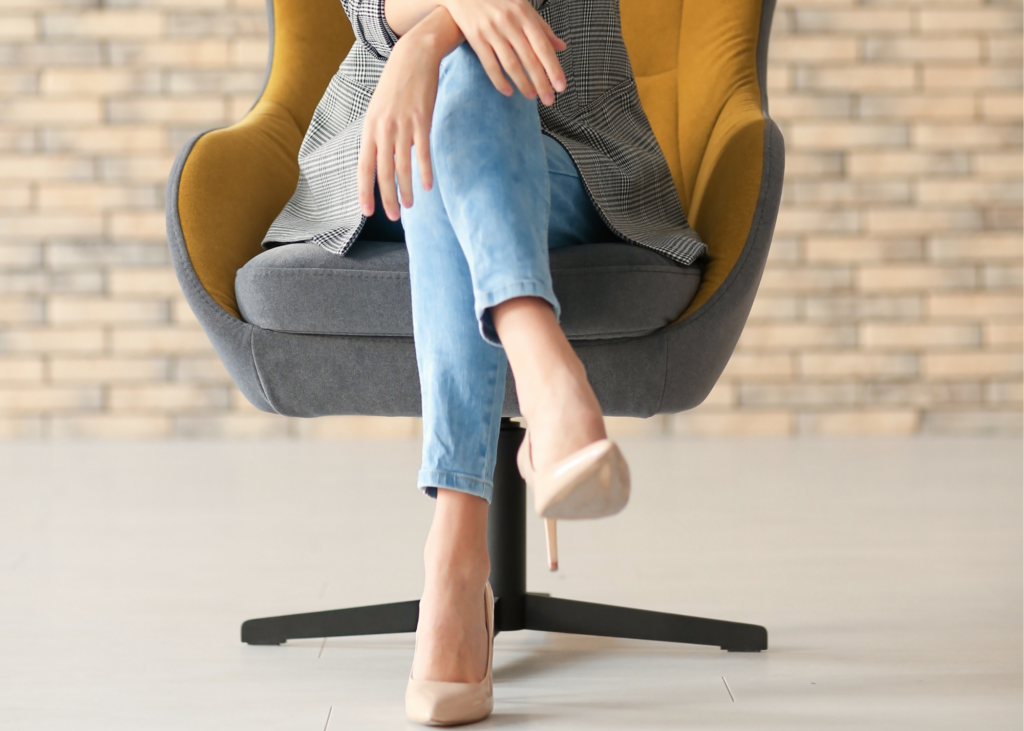
The way we sit can significantly impact our posture, comfort, and overall well-being. One common habit, particularly among women, is crossing their legs while sitting. This behavior is so ingrained that many of us do it without even realizing it. But have you ever stopped to think about why women cross their legs when sitting? Is it just a matter of personal preference, or is there a deeper biological or psychological explanation? To understand this phenomenon, we must first delve into the basic mechanics of sitting and how our bodies respond to different positions.
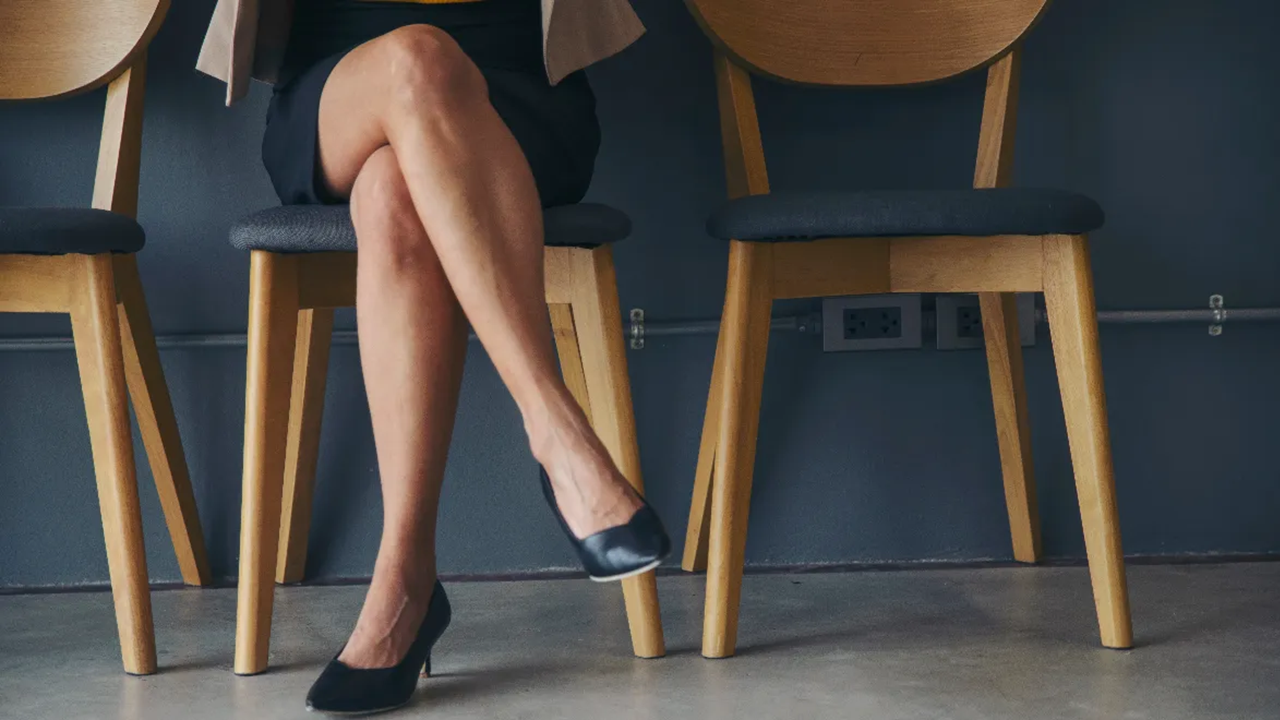
When we sit, our body weight is distributed across the seat and our legs. If we sit with our legs straight out or at a 90-degree angle, our weight is evenly distributed, and our muscles are able to relax. However, when we cross our legs, our weight shifts, and our muscles must work harder to maintain balance and stability. This can lead to tightening of the hip flexor muscles and shortening of the hamstring muscles, which can cause discomfort and stiffness over time. Despite these potential drawbacks, many women continue to cross their legs when sitting, suggesting that there may be other factors at play.
One possible explanation for this behavior is that it is a learned habit, passed down through cultural and social norms. Women are often encouraged to sit in a way that is deemed "ladylike" or "feminine," which can include crossing their legs. This can be reinforced by media representation, social pressure, and even family expectations. Additionally, some women may cross their legs as a way to conceal their genital area or to feel more modest in public. Whatever the reason, it is clear that this behavior is complex and multifaceted, influenced by a range of biological, psychological, and social factors.
Must Read
The Biology Behind Leg Crossing
From a biological perspective, leg crossing can be seen as a way to compensate for pelvic misalignment. When we sit, our pelvis can become misaligned, leading to discomfort and pain in the lower back and legs. By crossing our legs, we can adjust our pelvic position and reduce the strain on our muscles. This can be particularly beneficial for women, who are more prone to pelvic floor disorders and lower back pain. Additionally, leg crossing can help to increase blood flow to the legs and feet, which can be beneficial for women who experience circulatory problems or varicose veins.
Another biological factor that may contribute to leg crossing is hormonal fluctuations. During the menstrual cycle, women experience changes in hormone levels, particularly estrogen and progesterone. These hormonal fluctuations can affect the body's muscle tone and nerve sensitivity, leading to changes in posture and movement patterns. Some women may find that they are more likely to cross their legs during certain times of the month, as a way to cope with discomfort or pain. By understanding these biological factors, we can begin to appreciate the complex interplay between our bodies and our environment.
Furthermore, the biology of leg crossing can also be influenced by genetic predisposition. Some women may be more prone to leg crossing due to their individual anatomy or muscle structure. For example, women with a narrower pelvis or shorter legs may find it more comfortable to cross their legs when sitting. By acknowledging these genetic differences, we can work to develop more personalized and effective strategies for managing leg crossing and promoting overall well-being.
Mastering the Art of Leg Crossing
To master the art of leg crossing, it is essential to develop awareness of our body position and muscle tension. By paying attention to how we sit and how our legs are positioned, we can begin to identify patterns and habits that may be contributing to discomfort or pain. One strategy is to practice mindful sitting, taking a few minutes each day to focus on our breath and our body position. This can help us develop greater awareness and control over our muscles, allowing us to make more intentional choices about how we sit.
Another approach is to incorporate stretching and exercise into our daily routine. By stretching our hip flexor muscles and hamstring muscles, we can reduce tension and promote greater flexibility. This can be particularly beneficial for women who experience lower back pain or pelvic floor disorders. Additionally, exercising our core muscles can help improve our posture and reduce the strain on our legs and lower back.
In addition to these strategies, it is also important to optimize our sitting environment. By choosing a chair with good lumbar support and adjustable height, we can reduce the strain on our muscles and promote greater comfort. Additionally, taking regular breaks to stand up and move around can help reduce the risk of blood clots and varicose veins. By taking a comprehensive approach to managing leg crossing, we can promote greater well-being and reduce the risk of discomfort and pain.
Finally, it is essential to listen to our bodies and honor our needs. If we experience discomfort or pain when crossing our legs, it may be a sign that we need to adjust our position or take a break. By prioritizing our physical and emotional well-being, we can develop a more positive and empowered relationship with our bodies. Whether we choose to cross our legs or not, the most important thing is to take care of ourselves and make intentional choices about how we sit and move our bodies.
Frequently Asked Questions
What are the benefits of crossing my legs while sitting?
While crossing our legs can have some drawbacks, it can also have several benefits. For one, it can help to reduce pressure on the lower back and improve posture. Additionally, it can help to increase blood flow to the legs and feet, which can be beneficial for women who experience circulatory problems or varicose veins. However, it is essential to be aware of our body position and muscle tension, as crossing our legs can also lead to tightening of the hip flexor muscles and shortening of the hamstring muscles.
To maximize the benefits of leg crossing, it is crucial to practice mindful sitting and listen to our bodies. By paying attention to how we sit and how our legs are positioned, we can begin to identify patterns and habits that may be contributing to discomfort or pain. Additionally, incorporating stretching and exercise into our daily routine can help reduce tension and promote greater flexibility. By taking a comprehensive approach to managing leg crossing, we can promote greater well-being and reduce the risk of discomfort and pain.
How can I stop crossing my legs while sitting?
Stopping the habit of crossing our legs while sitting can be challenging, but there are several strategies that can help. One approach is to practice mindful sitting, taking a few minutes each day to focus on our breath and our body position. This can help us develop greater awareness and control over our muscles, allowing us to make more intentional choices about how we sit. Additionally, incorporating stretching and exercise into our daily routine can help reduce tension and promote greater flexibility.
Another approach is to optimize our sitting environment. By choosing a chair with good lumbar support and adjustable height, we can reduce the strain on our muscles and promote greater comfort. Additionally, taking regular breaks to stand up and move around can help reduce the risk of blood clots and varicose veins. By taking a comprehensive approach to managing leg crossing, we can promote greater well-being and reduce the risk of discomfort and pain.

What are the risks associated with crossing my legs while sitting?
Crossing our legs while sitting can have several risks, particularly if done frequently or for extended periods. One risk is nerve damage, which can occur when the peroneal nerve is compressed. This can lead to numbness, tingling, and weakness in the legs and feet. Additionally, crossing our legs can also lead to poor circulation, which can increase the risk of blood clots and varicose veins.
To minimize these risks, it is essential to practice mindful sitting and listen to our bodies. By paying attention to how we sit and how our legs are positioned, we can begin to identify patterns and habits that may be contributing to discomfort or pain. Additionally, incorporating stretching and exercise into our daily routine can help reduce tension and promote greater flexibility. By taking a comprehensive approach to managing leg crossing, we can promote greater well-being and reduce the risk of discomfort and pain.
Can crossing my legs while sitting affect my pelvic floor health?
Crossing our legs while sitting can have a significant impact on our pelvic floor health. When we cross our legs, we can put pressure on the pelvic floor muscles, which can lead to weakness and instability. This can increase the risk of urinary incontinence, prolapse, and other pelvic floor disorders. Additionally, crossing our legs can also affect our hormonal balance, particularly estrogen and progesterone levels, which can further contribute to pelvic floor problems.
To promote healthy pelvic floor function, it is crucial to practice pelvic floor exercises, such as Kegel exercises. These exercises can help strengthen the pelvic floor muscles and improve bladder control. Additionally, incorporating stretching and exercise into our daily routine can help reduce tension and promote greater flexibility. By taking a comprehensive approach to managing leg crossing and promoting pelvic floor health, we can reduce the risk of discomfort and pain.

How can I incorporate leg crossing into my exercise routine?
Incorporating leg crossing into our exercise routine can be a great way to improve flexibility and balance. One approach is to practice yoga or Pilates, which can help stretch and strengthen the hip flexor muscles and hamstring muscles. Additionally, incorporating leg swings and leg lifts into our routine can help improve circulation and coordination.
Another approach is to practice mindful movement, taking a few minutes each day to focus on our breath and our body position. This can help us develop greater awareness and control over our muscles, allowing us to make more intentional choices about how we move. By incorporating leg crossing into our exercise routine, we can promote greater flexibility, balance, and overall well-being.
By respecting the science behind leg crossing, we can gain a deeper understanding of our bodies and our behavior. This knowledge can empower us to make more informed choices about how we sit and move, allowing us to promote greater well-being and reduce the risk of discomfort and pain. Whether we choose to cross our legs or not, the most important thing is to listen to our bodies and honor our needs. By doing so, we can develop a more positive and empowered relationship with our bodies, and live healthier, happier lives.
In conclusion, the science of leg crossing is complex and multifaceted, influenced by a range of biological, psychological, and social factors. By understanding these factors and taking a comprehensive approach to managing leg crossing, we can promote greater well-being and reduce the risk of discomfort and pain. Whether we are looking to improve our posture, reduce our risk of injury, or simply feel more comfortable and confident, the knowledge and strategies outlined in this article can help us achieve our goals and live our best lives.