Why Do I Get Emotional After Sex

Let's face it, sex is a big deal - it's a moment of intimacy, connection, and vulnerability with another person. And for many of us, it's not just a physical act, but an emotional one too. Emotional releases after sex are more common than you think, and it's time to talk about why it happens.
The Science Behind Emotional Releases
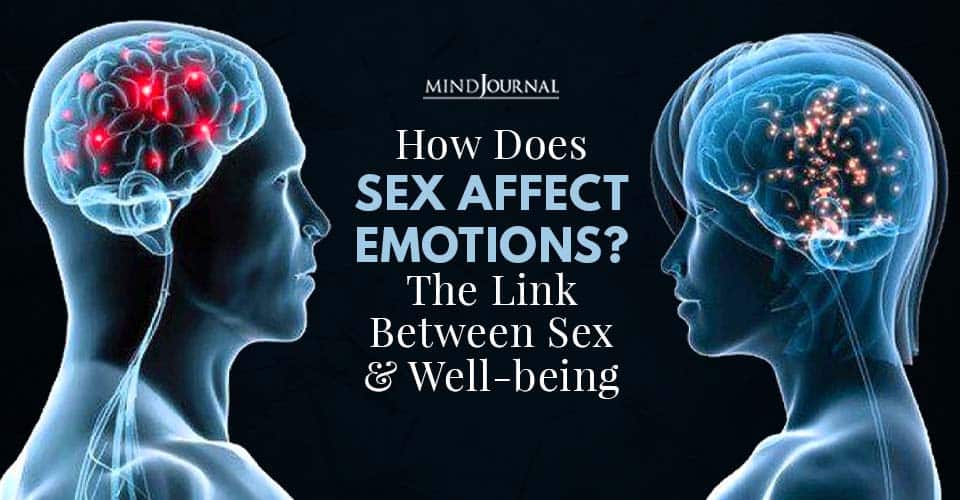
When we have sex, our brain releases a cocktail of hormones like oxytocin, dopamine, and endorphins, which can create a strong emotional response. Oxytocin, often referred to as the "cuddle hormone," is particularly significant, as it promotes feelings of attachment and bonding. This hormonal surge can lead to a range of emotions, from happiness and relaxation to sadness and anxiety.
In addition to hormones, past experiences and emotional baggage can also contribute to emotional releases after sex. For some, sex can trigger memories or feelings associated with past traumas or relationships, leading to a strong emotional response. It's essential to recognize that these feelings are valid and can be a sign of emotional processing.
Cultural References and Media Representation
Pop culture often portrays sex as a purely physical act, neglecting the emotional complexities that come with it. However, shows like Sex and the City and Girls have started to explore the emotional side of sex, making it more relatable and normal to discuss. By representing a range of emotional experiences after sex, media can help break down stigmas and encourage more open conversations.
It's also worth noting that social media can play a role in shaping our attitudes towards sex and emotions. The curated highlight reels of other people's relationships can create unrealistic expectations and pressure to conform to certain standards. By recognizing the imperfections and vulnerabilities of real-life relationships, we can work towards a more authentic understanding of sex and emotions.

Practical Tips for Managing Emotional Releases
If you find yourself feeling overwhelmed after sex, there are some practical strategies that can help. Communication is key - talk to your partner about how you're feeling, and try to create a safe and supportive environment. Self-care is also essential, whether that means taking some alone time, practicing relaxation techniques, or engaging in activities that bring you joy.
It's also important to listen to your body and honor its needs. If you're feeling emotionally drained or struggling to process your emotions, consider seeking support from a mental health professional. By prioritizing your emotional well-being, you can work towards a healthier and more fulfilling relationship with yourself and others.
Fun Facts and Interesting Insights
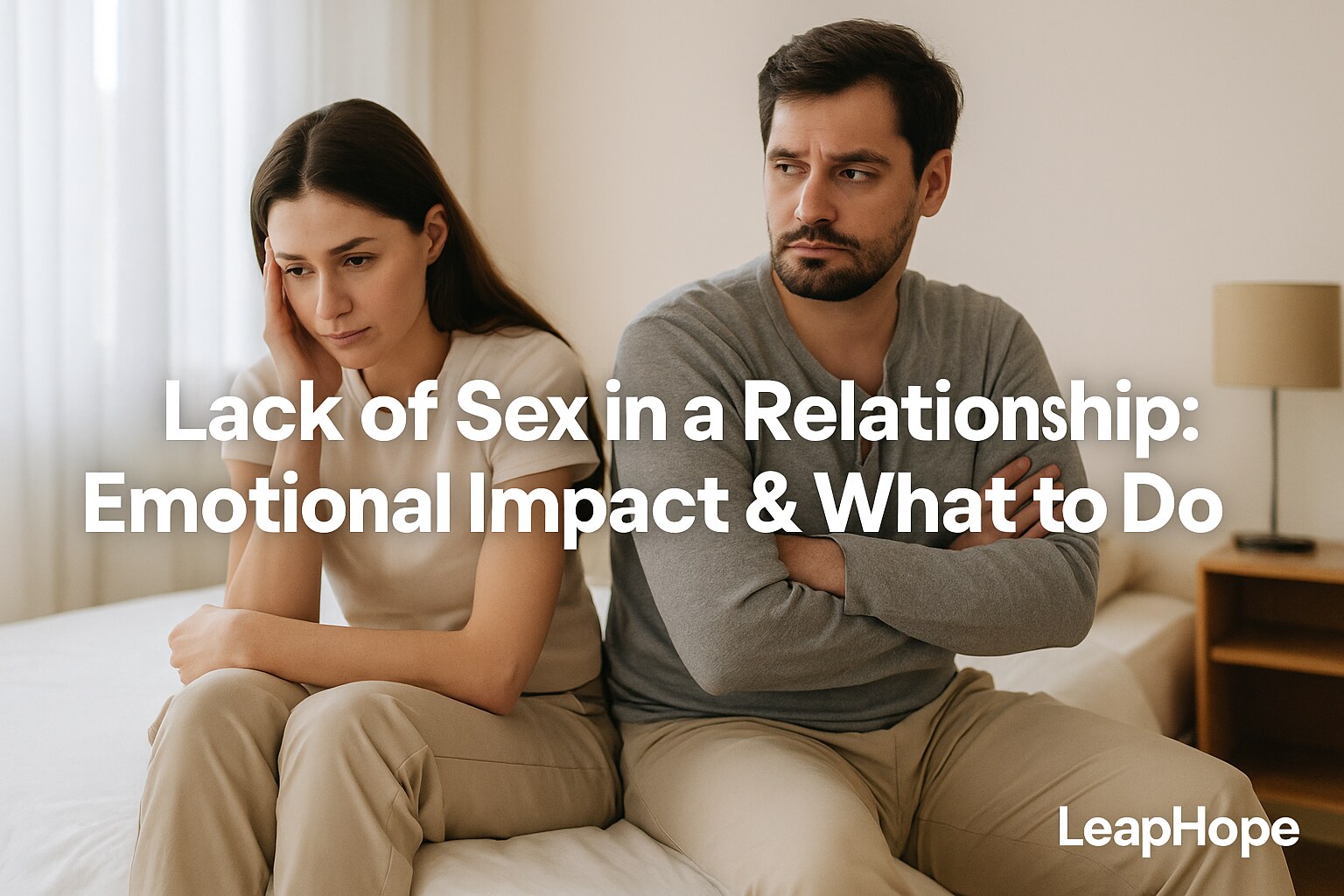
Did you know that men can experience emotional releases after sex too? While it's often associated with women, men can also feel a range of emotions, from vulnerability to emotional overload. It's essential to recognize that emotions are not gender-specific and that everyone can benefit from open and honest communication.
In some cultures, sex is seen as a spiritual act, with a deep emotional and emotional connection between partners. By embracing this perspective, we can work towards a more holistic understanding of sex and relationships, one that acknowledges the interconnectedness of body, mind, and spirit.
As we navigate the complexities of sex and emotions, it's essential to approach the topic with curiosity and compassion. By recognizing that emotional releases after sex are a normal part of the human experience, we can work towards creating a more inclusive and supportive community. So, the next time you find yourself feeling emotional after sex, remember that you're not alone - and that it's okay to feel whatever arises.
In the end, it's all about connection - with ourselves, our partners, and our community. By embracing the emotional complexities of sex, we can cultivate deeper, more meaningful relationships and a more authentic understanding of ourselves. So, let's keep talking, listening, and exploring - and see where the conversation takes us.