
Why Do I Get Cramping After Intercourse

Have you ever experienced cramping after intercourse, leaving you wondering what could be causing this discomfort? It's a more common issue than you might think, affecting a significant number of individuals worldwide. To understand why this happens, it's essential to delve into the basic science behind it. The human body is a complex system, and hormonal fluctuations, muscle contractions, and nervous system responses all play a role in sexual activity. When these systems interact, they can sometimes lead to discomfort or pain, including cramping.
One of the primary factors to consider is the role of oxytocin, often referred to as the "love hormone." Released during orgasm, oxytocin can cause uterine contractions in women, which might feel like cramping. Additionally, the physical act of intercourse can irritate the cervix or put pressure on the pelvic muscles, leading to cramping sensations. Understanding these biological responses can help in addressing the issue, making it clearer that cramping after intercourse is not just a matter of chance but can be influenced by various factors, including physical condition, emotional state, and the quality of the sexual encounter itself.
Furthermore, emotional and psychological factors cannot be overlooked. Stress, anxiety, and fear of pain can all contribute to muscle tension, which may exacerbate cramping. The mind-body connection plays a significant role in sexual function and comfort, highlighting the importance of a relaxed and positive mindset during sexual activity. By acknowledging the interplay of physical and emotional elements, individuals can begin to address cramping after intercourse more holistically, considering both biological and psychological strategies for relief.
Must Read
The Biology Behind Cramping
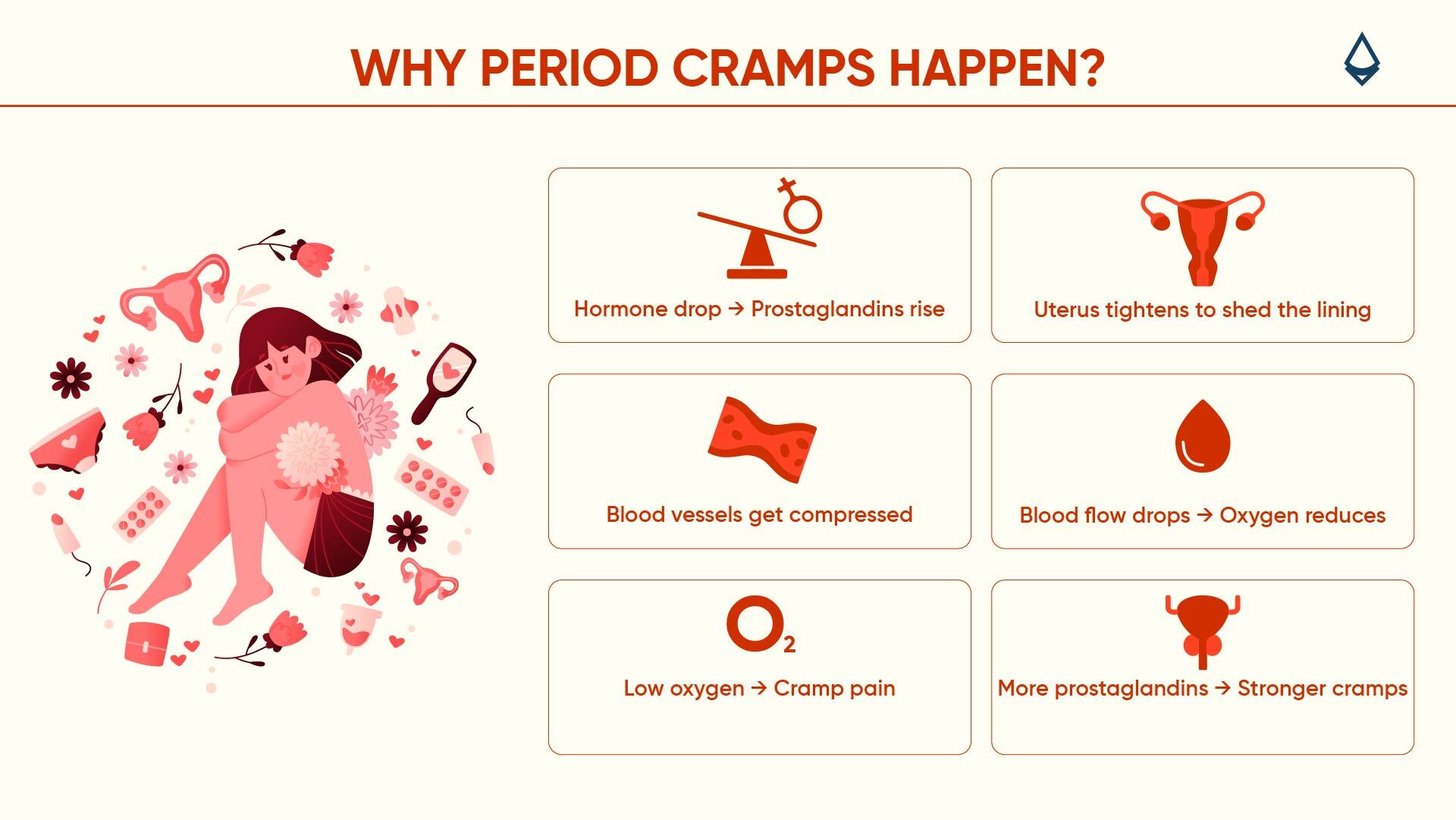
Delving deeper into the biology of the human reproductive system, it becomes clear that prostaglandins, hormone-like substances involved in various bodily functions, including inflammation and smooth muscle contraction, can play a significant role in cramping after intercourse. The endometrium, the lining of the uterus, produces prostaglandins, which can cause the uterus to contract. These contractions are usually mild but can be more pronounced in some individuals, leading to noticeable cramping.
In addition to prostaglandins, the physiology of sexual arousal and the body's nervous system response are crucial. Sexual arousal involves complex neural pathways and the release of various neurotransmitters, which can influence muscle tone and sensitivity. For some, the intensity of orgasm or the aftermath can cause unexpected muscle contractions or spasms, contributing to cramping. Understanding these physiological responses can provide insights into why cramping occurs and how it might be mitigated through awareness and control of one's body and emotional state.
The hormonal changes that occur throughout the menstrual cycle and during pregnancy can also affect the likelihood and intensity of cramping after intercourse. For example, women may experience more pronounced symptoms during certain phases of their cycle due to fluctuations in estrogen and progesterone levels. Recognizing these patterns can empower individuals to make informed choices about their sexual health and to seek medical advice when necessary, ensuring that any underlying conditions are properly managed.
Practical Strategies for Relief
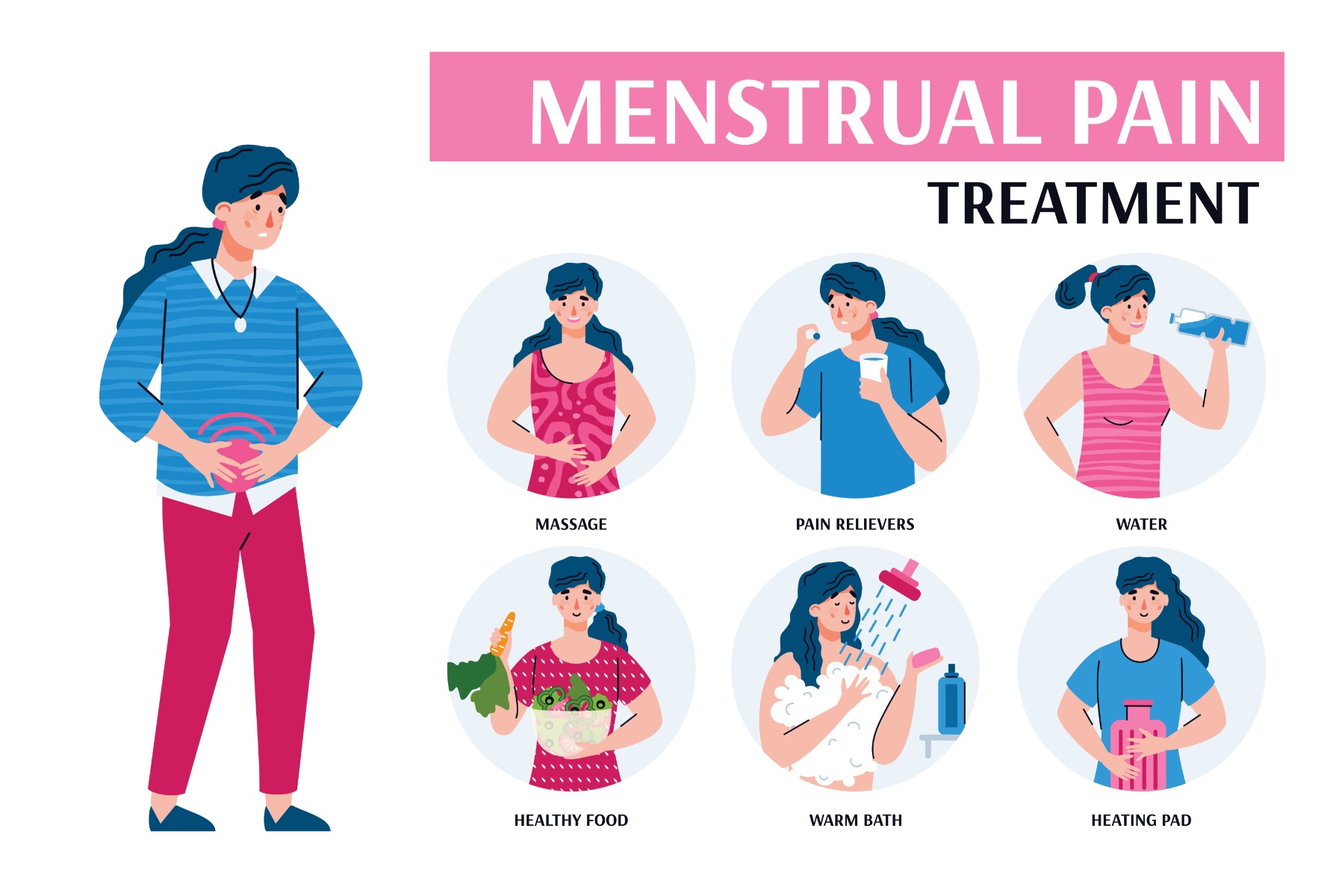
Another approach is to focus on physical comfort and positioning during intercourse. Experimenting with different positions can help identify those that put less pressure on the pelvic area, potentially reducing cramping. Furthermore, open communication with one's partner about discomfort or pain is crucial, allowing for adjustments and mutual understanding that can enhance the sexual experience and minimize adverse effects.
Warm baths or showers before or after intercourse can also provide relief by relaxing the muscles and improving blood flow to the pelvic area. In some cases, over-the-counter pain relievers might be recommended to alleviate cramping, though it's essential to consult with a healthcare provider before taking any medication, especially if the cramping persists or worsens over time.
Lastly, regular exercise and maintaining a healthy weight can contribute to overall physical well-being, including improved sexual health. Engaging in activities that strengthen the pelvic floor muscles, such as Kegel exercises, can provide additional benefits by enhancing sexual function and reducing the risk of discomfort or pain during and after intercourse.

Frequently Asked Questions
What Should I Do If Cramping After Intercourse Persists?
If cramping after intercourse persists or becomes severe, it's crucial to consult a healthcare provider. They can help determine the underlying cause and recommend appropriate treatment. In some cases, cramping might be a symptom of an underlying condition that needs medical attention, such as endometriosis, pelvic inflammatory disease, or a sexually transmitted infection.
A thorough medical evaluation may include a physical exam, discussion of sexual and medical history, and possibly diagnostic tests to rule out underlying conditions. Based on the diagnosis, treatment options might range from lifestyle adjustments and over-the-counter medications to more specialized medical interventions, depending on the cause and severity of the cramping. Early consultation with a healthcare provider can prevent unnecessary distress and ensure timely management of any underlying issues.
Can Certain Positions Reduce Cramping?
Yes, certain positions during intercourse can help reduce cramping by minimizing pressure on the pelvic area and uterine contractions. Positions that allow for greater control over depth and pace of penetration, such as being on top, can be beneficial. This control can help avoid deep penetration that might irritate the cervix or put additional pressure on the pelvic muscles, potentially reducing cramping.
Moreover, adopting positions that reduce the angle of penetration, such as the missionary position with pillows under the hips, can also help in minimizing discomfort. However, what works best can vary greatly between individuals, emphasizing the importance of communication with one's partner to find positions that are both comfortable and enjoyable for both parties involved.

How Does Stress Impact Cramping After Intercourse?
Stress can significantly impact cramping after intercourse by increasing muscle tension and potentially exacerbating uterine contractions. High levels of stress can lead to the release of hormones like adrenaline and cortisol, which prepare the body for 'fight or flight,' increasing heart rate, blood pressure, and muscle tone. This heightened state of arousal can contribute to discomfort and cramping during and after sexual activity.
Engaging in stress-reducing activities, such as meditation, yoga, or deep breathing exercises, can help mitigate the effects of stress on sexual health. Creating a relaxing atmosphere during sexual activity, such as dimming lights or playing soothing music, can also help in reducing stress and anxiety, making the experience more comfortable and enjoyable.
Are There Any Dietary Changes That Can Help Reduce Cramping?
Dietary changes can play a role in reducing cramping after intercourse. Consuming a diet rich in omega-3 fatty acids, found in foods like salmon and walnuts, can help reduce inflammation. Additionally, staying well-hydrated by drinking plenty of water and limiting intake of caffeinated and carbonated beverages, which can irritate the bladder and worsen cramping, is beneficial.
magnesium and calcium, are known for their muscle-relaxing properties and can be beneficial in reducing cramping. Including magnesium-rich foods like dark leafy greens, nuts, and seeds, and ensuring adequate calcium intake through dairy products or supplements can support muscle health and reduce the likelihood of cramping.
Can Cramping After Intercourse Be a Sign of an Underlying Condition?
Yes, cramping after intercourse can sometimes be a sign of an underlying condition that requires medical attention. Conditions such as endometriosis, adenomyosis, or pelvic inflammatory disease can cause significant pain and cramping during and after sexual activity. In some cases, cramping might also be associated with infections, such as sexually transmitted infections or urinary tract infections, which need to be diagnosed and treated appropriately.
If you experience persistent, severe, or worsening cramping, it's essential to consult a healthcare provider for a thorough evaluation. They can perform the necessary tests to determine if an underlying condition is causing the cramping and provide guidance on the best course of treatment. Early detection and management of these conditions can significantly improve symptoms and overall quality of life.
Conclusion
Understanding the reasons behind cramping after intercourse and exploring practical strategies for relief can empower individuals to take control of their sexual health. By acknowledging the complex interplay of biological, psychological, and lifestyle factors, individuals can make informed choices to enhance their sexual well-being. Whether through relaxation techniques, dietary adjustments, or open communication with partners, there are numerous approaches to mitigating discomfort and promoting a healthier, more fulfilling sexual experience.
Respecting the science behind our bodies and their functions is key to optimizing our daily lives, including our sexual health. By embracing a data-driven and pragmatic approach to understanding and addressing issues like cramping after intercourse, we not only improve our well-being but also foster a deeper appreciation for the intricate mechanisms that govern our bodies. This holistic understanding enables us to navigate life's challenges with greater efficiency and confidence, leading to more balanced and satisfying lives.



:max_bytes(150000):strip_icc()/HowPeriodvs.EarlyPregnancyCrampsFeel-illo-32b164c42e3542f98223b072b38a8161.jpg)

