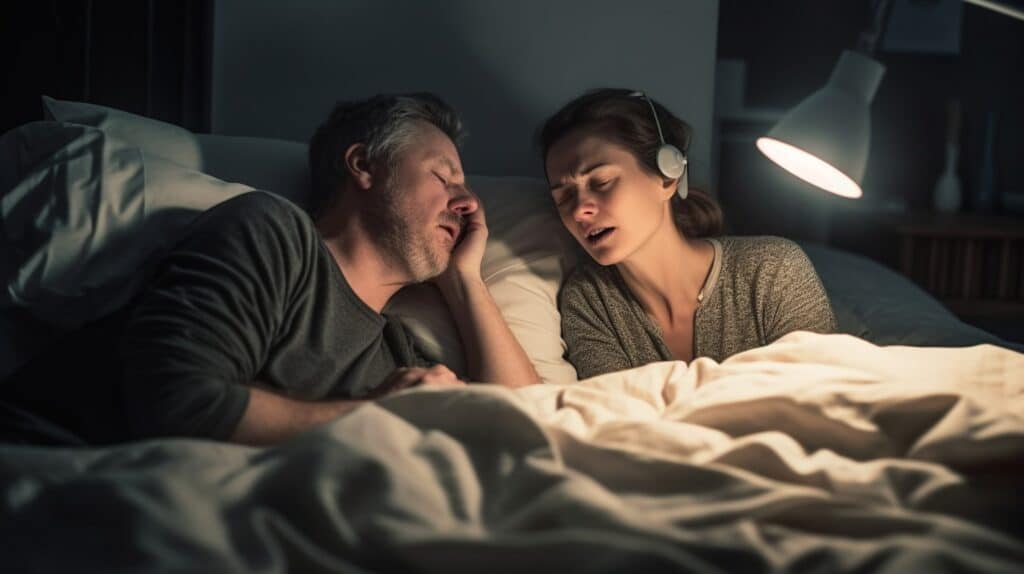
Why Are My Ears Ringing After Sex
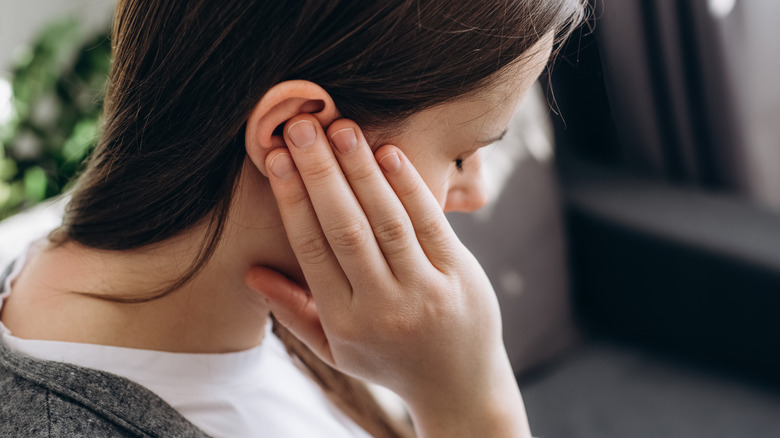
So, you've had a fun and intimate night with your partner, and everything seems perfect, but then you start to notice a strange sensation in your ears - they're ringing! This phenomenon is quite common, and it's not just related to sex, but it can be triggered by it. Ringing in the ears, also known as tinnitus, can be caused by a variety of factors, including loud noises, earwax buildup, or even certain medications.
But what's interesting is that
sex can be a trigger for tinnitusdue to the increased blood flow and pressure changes in the body. When we engage in sex, our body goes through a series of physical changes, including increased heart rate, blood pressure, and breathing rate, which can cause the blood vessels in the ears to expand and contract rapidly. This can lead to a temporary ringing or buzzing sound in the ears, which can be quite annoying, but usually harmless.
What's happening in our bodies?
During sex, the body releases endorphins and other chemicals that can cause blood vessels to dilate and constrict. This can lead to changes in blood pressure and flow, which can affect the ears and cause tinnitus. Additionally, the increased heart rate and blood pressure can also cause the eustachian tube to open and close more frequently, leading to a buildup of pressure in the ears and contributing to tinnitus.
Must Read
It's also worth noting that stress and anxiety can exacerbate tinnitus, and sex can be a stressful activity for some people, especially if they're not feeling fully comfortable or relaxed. Relaxation techniques, such as deep breathing, meditation, or yoga, can help reduce stress and anxiety, which may in turn help alleviate tinnitus symptoms. By managing stress and anxiety, individuals can reduce their likelihood of experiencing tinnitus, including after sex.
Tinnitus after sex - is it something to worry about?
In most cases, tinnitus after sex is not a cause for concern and will resolve on its own within a few minutes or hours. However, if the ringing persists or is accompanied by other symptoms such as dizziness, vertigo, or hearing loss, it's a good idea to consult a healthcare professional to rule out any underlying conditions. They can help determine the underlying cause of tinnitus and provide guidance on how to manage symptoms.
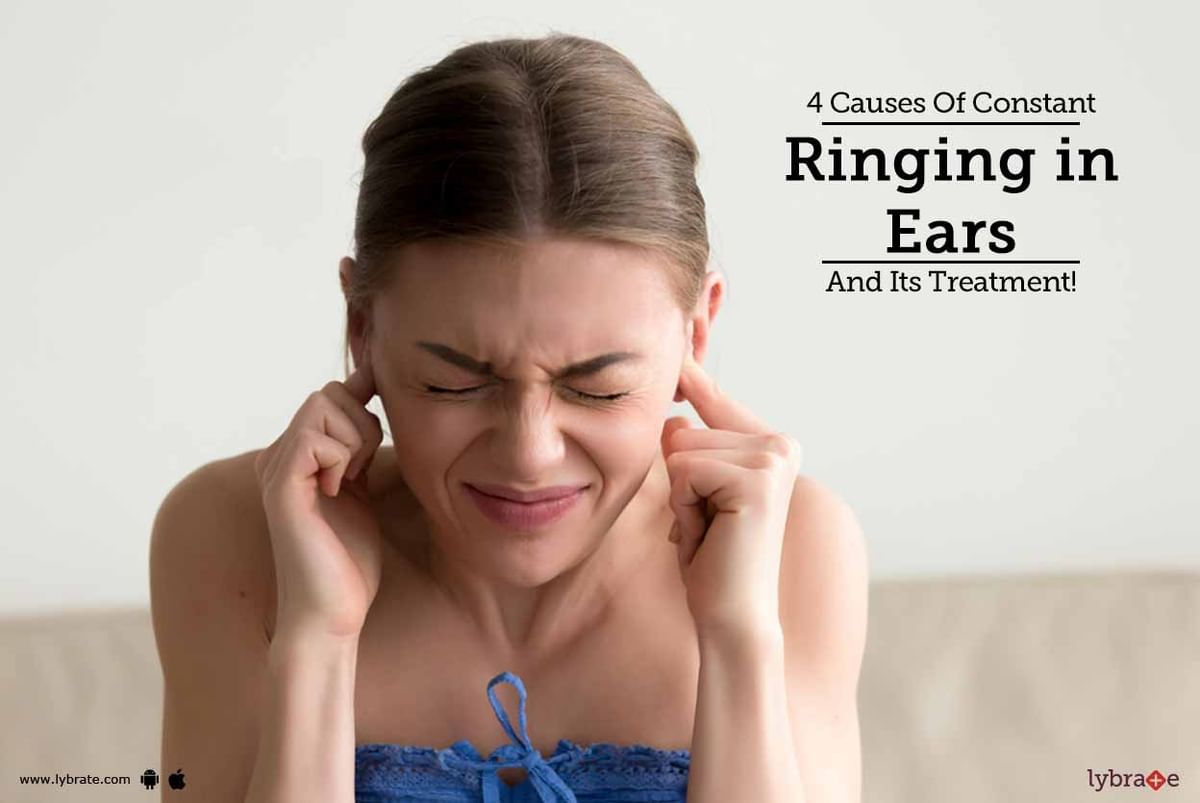
It's also important to note that pre-existing medical conditions can contribute to tinnitus, including high blood pressure, ear infections, or Meniere's disease. If you have a pre-existing condition, it's essential to discuss your symptoms with your healthcare provider to determine the best course of action. By working with a healthcare professional, individuals can develop a plan to manage their tinnitus and reduce its impact on their daily lives.
So, what can you do to prevent tinnitus after sex?
While it's not possible to completely prevent tinnitus after sex, there are some things you can do to reduce your risk. Practicing relaxation techniques, such as deep breathing or meditation, can help reduce stress and anxiety, which can contribute to tinnitus. Additionally, avoiding loud noises and protecting your hearing can help prevent tinnitus in general.
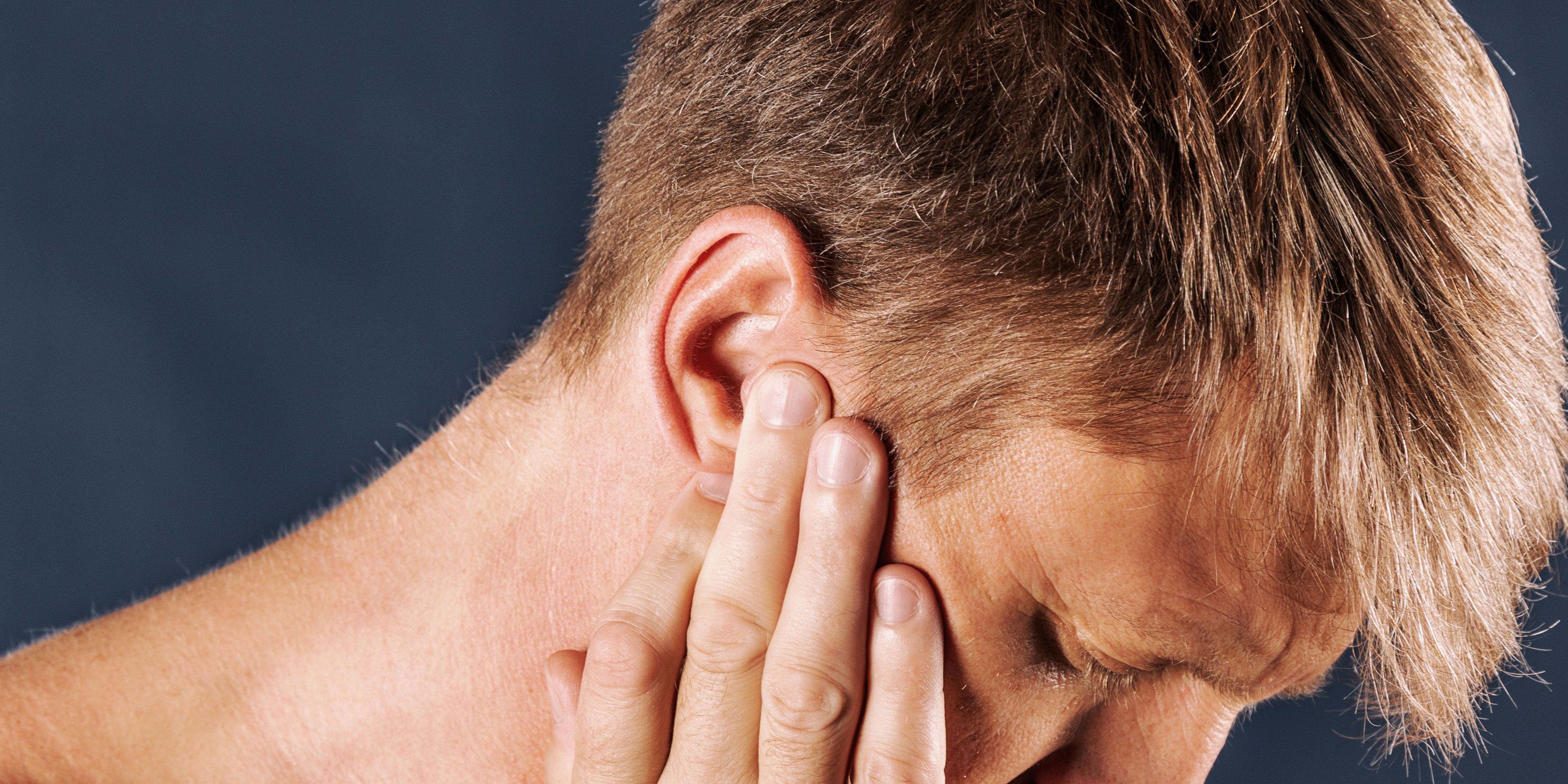
In conclusion, tinnitus after sex is a relatively common phenomenon that can be triggered by the physical changes that occur during intimacy. While it's usually harmless, it's essential to be aware of the potential causes and take steps to manage stress and anxiety, which can exacerbate symptoms. By staying relaxed and comfortable during sex, individuals can reduce their likelihood of experiencing tinnitus and enjoy a healthier, happier sex life.
So, the next time you notice your ears ringing after sex, don't panic! Instead, take a deep breath, relax, and remember that it's just your body's way of responding to the physical changes that occurred during intimacy. And if the ringing persists, don't hesitate to consult a healthcare professional for advice. With a little awareness and relaxation, you can enjoy a fun and intimate night with your partner without worrying about tinnitus ruining the mood.
It's worth noting that tinnitus can be a symptom of an underlying condition, so if you experience persistent or severe symptoms, it's crucial to seek medical attention. Additionally, lifestyle changes such as getting regular exercise, eating a balanced diet, and getting enough sleep can help reduce stress and anxiety, which can contribute to tinnitus. By taking care of your overall health, you can reduce your risk of experiencing tinnitus and enjoy a healthier, happier life.
Staying informed and taking control
By staying informed about tinnitus and its causes, you can take control of your symptoms and reduce your risk of experiencing it. Remember to stay relaxed and comfortable during sex, and don't hesitate to seek medical attention if you experience persistent or severe symptoms. With a little knowledge and awareness, you can enjoy a fun and intimate night with your partner without worrying about tinnitus ruining the mood.
In the end, tinnitus after sex is a common phenomenon that can be managed with a little awareness and relaxation. By taking care of your overall health and staying informed about tinnitus, you can reduce your risk of experiencing it and enjoy a healthier, happier life. So, go ahead and enjoy that intimate night with your partner, and don't let tinnitus get in the way of your fun!


:max_bytes(150000):strip_icc()/what-is-tinnitus-causes-effects-and-treatment-1046499-FINAL-625c4e619521406f9539472b65f7a916.png)