Why Are Men Obsessed With Breasts
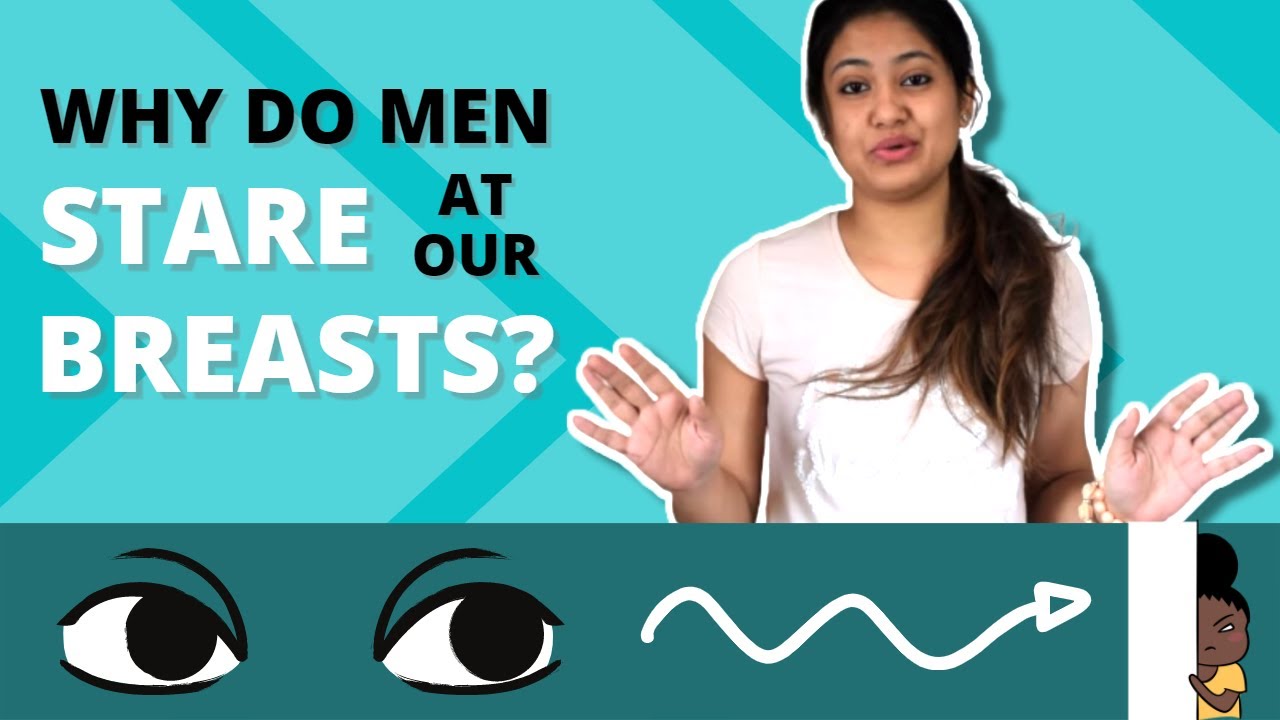
The human fascination with breasts is a complex and multifaceted phenomenon that has been debated and explored by scholars, scientists, and philosophers for centuries. At its core, this obsession can be attributed to a combination of biological, psychological, and sociocultural factors that have evolved over time. Our brains are wired to respond to visual stimuli, and the female breast, with its unique shape, size, and functionality, has become an object of intense interest and fascination. This fixation is not limited to men, as women also play a significant role in perpetuating and navigating the cultural significance of breasts. However, the male obsession with breasts is particularly noteworthy, as it reveals deeper insights into the human psyche, emotional triggers, and cognitive biases.
In modern times, the breast obsession has become even more pronounced, with the proliferation of social media, pornography, and mainstream media perpetuating unrealistic beauty standards and objectifying women's bodies. This has led to a culture where breasts are often seen as a symbol of femininity, sexuality, and attractiveness, rather than as a natural part of the human body. The consequences of this obsession can be far-reaching, affecting not only individuals but also relationships, communities, and society as a whole. By exploring the psychological roots of this phenomenon, we can gain a deeper understanding of the emotional triggers, mental hurdles, and cognitive biases that drive this obsession, and ultimately work towards a more balanced and empathetic human experience.
The Psychological Roots of Breast Obsession
One of the primary drivers of the male breast obsession is the complex interplay between biology and culture. From an evolutionary perspective, the female breast is a symbol of fertility and nurturing, triggering a deep-seated response in men to protect and provide for their partners and offspring. This instinctual response is then reinforced by cultural and societal norms, which often objectify and sexualize women's bodies. The media plays a significant role in perpetuating these norms, with breasts frequently being used as a marketing tool to sell products, services, and ideas. This constant exposure can lead to a hyperarousal of the brain's reward system, releasing dopamine and associating breasts with pleasure, desire, and excitement.
Another significant factor contributing to the breast obsession is the concept of scarcity and taboo. In many cultures, breasts are seen as private or forbidden, creating a sense of intrigue and fascination. This can lead to a cognitive bias known as the "forbidden fruit effect," where the restriction or taboo surrounding breasts only serves to increase their appeal and desirability. Furthermore, the breast obsession can also be linked to insecurity and low self-esteem, as some men may use the pursuit of breasts as a means to validate their masculinity, attractiveness, or worth.
The consequences of this obsession can be damaging, both for individuals and society as a whole. The objectification of women's bodies can lead to body shaming, low self-esteem, and eating disorders, while also perpetuating sexism and misanogyny. Moreover, the constant exposure to unrealistic beauty standards can create unrealistic expectations and dissatisfaction in relationships, ultimately affecting mental health and well-being. By acknowledging and addressing these underlying psychological drivers, we can begin to break free from the cycle of obsession and work towards a more empathetic and balanced understanding of human relationships.
Overcoming the Breast Obsession
So, how can we overcome this deep-seated obsession and cultivate a more balanced and empathetic approach to human relationships? The first step is to acknowledge and accept our emotions, rather than trying to suppress or deny them. By recognizing the psychological drivers behind our desires, we can begin to separate our biological and cultural influences, and develop a more nuanced understanding of our own motivations and behaviors. This can involve practicing self-reflection, self-compassion, and mindfulness, allowing us to tune into our thoughts, emotions, and physical sensations, and respond to them in a more intentional and empathetic way.

Another crucial step is to challenge and reframe our cultural and societal norms. By questioning and critiquing the media's portrayal of women's bodies, we can begin to break down the objectification and sexualization of breasts, and promote a more realistic and diverse representation of human beauty. This can involve engaging in open and honest conversations with others, supporting and amplifying the voices of women and marginalized communities, and advocating for policies and practices that promote equality, inclusivity, and respect.
In addition to these steps, it is essential to develop healthy relationships and communication skills. By practicing active listening, empathy, and validation, we can cultivate deeper and more meaningful connections with others, and move beyond the superficial focus on physical appearance. This can involve setting boundaries, prioritizing intimacy, and nurturing a sense of mutual respect, trust, and understanding. By doing so, we can create a more balanced and fulfilling experience of human relationships, and ultimately, a more compassionate and empathetic society.
Finally, it is crucial to practice self-care and self-compassion, recognizing that our thoughts, emotions, and behaviors are interconnected and influenced by our physical, emotional, and mental well-being. By prioritizing our own needs, nurturing our bodies and minds, and seeking support when needed, we can develop a more positive and empowered relationship with ourselves, and ultimately, with others. This can involve engaging in activities that bring us joy, practicing mindfulness and meditation, and seeking professional help when struggling with mental health or relationship issues.
Frequently Asked Questions
What is the difference between a healthy appreciation for breasts and an obsession?
A healthy appreciation for breasts involves recognizing and respecting their natural beauty, functionality, and cultural significance, while also acknowledging and honoring the autonomy, agency, and individuality of the person they belong to. In contrast, an obsession involves a fixation or preoccupation with breasts, often to the point of objectification, fetishization, or exploitation. This can lead to a loss of balance and perspective in relationships, as well as a neglect of other essential aspects of human connection, such as emotional intimacy, communication, and mutual respect.
In order to distinguish between a healthy appreciation and an obsession, it is essential to reflect on our motivations, emotions, and behaviors, and to consider the impact of our actions on others. By practicing self-awareness, empathy, and communication, we can cultivate a more nuanced and respectful understanding of human relationships, and ultimately, a more balanced and fulfilling experience of life.
How can I overcome my obsession with breasts and develop a more balanced approach to human relationships?
Overcoming an obsession with breasts requires a willingness to confront and challenge our underlying emotions, thoughts, and behaviors. This can involve seeking support from friends, family, or mental health professionals, practicing self-reflection and self-compassion, and engaging in activities that promote emotional intimacy, communication, and mutual respect. By developing a growth mindset, embracing vulnerability, and cultivating empathy, we can begin to shift our focus away from objectification and towards a more holistic and nuanced understanding of human relationships.
In addition to these steps, it is essential to practice patience and self-compassion, recognizing that overcoming an obsession is a process that takes time, effort, and dedication. By celebrating small victories, learning from setbacks, and remaining committed to our goals, we can ultimately develop a more balanced and fulfilling approach to human relationships, and a more positive and empowered experience of life.
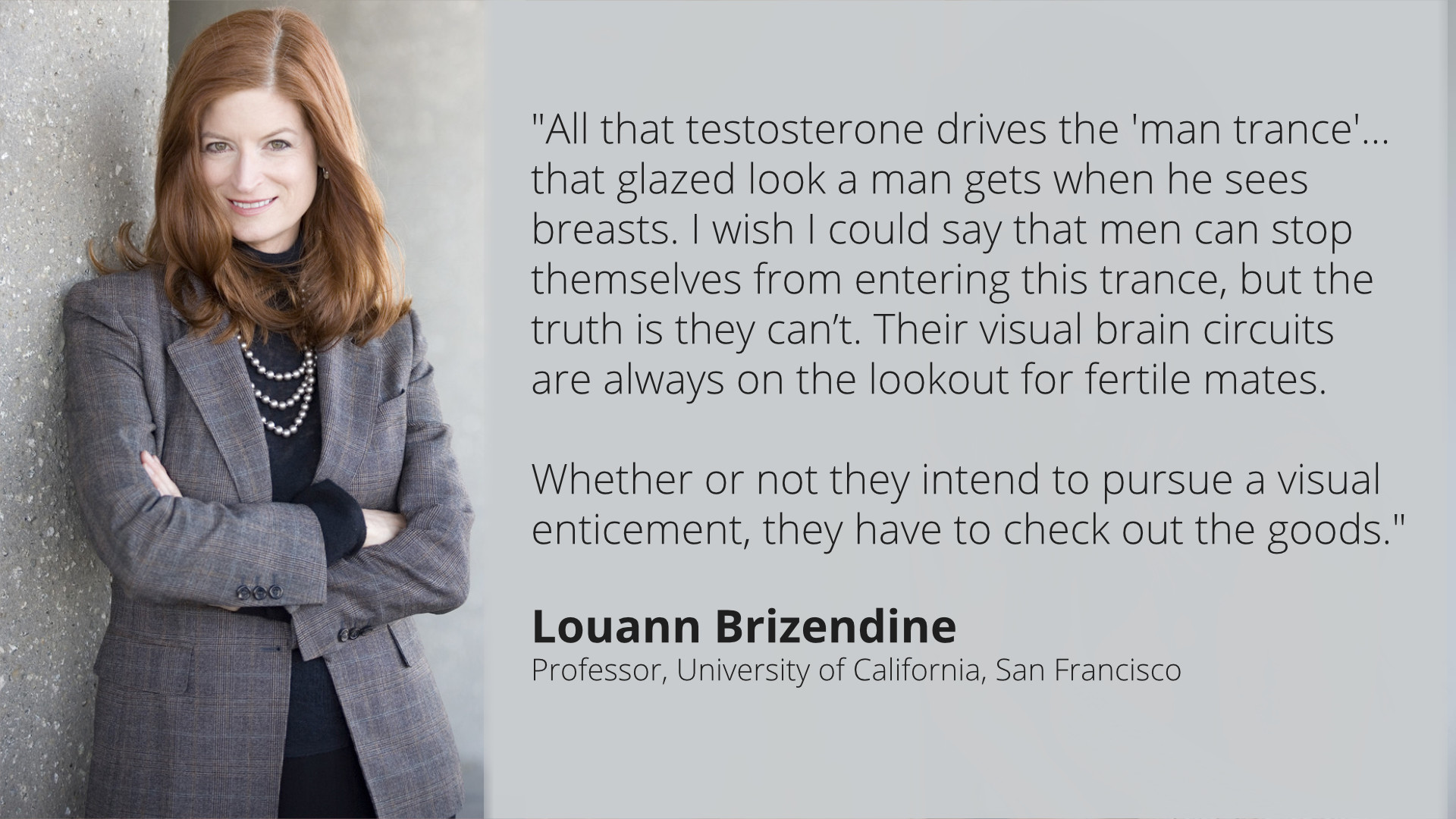
What role do societal and cultural norms play in perpetuating the breast obsession?
Societal and cultural norms play a significant role in perpetuating the breast obsession, as they often objectify and sexualize women's bodies, reinforcing the idea that breasts are a symbol of femininity, attractiveness, and sexuality. The media, in particular, is a powerful driver of these norms, frequently using breasts as a marketing tool to sell products, services, and ideas. By perpetuating unrealistic beauty standards and reinforcing the objectification of women's bodies, societal and cultural norms can contribute to a culture of obsession, where breasts are seen as a commodity or a status symbol rather than as a natural part of the human body.
In order to challenge and change these norms, it is essential to engage in critical thinking, question and critique the media's portrayal of women's bodies, and support and amplify the voices of women and marginalized communities. By promoting diversity, inclusivity, and respect, we can begin to break down the objectification and sexualization of breasts, and cultivate a more nuanced and empathetic understanding of human relationships.
How can I communicate my desires and boundaries with my partner in a healthy and respectful way?
Communicating our desires and boundaries with our partner is essential for building trust, intimacy, and mutual respect in relationships. This can involve practicing active listening, using "I" statements, and being clear and direct about our needs and desires. By creating a safe and non-judgmental space for open and honest communication, we can negotiate boundaries and find common ground, ultimately strengthening our connection and deepening our emotional intimacy.
In order to communicate our desires and boundaries in a healthy and respectful way, it is essential to prioritize empathy and understanding, recognizing that our partner's needs and desires may differ from our own. By being patient, flexible, and open-minded, we can find creative solutions that honor and respect both partners' boundaries and desires, ultimately cultivating a more fulfilling and satisfying experience of human relationships.
What are some strategies for overcoming body shaming and promoting positive body image?
Overcoming body shaming and promoting positive body image requires a holistic approach that involves self-reflection, self-compassion, and social support. This can involve practicing mindfulness and meditation, engaging in activities that promote self-care and self-love, and surrounding ourselves with positive and supportive relationships. By challenging and reframing negative self-talk, celebrating our unique qualities and strengths, and promoting diversity and
In addition to these strategies, it is essential to seek support from mental health professionals, join support groups, and engage in activism that promotes positive body image and challenges the cultural and societal norms that perpetuate body shaming. By working together to create a more inclusive and compassionate society, we can ultimately promote a more positive and empowering experience of human relationships, and a more fulfilling and satisfying experience of life.
As we reflect on the complex and multifaceted nature of the breast obsession, it becomes clear that mastering this topic requires a deep understanding of the psychological, emotional, and sociocultural factors that drive our desires and behaviors. By acknowledging and accepting our emotions, challenging and reframing our cultural and societal norms, and practicing self-reflection, self-compassion, and mindfulness, we can begin to break free from the cycle of obsession and cultivate a more balanced and empathetic approach to human relationships.
Ultimately, the journey towards a more positive and empowered experience of human relationships is a lifelong process that requires patience, self-awareness, and commitment. By embracing vulnerability, cultivating empathy, and promoting positive body image, we can create a more compassionate and inclusive society, where individuals can thrive, grow, and flourish in a safe, supportive, and non-judgmental environment. As we strive to master the complexities of the breast obsession, we can ultimately discover a more profound and meaningful understanding of ourselves, our relationships, and our place within the world.