Why Am I Not Feeling Pleasure When Ejaculating

The human experience is replete with complexities, and one of the most personal and sensitive topics is the exploration of sexual pleasure, particularly in the context of ejaculation. For many, the climax of sexual activity is a moment of profound release and satisfaction, yet for others, it can be a source of confusion, anxiety, and disappointment. The question of why one might not feel pleasure when ejaculating pierces deep into the psychological and emotional fabric of an individual, touching on aspects of mental well-being, personal growth, and the intricate dance between physical sensation and psychological interpretation.
Our brains are wired to respond to pleasure and pain in highly individualized ways, influenced by a myriad of factors including past experiences, emotional state, and beliefs about sexuality and one's own body. The modern relevance of this topic cannot be overstated, as societal pressures, performance anxiety, and the psychological impact of media can all contribute to a disjointed experience of sexual pleasure. As we navigate the landscape of human intimacy and sexual expression, it's crucial to confront and understand the psychological roots of why some might find themselves disconnected from pleasure during what is typically considered a peak moment of physical and emotional release.
Exploring the Psychological Depths
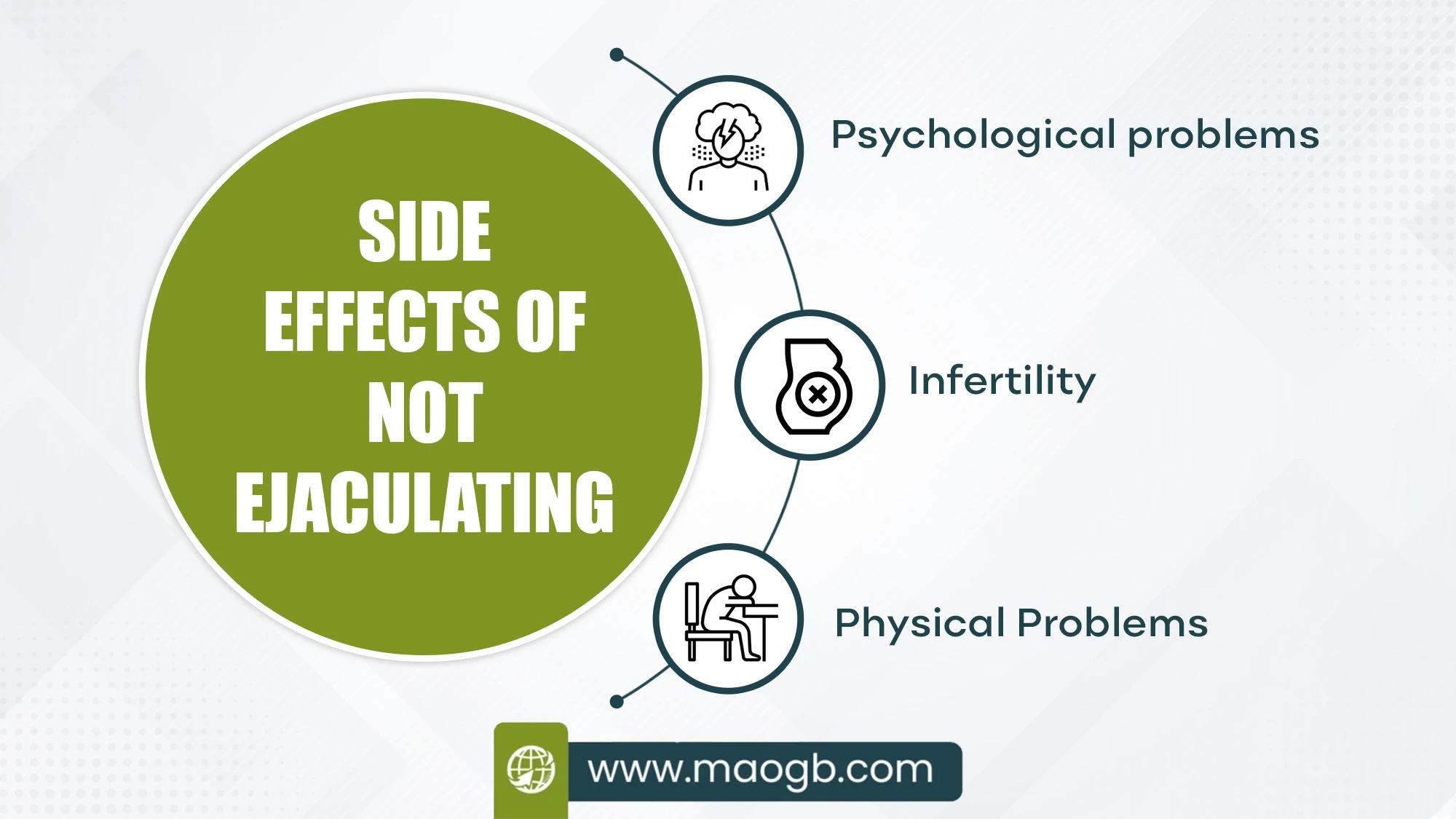
At the core of not feeling pleasure when ejaculating are often hidden emotional triggers and cognitive biases that can significantly affect an individual's sexual experience. These can range from body image issues and fear of intimacy to past traumas and internalized sexual shame. The mind-body connection during sexual activity is incredibly powerful, and stress, anxiety, or unresolved emotional conflicts can lead to a physical response that is less than satisfying, highlighting the necessity of addressing these underlying issues to reclaim a fulfilling sexual experience.
Must Read
A common scenario involves individuals who, despite having a healthy physical response to sexual stimulation, find themselves unable to fully immerse in the pleasure of the moment due to mental preoccupations or emotional baggage. This disconnect can stem from societal expectations, personal beliefs about sexual performance, or even the pressure to achieve orgasm, which can paradoxically hinder the ability to relax into the experience and enjoy it. Understanding and addressing these mental hurdles is key to healing and restoring a positive, pleasurable sexual experience.
The journey towards sexual fulfillment is also influenced by mental well-being and the practice of self-compassion. Recognizing that it's okay to not feel pleasure sometimes and acknowledging the complexity of human experience can be incredibly liberating. By embracing the entirety of one's emotional and physical landscape, individuals can begin to dismantle barriers to pleasure and cultivate a deeper connection with their own desires and needs, paving the way for a more authentic and satisfying sexual life.
Coping Mechanisms and Mindset Shifts
To address the issue of not feeling pleasure when ejaculating, it's essential to adopt a holistic approach that incorporates physical, emotional, and psychological strategies. One of the first steps involves practicing mindfulness and being present in the moment, allowing oneself to fully engage with the sensations and emotions that arise during sexual activity. This can be facilitated through meditation, deep breathing exercises, or simply taking the time to tune into one's body and its responses.

Another crucial aspect is communication—both with oneself and with one's partner. Expressing desires, needs, and concerns openly can help in identifying and addressing any emotional or psychological barriers to pleasure. Furthermore, exploring different techniques, positions, and forms of stimulation can help in discovering what works best for the individual, emphasizing the importance of experimentation and patience in the pursuit of sexual satisfaction.
Incorporating self-care and stress management techniques into daily life can also significantly impact one's sexual experience. Regular exercise, a balanced diet, and adequate sleep can improve overall physical and mental health, contributing to a more resilient and responsive sexual function. Additionally, engaging in activities that promote relaxation and reduce anxiety, such as yoga or reading, can help in creating a more conducive environment for pleasure and intimacy.
Lastly, considering professional help, whether through therapy or counseling, can provide a safe space to explore deeper psychological issues that may be impacting sexual pleasure. A professional can offer guidance and support in navigating complex emotions, challenging negative beliefs, and developing healthier attitudes towards sex and one's own body, ultimately leading to a more fulfilling and pleasurable sexual life.
Frequently Asked Questions
What Role Does Anxiety Play in Diminishing Sexual Pleasure?
Anxiety can significantly impact the sexual experience, often manifesting as performance anxiety, fear of intimacy, or generalized anxiety that permeates all aspects of life, including sexuality. When individuals are anxious, their bodies are in a state of heightened alertness, which can make it difficult to relax and fully engage in sexual activity, thereby reducing the potential for pleasure. Addressing anxiety through relaxation techniques, open communication with partners, and seeking professional help when needed can be pivotal in reclaiming sexual pleasure.

The impact of anxiety on sexual pleasure also underscores the importance of creating a safe and supportive sexual environment. This can involve setting boundaries, engaging in preliminary conversations about desires and fears, and ensuring that both partners feel comfortable and valued. By tackling anxiety head-on and fostering a culture of openness and understanding, individuals can work towards minimizing its detrimental effects on their sexual lives and enhancing their overall experience of pleasure.
How Does Past Trauma Affect Sexual Pleasure and What Can Be Done About It?
Past traumas, especially those related to sexual abuse or assault, can profoundly affect an individual's ability to experience sexual pleasure. The emotional and psychological scars from such experiences can lead to dissociation during sexual activity, fear of intimacy, or physical responses that are painful or unpleasurable. Healing from trauma requires a sensitive and multi-faceted approach, often involving professional therapy to process emotions, rebuild trust, and develop strategies for safe and consensual sexual expression.
The journey of healing and recovery is unique to each individual, and patience, self-compassion, and support are crucial. Engaging in therapy can provide a platform to explore feelings, beliefs, and bodily responses in a safe environment, helping to reconnect with one's sexuality in a positive and empowering way. Additionally, practices such as mindfulness, self-care, and creative expression can serve as powerful tools for healing and reclaiming one's sexual identity and pleasure.
:max_bytes(150000):strip_icc()/male-orgasm-information-2329076-ADD-FINAL-7871e0d481fa42908a2f8c1869781d7a.jpg)
Can Medication or Physical Health Issues Impact Sexual Pleasure?
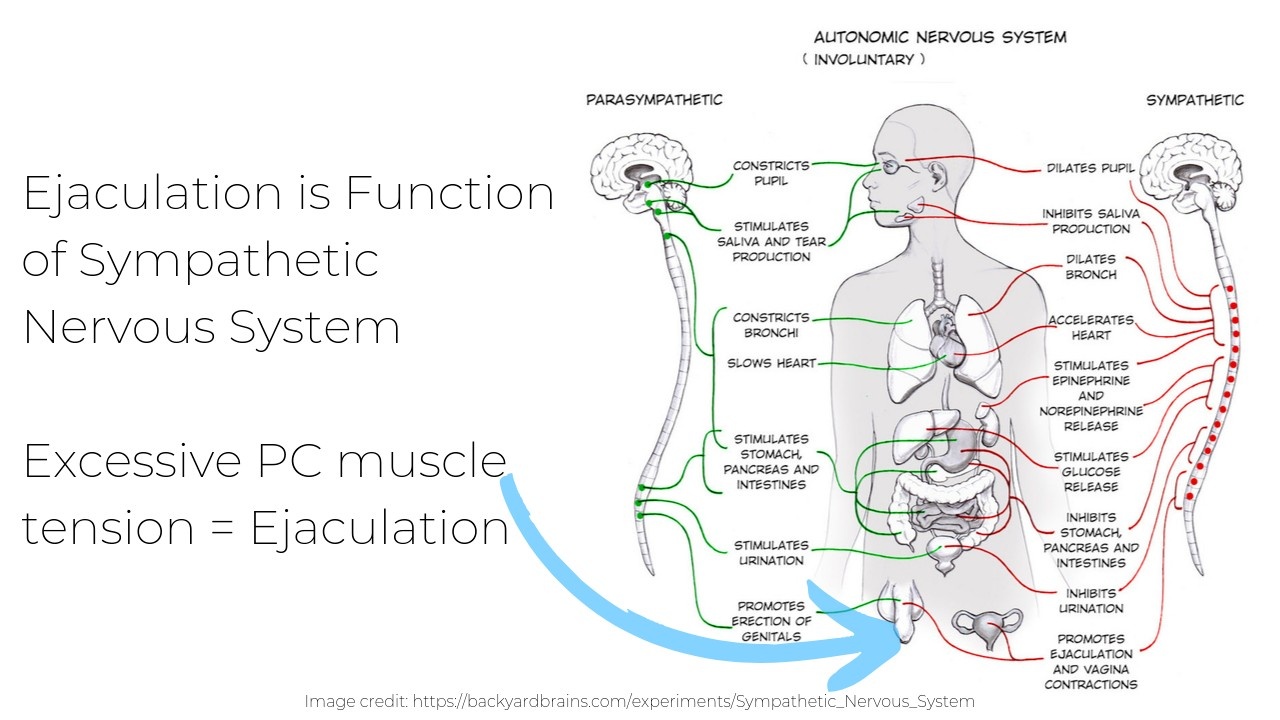
Yes, certain medications and physical health issues can significantly affect sexual pleasure. Various prescription drugs, including antidepressants, antihistamines, and blood pressure medications, can alter libido, affect arousal, or impact the ability to achieve orgasm. Similarly, health conditions such as diabetes, cardiovascular disease, and neurological disorders can impair sexual function and pleasure due to their effects on blood flow, nerve sensitivity, and hormonal balance.
Addressing these issues involves a comprehensive approach that includes medical evaluation, potential adjustment of medications, and lifestyle changes to manage underlying health conditions. Open communication with healthcare providers about sexual concerns is essential, as they can offer guidance on treating sexual side effects and recommend alternative treatments or therapies that may help mitigate these effects and improve sexual pleasure.
How Important Is Communication with One's Partner in Enhancing Sexual Pleasure?
Communication with one's partner is paramount in enhancing sexual pleasure. It allows for the expression of desires, needs, and boundaries, facilitating a deeper understanding and connection between partners. Open and honest communication can help in identifying any issues or concerns that might be affecting sexual pleasure, such as dissatisfaction with sexual routines, unmet emotional needs, or physical discomfort.
Effective communication also involves active listening and empathy, ensuring that both partners feel heard and validated. By fostering an environment of trust, respect, and openness, individuals can work together to explore new ways of experiencing pleasure, address any challenges that arise, and nurture a fulfilling and pleasurable sexual relationship. Regular 'check-ins' about sexual satisfaction, desires, and any issues can help maintain a healthy and pleasurable sexual connection over time.

What Are Some First Steps Towards Healing and Reclaiming Sexual Pleasure?
The first steps towards healing and reclaiming sexual pleasure involve self-reflection, education, and seeking support. This can include journaling about sexual feelings and experiences, reading about sexual health and pleasure, and considering therapy or counseling to address any underlying emotional or psychological issues. It's also beneficial to engage in self-care practices that promote physical and emotional well-being, such as exercise, meditation, and spending time in nature.
Another important step is to challenge negative beliefs or attitudes about sex and one's own body, working towards a more positive and accepting self-image. This might involve mindfulness practices, affirmations, or creative activities that help in reconnecting with one's body and desires. Additionally, exploring one's own sexuality through solo sexual activity can be a powerful way to understand what brings pleasure and to develop a more intimate relationship with oneself, which can, in turn, enhance sexual experiences with partners.
As individuals embark on the journey of understanding and addressing the psychological aspects of not feeling pleasure when ejaculating, they begin to unravel the complex interplay between mind, body, and emotion. This path, while deeply personal and sometimes challenging, offers a profound opportunity for growth, healing, and the rediscovery of sexual pleasure. By embracing vulnerability, seeking knowledge, and practicing self-compassion, individuals can work towards a more balanced and fulfilling sexual life, one that is characterized by pleasure, intimacy, and a deeper connection with oneself and others.
The ultimate goal of this journey is not just the restoration of sexual pleasure but the cultivation of a more authentic, empathetic, and whole human experience. As we navigate the intricacies of sexual psychology and well-being, we are reminded of the beauty and complexity of human sexuality—a facet of our lives that is intimately linked with our emotional, mental, and physical health. By approaching this aspect of our lives with kindness, curiosity, and an open heart, we pave the way for a richer, more satisfying experience of pleasure, intimacy, and connection, ultimately enriching our lives and relationships in profound and lasting ways.