When You Have A Yeast Infection Can You Have Intercourse

When it comes to yeast infections, there are a lot of myths and misperceptions floating around. One of the most common questions is whether it's okay to have intercourse when you have a yeast infection. The short answer is, it's generally not recommended, but let's dive deeper into the world of yeast infections and explore why.
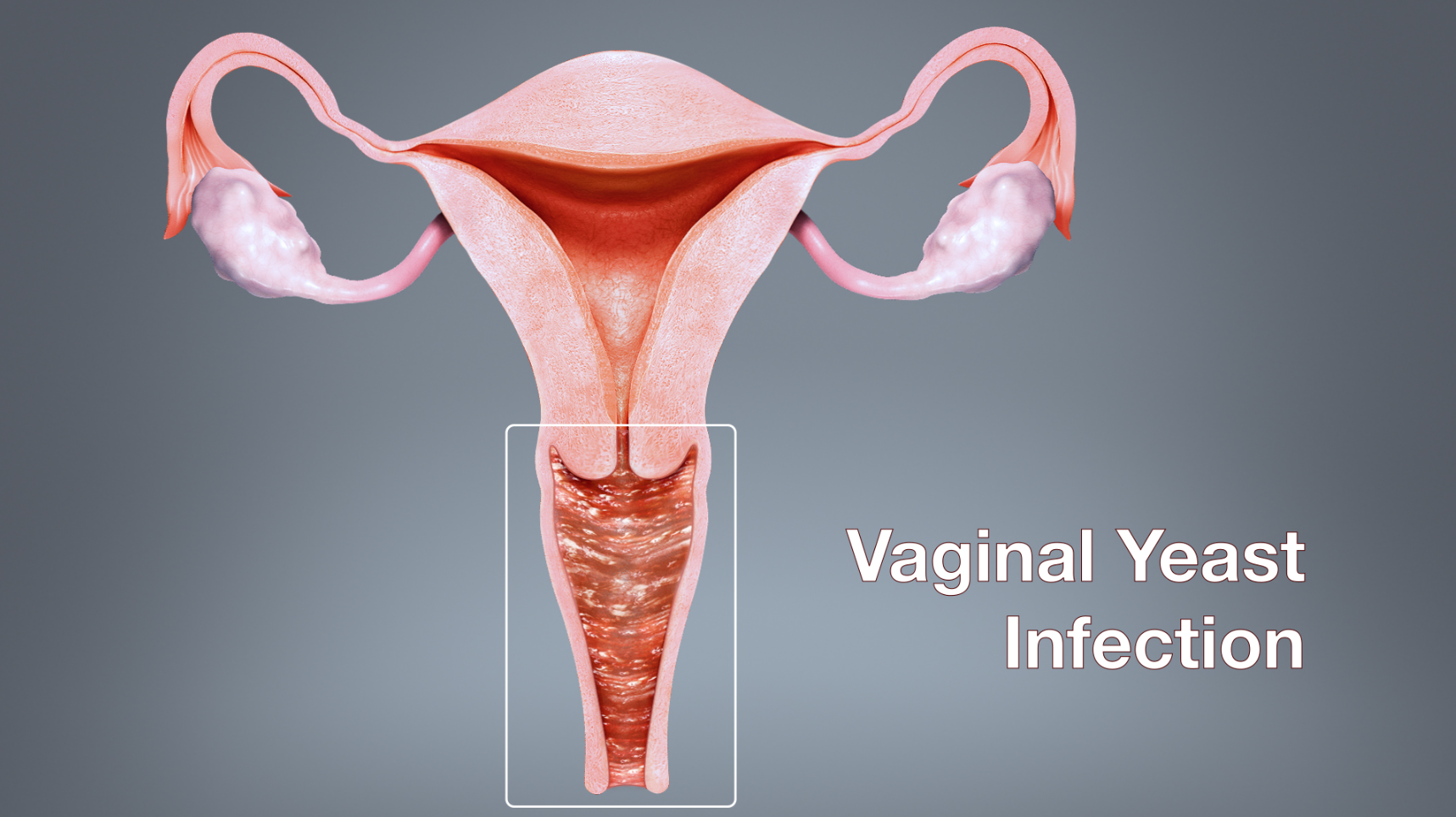
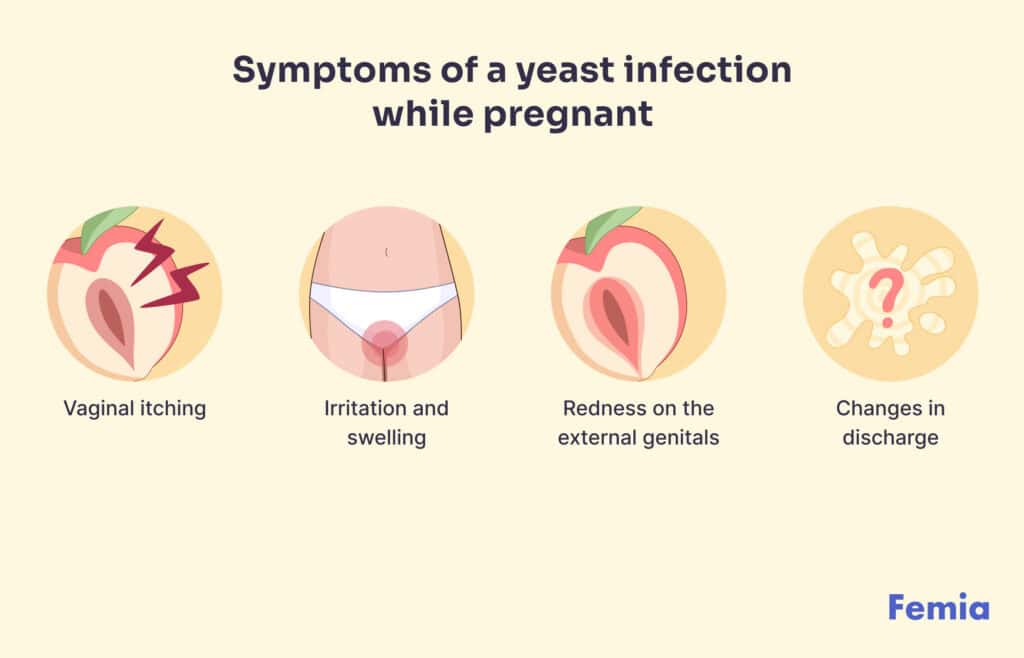
A yeast infection, also known as candidiasis, is a fungal infection that occurs when there's an overgrowth of yeast in the body. This can happen for a variety of reasons, including antibiotic use, hormonal changes, and even tight clothing. When you have a yeast infection, you may experience symptoms like itching, burning, and abnormal discharge.
What happens during intercourse?
During intercourse, the yeast infection can be transmitted to your partner, although this is relatively rare. However, the real concern is that intercourse can irritate the infected area, making symptoms worse and prolonging the healing process. This is why many healthcare professionals advise against having intercourse until the infection has been treated.
Must Read
In fact, the Centers for Disease Control and Prevention (CDC) recommend avoiding intercourse until all symptoms have resolved. This may seem like a bummer, but trust us, it's worth it in the long run. Not only will you avoid making the infection worse, but you'll also reduce the risk of passing it to your partner.
Practical tips for managing yeast infections
So, what can you do to manage a yeast infection and get back to your normal life? Firstly, practice good hygiene by wearing breathable clothing and avoiding scented soaps or perfumes. You can also try using over-the-counter antifungal medications or prescription medications if your infection is more severe.

In addition to these tips, there are some fun and easy ways to reduce your risk of getting a yeast infection in the first place. For example, did you know that yogurt with live cultures can help maintain a healthy balance of bacteria in your body? Or that probiotics can be found in foods like kefir and kombucha?
Cultural references and fun facts
In many traditional cultures, yeast infections have been treated with natural remedies like tea tree oil and garlic. While these remedies may not be backed by scientific evidence, they're an interesting example of how different cultures have approached this common problem. And speaking of pop culture, who can forget the infamous Sex and the City episode where Carrie Bradshaw deals with a yeast infection?

On a more serious note, yeast infections are a common problem that affects millions of women around the world. They're not just a natural part of life, but also a reminder of the importance of self-care and body awareness. By taking the time to understand our bodies and take care of ourselves, we can reduce our risk of getting yeast infections and improve our overall health and wellbeing.
As we navigate the ups and downs of daily life, it's easy to forget about the little things that can make a big difference. Whether it's taking the time to practice good hygiene or being more mindful of our bodily rhythms, there are many ways to reduce our risk of getting yeast infections and improve our overall health. So next time you're tempted to ignore that itchy feeling or push through despite the discomfort, remember that taking care of yourself is the best way to ensure a happy, healthy life.


:max_bytes(150000):strip_icc()/VWH_Illustration_Tips-to-Prevent-a-Yeast-Infection_Illustrator_Laura-Porter_Final-2b3b48db3f86497e9094532164a6086d.jpg)