What's The Size Of Liquid Allowed On Planes

The thrill of traveling by plane! Whether you're a seasoned jet-setter or a nervous flyer, one thing that's always on our minds is what we can and can't bring on board. Specifically, when it comes to liquids, gels, and aerosols, there are strict rules to follow, and knowing them can save you a lot of hassle at security checkpoints.
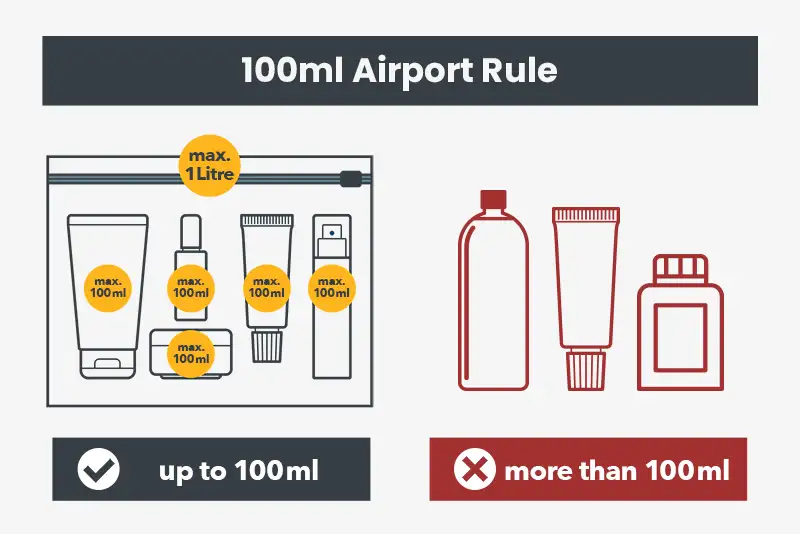
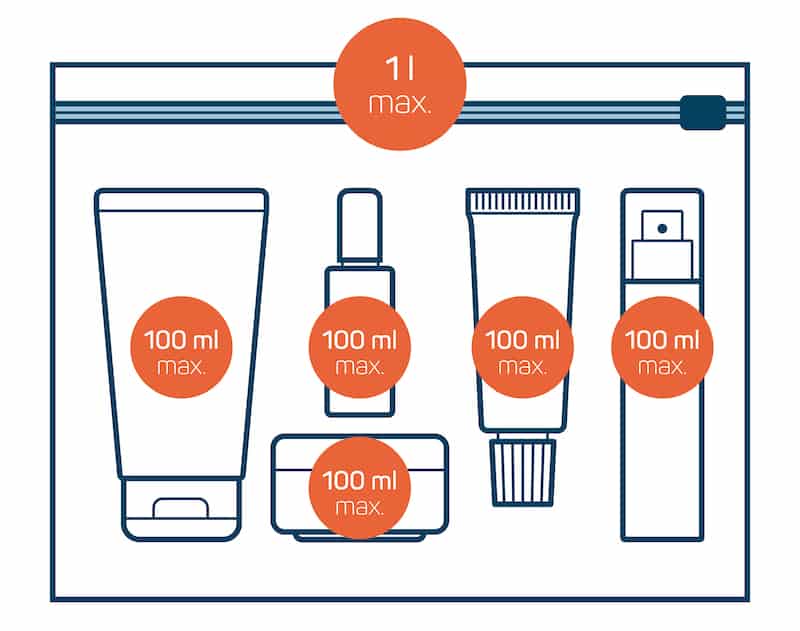
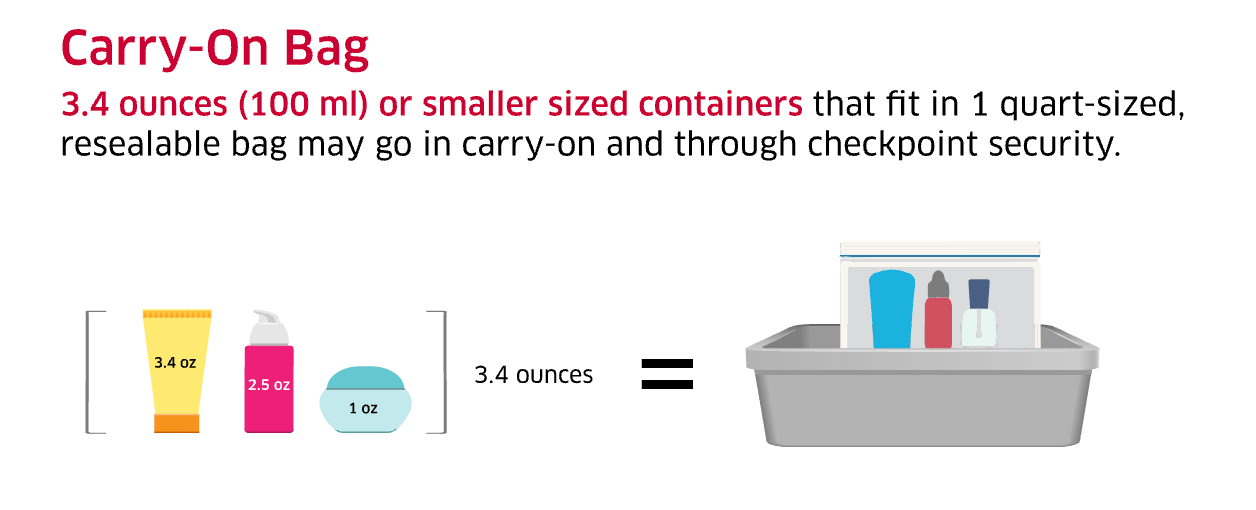
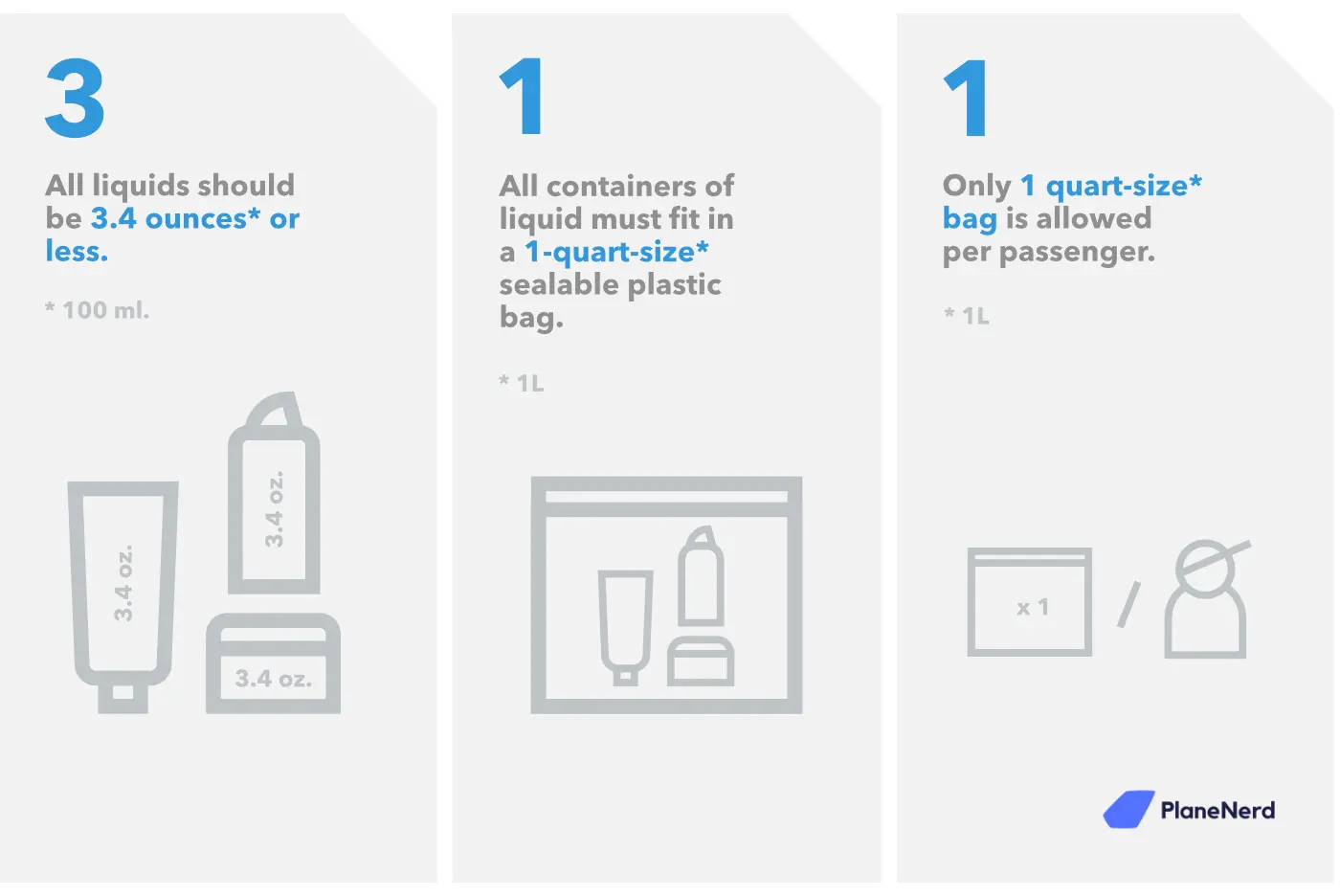
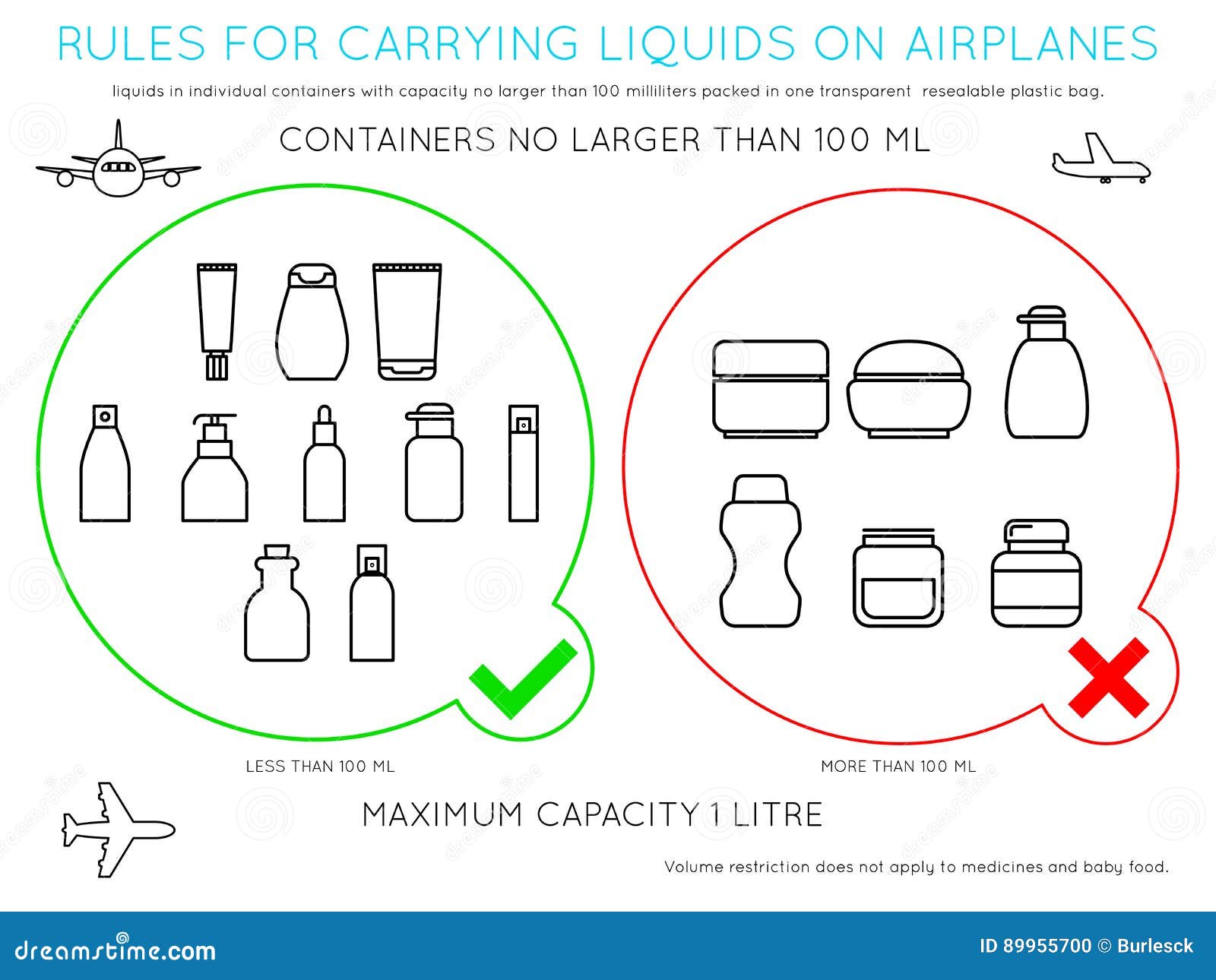
So, what's the size of liquid allowed on planes? The TSA (Transportation Security Administration) has established a 3-1-1 liquids rule to simplify the process. This means that passengers are allowed to bring liquids, gels, and aerosols in containers of 3.4 ounces (100 milliliters) or less per item.
Understanding the 3-1-1 Liquids Rule
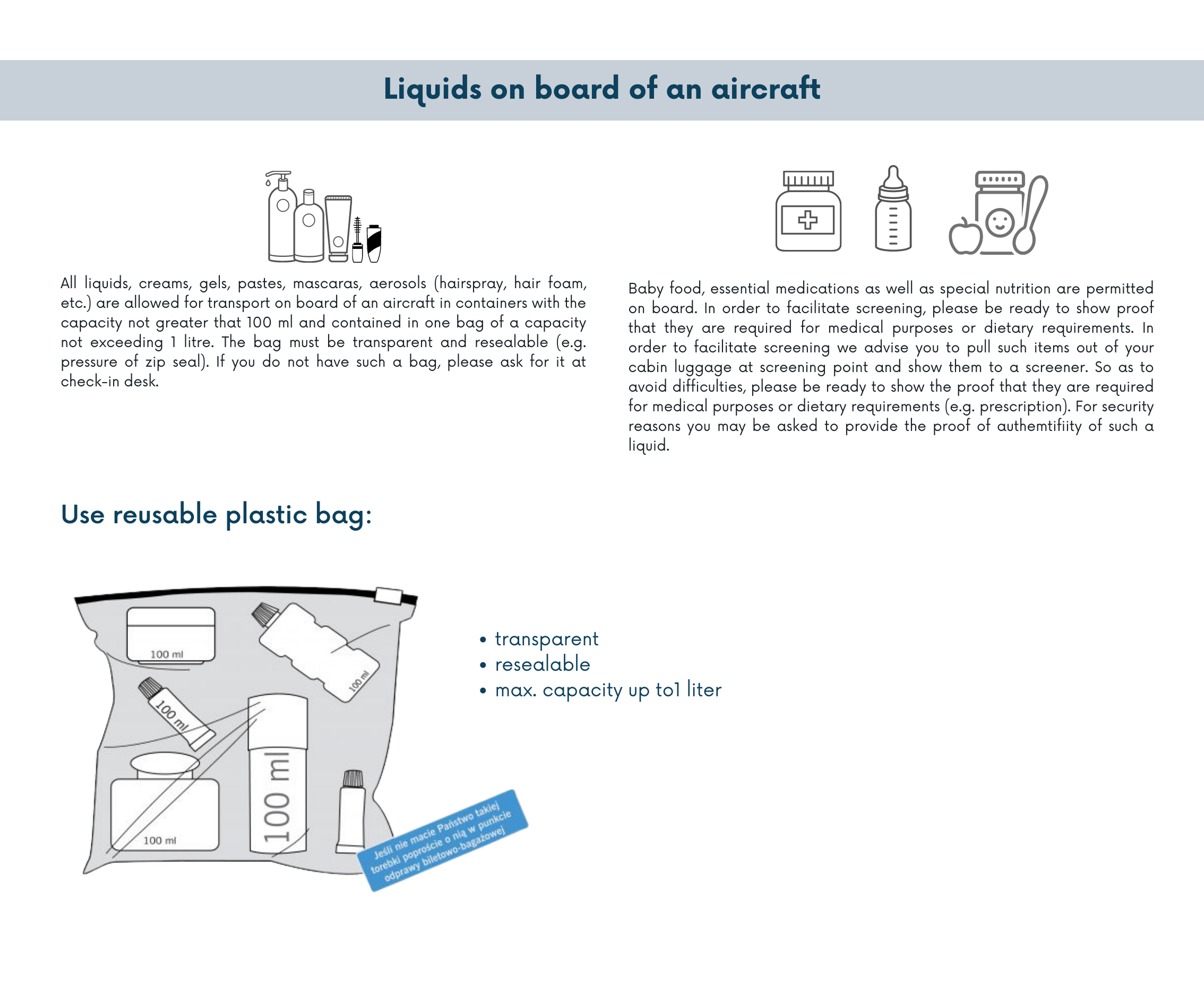
The 3-1-1 liquids rule is designed to ensure the safety of all passengers while also making the security screening process more efficient. The rule states that each passenger can bring one quart-sized zip-top bag containing liquids, gels, and aerosols in containers of 3.4 ounces or less. This zip-top bag is the key to complying with the TSA's regulations.
It's essential to note that the 3-1-1 rule only applies to carry-on bags, not checked luggage.This means that if you have larger quantities of liquids, gels, or aerosols, you can pack them in your checked luggage without any restrictions. However, it's crucial to check with your airline for their specific policies on checked luggage.
Exceptions to the Rule
There are some exceptions to the 3-1-1 liquids rule, which include medications, baby formula, breast milk, and juice. These items are allowed in reasonable quantities and do not need to be in containers of 3.4 ounces or less. However, it's essential to inform the TSA officer about these items before screening.
In addition to these exceptions, duty-free items are also allowed in carry-on bags, but they must be in a secure, tamper-evident bag and accompanied by a receipt. It's always a good idea to check with the TSA or your airline for the most up-to-date information on liquids, gels, and aerosols allowed on planes.
Tips for Travelers
To make your journey smoother, it's a good idea to prepare your liquids before heading to the airport. This includes transferring liquids, gels, and aerosols to containers of 3.4 ounces or less and placing them in a quart-sized zip-top bag. You should also declare any exceptions to the 3-1-1 liquids rule to avoid any issues during security screening.
Another useful tip is to check the TSA's website for the most recent information on liquids, gels, and aerosols allowed on planes. The TSA also offers a mobile app that allows you to check wait times, flight status, and security requirements. By being informed and prepared, you can ensure a stress-free and enjoyable flying experience.
Lastly, it's worth noting that the 3-1-1 liquids rule is in place to protect all passengers, and complying with it is crucial for the safety of everyone on board. By understanding and following these simple guidelines, you can help make your journey and that of your fellow passengers safer and more enjoyable.

:max_bytes(150000):strip_icc()/liquids-on-a-plane-4046937-FINAL-5ba3d35d4cedfd002506643d.png)