What's The Most Sensitive Part Of A Woman's Body

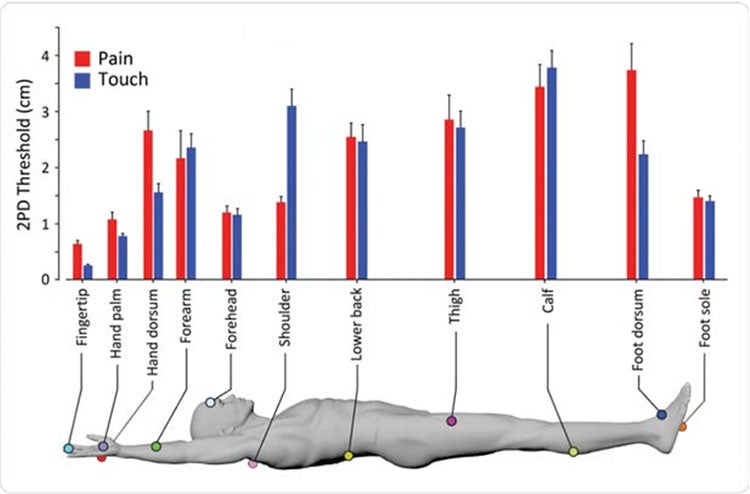
The human body is a complex and intricate system, with various parts working together in harmony to create the person we see in the mirror every day. When it comes to sensitivity, the female body is no exception, with certain areas being more sensitive than others due to a higher concentration of nociceptors and mechanoreceptors. These sensory receptors are responsible for detecting and transmitting sensory information to the brain, allowing us to feel sensations such as touch, pressure, and pain.
One of the most sensitive parts of a woman's body is the clitoris, a small, highly innervated organ located at the top of the vulva. The clitoris contains a high concentration of nerve endings, with some estimates suggesting that it contains over 8,000 nerve endings per square centimeter. This makes it one of the most sensitive areas of the female body, with even light touch or pressure causing intense sensations.
In addition to the clitoris, other sensitive areas of the female body include the labia minora, labia majora, and the cervix. These areas are also highly innervated, with a high concentration of nociceptors and mechanoreceptors that detect and transmit sensory information to the brain. Understanding the sensitivity of these areas is crucial for women to take control of their own bodies and optimize their overall health and wellbeing.
Biological and Chemical Reactions
The sensitivity of a woman's body is not just limited to the physical structure of the organs and tissues, but also involves a complex array of biological and chemical reactions. Hormonal fluctuations play a significant role in regulating sensitivity, with changes in estrogen and progesterone levels affecting the sensitivity of the vulva and vagina. For example, during the menstrual cycle, the increase in estrogen levels can cause the vulva and vagina to become more sensitive, while the decrease in estrogen levels during menopause can cause a decrease in sensitivity.
The neurotransmitters dopamine and serotonin also play a crucial role in regulating sensitivity, with changes in their levels affecting the transmission of sensory information to the brain. Dopamine is involved in the regulation of pleasure and reward, while serotonin is involved in the regulation of mood and pain perception. Understanding the complex interplay between these biological and chemical reactions is essential for women to optimize their sensitivity and overall health.
In addition to hormonal fluctuations and neurotransmitters, other biological and chemical reactions such as inflammation and oxidative stress can also affect sensitivity. Chronic inflammation can cause an increase in sensitivity, while antioxidants can help reduce oxidative stress and promote overall health. By understanding the complex interplay between these biological and chemical reactions, women can take control of their own bodies and optimize their sensitivity and overall wellbeing.

Practical Strategies for Optimization
Optimizing sensitivity requires a combination of physical, emotional, and mental strategies. One of the most effective ways to optimize sensitivity is through self-exploration and mindfulness. By paying attention to their own bodies and sensations, women can develop a greater understanding of their own sensitivity and learn to respond to their needs. This can involve practices such as meditation, deep breathing, and yoga, which can help women cultivate a greater sense of awareness and connection to their bodies.
Another effective strategy for optimizing sensitivity is through physical exercise and movement. Regular exercise can help improve blood flow and increase the production of neurotrophic factors, which can help promote nerve growth and regeneration. Activities such as pilates, stretching, and dance can also help improve flexibility and reduce tension, promoting overall health and wellbeing.
In addition to self-exploration and physical exercise, nutrition and supplementation can also play a crucial role in optimizing sensitivity. A diet rich in omega-3 fatty acids, antioxidants, and fiber can help promote overall health and reduce inflammation, while supplements such as vitamin D and probiotics can help support immune function and promote a healthy gut microbiome.
Finally, communication and boundary-setting are essential for optimizing sensitivity. By communicating their needs and boundaries clearly, women can ensure that their sensitivity is respected and prioritized, promoting overall health and wellbeing. This can involve practices such as assertiveness training, boundary-setting, and emotional intelligence, which can help women cultivate healthy relationships and promote overall wellbeing.
Frequently Asked Questions
What are the most sensitive areas of a woman's body?
The most sensitive areas of a woman's body include the clitoris, labia minora, labia majora, and the cervix. These areas are highly innervated, with a high concentration of nociceptors and mechanoreceptors that detect and transmit sensory information to the brain. Understanding the sensitivity of these areas is crucial for women to take control of their own bodies and optimize their overall health and wellbeing.
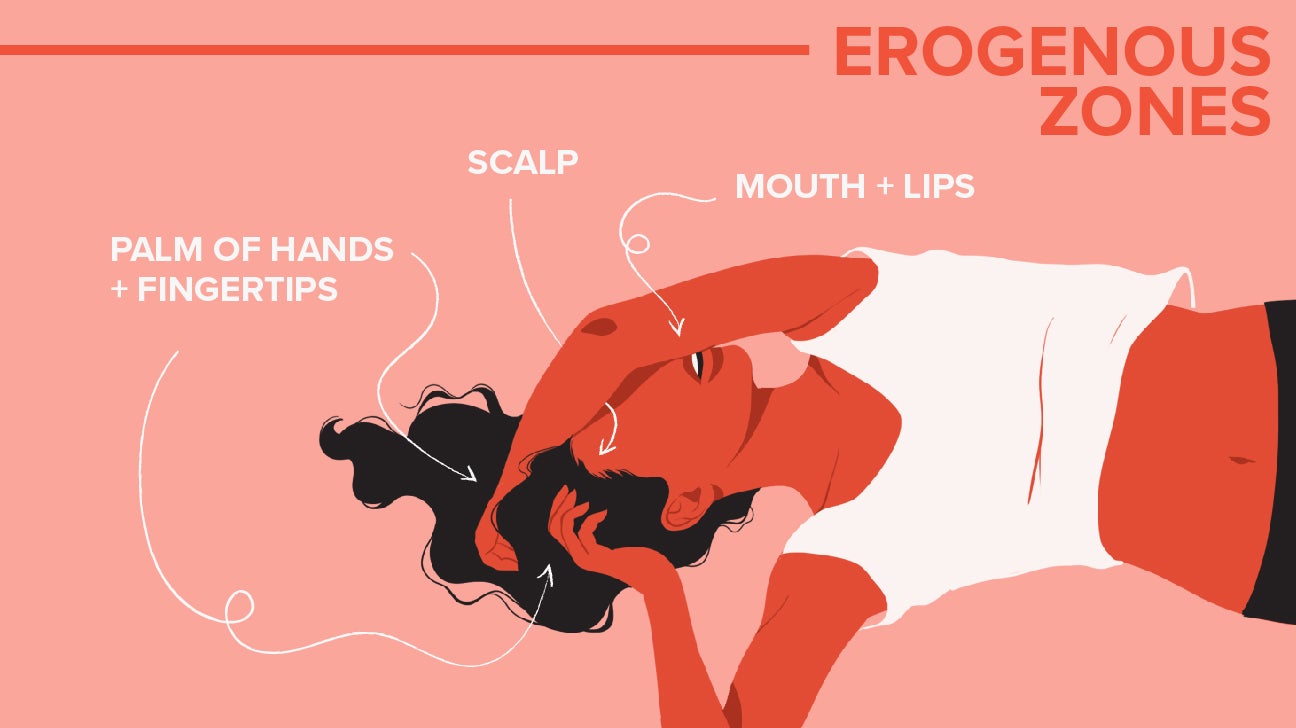
In addition to these areas, other sensitive areas of the female body include the breasts, neck, and inner thighs. These areas are also highly innervated, with a high concentration of nerve endings that detect and transmit sensory information to the brain. By understanding the sensitivity of these areas, women can optimize their overall health and wellbeing, and take control of their own bodies.
How can I increase my sensitivity?
Increasing sensitivity requires a combination of physical, emotional, and mental strategies. One of the most effective ways to increase sensitivity is through self-exploration and mindfulness. By paying attention to their own bodies and sensations, women can develop a greater understanding of their own sensitivity and learn to respond to their needs. This can involve practices such as meditation, deep breathing, and yoga, which can help women cultivate a greater sense of awareness and connection to their bodies.
In addition to self-exploration and mindfulness, physical exercise and movement can also help increase sensitivity. Regular exercise can help improve blood flow and increase the production of neurotrophic factors, which can help promote nerve growth and regeneration. Activities such as pilates, stretching, and dance can also help improve flexibility and reduce tension, promoting overall health and wellbeing.

What are the most common causes of decreased sensitivity?
The most common causes of decreased sensitivity include hormonal fluctuations, chronic inflammation, and oxidative stress. Hormonal fluctuations, such as those experienced during menopause or pregnancy, can cause a decrease in sensitivity, while chronic inflammation and oxidative stress can damage nerve endings and reduce sensitivity. Other causes of decreased sensitivity include nerve damage, infections, and medications, which can also damage nerve endings and reduce sensitivity.
Understanding the causes of decreased sensitivity is essential for women to take control of their own bodies and optimize their overall health and wellbeing. By addressing the underlying causes of decreased sensitivity, women can restore their sensitivity and promote overall health and wellbeing. This can involve practices such as hormone replacement therapy, anti-inflammatory medications, and antioxidant supplements, which can help reduce inflammation and promote overall health.
How can I communicate my sensitivity needs to my partner?
Communicating sensitivity needs to a partner requires assertiveness, boundary-setting, and emotional intelligence. Women can communicate their sensitivity needs by expressing their desires and boundaries clearly, and by listening to their partner's needs and desires. This can involve practices such as open communication, active listening, and empathy, which can help foster a deeper understanding and connection between partners.
In addition to communication, education and awareness are also essential for promoting sensitivity and intimacy. By educating themselves and their partners about sensitivity and intimacy, women can promote a deeper understanding and connection, and optimize their overall health and wellbeing. This can involve practices such as sex education, workshops, and support groups, which can help promote awareness and understanding.
What are the benefits of optimizing sensitivity?
The benefits of optimizing sensitivity include improved intimacy, increased pleasure, and enhanced overall health and wellbeing. By optimizing sensitivity, women can experience greater pleasure and intimacy, and promote overall health and wellbeing. Other benefits of optimizing sensitivity include reduced stress, improved mood, and increased self-esteem, which can help promote overall health and wellbeing.
In addition to these benefits, optimizing sensitivity can also promote deeper connections and more fulfilling relationships. By prioritizing sensitivity and intimacy, women can foster deeper connections with their partners, and promote overall health and wellbeing. This can involve practices such as relationship therapy, communication skills, and emotional intelligence, which can help promote deeper connections and more fulfilling relationships.
By respecting the science behind sensitivity, women can take control of their own bodies and optimize their overall health and wellbeing. This involves understanding the complex interplay between biological, chemical, and systemic reactions, and using practical strategies such as self-exploration, physical exercise, and nutrition to promote sensitivity and intimacy. By prioritizing sensitivity and intimacy, women can experience greater pleasure, intimacy, and overall health and wellbeing, and foster deeper connections with their partners.
In conclusion, optimizing sensitivity requires a comprehensive approach that involves understanding the complex interplay between biological, chemical, and systemic reactions, and using practical strategies to promote sensitivity and intimacy. By respecting the science behind sensitivity, women can take control of their own bodies, optimize their overall health and wellbeing, and experience greater pleasure, intimacy, and connection with their partners. By prioritizing sensitivity and intimacy, women can promote overall health and wellbeing, and foster deeper connections with their partners, leading to more fulfilling and meaningful relationships.