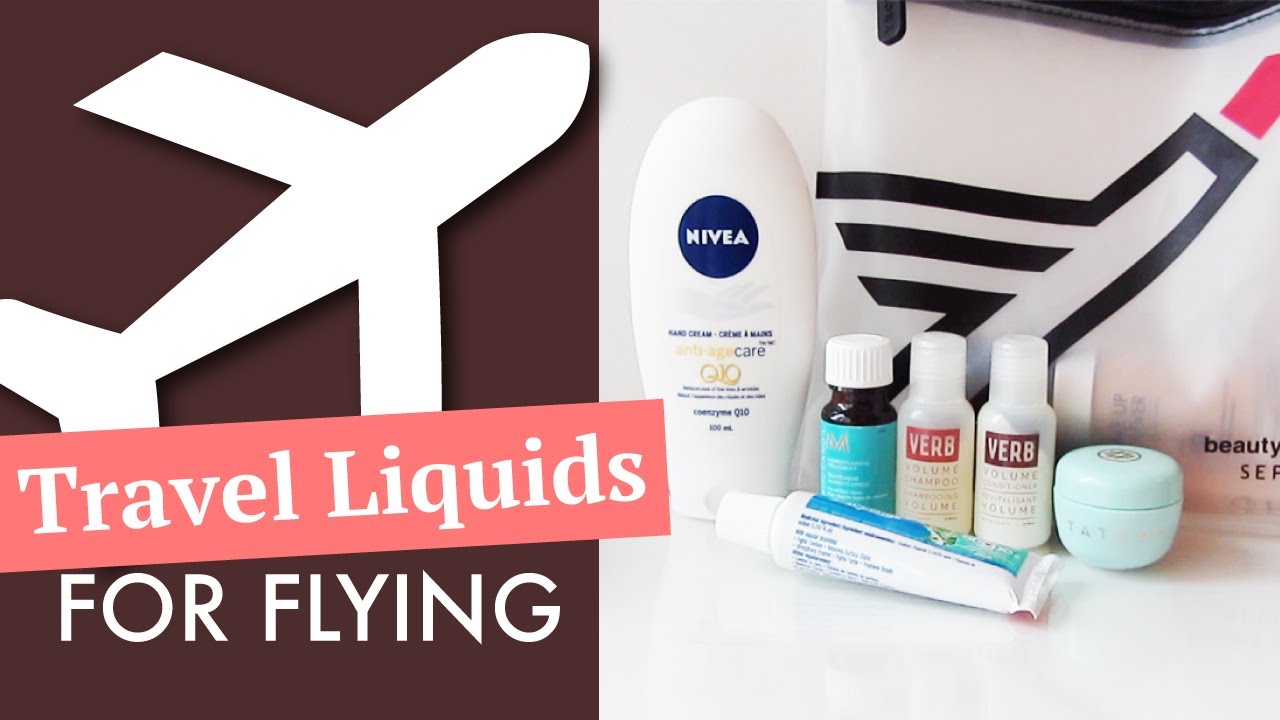
What's The Max Liquid You Can Bring On A Plane

The notion of carrying liquids on a plane is a topic that has undergone significant transformations over the years. From the early days of commercial air travel to the present, the rules and regulations surrounding liquids have evolved, reflecting changes in technology, security concerns, and our understanding of the world. As we delve into the history of liquids on planes, we find a narrative that is both fascinating and complex, filled with forgotten facts and bizarre anecdotes. It all began in the 1920s, when air travel was a luxury reserved for the few, and security was not the primary concern it is today. Passengers could carry virtually anything onto a plane, including liquids, without much fuss.
As air travel became more accessible and popular in the 1950s and 1960s, airlines and regulatory bodies started to introduce guidelines on what could be carried onboard. However, these were more about safety and comfort rather than security. The first real turning point came in the 1970s, with the introduction of stricter security measures following a series of hijackings. Yet, even then, the focus was not specifically on liquids but on items that could be used as weapons. It wasn't until the 1980s that the first real restrictions on carrying liquids began to appear, primarily due to concerns over drug trafficking and the potential for liquids to be used in illegal activities onboard.
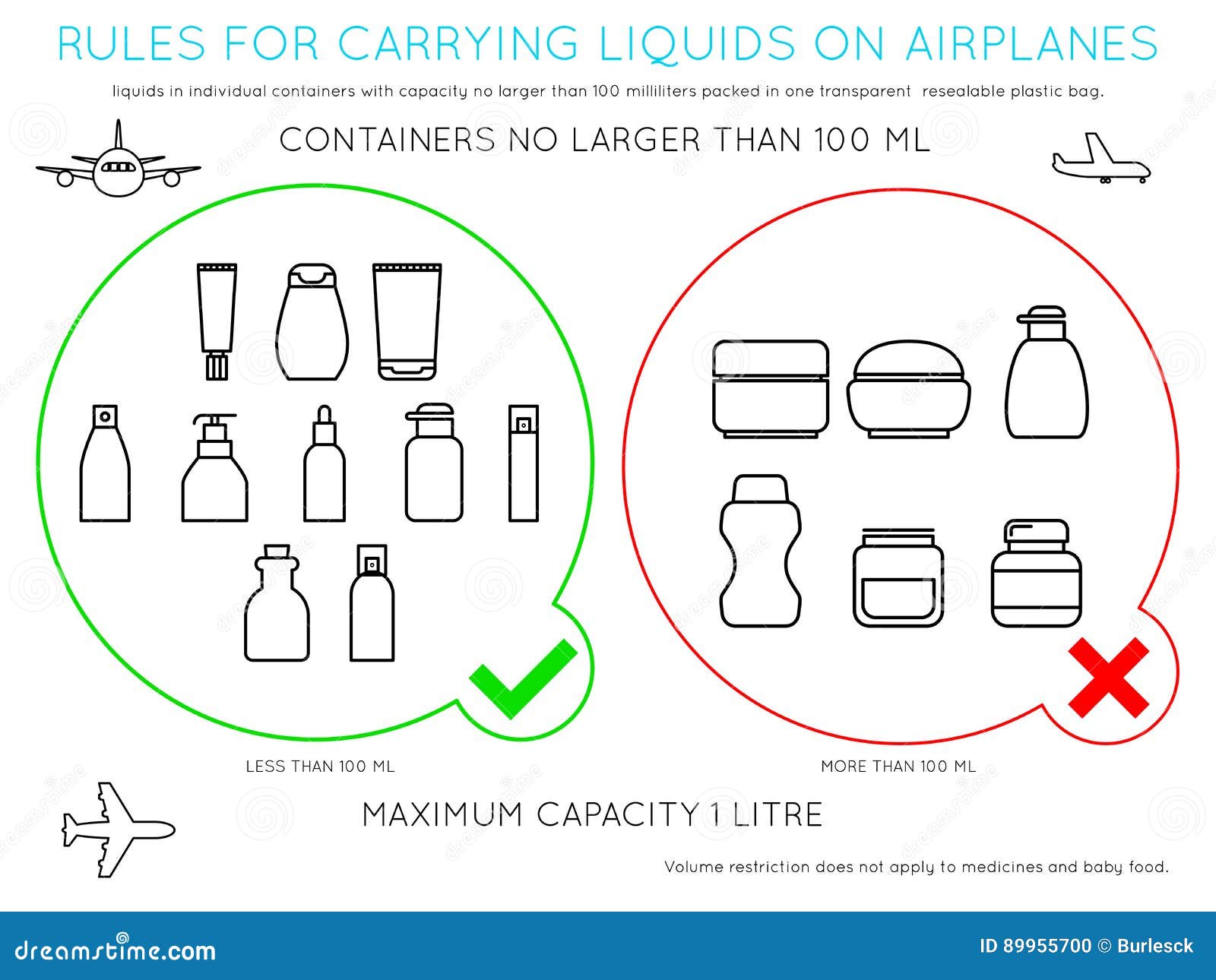
Despite these early restrictions, the real game-changer came in 2006, when a plot to detonate liquid explosives on flights from the UK to the US was uncovered. This led to the implementation of the 3-1-1 rule by the Transportation Security Administration (TSA) in the US, which limited the amount of liquids, gels, and aerosols that passengers could carry in their carry-on bags. Similar measures were adopted by other countries, marking a significant shift in how liquids were perceived and handled at airports. The impact was immediate and profound, changing the way millions of travelers prepared for their flights.
Must Read
A Brief History of Liquid Restrictions
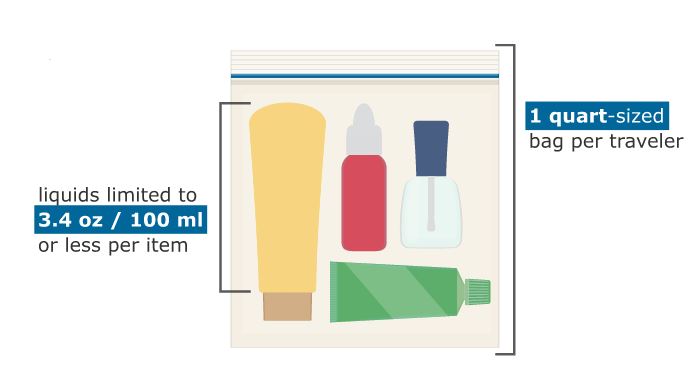
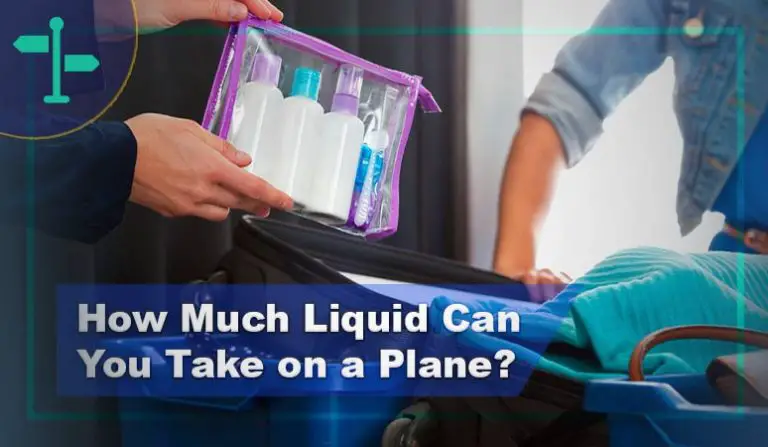
The evolution of liquid restrictions on planes is a story of gradual tightening, punctuated by moments of sudden change. In the 1990s, for instance, there was a growing awareness of the potential for liquids to be used maliciously, but it wasn't until the 2006 liquid bomb plot that drastic measures were taken. The 3-1-1 rule, which allowed for containers of 3.4 ounces or less, placed in a 1-quart bag, with only one bag per passenger, became the standard. This rule, while inconvenient for many, has become a cornerstone of airport security, with Transport Security Administration (TSA) officers and their counterparts around the world vigilantly enforcing these regulations.
One of the fascinating aspects of the history of liquids on planes is how our perception of risk has changed. In the 1970s and 1980s, for example, there was a fear of hijackings and the use of firearms, which led to the introduction of metal detectors. The shift towards focusing on liquids as a potential threat reflects not only technological advancements in explosives but also a broader understanding of terrorism tactics. This evolution has been marked by both successes and failures, with each incident leading to a reevaluation of security protocols.

Another aspect worth considering is the impact on the travel industry and consumer behavior. The introduction of stricter liquid regulations led to a boom in the sales of travel-sized toiletries, as manufacturers responded to the new 3.4-ounce limit. Moreover, airlines and airports have invested heavily in security infrastructure, including advanced screening technologies designed to detect harmful substances without the need for manual checks. This has created a new normal for travelers, who must now carefully plan what liquids they can bring and how to pack them to comply with regulations.
Despite these advancements, there are still moments of confusion and frustration for travelers. Forgotten vintage facts, such as the original reasons behind some of the restrictions, and bizarre anecdotes, like the occasional confiscation of seemingly innocuous items, highlight the complexity and sometimes absurdity of the situation. The story of liquids on planes is one of constant adaptation, reflecting broader societal fears, technological capabilities, and the ongoing balancing act between security and convenience.
Modernizing the Rules
Today, as we look towards the future, there's a clear trend towards modernizing the rules surrounding liquids on planes. Technological advancements are playing a crucial role in this process, with the development of more sophisticated screening techniques and the use of artificial intelligence to improve security checks. For instance, some airports are now using CT scanners that can detect harmful substances in luggage without the need for passengers to remove their liquids. This not only enhances security but also speeds up the screening process, making travel more efficient.
:max_bytes(150000):strip_icc()/TAL-tsa-liquid-info-TSALIQUIDS0325-f6405ea0f5e64a3db7b9badcf1420183.jpg)
The principle of hacking or modernizing classic principles for today's fast-paced world is also being applied in the realm of passenger education. Airlines and airports are leveraging digital platforms to inform travelers about the latest regulations and how to prepare for their flights. Mobile apps, for example, can guide passengers through the packing process, ensuring they are compliant with the 3-1-1 rule and other restrictions. Furthermore, there's a growing emphasis on biometric technologies, such as facial recognition, to streamline airport processes and potentially reduce the need for some security checks.
Frequently Asked Questions
What is the 3-1-1 rule, and how does it apply to my travel plans?
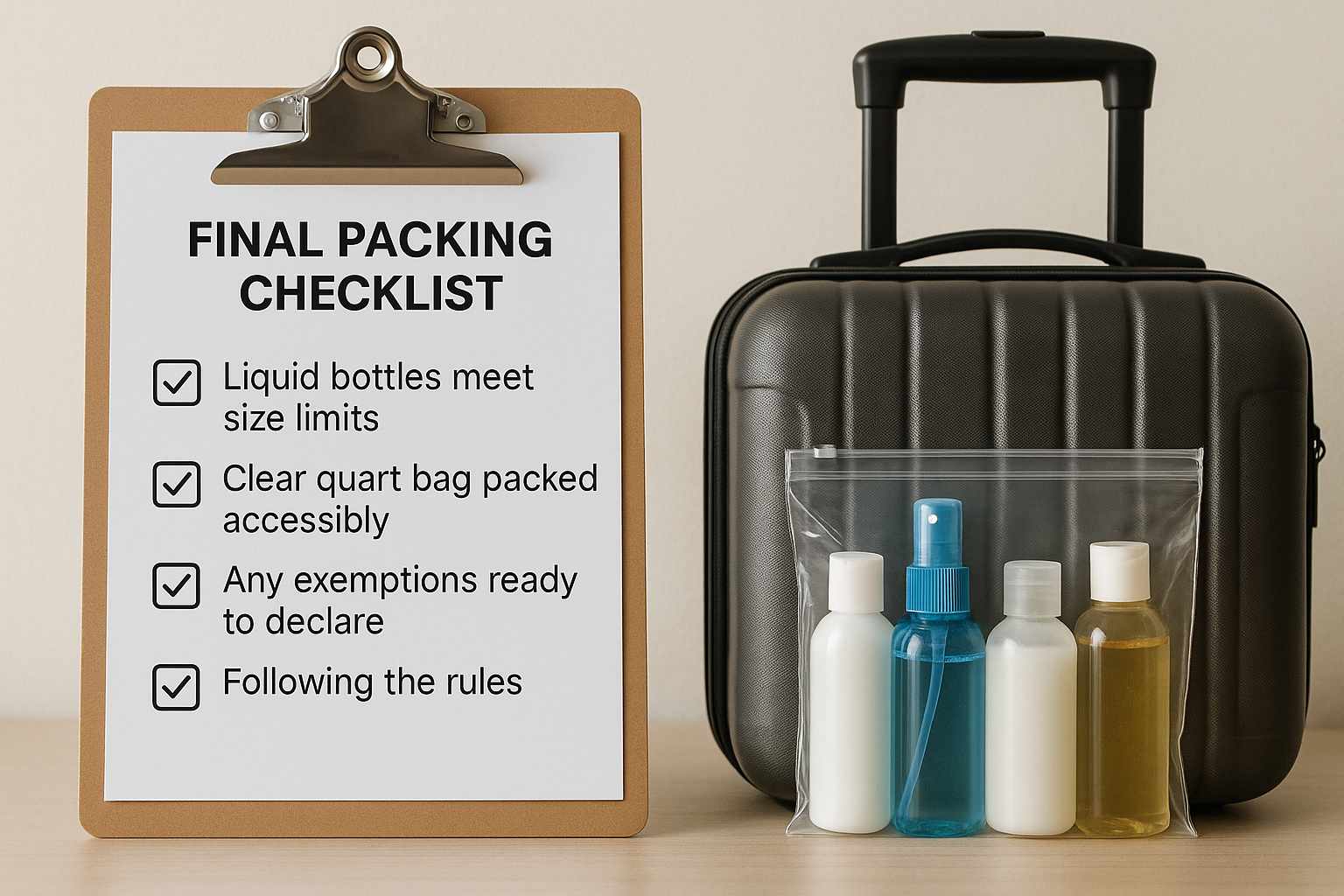
The 3-1-1 rule is a regulation that limits the amount of liquids, gels, and aerosols that passengers can carry in their carry-on bags. The rule dictates that these items must be in containers of 3.4 ounces or less, placed in a 1-quart bag, with only one bag per passenger. Understanding this rule is crucial for avoiding delays at security checkpoints. When preparing for a flight, it's essential to pack wisely, ensuring that all liquid items comply with the rule. Travelers can also make use of checked luggage for larger quantities of liquids, though this must be declared and may be subject to additional screening.
Historically, the implementation of the 3-1-1 rule marked a significant shift in air travel security. Introduced in response to the 2006 liquid bomb plot, it has become a standard worldwide. The rule reflects a broader effort to enhance security while still allowing passengers to carry necessary items onboard. By grasping the nuances of the 3-1-1 rule, travelers can navigate security checks with ease, contributing to a smoother and more secure flying experience for all.

Can all types of liquids be carried onboard, or are there specific exemptions or restrictions?
Not all types of liquids are treated equally when it comes to air travel. Certain exemptions exist for essential items like medication, baby formula, and breast milk, which are allowed in larger quantities but must be declared and may be subject to additional screening. The TSA and other regulatory bodies provide clear guidelines on what is permitted and what is not. For instance, liquids purchased after clearing security in duty-free shops are exempt from the 3-1-1 rule if they are placed in a special, tamper-evident bag. Understanding these exemptions and restrictions is vital for passengers to avoid inconvenience and ensure compliance with regulations.
The exemptions and restrictions on certain types of liquids highlight the ongoing challenge of balancing security with the needs of passengers. The 2006 plot that led to the 3-1-1 rule also prompted a more nuanced approach to differentiating between various types of liquids. Today, advancements in screening technology and the use of intelligence in assessing risks have led to more targeted and less intrusive security measures. This evolution continues, with a focus on enhancing the passenger experience while maintaining the highest standards of security.
How are advancements in technology expected to change the way liquids are screened at airports in the future?
Advancements in technology are poised to revolutionize the way liquids are screened at airports. The implementation of CT scanners and artificial intelligence in security checks promises to enhance detection capabilities while reducing wait times. These technologies can identify harmful substances more accurately and efficiently than traditional screening methods, potentially allowing for a relaxation of the 3-1-1 rule or at least making the screening process less invasive for passengers. Furthermore, biometric technologies and automated security lanes are being integrated into airport infrastructure, aiming to create a seamless and secure travel experience.
The future of liquid screening at airports will be characterized by a blend of technological innovation and evolving security protocols. As threats and technologies continue to advance, airports and regulatory bodies will need to adapt, investing in research and development to stay ahead of potential dangers. This could include the use of machine learning to predict and prevent security breaches, as well as the development of new materials and screening technologies that can detect a wide range of substances. The ultimate goal is to create a secure, efficient, and passenger-centric security process that accommodates the needs of a rapidly changing world.
As we look towards the next 20 years, the topic of liquids on planes will continue to evolve, driven by technological advancements, shifting security landscapes, and the relentless pursuit of convenience and safety. The future holds the promise of more sophisticated screening technologies, potentially allowing for a more relaxed approach to carrying liquids onboard. However, this will be balanced against the need for vigilance and the adaptation of security measures to counter emerging threats. One potential development could be the widespread adoption of biometric security, which could significantly reduce the need for physical screening, making air travel both more secure and more convenient.
Reflecting on where this topic will take humanity in the next two decades, it's clear that the journey will be marked by innovation and resilience. The story of liquids on planes is a microcosm of broader societal trends, reflecting our fears, our technological capabilities, and our ability to adapt. As we move forward, the interplay between security, technology, and passenger experience will continue to shape the rules surrounding liquids and beyond, ultimately defining the future of air travel. This future is not just about the regulations or the technologies; it's about how humanity chooses to balance freedom with security, convenience with vigilance, and how we navigate the complexities of a global, interconnected world.
:max_bytes(150000):strip_icc()/liquids-on-a-plane-4046937-FINAL-5ba3d35d4cedfd002506643d.png)