What's The Difference Between Cut And Uncut

The topic of circumcision has been a subject of interest and debate for many years, with some people strongly advocating for it, while others are against it. The main difference between cut and uncut refers to the presence or absence of the foreskin, a layer of skin that covers the tip of the penis. Understanding the difference between these two terms is essential for making informed decisions about one's health and wellbeing.
The purpose of circumcision is to remove the foreskin, which can provide several benefits, including improved hygiene and reduced risk of certain health problems, such as urinary tract infections and penile cancer.
A study by the World Health Organization (WHO) found that circumcision can reduce the risk of HIV transmission by up to 60%. Additionally, circumcision can also reduce the risk of other sexually transmitted infections, such as syphilis and gonorrhea.
Uncut vs Cut: What's the Difference?
So, what's the difference between being uncut and being cut? The main difference is the presence or absence of the foreskin, which can affect the way the penis functions and looks. Being uncut means that the foreskin is still intact, while being cut means that it has been removed through circumcision.
Must Read
For those who are uncut, it's essential to practice good hygiene to prevent the buildup of smegma, a cheesy substance that can accumulate under the foreskin. Smegma can increase the risk of urinary tract infections and other health problems, so it's crucial to clean the area regularly. On the other hand, being cut can make it easier to maintain good hygiene, as the foreskin is no longer present to trap bacteria and other microorganisms.
Despite the potential benefits of circumcision, some people argue that it's not necessary and can even be harmful.
Some argue that circumcision can reduce sensitivity and affect the overall sexual experience. However, others argue that these claims are not supported by scientific evidence and that the benefits of circumcision far outweigh the risks.
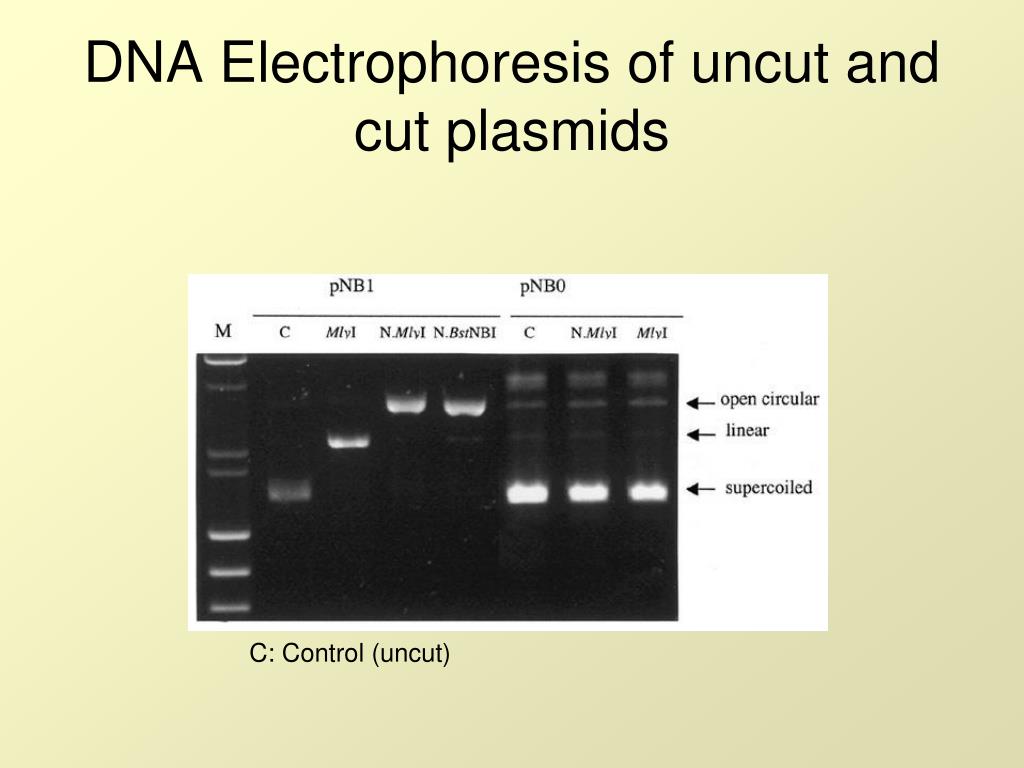
The Benefits of Circumcision
So, what are the benefits of circumcision? For one, it can reduce the risk of certain health problems, such as urinary tract infections and penile cancer. Additionally, circumcision can also reduce the risk of sexually transmitted infections, such as HIV and syphilis. Furthermore, circumcision can also improve hygiene and reduce the risk of penile problems, such as phimosis and paraphimosis.
In conclusion, understanding the difference between cut and uncut is essential for making informed decisions about one's health and wellbeing. While there are potential benefits to circumcision, it's also important to consider the potential risks and side effects. By weighing the pros and cons, individuals can make an informed decision that's right for them. Ultimately, the decision to be cut or uncut is a personal one, and it's essential to prioritize one's health and wellbeing above all else.
It's also worth noting that circumcision is a personal choice and should be made after careful consideration and consultation with a medical professional.
A qualified doctor or healthcare provider can provide guidance and support to help individuals make an informed decision. Additionally, it's essential to prioritize education and awareness about circumcision and its potential benefits and risks, to ensure that individuals can make informed decisions about their health and wellbeing.
Furthermore, circumcision can also have cultural and religious significance, and it's essential to respect and acknowledge these differences. For some cultures and religions, circumcision is a sacred ritual that's performed for spiritual or cultural reasons. By understanding and respecting these differences, we can promote greater tolerance and acceptance of different cultures and traditions.
In the end, the decision to be cut or uncut is a complex and personal one, and it's essential to prioritize one's health and wellbeing above all else. By considering the potential benefits and risks of circumcision, individuals can make an informed decision that's right for them. Ultimately, it's essential to prioritize education, awareness, and respect for different cultures and traditions, to promote greater understanding and acceptance of the differences between cut and uncut.