What's The Difference Between Being Circumcised And Not
The conversation around circumcision has been a topic of interest for many years, with opinions and perspectives varying greatly across different cultures and communities. It's a fascinating discussion that not only touches on medical aspects but also cultural and personal preferences. Whether you're considering the procedure for yourself or your child, understanding the differences can be incredibly valuable.
Understanding Circumcision
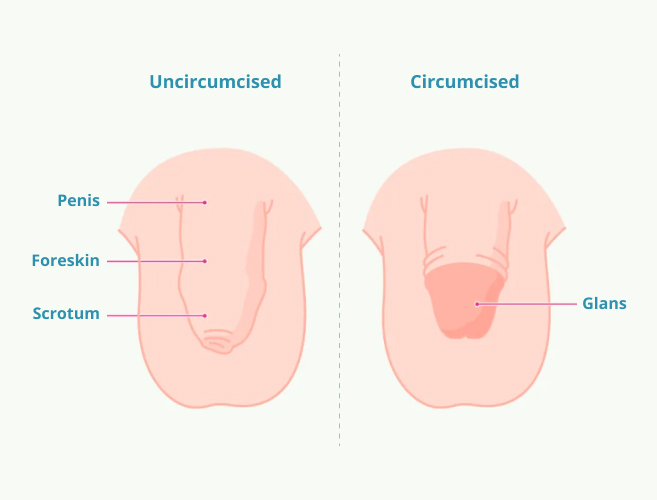
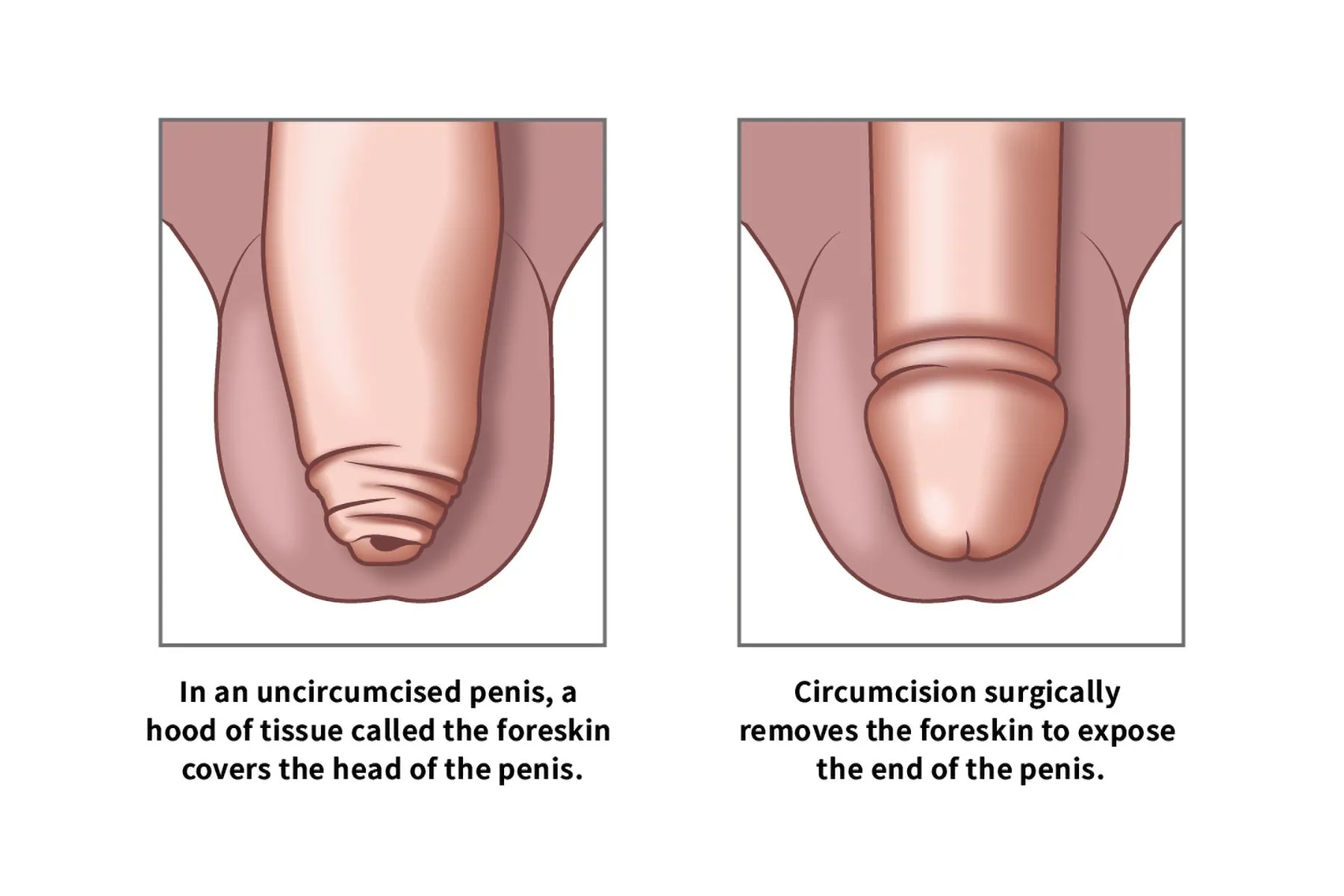
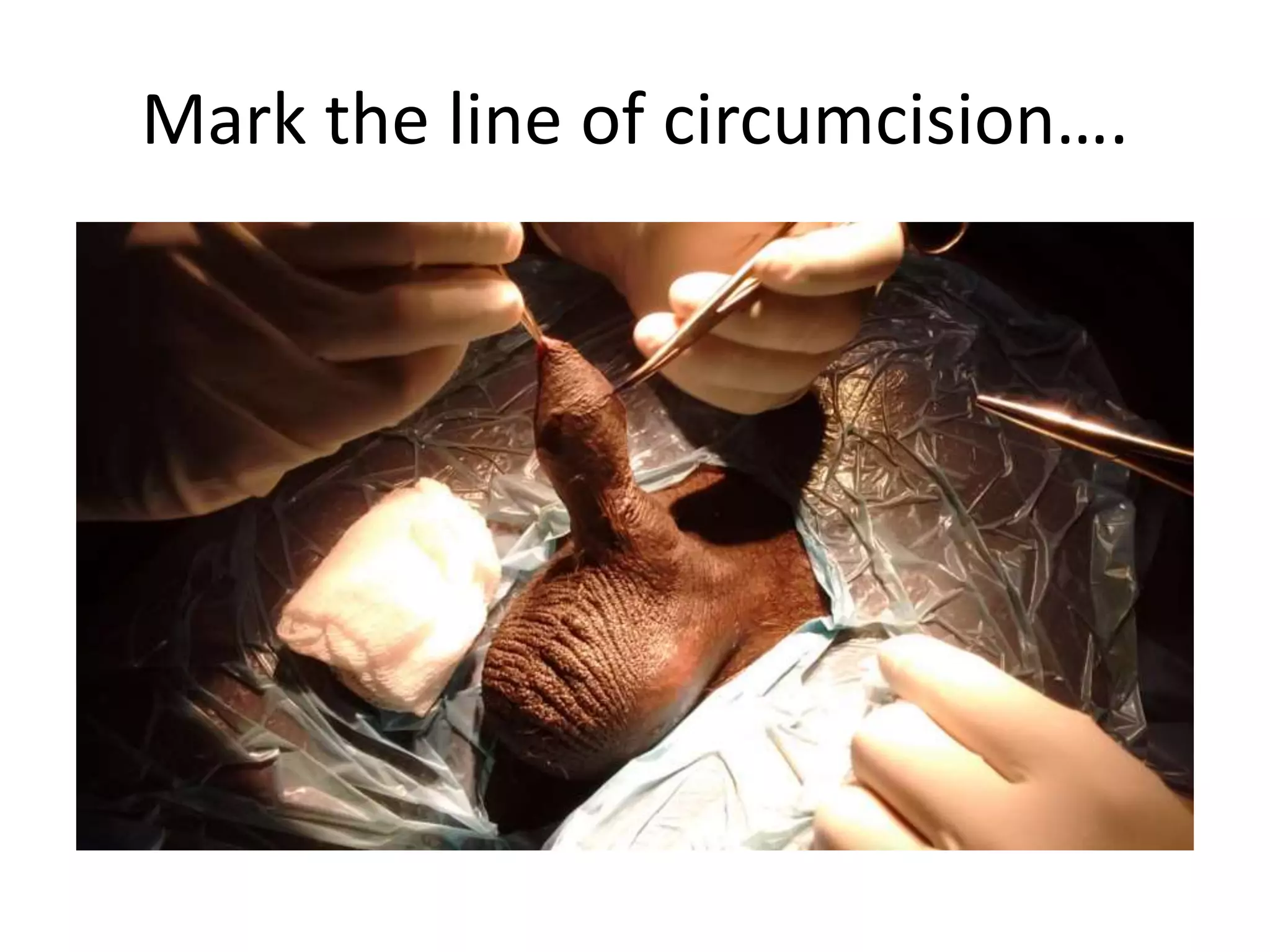
Circumcision is a surgical procedure that involves the removal of the foreskin, which is the skin that covers the tip of the penis. This procedure has been practiced for thousands of years, with roots in religious and cultural traditions. It's also performed for medical reasons, such as treating conditions like phimosis or paraphimosis.
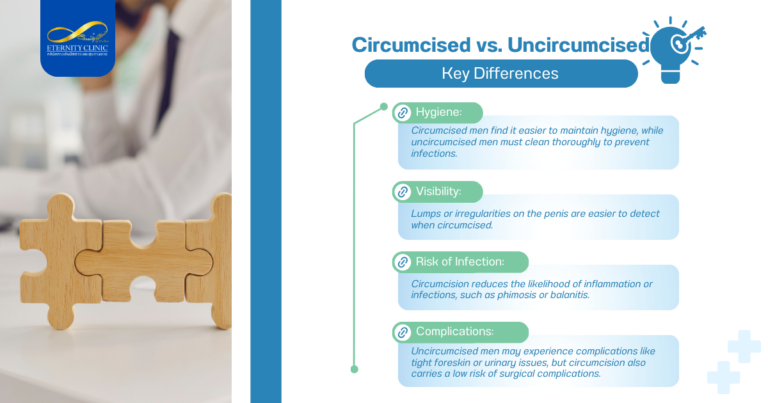
The benefits of circumcision are numerous and include reduced risk of urinary tract infections, lower risk of sexually transmitted infections like HSV-2 and HIV, and prevention of penile cancer. Circumcision also makes hygiene easier, reducing the risk of conditions like balanitis and posthitis. Furthermore, it's associated with a reduced risk of cervical cancer in female partners.
Being Uncircumcised
On the other hand, not being circumcised, or being uncircumcised, means that the foreskin remains intact. This is the natural state for most males at birth, and the decision to circumcise or not often depends on cultural, religious, or personal reasons.
It's essential to practice good hygiene to reduce the risk of infections and other complications.
For those who are uncircumcised, regular cleaning under the foreskin is crucial to prevent the buildup of smegma, a substance that can increase the risk of infections. It's also important to retract the foreskin gently when cleaning and to avoid forcing it back, as this can cause injury or discomfort. Proper care can help prevent issues and maintain good health.
Purpose and Benefits
The purpose of circumcision is multifaceted, ranging from health benefits to cultural obligations. For some, the decision to circumcise is based on religious beliefs, while for others, it's about personal preference or medical necessity. The benefits, whether physical, emotional, or societal, can vary greatly from one individual to another, making the decision highly personal.
Circumcision has been a subject of debate, with discussions around human rights, consent, and health outcomes. While some argue it's a violation of human rights to circumcise without consent, others see it as a vital health intervention. It's a complex issue that requires careful consideration and understanding of all perspectives.

In conclusion, the decision to be circumcised or not is influenced by a mix of health, culture, and personal factors. Whether circumcised or uncircumcised, prioritizing health, hygiene, and well-being is key. By understanding the differences and similarities, individuals can make informed decisions that are right for them.
As we navigate these discussions, it's crucial to approach them with empathy and understanding, recognizing the diversity of experiences and perspectives.
Ultimately, what matters most is the well-being and health of the individual, regardless of their circumcision status.By focusing on education, awareness, and support, we can work towards creating a more inclusive and informed dialogue around this topic.

Embracing diversity in all its forms, including the choices we make about our bodies, is essential. Whether the decision is to circumcise or not, what's most important is that it's made with knowledge, care, and consideration for the individual's health and well-being. Circumcision, like many other medical and personal choices, should be approached with an open mind and a commitment to understanding the complexities involved.
In the end, it's about making informed choices that align with our values, beliefs, and priorities. By doing so, we not only take care of our physical health but also nurture our emotional and mental well-being. The conversation around circumcision and the choices we make regarding it are part of a broader dialogue about health, identity, and community, reminding us of the importance of education, respect, and understanding in all our interactions.
As we continue to explore and discuss topics like circumcision, we're reminded of the power of knowledge and open communication. By sharing our stories, listening to others, and seeking to understand different perspectives, we can foster a more compassionate and informed community. This, in turn, can lead to better health outcomes, stronger relationships, and a more harmonious coexistence, regardless of our individual choices or circumstances.