What You Can Use Instead Of Lube

The concept of personal lubricants is not new, but the reliance on traditional lubes has been a staple in many households for decades. However, with the rising awareness of health, sustainability, and exploration of alternatives, the question of what can be used instead of lube has become increasingly relevant. It's a topic that blends the lines between health, intimacy, and environmental consciousness, making it a fascinating arena for exploration. The history of lubricants dates back thousands of years, with ancient civilizations using various substances for both practical and pleasure-oriented purposes. Today, the market is flooded with a myriad of options, but not all are created equal, leading many to seek out more natural or unconventional alternatives.
The search for alternatives to traditional lubricants is driven by several factors, including health concerns, environmental impact, and personal preference. Many commercial lubes contain chemicals that can irritate skin or mucous membranes, leading to discomfort or even infections. Furthermore, the production and disposal of these products contribute to environmental pollution. As consumers become more aware of these issues, the demand for safer, more sustainable options grows. This shift in consumer behavior reflects a broader cultural trend towards healthier living and reduced ecological footprint. It also opens up a conversation about intimacy, pleasure, and the importance of exploring one's own preferences and boundaries.
Understanding the Basics
Before diving into alternatives, it's essential to understand what makes a good lubricant. The primary function of lube is to reduce friction, thereby enhancing comfort and pleasure. Traditional lubricants come in various forms, including water-based, silicone-based, and oil-based, each with its pros and cons. Water-based lubes are generally safe for use with condoms and are easy to clean up, but they can dry out quickly. Silicone-based lubes are more durable and can be used underwater, but they might not be as safe for use with certain sex toys. Oil-based lubes are not compatible with latex condoms and can cause skin irritation in some individuals.
Must Read
Cultural references to lubricants can be found in ancient texts and artifacts, highlighting the long-standing interest in enhancing sensual experiences. From coconut oil to olive oil, various substances have been used historically for their lubricating properties. The modern market offers a wide range of products, but the principle remains the same: to facilitate smooth interaction. However, the psychological aspect of using lubricants can be complex, involving issues of intimacy, trust, and personal comfort. Understanding these elements is crucial for making informed decisions about what to use.
The lesser-known facts about traditional lubricants include their potential impact on vaginal flora and the fact that some ingredients can be harmful if ingested. This knowledge has led to a surge in interest in natural alternatives that are not only effective but also safe for the body and the environment. The exploration of these alternatives is a journey that requires patience, education, and a willingness to challenge conventional norms. It's about embracing a smooth and modern approach to intimacy, one that prioritizes health, sustainability, and mutual respect.
Exploring Alternatives
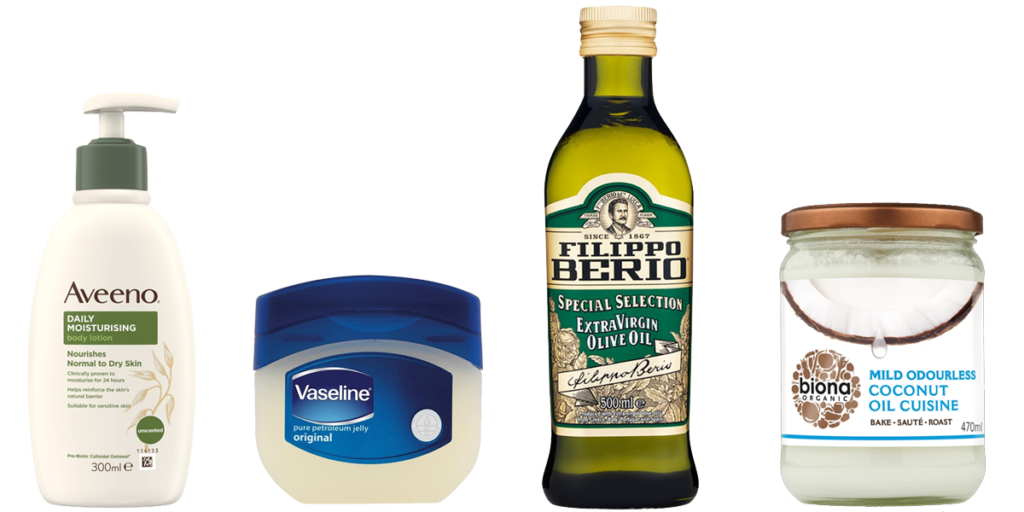
For those looking to venture beyond traditional lubricants, there are several alternatives worth considering. Coconut oil, for instance, is a popular choice due to its moisturizing properties and natural origin. However, it's essential to note that oil-based products can degrade latex, making them incompatible with certain types of condoms. Aloe vera is another natural option, known for its soothing and calming effects on the skin. When choosing an alternative lube, it's crucial to consider the ingredients, their potential impact on sexual health, and compatibility with other products.
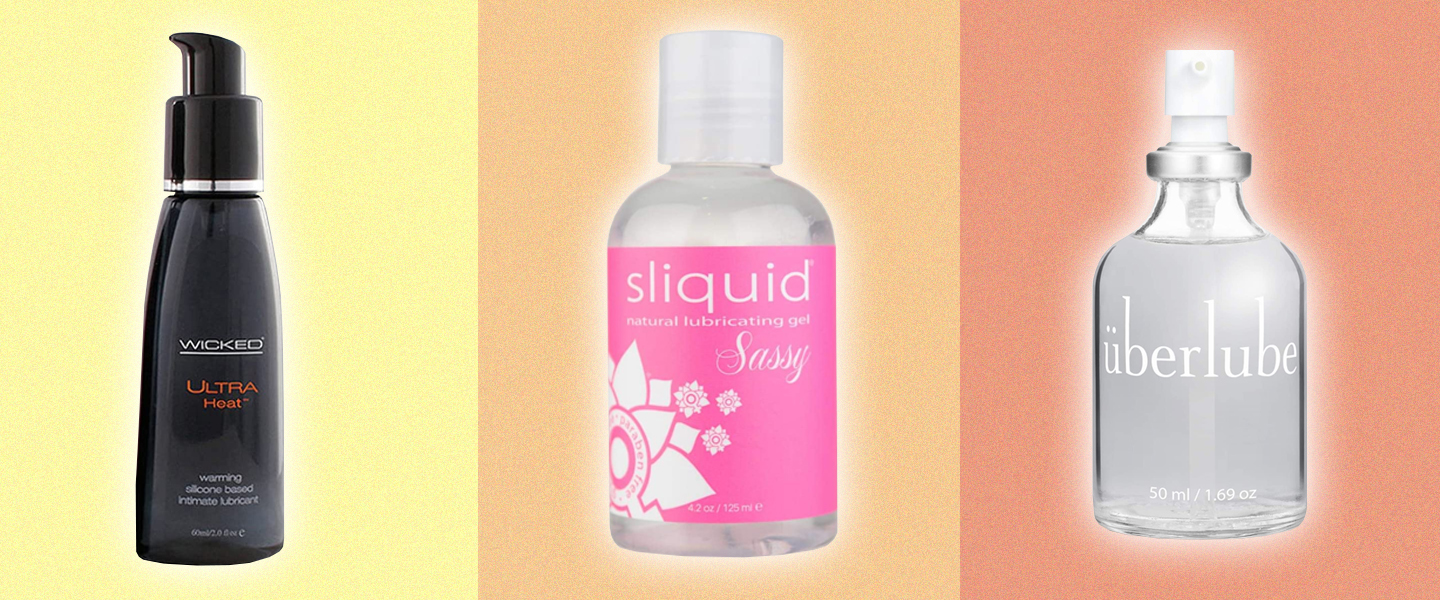
Scenarios where alternatives might be preferable include situations where traditional lubes cause irritation or when looking for a more environmentally friendly option. Case studies have shown that making the switch to natural lubes can significantly improve comfort and reduce the risk of infections. Moreover, the use of edible lubricants, such as those made from fruit or plant extracts, can add a playful dimension to intimate experiences. The key is to find what works best for you and your partner, prioritizing comfort, safety, and pleasure.
Actionable takeaways for those considering a switch include doing thorough research on ingredients, reading reviews from other users, and starting with small amounts to test for any adverse reactions. It's also important to communicate openly with your partner about preferences and boundaries. This open dialogue can strengthen the bond between partners and lead to more satisfying experiences. By taking a proactive and informed approach, individuals can navigate the world of lubricants with confidence, exploring options that align with their values and needs.
In practical insights, it's worth noting that the effectiveness of a lubricant can depend on the individual's skin type, the nature of the activity, and personal preferences. What works for one person may not work for another, making it essential to keep an open mind and be willing to try different options. This journey of discovery is not just about finding the right product; it's about understanding one's own body and desires, leading to a more fulfilling and healthy approach to intimacy.
Frequently Asked Questions
What are the safest natural lubricants to use?

The choice of a natural lubricant should also consider the activity and the materials involved, such as condoms or sex toys. For instance, oil-based lubes can degrade latex, so water-based or silicone-based alternatives might be preferable in these scenarios. By understanding the properties of different lubricants and taking the time to select the right one, individuals can enhance their intimate experiences while prioritizing health and safety. Whether it's for pleasure, comfort, or convenience, the right lubricant can make all the difference.
Can I use food products as lubricants?
While it might be tempting to use food products as lubricants due to their accessibility and perceived naturalness, caution is advised. Products like honey, olive oil, and fruit preserves might seem like harmless alternatives, but they can pose risks. For example, sugary substances can lead to yeast infections, and oil-based products can cause skin irritation or interfere with condom effectiveness. If considering edible lubricants, it's best to opt for products specifically designed for sexual use, as they are formulated to be safe and effective. These products are made from ingredients that are gentle on the skin and compatible with sexual health needs.
In the context of edible lubricants, it's also important to consider the potential for infection or discomfort. Any substance introduced into the genital area can disrupt the natural balance, leading to unwanted consequences. Therefore, it's crucial to prioritize products that are specifically designed for sexual use and follow the manufacturer's instructions. By being mindful of these factors, individuals can explore the use of edible lubricants in a safe and enjoyable manner, enhancing their intimate experiences without compromising health.
How do I choose the best lubricant for my needs?
Choosing the right lubricant involves considering several factors, including the type of activity, personal preferences, and any health or allergy concerns. For instance, those with sensitive skin might prefer hypoallergenic options, while individuals looking for a product to use with condoms should opt for water-based or silicone-based lubes. Additionally, the desired texture and durability can guide the selection process. By taking the time to understand one's needs and preferences, individuals can navigate the wide range of available lubricants and find the perfect match for their intimate experiences.

In making this decision, it's also beneficial to read reviews and consult with healthcare professionals. They can provide valuable insights and recommendations based on their expertise and patient feedback. This informed approach can help individuals avoid common pitfalls, such as choosing a product that might cause irritation or interact negatively with other health conditions. By prioritizing education and consultation, the process of selecting a lubricant becomes more personalized and effective, leading to enhanced comfort and pleasure.
Are natural lubricants as effective as traditional ones?
Natural lubricants can be just as effective as traditional ones, provided they are chosen wisely. The effectiveness of a lubricant depends on its ingredients, the individual's skin type, and the specific needs of the activity. Natural options like coconut oil and aloe vera have been praised for their moisturizing properties and ability to enhance pleasure. However, it's crucial to ensure that any natural product used is of high quality and free of harmful additives. By doing so, individuals can enjoy the benefits of natural lubricants while maintaining their health and safety.
In terms of performance, natural lubricants might have different characteristics than traditional ones. For example, oil-based natural lubes can provide longer-lasting lubrication but might not be suitable for use with latex condoms. Water-based natural lubes, on the other hand, can be more versatile but might require reapplication more frequently. Understanding these differences is key to making an informed decision and ensuring that the chosen lubricant meets one's needs and preferences. This knowledge empowers individuals to explore the world of natural lubricants with confidence, finding products that enhance their intimate experiences without compromising on safety or effectiveness.
Can lubricants be used for purposes other than sex?
While lubricants are most commonly associated with sexual activity, they can indeed be used for other purposes. For instance, personal lubricants can be used to alleviate vaginal dryness during menopause or to facilitate medical examinations. Additionally, lubricants can be used in masturbation, enhancing pleasure and reducing friction. The versatility of lubricants extends beyond the bedroom, offering solutions for various health and wellness needs. By understanding the broader applications of lubricants, individuals can appreciate their value in promoting comfort and well-being across different aspects of life.
In a cultural context, the perception of lubricants and their uses can vary significantly. While they are often seen as products for enhancing sexual experiences, their potential benefits extend far beyond this realm. Educating oneself about the various uses of lubricants can help break down stigmas and promote a more open and informed discussion about health, intimacy, and personal care. This shift in perspective can lead to a more inclusive and compassionate understanding of human needs, recognizing the importance of comfort and pleasure in all aspects of life.
Reflecting on the topic of lubricants and their alternatives, it's clear that this is a complex and multifaceted issue. The journey to finding the right lubricant, whether traditional or natural, involves a deep understanding of one's own body, preferences, and values. It's a path that requires patience, education, and an openness to exploration and discovery. By embracing this journey, individuals can cultivate a healthier and more fulfilling approach to intimacy, one that prioritizes comfort, safety, and mutual respect.
The connection between lubricants and human nature is profound. It speaks to our fundamental desires for pleasure, comfort, and connection. The quest for the perfect lubricant is, in many ways, a quest for understanding ourselves and our partners on a deeper level. It's about recognizing the importance of intimacy and pleasure in our lives and being willing to explore and learn in pursuit of these goals. This mindset can lead to more satisfying relationships, improved sexual health, and a greater appreciation for the complexities and wonders of human intimacy.
In the end, the world of lubricants and their alternatives offers a fascinating glimpse into human culture, health, and relationships. It's a realm where science, nature, and personal preference intersect, providing a rich tapestry of options and experiences. As we navigate this landscape, we're reminded of the importance of empathy, education, and open communication. By prioritizing these values, we can foster a more inclusive and compassionate environment, one that supports individuals in their quest for healthy, fulfilling, and pleasurable intimate experiences. This is a journey worth embarking on, as it holds the promise of deeper connections, greater satisfaction, and a more profound understanding of ourselves and our place within the complex and beautiful tapestry of human experience.


:max_bytes(150000):strip_icc()/sutil--luxe-lube-d7127af9c7d841cdb8226bd655a56f22.jpg)