What Toiletries Can I Bring In My Carry On

The notion of carrying toiletries in a carry-on bag has been a staple of air travel for decades. As we reflect on the past, it's fascinating to note how this concept has evolved over time, influenced by September 11, 2001, a pivotal moment in aviation history that changed the way we travel forever. The TSA (Transportation Security Administration) was established in response to the attacks, and with it, a new era of security protocols and regulations was born. One of the most significant changes was the introduction of restrictions on items that could be carried in a passenger's carry-on luggage, including toiletries.
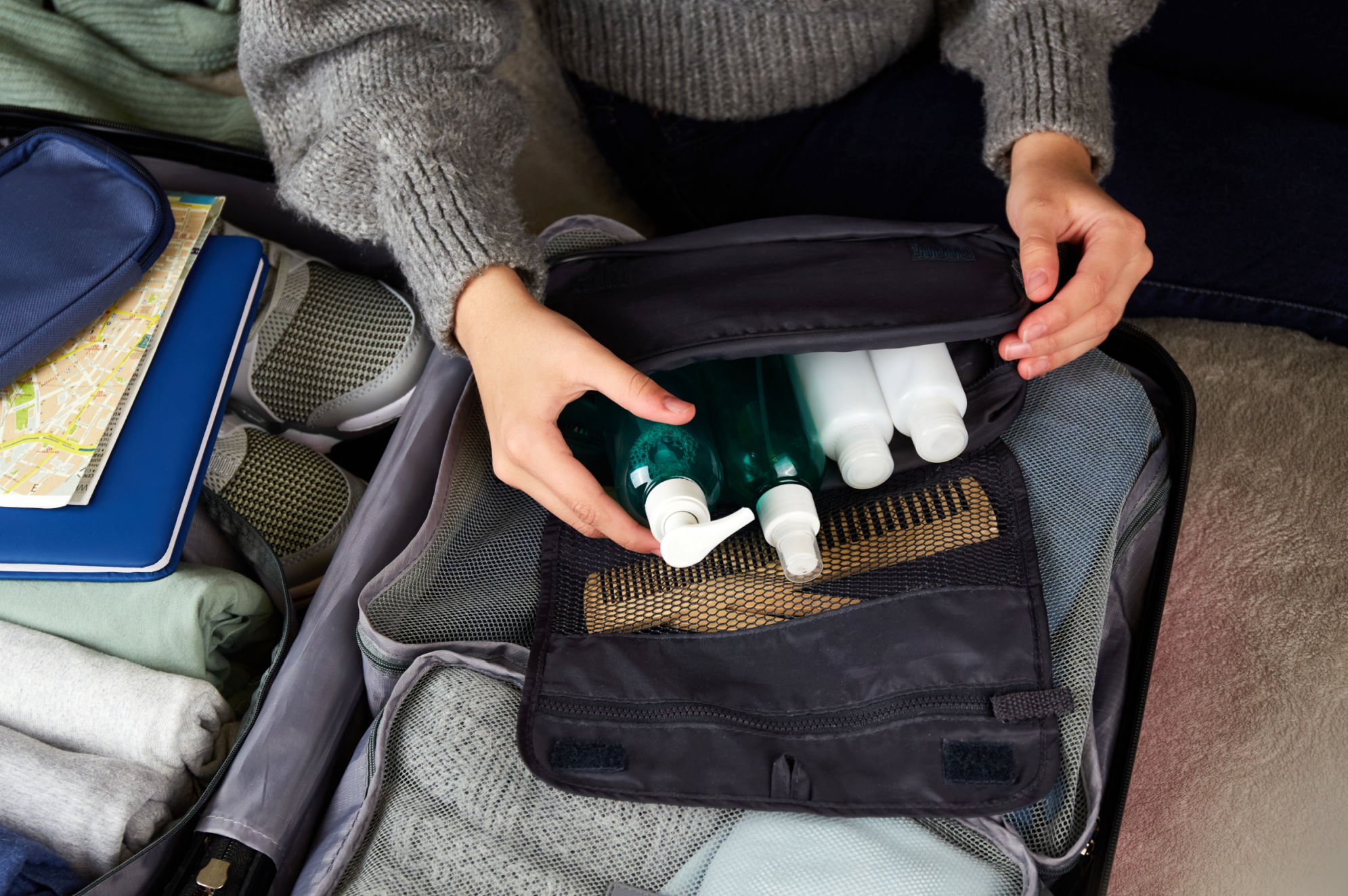
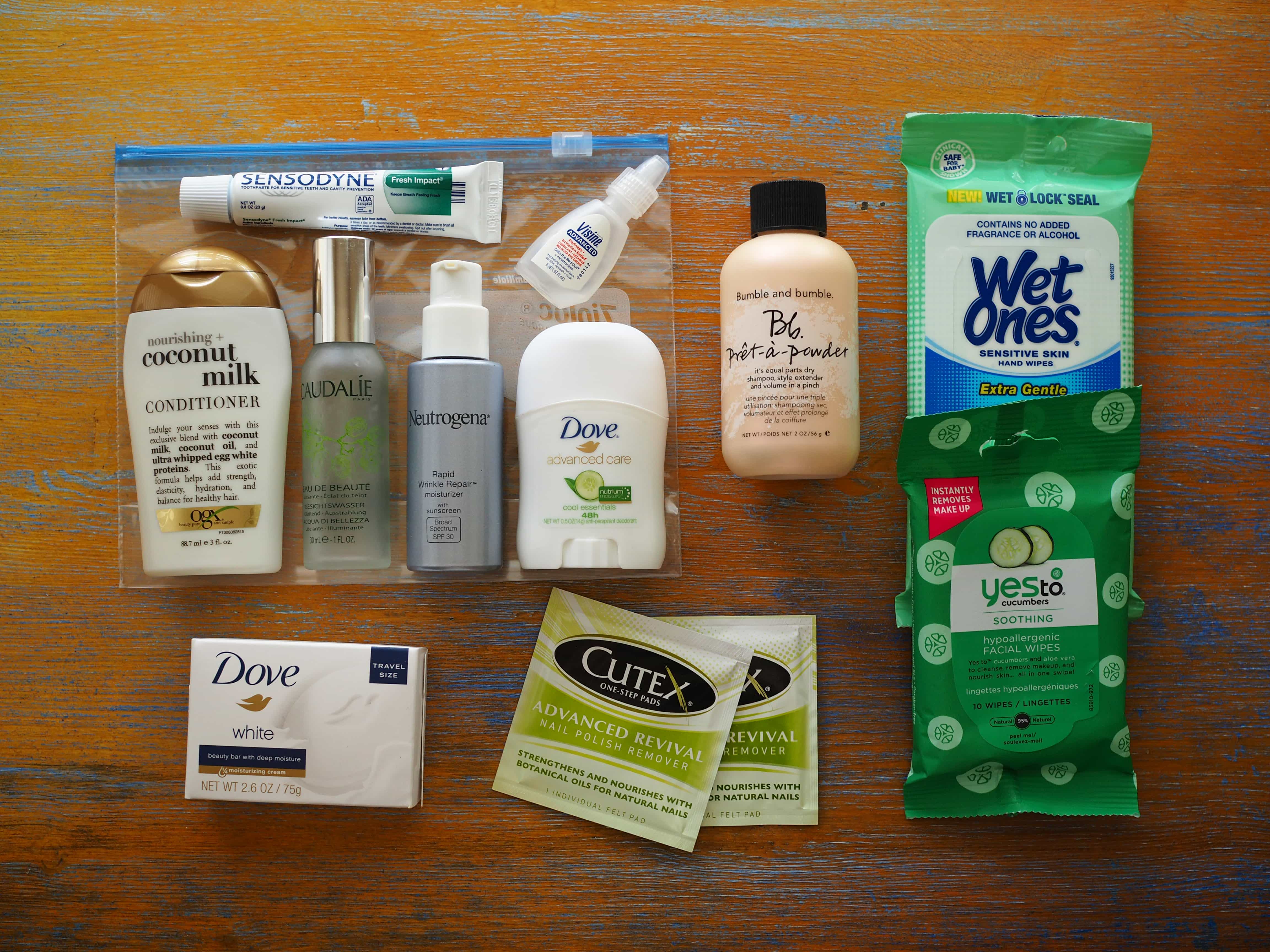
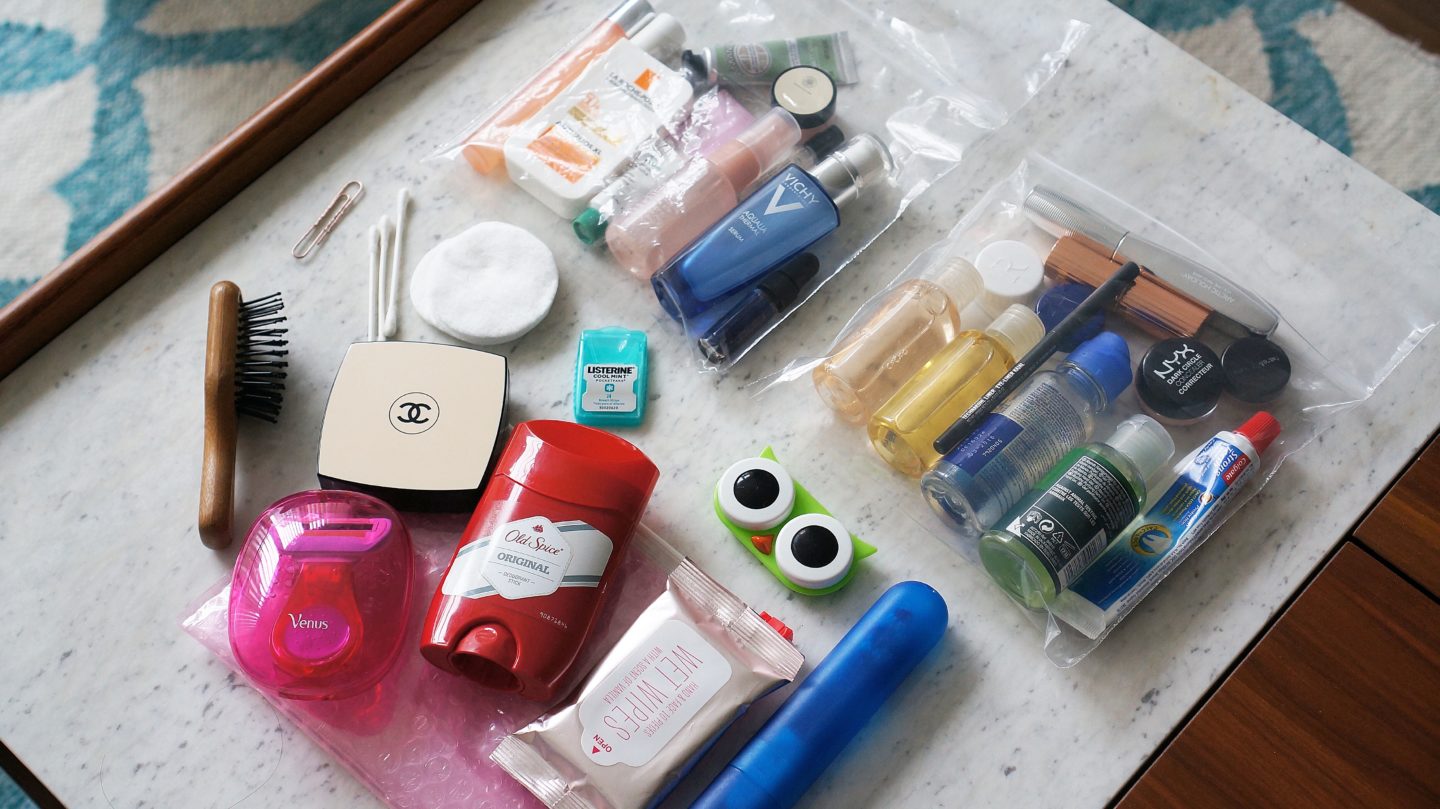
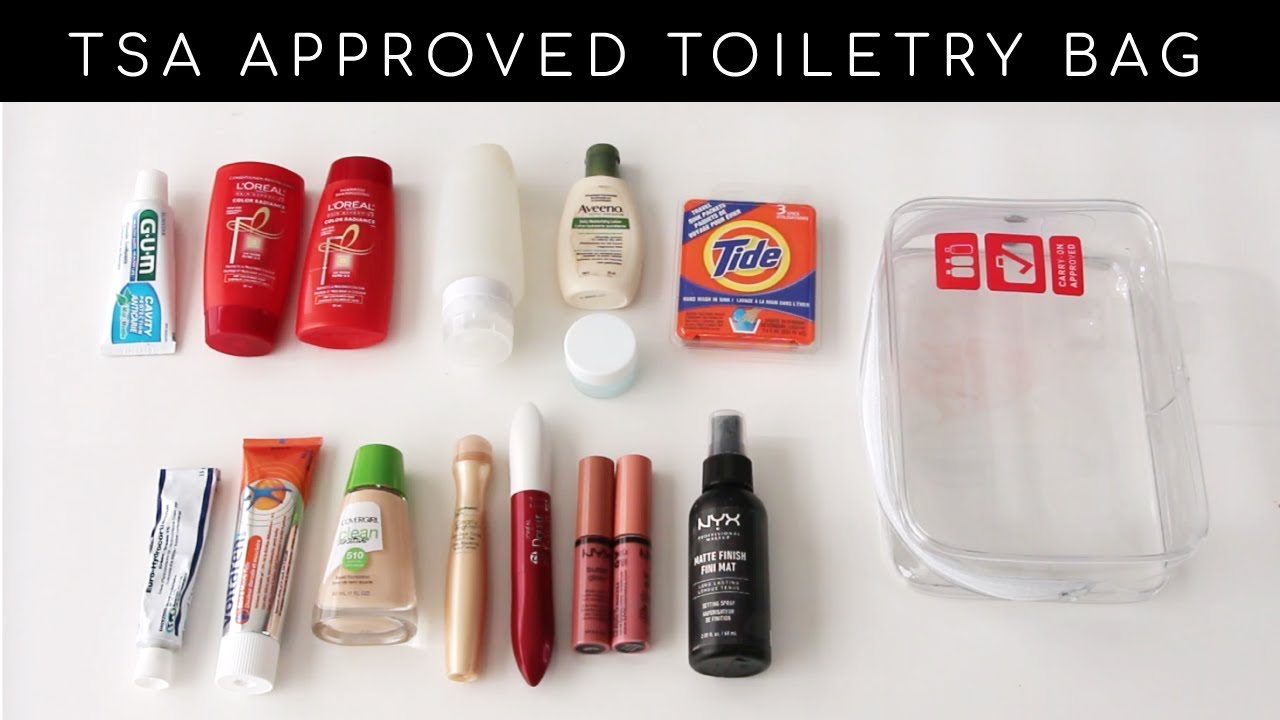
In the early 2000s, the TSA began to enforce strict guidelines on the types and quantities of toiletries that could be brought on board. This led to a surge in demand for travel-sized toiletries, with manufacturers responding by creating a wide range of miniature products. The 3-1-1 liquids rule, introduced in 2006, further solidified the need for passengers to carefully plan their carry-on toiletries, ensuring that all liquids, gels, and aerosols were in containers of 3.4 ounces or less, fit in a clear quart-sized zip-top bag, and were screened at security checkpoints.
As we delve deeper into the history of carry-on toiletries, it's interesting to note the vintage habits of travelers in the past. In the 1960s and 1970s, air travel was a luxury reserved for the affluent, and passengers often carried elaborate toiletry kits, complete with full-sized products and decorative cases. The 1980s saw the rise of the first travel-sized toiletries, designed specifically for the emerging market of budget air travel. These early products were often cumbersome and expensive, but they paved the way for the modern travel-sized toiletries we know today.
Evolution of Toiletries in Carry-On Luggage
The 1990s witnessed a significant shift in the way toiletries were perceived and regulated. The introduction of new security protocols and the TSA led to a heightened sense of awareness among passengers, who began to prioritize convenience and compliance when packing their carry-on bags. This, in turn, drove innovation in the toiletry industry, with manufacturers developing more efficient and compact products that met the evolving needs of travelers.
One of the most notable transformations in the world of carry-on toiletries has been the rise of solid products. In recent years, solid shampoos, solid conditioners, and solid toothpastes have gained popularity, offering a convenient and TSA-compliant alternative to traditional liquid products. These innovative items have not only simplified the travel experience but also reduced waste and minimized the risk of leakage or spillage during transit.

The digital age has also had a profound impact on the way we approach carry-on toiletries. With the advent of online shopping and e-commerce, passengers can now easily purchase travel-sized products and have them delivered to their doorstep. This has democratized access to a wide range of toiletries, enabling travelers to choose from a vast array of options and plan their carry-on luggage with greater precision.
Furthermore, the Sharing Economy has given rise to a new wave of toiletry-sharing services, where travelers can borrow or rent products for the duration of their trip. This sustainable approach to toiletry management not only reduces waste but also promotes a sense of community among travelers, who can now share and discover new products with ease.
Modernizing the Art of Packing Toiletries
As we navigate the complexities of modern air travel, it's essential to adopt a strategic approach to packing toiletries. This involves planning ahead, researching the latest products and trends, and investing in high-quality, travel-friendly items. By doing so, passengers can minimize stress, reduce waste, and ensure a seamless travel experience. The key to success lies in finding the perfect balance between convenience, compliance, and personal preference.

The classic principles of packing toiletries are being
Frequently Asked Questions
What are the current TSA regulations regarding toiletries in carry-on luggage?
The TSA enforces strict guidelines on the types and quantities of toiletries that can be carried in a passenger's carry-on luggage. The 3-1-1 liquids rule dictates that all liquids, gels, and aerosols must be in containers of 3.4 ounces or less, fit in a clear quart-sized zip-top bag, and be screened at security checkpoints. It's essential to note that these regulations are subject to change, and passengers should always check the TSA website for the latest information before their flight.
Despite these regulations, there are still many myths and misconceptions surrounding toiletries in carry-on luggage. Some passengers believe that certain products, such as solid shampoos or toothpaste, are exempt from the 3-1-1 rule. However, it's crucial to understand that all products, regardless of their form or function, must comply with TSA regulations. By being aware of these rules and planning accordingly, travelers can avoid unnecessary delays and ensure a smooth journey.
Can I bring electronic toiletries, such as electric toothbrushes or shavers, in my carry-on luggage?
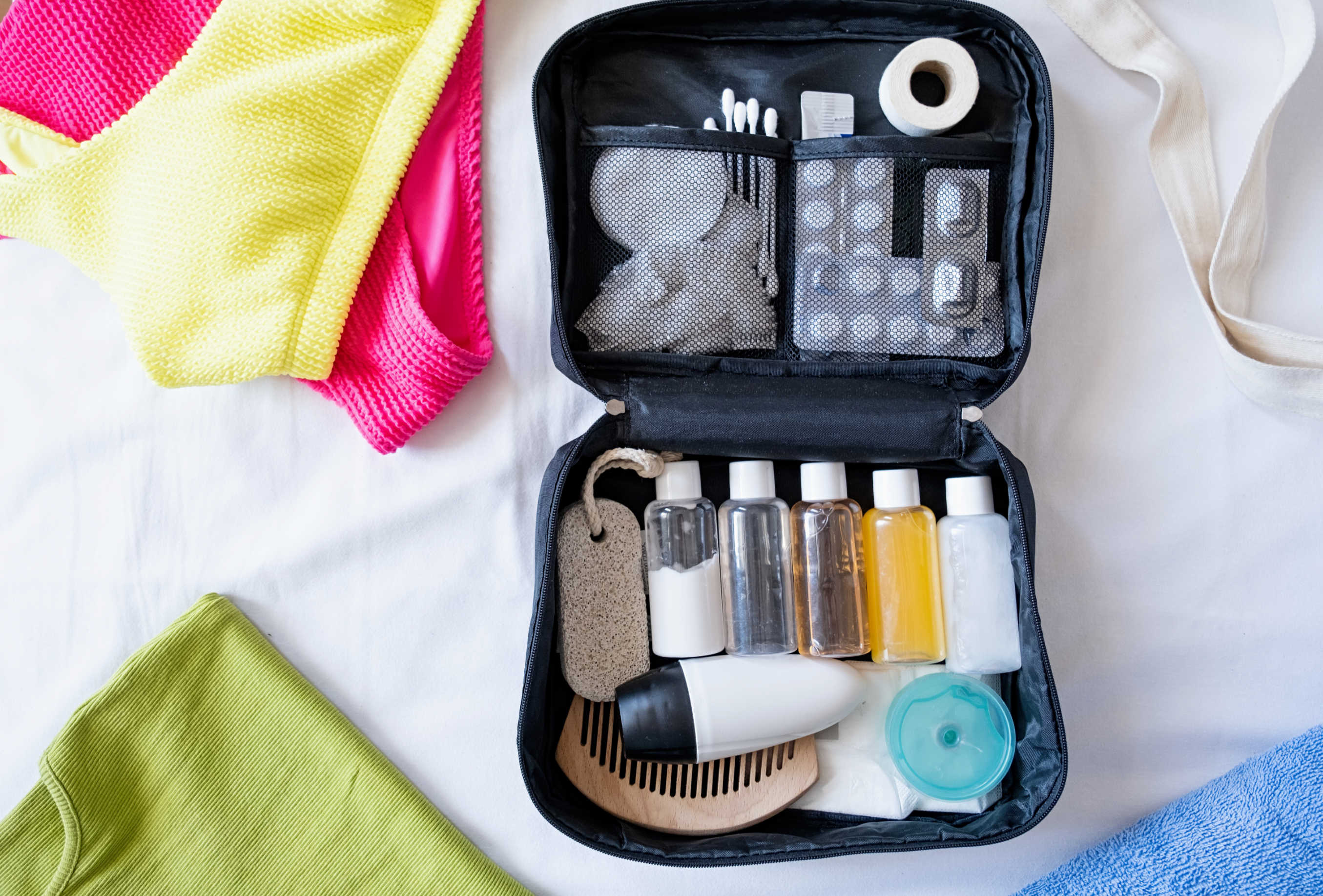
The TSA permits passengers to carry electronic toiletries, such as electric toothbrushes or shavers, in their carry-on luggage. However, it's essential to ensure that these items are properly packed and protected to prevent damage during transit. Passengers should also be aware that lithium batteries and power banks are subject to specific regulations, and it's crucial to check the TSA website for the latest guidelines before their flight.
In recent years, there has been a growing trend towards smart toiletries, which integrate advanced technology and innovative materials to enhance the travel experience. These products, such as electric toothbrushes with UV sanitizers or shavers with nanotechnology, offer a glimpse into the future of toiletry design and functionality. As technology continues to evolve, it's likely that we'll see even more sophisticated and connected products emerge, transforming the way we think about toiletries in carry-on luggage.
Are there any exemptions or special considerations for passengers with specific medical or cosmetic needs?
The TSA provides exemptions and special considerations for passengers with specific medical or cosmetic needs. For example, passengers with medical conditions or disabilities may be permitted to carry essential items, such as insulin or epinephrine auto-injectors, in their carry-on luggage. Similarly, passengers with cosmetic needs, such as wigs or prosthetic devices, may be allowed to carry specific items, subject to screening and approval by TSA personnel.
It's essential for passengers with specific medical or cosmetic needs to notify the TSA in advance and prepare the necessary documentation to ensure a smooth journey. The TSA Cares helpline provides a dedicated resource for passengers with disabilities or medical conditions, offering personalized assistance and guidance on navigating security protocols. By being aware of these exemptions and special considerations, travelers can plan their carry-on luggage with confidence and ensure a safe and comfortable flight.
As we look to the future, it's likely that the world of carry-on toiletries will continue to evolve, driven by advances in technology, shifting consumer preferences, and emerging trends. In the next 20 years, we may see the rise of biometric toiletries, which integrate advanced sensors and AI-powered diagnostic tools to provide personalized health and wellness insights. Alternatively, the growth of sustainable travel may lead to a greater emphasis on eco-friendly and refillable products, designed to minimize waste and reduce the environmental impact of air travel.
Whatever the future holds, one thing is certain – the art of packing toiletries in carry-on luggage will continue to play a vital role in the travel experience. As we navigate the complexities of modern air travel, it's essential to stay informed, adapt to changing regulations, and embrace innovative solutions that enhance our journey. By doing so, we can ensure a safe, comfortable, and enjoyable flight, wherever our destination may be.