What Size Of Liquid Can You Carry On An Airplane
:max_bytes(150000):strip_icc()/tsa-liquid-rules-carry-on-checked-bag-TSALIQUIDS0622-841fded886324b3e99b7713c8b8ae94b.jpg)
As we navigate the complexities of modern air travel, one question looms large in the minds of many: what size of liquid can you carry on an airplane? This query may seem trivial at first glance, but it belies a rich history and a multitude of considerations that affect us all. The regulation of liquids on flights is a crucial aspect of airport security, and understanding its ins and outs can make all the difference in our travel experiences. From the anxious traveler trying to cram as much into their carry-on as possible, to the seasoned flyer who has mastered the art of navigating security lines with ease, everyone has a stake in this matter.
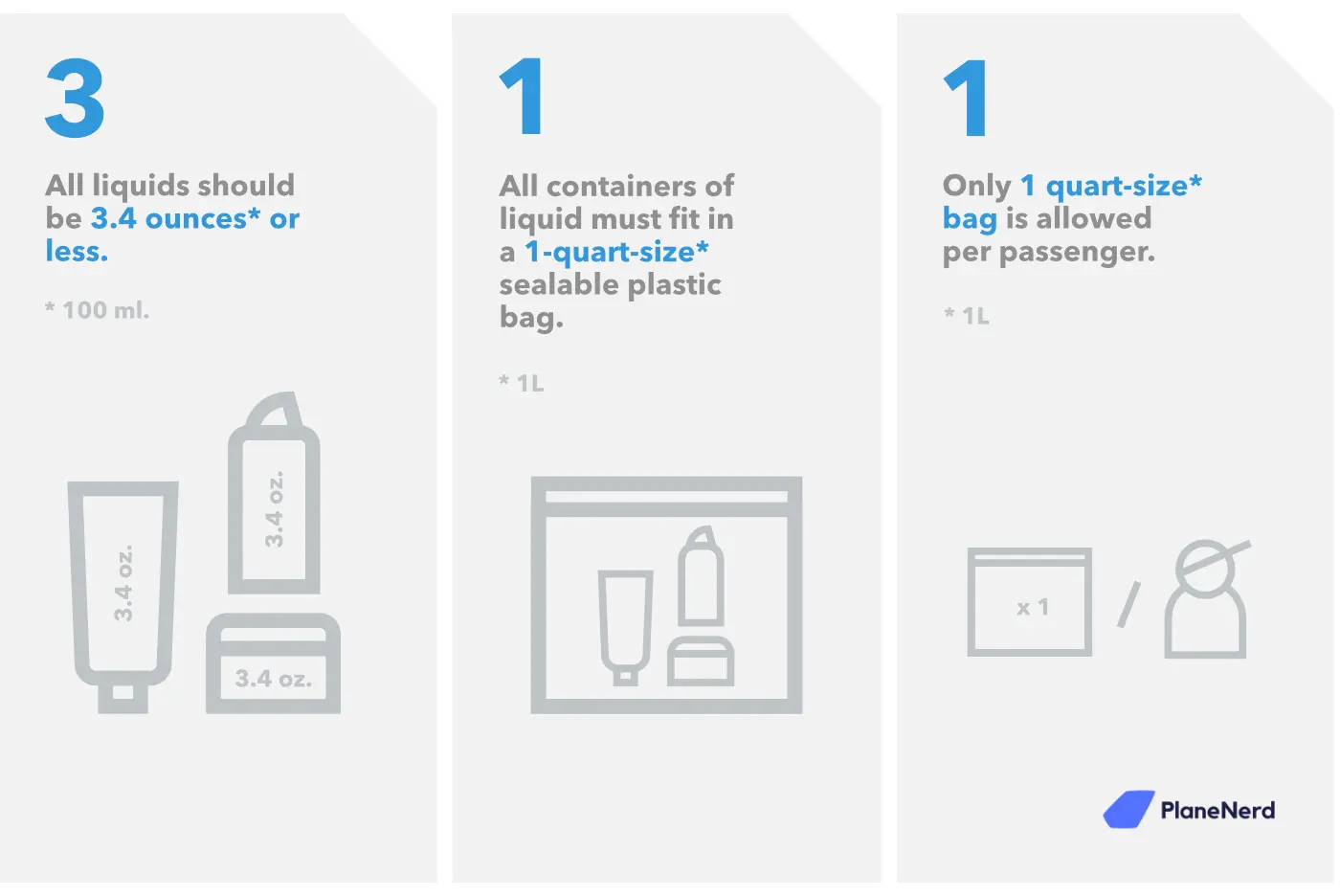
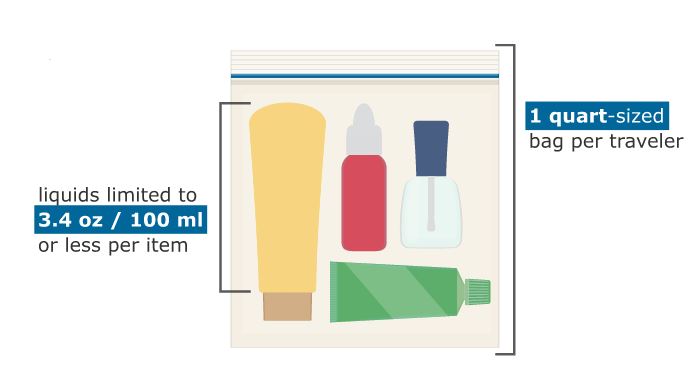
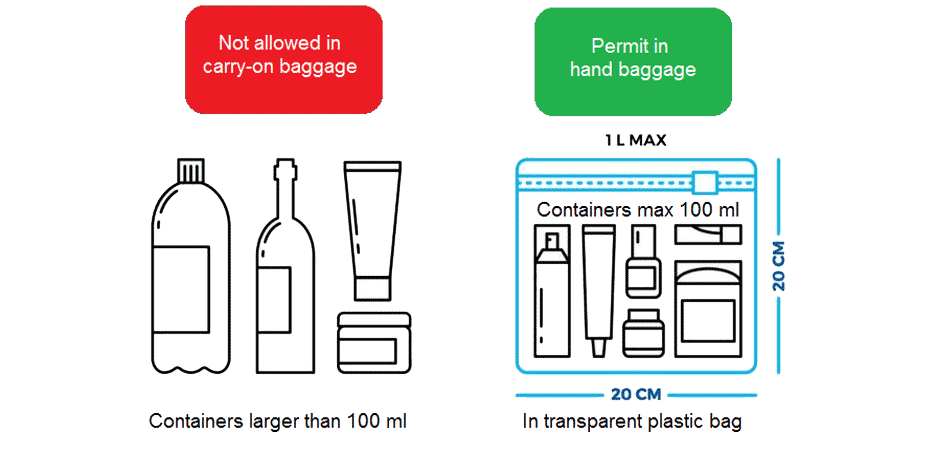
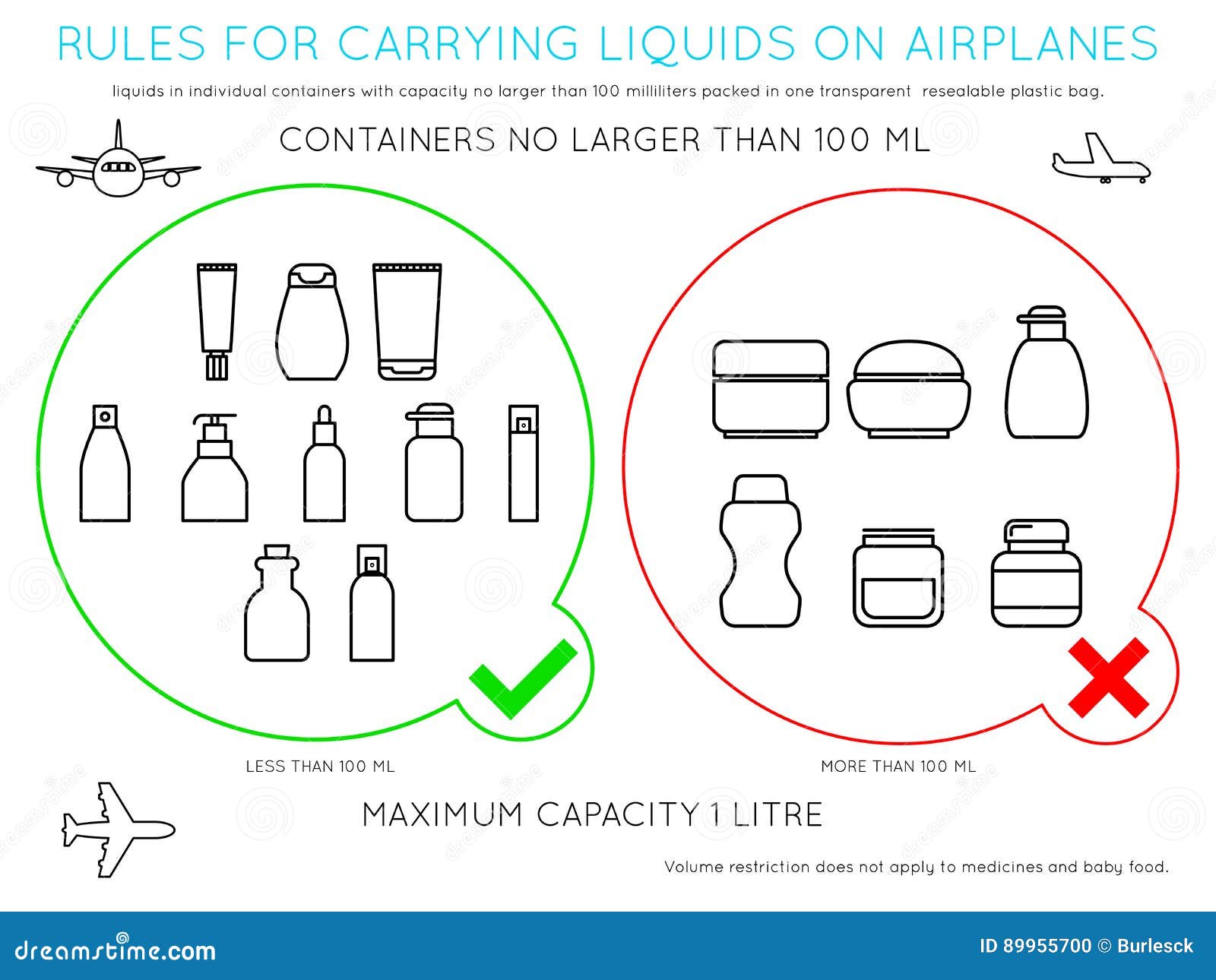
The history of liquid regulations on airplanes is a fascinating tale that weaves together threads of terror threats, technological innovation, and human error. In the aftermath of the 9/11 attacks, airport security underwent a significant overhaul, with a newfound focus on preventing potential threats. The infamous "shoe bomber" incident in 2001 further raised the stakes, leading to the implementation of stringent shoe removal policies at security checkpoints. And then, in 2006, a thwarted plot to detonate liquid explosives on a flight from the UK to the US resulted in the 3-1-1 liquids rule, which dictates that passengers can only carry liquids, gels, and aerosols in containers of 3.4 ounces or less, with all such items fitting into a clear, quart-sized zip-top bag.
Understanding the 3-1-1 Rule
The 3-1-1 rule may seem arbitrary at first, but it is, in fact, a carefully crafted policy designed to balance security concerns with passenger convenience. By limiting the size of liquid containers, authorities aim to prevent would-be terrorists from carrying large quantities of potentially explosive materials onto flights. At the same time, the rule allows for the carriage of small amounts of essential items, such as medication, baby formula, and toiletries. However, the devil lies in the details, and navigating the intricacies of this policy can be a daunting task for many travelers.
A lesser-known aspect of the 3-1-1 rule is its psychological impact on passengers. The need to carefully curate one's carry-on contents can create anxiety and stress, particularly for those who are unsure about what items are permitted. This uncertainty can lead to security theater, where passengers engage in elaborate rituals to demonstrate their compliance with the rules, even if it means sacrificing convenience or comfort. Moreover, the regulations surrounding liquids can also have a cultural impact, influencing the way we think about personal hygiene, grooming, and self-care while traveling.
Despite the challenges posed by the 3-1-1 rule, there are workarounds and strategies that can help passengers navigate this complex landscape. For instance, some airlines offer pre-boarding screenings for passengers with special items, such as breast milk or medical equipment, which can help expedite the security process. Additionally, travel-sized essentials have become a booming industry, with many companies offering miniature versions of popular products that are specifically designed to comply with the 3-1-1 rule.
Real-Life Scenarios and Case Studies
In the real world, the 3-1-1 rule can play out in unexpected ways, leading to humorous misunderstandings and frustrating delays. Consider the case of a passenger who accidentally packed a full-sized toothpaste in their carry-on, only to have it confiscated at the security checkpoint. Or the story of a traveler who attempted to bring a large bottle of hot sauce onto a flight, citing its medicinal properties as a justification. These anecdotes illustrate the gray areas and loopholes that exist within the 3-1-1 rule, and highlight the need for clear communication and flexible enforcement.
Another scenario that highlights the complexities of the 3-1-1 rule is the carriage of duty-free items. Passengers who purchase liquids, gels, or aerosols in duty-free shops may be unsure about whether these items are subject to the same regulations as those purchased in regular stores. The answer, of course, depends on the specific airport and airline policies, but it is essential to research and understand these rules before making a purchase. Failure to do so can result in disappointing confiscations and financial losses.
For passengers who require special accommodations, such as those with medical conditions or disabilities, the 3-1-1 rule can pose significant challenges. In these cases, it is crucial to notify the airline and security authorities in advance, and to be prepared to provide documentation and justification for any exempt items. By doing so, passengers can help ensure a smooth and hassle-free travel experience, and avoid unnecessary delays or complications.
Finally, the 3-1-1 rule has also given rise to a thriving market for travel accessories, with companies offering a wide range of products designed to help passengers comply with the regulations. From reusable zip-top bags to travel-sized containers, these accessories can help make the travel experience more convenient, efficient, and enjoyable. By investing in these products, passengers can save time and reduce stress, and focus on more pleasant aspects of their journey.
Frequently Asked Questions
What are the specific rules for carrying liquids, gels, and aerosols in carry-on bags?
The rules for carrying liquids, gels, and aerosols in carry-on bags are as follows: each item must be in a container of 3.4 ounces or less, and all such items must fit into a clear, quart-sized zip-top bag. Exceptions apply for certain items, such as medication, baby formula, and breast milk, which may be carried in larger quantities with prior notification and approval. It is essential to check with the airline and security authorities for the most up-to-date information and to ensure compliance with the regulations.

In practice, this means that passengers should carefully pack their carry-on bags to ensure that all liquids, gels, and aerosols are in compliant containers and fit within the allowed zip-top bag. Failure to do so can result in delayed flights, confiscated items, and additional screening. By understanding and adhering to these rules, passengers can help streamline the security process and make their travel experience more efficient and enjoyable.
Can I bring a refillable water bottle through security checkpoints?
The answer to this question is yes, but with some caveats. Empty refillable water bottles are generally allowed through security checkpoints, but they must be completely empty and declarable at the time of screening. Once through security, passengers can refill their bottles at water fountains or other available sources. However, liquids, gels, or aerosols cannot be carried in these bottles through security checkpoints, and any attempts to do so may result in confiscation or additional screening.
It is important to note that some airports and airlines may have specific policies or restrictions on refillable water bottles, so it is always a good idea to check ahead of time. By doing so, passengers can avoid unnecessary delays or complications and ensure a smooth travel experience. Additionally, using a refillable water bottle can help reduce waste and minimize environmental impact, making it a responsible and eco-friendly choice for travelers.
How do I pack my carry-on bag to ensure compliance with the 3-1-1 rule?
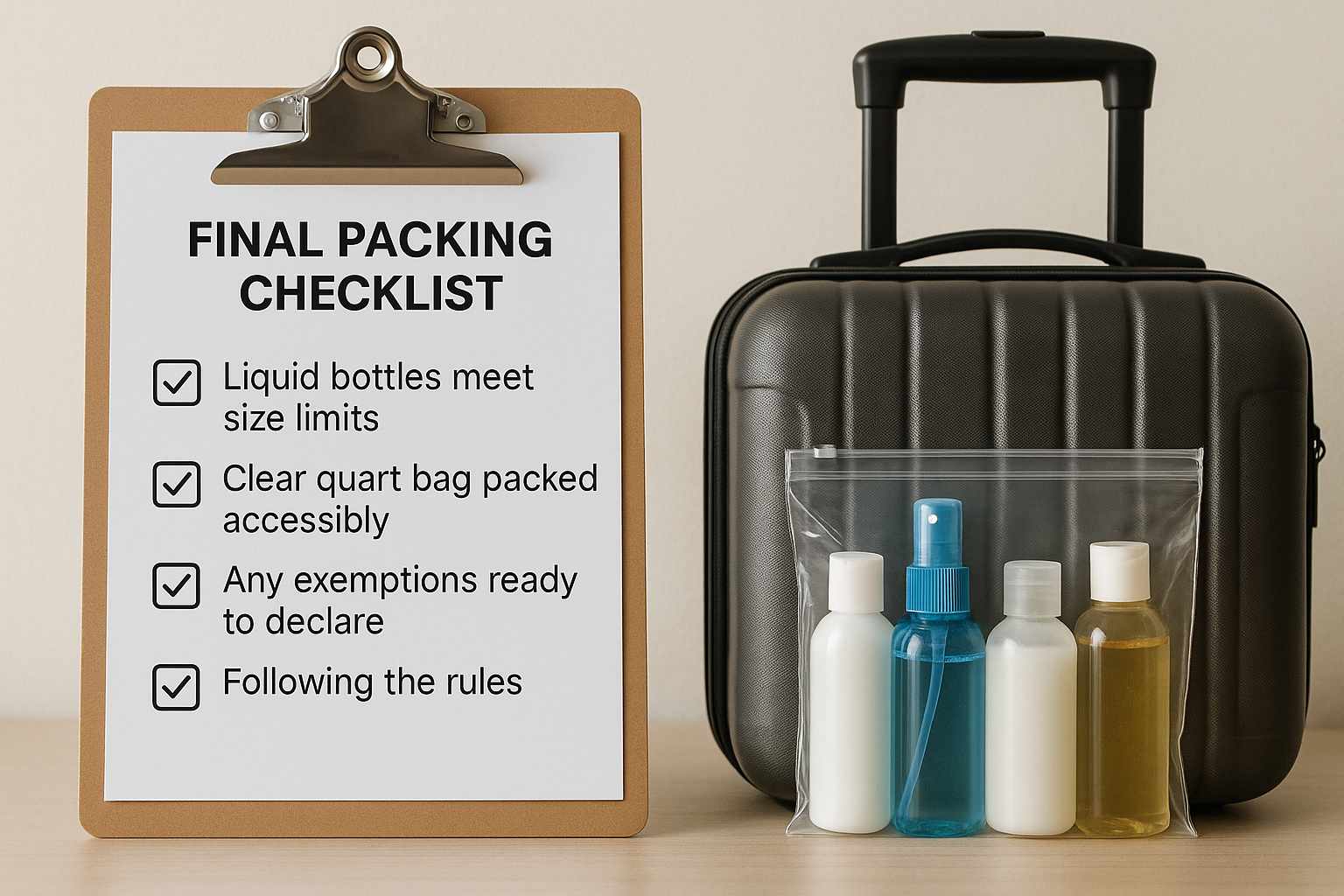
Packing a carry-on bag to comply with the 3-1-1 rule requires some planning and strategy. First, choose travel-sized essentials that are specifically designed to meet the 3.4-ounce limit. Next, organize your carry-on bag to ensure that all liquids, gels, and aerosols are easily accessible and visible at security checkpoints. Consider using a clear zip-top bag to store these items, and be prepared to remove and declare them at the time of screening.

It is also essential to leave some extra space in your carry-on bag for any items that may need to be removed or inspected during the security process. This can help streamline the screening process and reduce the risk of delays or complications. By packing wisely and being prepared, passengers can help ensure a smooth and efficient travel experience, and avoid unnecessary stress or anxiety.
Can I purchase duty-free liquids, gels, or aerosols and carry them onto a flight?
The answer to this question depends on the specific airport and airline policies. In general, duty-free liquids, gels, and aerosols are allowed in carry-on bags, but they must be packaged in a secure, tamper-evident bag and accompanied by a receipt. However, some airports and airlines may have stricter rules or restrictions, so it is always a good idea to check ahead of time to avoid any disappointing confiscations or delays.
In addition to checking with the airline and airport, passengers should also be aware of any customs or immigration regulations that may apply to their duty-free purchases. Failure to comply with these regulations can result in penalties, fines, or even prosecution, so it is essential to understand and follow the rules. By doing so, passengers can help ensure a smooth and hassle-free travel experience, and avoid any unnecessary complications.
Are there any exceptions to the 3-1-1 rule for passengers with special needs or medical conditions?
Yes, there are exceptions to the 3-1-1 rule for passengers with special needs or medical conditions. For example, medication, baby formula, and breast milk are generally allowed in larger quantities, but they must be declared and inspected at security checkpoints. Additionally, passengers with certain medical conditions may be allowed to carry additional items, such as injectable medications or medical equipment, but these must be approved in advance by the airline and security authorities.
It is essential for passengers with special needs or medical conditions to notify the airline and security authorities in advance, and to be prepared to provide documentation and justification for any exempt items. By doing so, passengers can help ensure a smooth and hassle-free travel experience, and avoid any unnecessary delays or complications. Additionally, many airports and airlines offer special assistance programs for passengers with disabilities or medical conditions, which can provide additional support and accommodations during the travel process.
As we reflect on the 3-1-1 rule and its impact on our travel experiences, it becomes clear that this regulation is not just about security – it is also about human nature and behavior. The need to feel safe and secure is a fundamental aspect of the human experience, and the 3-1-1 rule is a manifestation of this desire. By understanding and complying with this rule, we can help create a safer and more harmonious travel environment, where everyone can feel comfortable and secure.
The 3-1-1 rule also speaks to the complexities and nuances of modern air travel. In an era where safety and security are paramount, we must navigate a complex web of regulations and restrictions that can sometimes seem overwhelming or confusing. And yet, by embracing these challenges and adapting to the changing landscape of air travel, we can create a more efficient, convenient, and enjoyable experience for all passengers.
In the end, the 3-1-1 rule is a reminder of the importance of resilience and adaptability in the face of uncertainty and change. As we continue to navigate the complexities of modern air travel, we must remain flexible and open-minded, willing to adjust our expectations and behaviors in response to new challenges and opportunities. By doing so, we can create a brighter, safer, and more harmonious future for air travel, where everyone can feel comfortable, secure, and connected.