What Should A Vagina Look Like

The human fascination with the female anatomy, particularly the vagina, has been a longstanding and complex aspect of our collective history. From ancient civilizations to modern times, the perception and understanding of what a vagina should look like have evolved significantly, influenced by a mix of scientific discovery, societal norms, and personal beliefs. As early as 1559, anatomical studies began to shed light on the female reproductive system, but it wasn't until the late 19th and early 20th centuries that more detailed and accurate descriptions emerged.
Initially, the interest in the vagina's appearance was largely driven by medical necessity and curiosity. Physicians and scientists sought to understand the human body's intricacies, which naturally included the reproductive organs. However, this pursuit of knowledge was not without its challenges, especially considering the social taboos and gender biases of the time. The study of female anatomy was often overshadowed by the study of male anatomy, leading to a significant gap in knowledge and understanding about the female body.
Despite these hurdles, pioneers in the field of gynecology, such as Dr. James Marion Sims, made groundbreaking contributions. Sims, often credited with establishing the field of gynecology, conducted extensive research and developed several surgical techniques that greatly improved the care and treatment of women's health issues. However, his methods and the context of his time also underscore the complex and sometimes controversial history of the subject, highlighting the need for a nuanced and informed discussion about what a vagina should look like and how it should be understood.
Evolution of Perception
The perception of the vagina's appearance has undergone significant transformations over the decades, reflecting broader societal changes and advancements in medical science. In the 1960s and 1970s, the feminist movement played a crucial role in challenging traditional views and promoting a more inclusive and accurate understanding of female anatomy. Publications like Our Bodies, Ourselves became seminal in educating women and the general public about the female body, including discussions on what constitutes a 'normal' vaginal appearance.
Throughout the 20th century, the introduction of new medical technologies, such as ultrasound and magnetic resonance imaging (MRI), has provided unprecedented insights into the female reproductive system. These advancements have not only improved diagnostic capabilities but have also contributed to a more detailed understanding of vaginal health and appearance. Moreover, the rise of the internet and social media has democratized access to information, allowing for more open discussions and the dissemination of accurate knowledge about female anatomy.
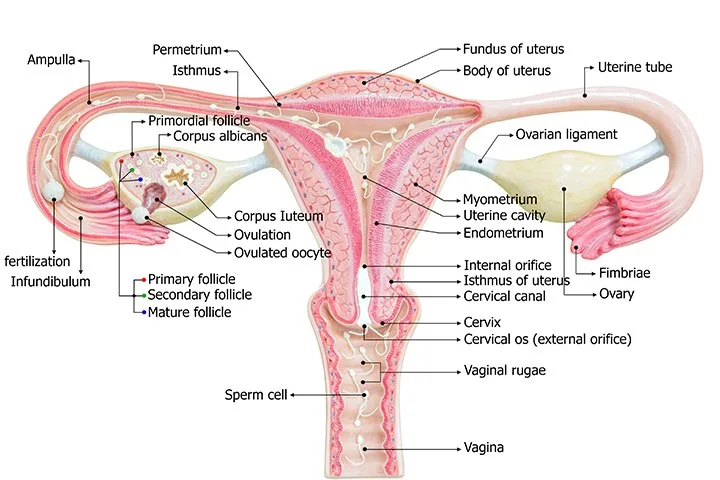
However, this increased availability of information has also led to the spread of misinformation and unrealistic expectations, particularly regarding the appearance of the vagina. The proliferation of pornographic content has created unattainable beauty standards, contributing to body dissatisfaction and low self-esteem among many women. It is crucial, therefore, to differentiate between the natural variability of vaginal appearance and the idealized versions often presented in media.
The historical treatment of the vagina's appearance is also marked by bizarre and harmful practices, aimed at altering its look to conform to societal beauty standards. Female genital mutilation (FGM), practiced in some cultures, is a stark reminder of the dangerous and misguided attempts to control and modify the female body. Such practices underscore the importance of promoting a culture of acceptance and understanding, where the natural diversity of vaginal appearances is valued and respected.
Modern Perspectives
In today's fast-paced world, the discussion around what a vagina should look like is being modernized through educational campaigns and body positivity movements. These initiatives aim to counteract the negative impacts of unrealistic beauty standards by promoting self-acceptance and the celebration of bodily diversity. Social media platforms are being leveraged to disseminate accurate information and challenge prevalent myths and misconceptions about female anatomy.
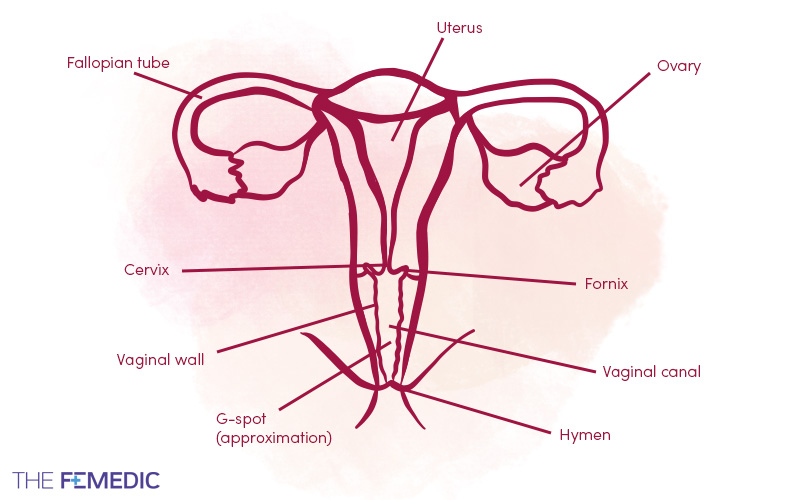
The integration of technology and healthcare is also revolutionizing the way we approach vaginal health and appearance. Innovations in diagnostic tools and treatments are providing women with more options and better care. Furthermore, telemedicine and online health services are increasing access to healthcare professionals and information, making it easier for individuals to seek advice and care regarding their reproductive health.
Frequently Asked Questions
What is considered a normal vaginal appearance?
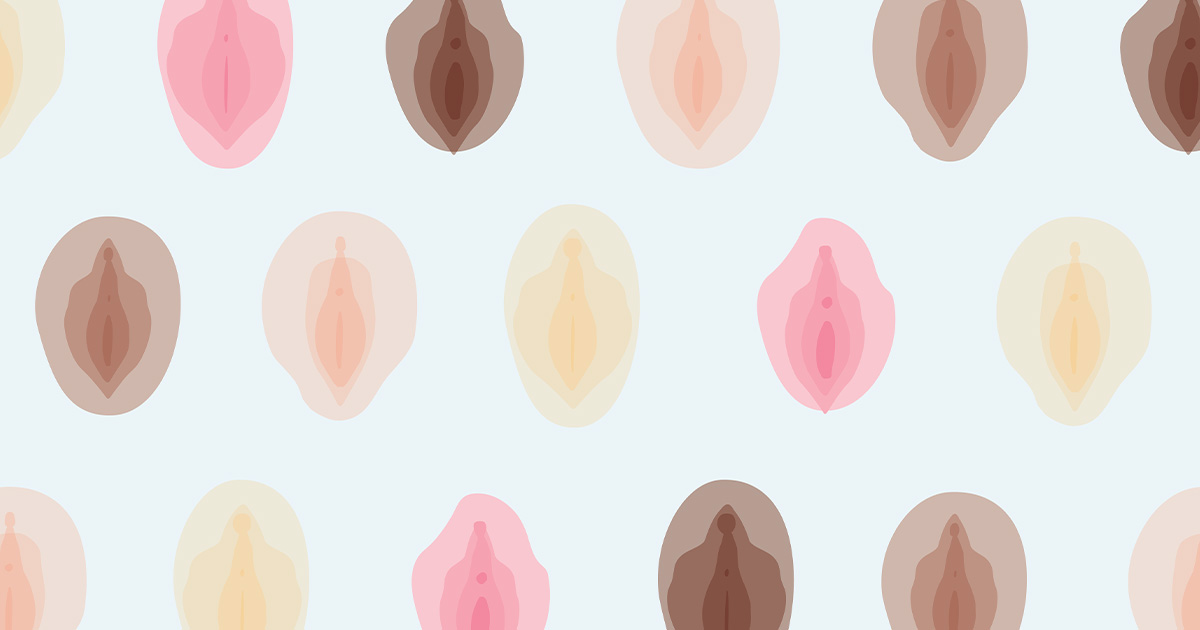
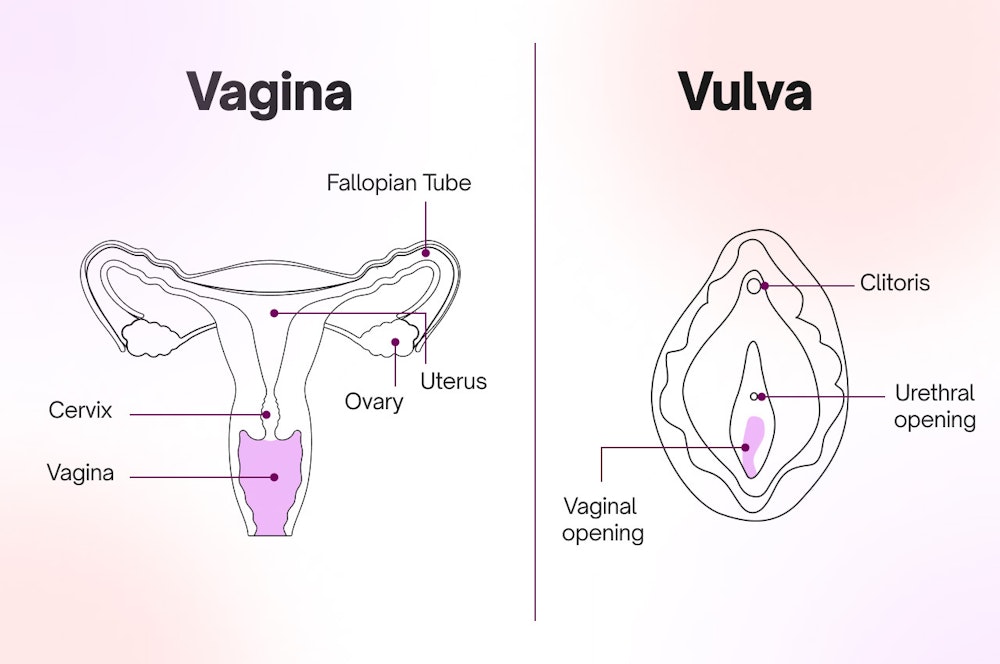
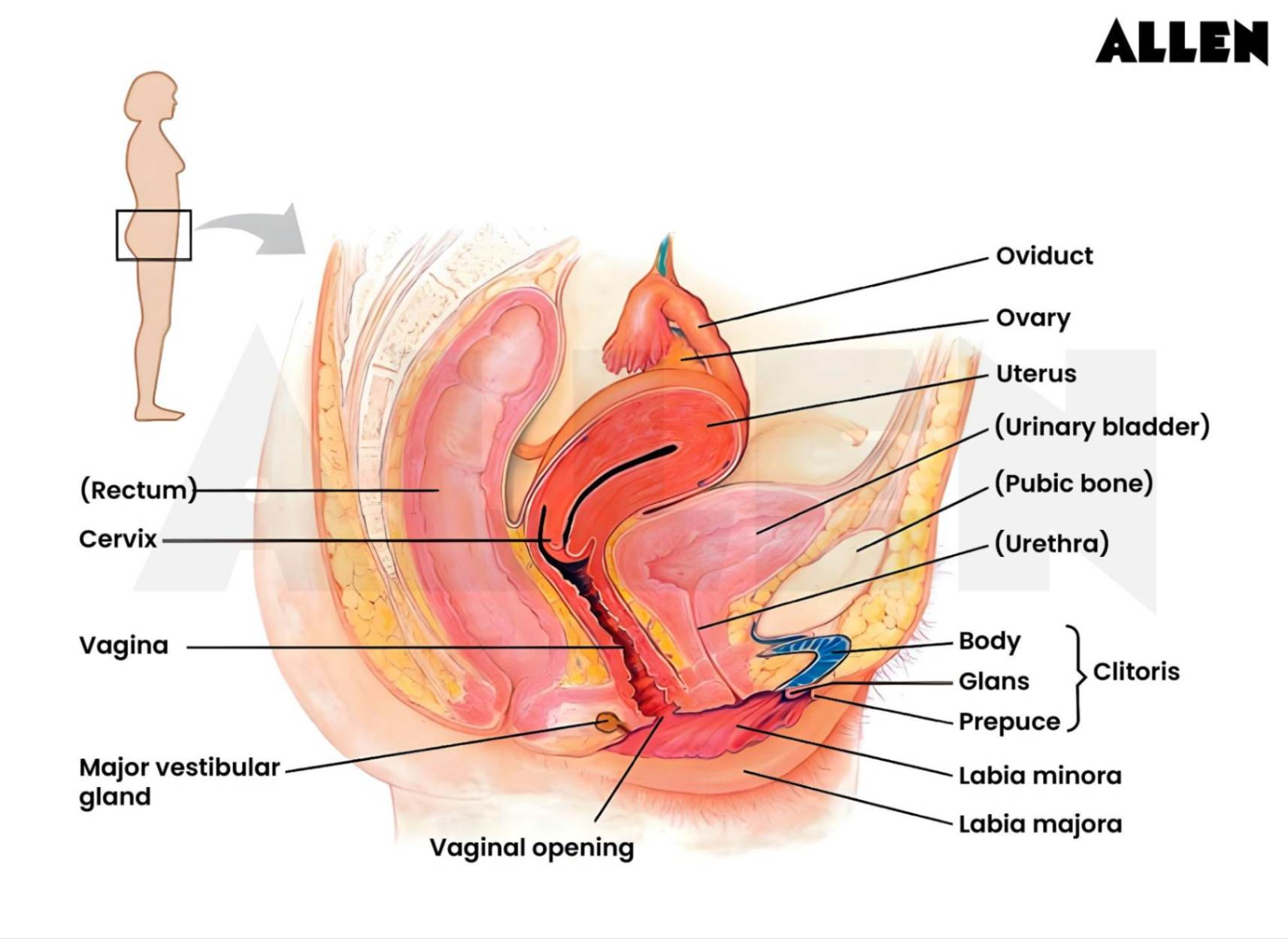
The concept of a 'normal' vaginal appearance is broad and encompasses a wide range of variations. Medical professionals emphasize that there is no one-size-fits-all definition, as the size, shape, and color of the vagina can differ significantly from one individual to another. Factors such as genetics, age, and whether a woman has given birth can influence the appearance of the vagina. It's crucial to understand that these variations are a natural part of human diversity and do not necessarily indicate any health issues.
Historically, the lack of representation and discussion about vaginal appearance has led to widespread misconceptions. However, recent awareness campaigns and the work of health educators are helping to shift this narrative, encouraging women to embrace their bodies and seek medical advice if they have concerns. By focusing on health rather than appearance, individuals can cultivate a more positive and informed relationship with their bodies.
How have societal beauty standards impacted perceptions of vaginal appearance?
Societal beauty standards have profoundly impacted how individuals perceive and feel about their vaginal appearance. The media and pornography often present unrealistic and airbrushed images of the female body, including the vagina, which can lead to feelings of inadequacy and low self-esteem. Moreover, cultural and social norms can dictate what is considered beautiful or desirable, sometimes resulting in harmful practices aimed at modifying the body to fit these ideals.
However, there is a growing movement towards body positivity and acceptance, which seeks to challenge and change these harmful beauty standards. By promoting diversity and inclusivity, and acknowledging the natural variability of human bodies, individuals can work towards a more positive and accepting view of themselves and others. Education and open dialogue are key components of this movement, helping to dispel myths and foster a culture of acceptance and respect.
What role does education play in shaping our understanding of vaginal appearance?
Education plays a pivotal role in shaping our understanding of vaginal appearance, serving as a critical tool in the dissemination of accurate information and the challenging of prevailing myths. Comprehensive sex education programs that include discussions on female anatomy, health, and diversity of appearance are essential in promoting a positive and informed view of the body. Moreover, healthcare providers are in a unique position to offer guidance and reassurance, helping individuals understand what is normal and healthy.
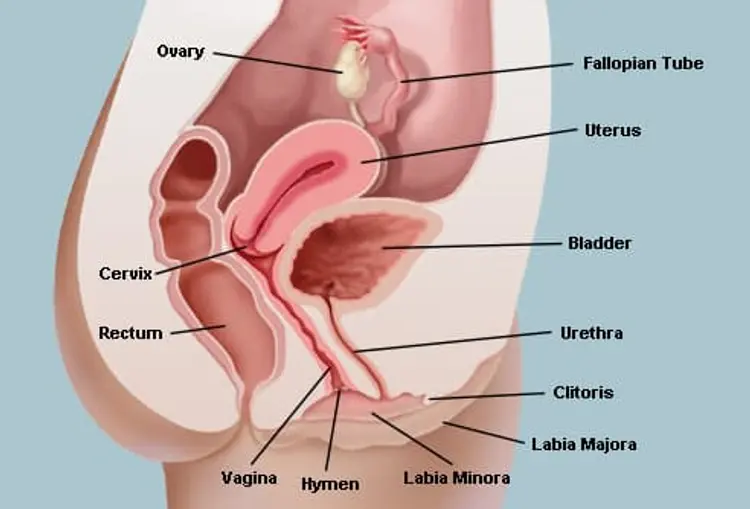
By integrating sexual health education into school curricula and community programs, we can empower individuals with the knowledge they need to make informed decisions about their health and well-being. Furthermore, online resources and support groups can provide additional avenues for education and support, catering to the diverse needs and questions of the public. Through education, we can work towards a society that values and respects the natural diversity of human bodies, including the vagina.
Looking ahead to the next 20 years, it's clear that the conversation around vaginal appearance will continue to evolve. Advancements in medical technology and genetic research may lead to new insights into the development and health of the female reproductive system, potentially challenging current understandings of what is considered 'normal'. Moreover, the Impact of social media and online communities will likely remain significant, as they continue to shape how we discuss, perceive, and understand our bodies.
As we move forward, it will be essential to prioritize education, inclusivity, and respect for bodily diversity. By fostering a culture that values and celebrates the natural variability of human bodies, we can work towards a future where individuals feel empowered to embrace their uniqueness and seek care without fear of judgment. The journey towards this future will undoubtedly be complex, but by building on the progress made so far and continuing to push for greater understanding and acceptance, we can create a more inclusive and compassionate world for all.