What Sex Position Do Women Like

The conversation about sexual preferences and positions has been a longstanding and sensitive topic, weaving its way through the fabric of human history. It's a discussion that has evolved significantly over time, influenced by cultural norms, scientific discoveries, and societal values. Looking back, it's evident that the way people perceive and engage in sexual activities has undergone a remarkable transformation, from the ancient civilizations where sexuality was often intertwined with religious and mythological beliefs, to the Victorian era where sexuality was suppressed and rarely discussed openly.
In the early 20th century, the topic began to see the light of day, albeit shrouded in secrecy and taboo. The sexual revolution of the 1960s marked a significant turning point, as it brought sexuality to the forefront of public discourse, challenging traditional norms and advocating for sexual freedom and exploration. This era saw the emergence of pioneering figures such as Alfred Kinsey, whose groundbreaking research on human sexuality paved the way for a more open and informed discussion about sexual preferences, including the variety of sexual positions.
As society continued to evolve, so did the dialogue around sexual positions and what women, in particular, prefer. The 1980s and 1990s saw a surge in the publication of sex manuals and guides, such as "The Joy of Sex", which aimed to educate couples about the diverse world of sexual experiences, including various sexual positions. This period was marked by an increased recognition of women's sexual agency and their right to express their preferences and desires openly. The internet and digital media have further amplified this conversation, providing a platform for women to share their experiences, preferences, and desires anonymously, contributing to a richer understanding of the diversity of female sexual pleasure.
Must Read
Historical Perspectives on Sex Positions
Diving deeper into the historical context, it becomes clear that the preference for certain sex positions has been influenced by a myriad of factors, including cultural practices, religious beliefs, and medical understandings of the time. In ancient Greece and Rome, for example, sexuality was not only a natural part of life but was also often depicted in art and literature, showcasing a variety of sexual positions and practices. This openness to sexual exploration stood in stark contrast to the Middle Ages, where sexuality was heavily moralized and certain positions were deemed sinful.
The 18th and 19th centuries saw the rise of sexology as a field of study, with figures like Havelock Ellis and Sigmund Freud contributing to the understanding of human sexuality. Their works, although sometimes controversial and limited by the biases of their time, helped lay the groundwork for later research into sexual preferences and positions. The early 20th century also witnessed the publication of various guides and manuals aimed at helping couples improve their sexual relationships, marking a gradual shift towards a more pragmatic and less judgmental approach to sexuality.

One of the most significant transformations in the discussion around sex positions is the shift from a purely male-centric perspective to one that includes and prioritizes female pleasure and preference. The women's liberation movement of the 1960s and 1970s played a crucial role in this shift, as women began to demand greater autonomy over their bodies and sexual experiences. This movement, coupled with advancements in sex research, has led to a more nuanced understanding of female sexual anatomy and the importance of clitoral stimulation, among other factors, in determining preferable sex positions.
The impact of pornography on perceptions of sex positions cannot be overlooked. While it has contributed to the normalization of a wide range of sexual practices, it has also been criticized for creating unrealistic expectations and skewing the perception of what is considered 'normal' or desirable in sexual encounters. This has led to a complex interplay between the portrayal of sex in media and the personal preferences and experiences of individuals, highlighting the need for a balanced and realistic discussion about sex and sexual positions.
Modernizing Classic Principles
In today's fast-paced, technology-driven world, the approach to sexual positions and preferences is undergoing another significant evolution. The rise of dating apps and online platforms has changed the way people meet and interact, offering new avenues for discussing and exploring sexual preferences. Moreover, the increased focus on sexual health and wellness has led to a more open conversation about what constitutes satisfying sexual experiences for women, including the importance of communication, consent, and mutual pleasure.

The integration of technology into sexual experiences is also redefining the boundaries of sexual exploration. From sex toys designed with female pleasure in mind to virtual reality experiences that offer new dimensions of intimacy, the possibilities for exploring and enjoying sex are expanding. This modernization of classic principles not only reflects the evolving nature of human sexuality but also underscores the importance of adaptability and open-mindedness in sexual relationships, ensuring that they remain fulfilling and exciting for all parties involved.
Frequently Asked Questions
What is the most preferred sex position among women?
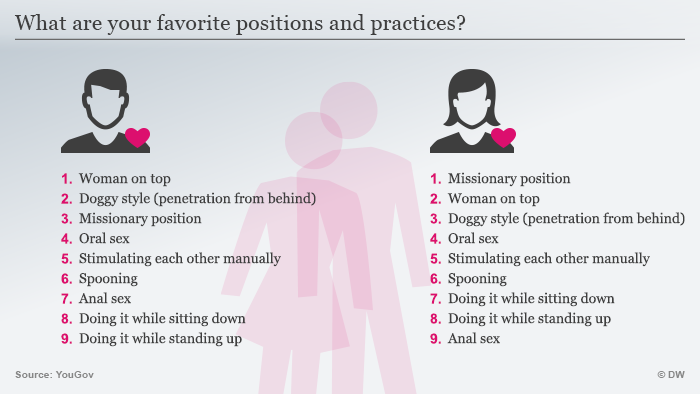
Answering this question requires a nuanced approach, as sexual preferences are highly individual and can vary greatly from one person to another. However, research and surveys have indicated that positions which allow for clitoral stimulation and offer a sense of control and intimacy, such as the cowgirl position or positions that facilitate face-to-face interaction, are often reported as favorites among many women. The emphasis here is on the diversity of preferences and the importance of communication between partners to find what works best for each individual.
Historically, the discussion around preferred sex positions has been shrouded in mystery and misconception, with many myths surrounding female sexual pleasure. The 20th century saw significant advancements in understanding female anatomy and the role of the clitoris in sexual pleasure, challenging previous beliefs that had marginalized female sexual satisfaction. Today, the conversation continues to evolve, with a growing recognition of the complexity and variability of female sexual experiences, and the need for ongoing education and dialogue to better understand and cater to individual preferences.
How have cultural and societal norms influenced preferences for sex positions?
Cultural and societal norms have played a profound role in shaping preferences for sex positions throughout history. From the traditional and often patriarchal societies where certain positions were deemed more acceptable, to the modern era where diversity and individuality are more celebrated, societal influences have continually evolved. The sexual revolution and subsequent feminist movements have been instrumental in challenging traditional norms, advocating for a more inclusive and equitable approach to sexuality that acknowledges and respects the preferences and desires of all individuals, regardless of gender.
The impact of these norms is evident in the way sex education is approached, the availability of sexual health resources, and the portrayal of sexuality in media and popular culture. As society becomes more accepting and knowledgeable about sexual diversity, there is a corresponding shift in the discussion around sex positions, moving towards a more personalized and pleasure-centric approach. This evolution underscores the dynamic nature of human sexuality and the importance of considering the socio-cultural context in which sexual preferences are formed and expressed.
What role does communication play in determining preferred sex positions?
Communication is paramount in determining preferred sex positions, as it allows partners to express their desires, boundaries, and preferences openly. The ability to communicate effectively about sexual needs and experiences is crucial for building intimacy, trust, and mutual satisfaction in sexual relationships. Open dialogue helps in navigating the complexities of individual preferences, ensuring that both partners feel heard and understood, and can work together to find positions and practices that are enjoyable and fulfilling for all involved.

Throughout history, the absence of open communication about sex has often led to misconceptions and dissatisfaction. The sexual liberation movement and subsequent advocacy for sexual education have highlighted the importance of talking about sex, including preferences for sex positions, in a healthy and constructive manner. Today, with the aid of technology and social media, there are more channels than ever for people to discuss, learn about, and explore their sexual preferences, emphasizing the critical role of communication in enhancing sexual experiences and deepening emotional connections between partners.
As we look to the future, the topic of sex positions and what women like will undoubtedly continue to evolve. Advances in sex technology, changes in societal attitudes towards sexuality, and the ongoing conversation about consent and sexual health will all play significant roles in shaping preferences and experiences. The next 20 years will likely see a further shift towards personalized and inclusive approaches to sexuality, with technologies such as virtual and augmented reality offering new dimensions of sexual exploration and intimacy.
The future of sexuality is also closely tied to the advancement of gender equality and the recognition of diverse sexual identities and preferences. As society moves towards a more equitable and accepting stance on sexuality, the discussion around sex positions will become even more nuanced, reflecting the complexity and richness of human sexual experience. This evolution will be marked by ongoing research, education, and open dialogue, ultimately leading to a more fulfilling and satisfying sexual life for individuals of all backgrounds and preferences.