What Percentage Of Guys Masterbate
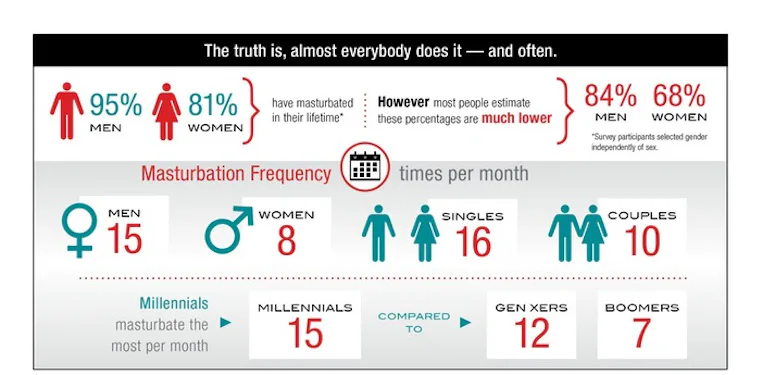
The topic of masturbation is often shrouded in secrecy and taboo, yet it is a natural part of human behavior. Research suggests that up to 95% of men masturbate, with the majority doing so regularly. But why do our brains react to this topic with such unease and guilt? The answer lies in the complex interplay between our psychological, emotional, and social selves. On one hand, masturbation is a normal and healthy way to release tension and explore one's own body. On the other hand, societal stigmas and expectations can lead to feelings of shame and anxiety. As we navigate this complex landscape, it's essential to recognize that our brains are wired to respond to pleasure and intimacy, and that masturbation is a natural expression of this human desire.
In modern times, the conversation around masturbation has become more open and honest, with many individuals and organizations working to break down stigmas and promote education. However, despite this progress, many men still struggle with guilt, shame, and self-doubt related to their masturbation habits. This is often due to the cognitive biases and mental hurdles that we'll explore in more depth below. By examining the psychological root of these emotions, we can begin to heal and grow, cultivating a more positive and compassionate relationship with ourselves and our bodies.
The Emotional Landscape of Masturbation
One of the primary emotional triggers associated with masturbation is the fear of being caught or judged. This can lead to a sense of anxiety and hypervigilance, as individuals may feel like they're walking on eggshells, never knowing when someone might discover their secret. This fear can be particularly debilitating for those who live with family members or roommates, as the risk of being discovered can feel ever-present. Furthermore, the cultural and societal expectations surrounding masculinity can also play a role, as men may feel like they need to conform to traditional notions of strength and virility in order to be accepted.
Must Read
Another significant emotional hurdle is the feeling of guilt and shame that can follow masturbation. This can be due to religious or moral beliefs that condemn self-pleasure, or simply due to the internalized messages that we've received from society. Whatever the reason, this guilt can be overwhelming, leading to a sense of self-loathing and self-doubt. It's essential to recognize that these emotions are not a reflection of our worth as individuals, but rather a product of the cultural and psychological forces that shape our experiences.
In order to overcome these emotional triggers, it's crucial to develop a compassionate and non-judgmental relationship with ourselves. This means acknowledging our emotions and validating our experiences, rather than trying to suppress or deny them. By doing so, we can begin to heal and integrate our feelings, cultivating a more positive and accepting attitude towards ourselves and our bodies. This, in turn, can lead to a more authentic and fulfilling life, as we're able to embrace our desires and needs without fear of judgment or rejection.
Coping Mechanisms and Mindset Shifts
One of the most effective coping mechanisms for managing emotions related to masturbation is self-reflection and journaling. By taking the time to explore our thoughts and feelings, we can gain a deeper understanding of our motivations and desires. This can help us to identify patterns and triggers that may be contributing to our guilt or shame, and develop more constructive and positive coping strategies. Additionally, mindfulness and meditation can be powerful tools for cultivating a more present and accepting attitude towards ourselves and our bodies.

Another essential mindset shift is recognizing that masturbation is a normal and healthy part of human behavior. This means letting go of guilt and shame and embracing our desires as a natural part of our human experience. By doing so, we can begin to develop a more positive and compassionate relationship with ourselves, and cultivate a more authentic and fulfilling life. It's also important to seek out supportive relationships and communities that promote acceptance and understanding, as these can provide a sense of belonging and connection that can be incredibly healing.
In terms of step-by-step routines, one approach is to establish a regular self-care practice that includes activities such as exercise, meditation, or creative pursuits. This can help to reduce stress and anxiety and promote a sense of well-being and relaxation. Additionally, setting boundaries and prioritizing alone time can be essential for creating a safe and comfortable space for self-exploration and intimacy. By prioritizing our own needs and desires, we can begin to develop a more positive and empowered relationship with ourselves and our bodies.
Finally, it's essential to recognize that seeking professional help is a sign of strength, not weakness. If you're struggling with overwhelming emotions or compulsive behaviors related to masturbation, consider reaching out to a therapist or counselor who can provide a safe and non-judgmental space for exploration and growth. With the right support and guidance, you can begin to heal and integrate your emotions, cultivating a more positive and fulfilling life that reflects your unique desires and needs.
Frequently Asked Questions
What percentage of guys masturbate, and is it normal?
Research suggests that up to 95% of men masturbate, with the majority doing so regularly. This makes masturbation a normal and common part of human behavior. It's essential to recognize that masturbation is a natural way to release tension and explore one's own body, and that it's not a reflection of our worth or virility as individuals. By acknowledging and accepting our desires, we can begin to develop a more positive and compassionate relationship with ourselves and our bodies.

In terms of the emotional and psychological aspects, it's essential to recognize that masturbation is a complex and multifaceted experience that can be influenced by a range of factors, including cultural and societal expectations, personal beliefs and values, and individual desires and needs. By exploring and understanding these factors, we can begin to develop a more nuanced and compassionate attitude towards ourselves and our bodies, and cultivate a more authentic and fulfilling life that reflects our unique desires and needs.
How can I stop feeling guilty about masturbating?
One of the most effective ways to overcome guilt and shame related to masturbation is to practice self-compassion and self-acceptance. This means acknowledging and validating our emotions, rather than trying to suppress or deny them. By recognizing that our feelings are normal and understandable, we can begin to develop a more positive and accepting attitude towards ourselves and our bodies. Additionally, educating ourselves about the benefits of masturbation can help to reframe our perceptions and promote a more positive and healthy relationship with our desires.
In terms of the psychological aspects, it's essential to recognize that guilt and shame are often rooted in deep-seated fears and anxieties that can be challenging to overcome. However, by confronting and exploring these emotions in a safe and supportive environment, we can begin to heal and integrate our feelings, cultivating a more positive and compassionate relationship with ourselves and our bodies. This, in turn, can lead to a more authentic and fulfilling life, as we're able to embrace our desires and needs without fear of judgment or rejection.
Is it normal to masturbate frequently, or is it a sign of a problem?
Frequent masturbation is a normal and common part of human behavior, and it's not necessarily a sign of a problem. However, if you're experiencing compulsive or obsessive behaviors related to masturbation, it may be essential to seek professional help. A therapist or counselor can provide a safe and non-judgmental space for exploration and growth, helping you to identify underlying issues and develop more constructive and positive coping strategies.
In terms of the emotional and psychological aspects, it's essential to recognize that frequent masturbation can be a symptom of underlying issues, such as anxiety, depression, or trauma. By exploring and understanding these underlying factors, we can begin to develop a more nuanced and compassionate attitude towards ourselves and our bodies, and cultivate a more authentic and fulfilling life that reflects our unique desires and needs. This may involve seeking professional help, practicing self-care and self-compassion, and developing more constructive and positive coping strategies for managing stress and emotions.
Can masturbation affect my relationships or sex life?
Masturbation can have both positive and negative effects on our relationships and sex life, depending on the context and our individual circumstances. On one hand, masturbation can be a healthy and normal part of our self-care routine, helping us to release tension and explore our own desires. On the other hand, excessive or compulsive masturbation can potentially negatively impact our relationships or sex life, particularly if it's used as a substitute for intimacy or connection with our partner.
In terms of the emotional and psychological aspects, it's essential to recognize that masturbation can be a complex and multifaceted experience that's influenced by a range of factors, including cultural and societal expectations, personal beliefs and values, and individual desires and needs. By exploring and understanding these factors, we can begin to develop a more nuanced and compassionate attitude towards ourselves and our bodies, and cultivate a more authentic and fulfilling life that reflects our unique desires and needs. This may involve communicating openly and honestly with our partner, practicing self-care and self-compassion, and developing more constructive and positive coping strategies for managing stress and emotions.
How can I talk to my partner about my masturbation habits?
Talking to your partner about your masturbation habits can be a challenging but ultimately rewarding experience. It's essential to approach the conversation with honesty, empathy, and understanding, recognizing that your partner may have their own desires, needs, and concerns. By communicating openly and honestly, you can begin to build trust and intimacy in your relationship, and cultivate a more authentic and fulfilling connection with your partner.
In terms of the emotional and psychological aspects, it's essential to recognize that talking about masturbation can be a vulnerable and sensitive experience, particularly if you're not used to discussing your desires and needs with your partner. However, by approaching the conversation with empathy and understanding, you can begin to build a stronger and more compassionate relationship with your partner, and cultivate a more positive and healthy attitude towards your desires and needs. This may involve practicing active listening, validating each other's emotions, and developing more constructive and positive coping strategies for managing stress and emotions.
As we reflect on the complex and multifaceted experience of masturbation, it's essential to recognize that mastering this topic leads to a better, more balanced human experience. By acknowledging and accepting our desires, we can begin to develop a more positive and compassionate relationship with ourselves and our bodies, and cultivate a more authentic and fulfilling life that reflects our unique desires and needs. This, in turn, can lead to a more empathetic and understanding attitude towards others, as we recognize that we're all complex and multifaceted individuals with our own desires, needs, and concerns.
Ultimately, the key to a more balanced and fulfilling life is to embrace our desires and needs with honesty, empathy, and understanding. By doing so, we can begin to heal and integrate our emotions, cultivating a more positive and compassionate relationship with ourselves and our bodies. This, in turn, can lead to a more authentic and fulfilling life, as we're able to embrace our desires and needs without fear of judgment or rejection, and cultivate a more positive and healthy attitude towards ourselves and our bodies.