What Items Are Not Allowed In Hand Luggage
When it comes to traveling, one of the most crucial aspects to consider is what items are allowed in hand luggage. The rules and regulations surrounding this can be complex and often vary between airlines and airports. However, understanding these rules is essential to ensure a smooth and hassle-free journey. At the heart of these regulations are security concerns and the need to balance passenger safety with convenience. The TSA (Transportation Security Administration) and similar organizations worldwide set guidelines that dictate what can and cannot be carried in hand luggage.
The core mechanics of determining what items are not allowed in hand luggage revolve around security screening and the potential threats these items could pose. For instance, liquids, gels, and aerosols are subject to strict rules due to the potential for them to be used as components in explosive devices. Similarly, sharp objects and tools are regulated because they could be used as weapons. Understanding these categorizations is key to packing wisely and avoiding issues during security checks.
The science behind these regulations also considers the chemical properties of substances and the biological risks associated with certain items. For example, infectious substances are strictly prohibited due to the risk of outbreaks and the spread of diseases. Moreover, items that could potentially interfere with aircraft systems or pose a fire hazard are also not allowed. This blend of biology, chemistry, and physics underpins the rules governing hand luggage content.
Understanding Prohibited Items
Delving deeper into the lesser-known aspects of prohibited items in hand luggage, it becomes clear that biological reactions and chemical interactions play a significant role. For instance, certain substances can react with the air pressure and temperature conditions found in an aircraft cabin, potentially leading to explosive decompression or fires. Furthermore, the psychological impact of certain items, such as replica weapons, can cause alarm and distress among passengers and crew, highlighting the importance of considering the social and psychological aspects of airline security.
The systemic reactions related to the prohibition of certain items also involve understanding material science and how different materials behave under various conditions. For example, lithium batteries are subject to specific regulations due to their potential to overheat or catch fire, which can be exacerbated by the low air pressure and oxygen levels in an aircraft cabin. This knowledge is crucial for developing effective security protocols and safety guidelines.
Moreover, the chemical properties of substances and how they interact with airport security equipment are vital considerations. Certain items may trigger false alarms or interfere with screening processes, highlighting the need for a comprehensive understanding of chemical interactions and physical principles in the context of airline security. By grasping these concepts, travelers can better navigate the complexities of hand luggage restrictions and contribute to a safer flying environment.
Mastering Hand Luggage Restrictions
To master the art of packing hand luggage, it's essential to have a strategic approach. First, research the airline's policy on hand luggage to understand their specific rules and restrictions. This includes knowing the size and weight limits of hand luggage, as well as any additional fees for oversized or overweight bags. Second, plan ahead by checking the weather forecast for your destination and packing accordingly, ensuring you don't carry prohibited items like umbrellas with sharp tips.
A key life hack for optimizing hand luggage space is to use packing cubes and compression bags, which can help organize your belongings and make the most of the available space. Moreover, wearing your heaviest or bulkiest items, such as your coat and boots, onto the plane can save valuable space in your hand luggage. Additionally, utilizing every available compartment in your luggage, including side pockets and hidden compartments, can significantly increase your carrying capacity.
Another practical strategy is to consolidate liquids into a single, clear, quart-sized zip-top bag to comply with the TSA's 3-1-1 liquids rule, which dictates that liquids, gels, and aerosols must be in containers of 3.4 ounces or less, placed in a clear quart-sized zip-top bag, with only one bag allowed per passenger. By doing so, you can avoid the hassle of having to dispose of items at security checkpoints. Furthermore, electronic devices should be fully charged and readily accessible for screening, and cords and chargers should be neatly organized to facilitate quick and efficient security checks.
Lastly, staying informed about changes in hand luggage restrictions and security protocols is crucial. Airlines and regulatory bodies frequently update their guidelines, so it's important to check for the latest information before each trip. By being proactive and adaptable, travelers can navigate the complexities of hand luggage restrictions with ease and confidence, ensuring a stress-free and enjoyable travel experience.

Frequently Asked Questions
What are the most common items that are not allowed in hand luggage?
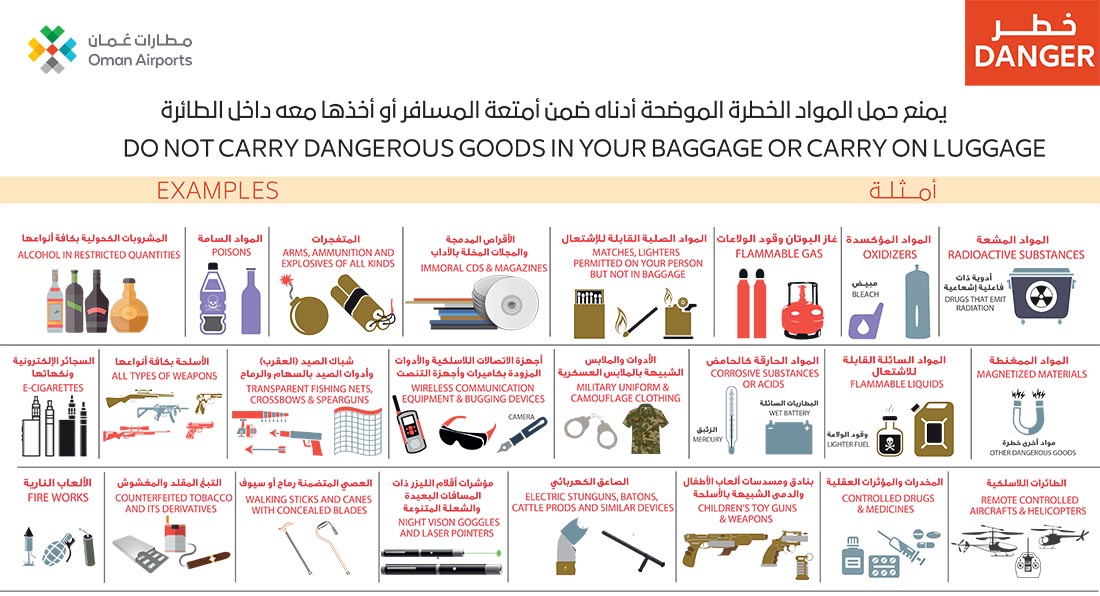
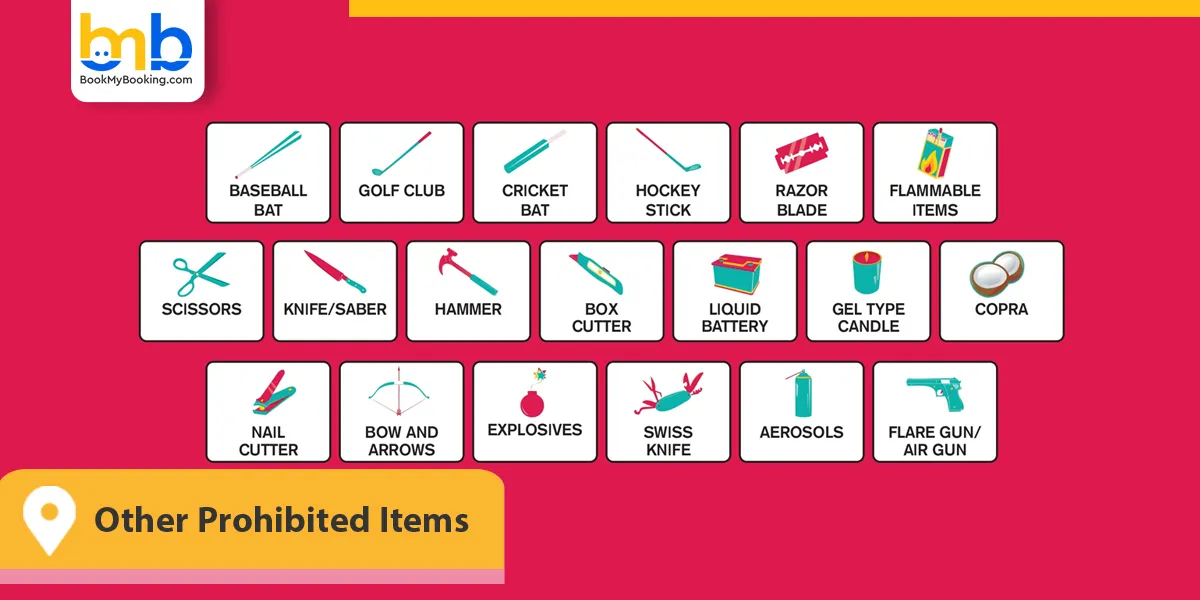
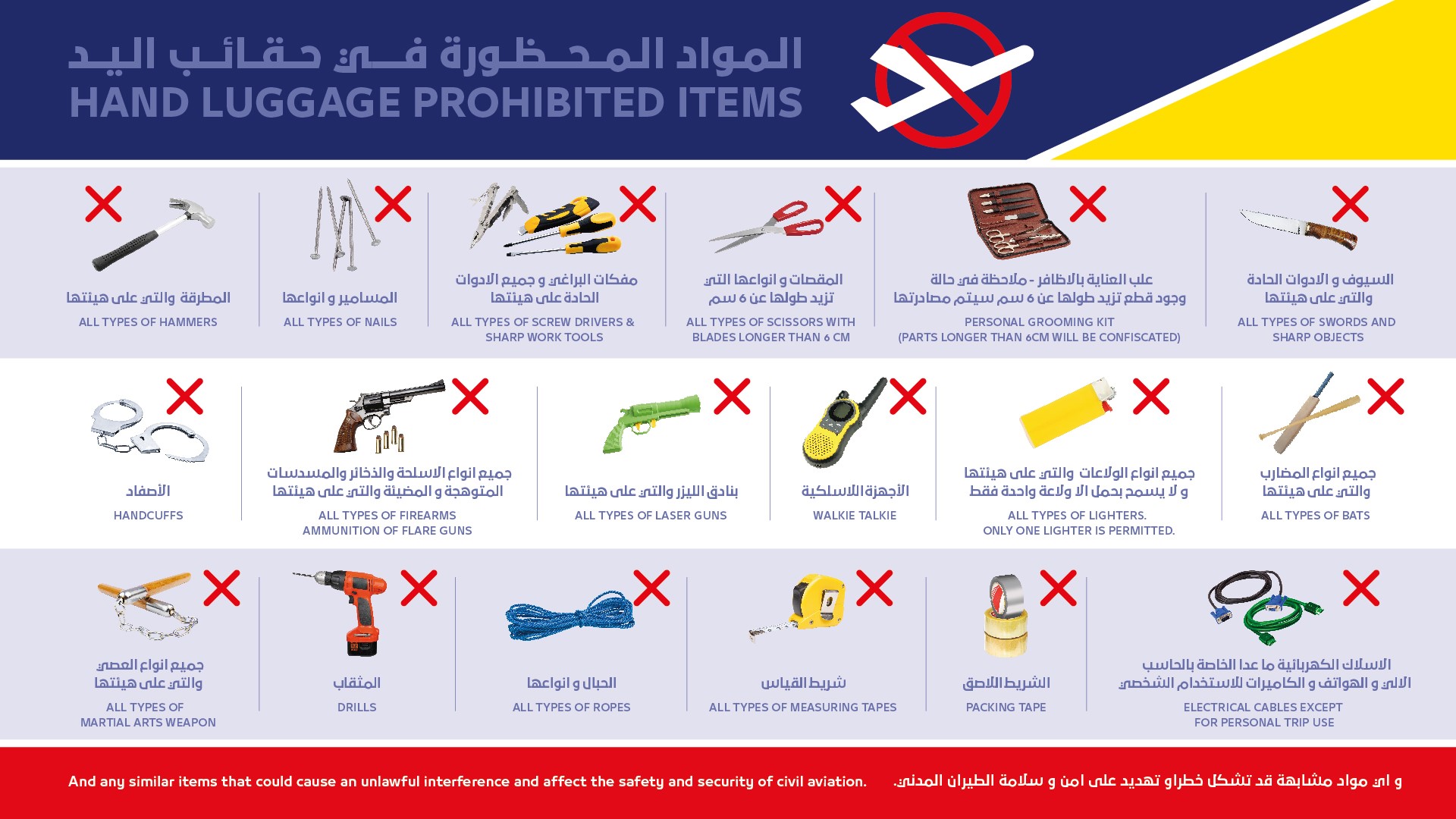
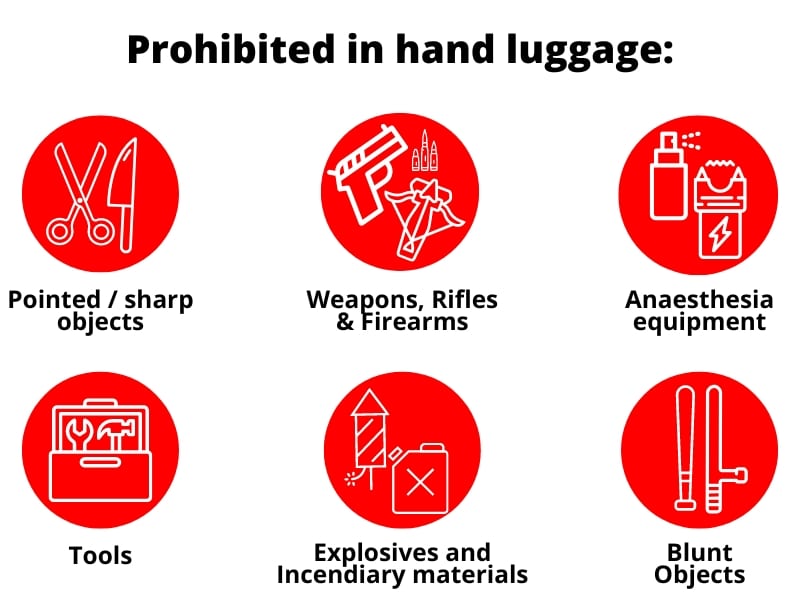
The list of prohibited items in hand luggage includes, but is not limited to, sharp objects like knives and scissors, tools such as pliers and screwdrivers, flammable substances like lighter fluid and matches, and explosive materials including fireworks and sparklers. It's also important to note that replica weapons and toy weapons that could be mistaken for real weapons are often prohibited as well. Understanding these categories can help travelers avoid inadvertently packing banned items.
For items that are questionable or not clearly defined by airline policies or security regulations, it's always best to err on the side of caution. If an item could potentially be used as a weapon or poses a security risk, it's likely to be prohibited in hand luggage. The TSA's website and other airline resources provide detailed lists and guidelines for passengers, which can serve as a reference point for packing decisions. By being aware of these guidelines, travelers can pack wisely and avoid issues during security screenings.
How do I know if a liquid, gel, or aerosol is allowed in my hand luggage?
To determine if a liquid, gel, or aerosol is permitted in hand luggage, refer to the TSA's 3-1-1 rule. This rule states that containers must be 3.4 ounces or less, placed in a clear, quart-sized zip-top bag, with only one bag allowed per passenger. Exemptions exist for certain medications, baby formula, and breast milk, but these items must be declared and may be subject to additional screening. It's also important to check the labels on your items for any indications of prohibited substances or hazardous materials.
For personal care items like shampoo, conditioner, and lotion, it's advisable to purchase travel-sized versions that comply with the 3.4-ounce limit. Alternatively, decanting larger quantities into smaller, TSA-approved containers can be a practical solution. When in doubt, checking with the airline or consulting the TSA's website can provide clarity on specific items and ensure compliance with hand luggage regulations.

Can I bring electronic devices in my hand luggage?
Yes, electronic devices such as laptops, tablets, and smartphones are allowed in hand luggage, but they must be removed from your bag and placed in a bin for X-ray screening at security checkpoints. It's recommended to protect your devices with cases or sleeves to prevent damage during the screening process. Additionally, power banks and portable chargers are generally permitted but may be subject to restrictions on size and power capacity.
When packing electronic devices, it's a good idea to keep them accessible and fully charged, as you may be required to turn them on as part of the security screening. Cords and chargers should be neatly organized to facilitate quick and efficient checks. Furthermore, being aware of airline policies regarding the use of electronic devices during flights can help avoid any disruptions or inconveniences once on board.
How do I pack fragile or valuable items in my hand luggage?
Packing fragile or valuable items in hand luggage requires careful consideration to ensure their safety and security. Wrap each item individually in bubble wrap or clothing to protect against shocks and bumps. Place these items in a dedicated, padded compartment or use a hard-sided luggage with reinforced corners for added protection. It's also a good idea to keep valuable items with you at all times and be mindful of your belongings, especially in crowded areas like airports.
For extremely fragile or irreplaceable items, consider shipping them ahead of time to your destination or purchasing insurance to cover against loss or damage. When checking in, declare valuable items to the airline staff and ask about their policies for handling special items. By taking these precautions, you can minimize the risk of damage to your belongings and enjoy a more peaceful travel experience.

What happens if I accidentally pack a prohibited item in my hand luggage?
If you accidentally pack a prohibited item in your hand luggage, do not panic. During the security screening, if a prohibited item is detected, you will be notified by security personnel. In most cases, you will be given the option to return the item to your vehicle, check it in your checked luggage, or dispose of it. It's essential to cooperate fully with security staff and follow their instructions to resolve the situation efficiently.
To avoid such situations, double-check your luggage before heading to the airport, and consider using a checklist of prohibited items to ensure you're not inadvertently packing something that's not allowed. Additionally, staying informed about the latest hand luggage restrictions and security protocols can help you navigate the screening process with ease and confidence, minimizing the risk of encountering issues with prohibited items.
By respecting and understanding the science behind hand luggage restrictions, travelers can contribute to a safer, more efficient flying environment. This not only benefits individual passengers but also enhances the overall travel experience for everyone involved. Through data-driven approaches and practical strategies, individuals can master the art of packing hand luggage, ensuring compliance with regulations while minimizing stress and inconvenience.
Moreover, embracing the biology and physics of everyday life, as seen in the context of hand luggage restrictions, fosters a deeper appreciation for the intricate systems and regulations that govern our daily activities. By optimizing our behaviors and actions in accordance with these principles, we can lead more efficient, informed, and safe lives, whether traveling or in our routine pursuits. This holistic approach to understanding and navigating the world around us is fundamental to personal growth and the creation of a more harmonious and secure society.