What Is The Weight Of Luggage For International Flights

I still remember my first international flight like it was yesterday. I was so excited to explore a new country, but little did I know, my luggage had other plans. As I was checking in, the airline staff informed me that my luggage was overweight, and I had to either pay extra or remove some items - talk about a travel buzzkill!
As I stood there, trying to decide what to sacrifice, I wondered, what's the big deal about luggage weight anyway? Is it really that important? Well, it turns out, it is. Airlines have strict regulations when it comes to luggage weight, and exceeding those limits can lead to extra fees, or even worse, delayed or lost luggage.
So, What's The Weight Limit?
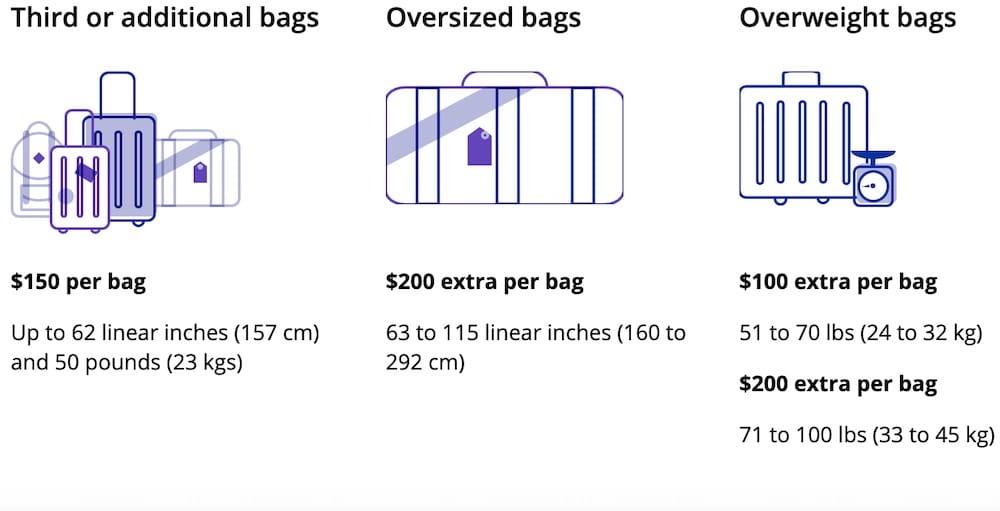
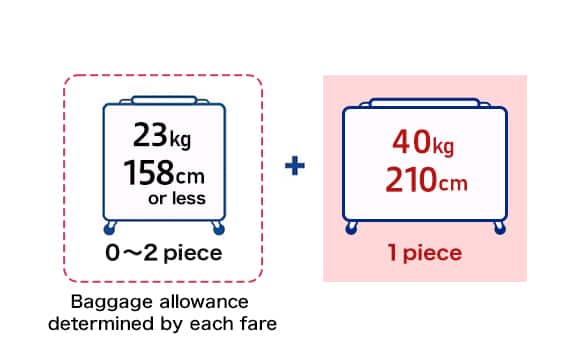
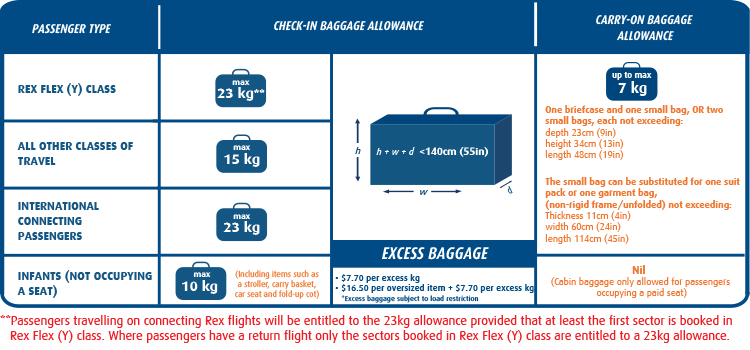
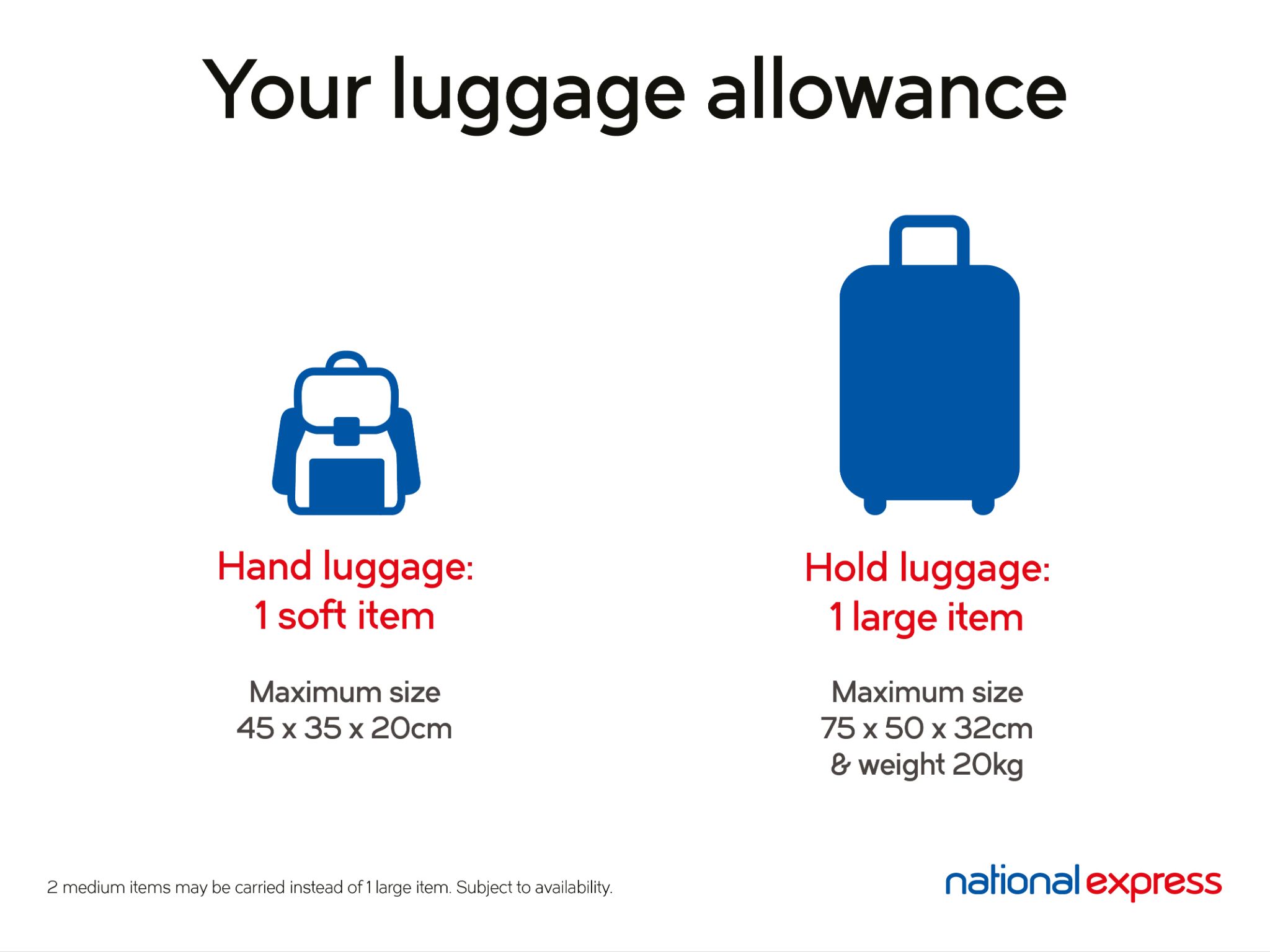
The weight limit for international flights varies depending on the airline and the class of travel. Generally, economy class passengers are allowed to check-in luggage with a maximum weight of 23kg (50lbs), while business and first class passengers can check-in luggage with a maximum weight of 32kg (70lbs). But, don't worry, I'll get into the specifics later.
Must Read
It's worth noting that some airlines have different weight limits for different routes, so it's always best to check with your airline before your flight. And, if you're planning to bring any special items, like sports equipment or musical instruments, you'll need to check with your airline for their specific policies.
Why Do Airlines Care About Luggage Weight?
Airlines care about luggage weight because it affects the overall safety and efficiency of the flight. Heavier luggage means more fuel is needed to fly the plane, which increases costs and . Plus, overweight luggage can put a strain on the plane's cargo hold and increase the risk of damage to the luggage and the plane itself.
So, to avoid any last-minute headaches, it's a good idea to weigh your luggage before you leave for the airport. You can use a luggage scale or even just a regular scale to get an estimate of your luggage weight. Trust me, it's better to be safe than sorry when it comes to luggage weight.
Now, I know what you're thinking, what if I need to bring more than the allowed weight? Well, some airlines offer excess baggage options, which allow you to pay extra for additional weight. But, be warned, these fees can add up quickly, so it's worth considering whether you really need to bring that extra pair of shoes.

How To Avoid Excess Baggage Fees
To avoid excess baggage fees, it's all about packing smart. Consider wearing your heaviest items, like your coat and boots, on the plane to save space and weight in your luggage. You can also use packing cubes to help you organize your luggage and make the most of your allowed weight.
Another tip is to check with your airline for any free baggage allowances or discounts they may offer. Some airlines offer baggage bundles or packages that can help you save money on excess baggage fees. And, if you're a frequent flyer, you may be eligible for additional baggage allowances or waived fees.
So, there you have it, folks! Luggage weight may seem like a minor detail, but it's an important one to consider when flying internationally. By understanding the weight limits and packing smart, you can avoid excess baggage fees and make your travel experience much smoother. Happy travels, and don't forget to weigh your luggage!
And, as a final tip, always check with your airline for their specific luggage weight policies, as they can vary. It's better to be informed and prepared than to be caught off guard at the airport. Now, go forth and pack like a pro!
In conclusion, luggage weight is a crucial aspect of international travel that should not be overlooked. By understanding the weight limits and packing smart, you can avoid excess baggage fees and ensure a smooth travel experience. So, next time you're planning a trip, don't forget to weigh your luggage and check with your airline for their specific policies.
:max_bytes(150000):strip_icc()/carryon-infographic-one-CARRYON1220-cf8c04725c154902b9904f2ef5f257f5.jpg)