
What Is The Standard Size Of Carry On Luggage
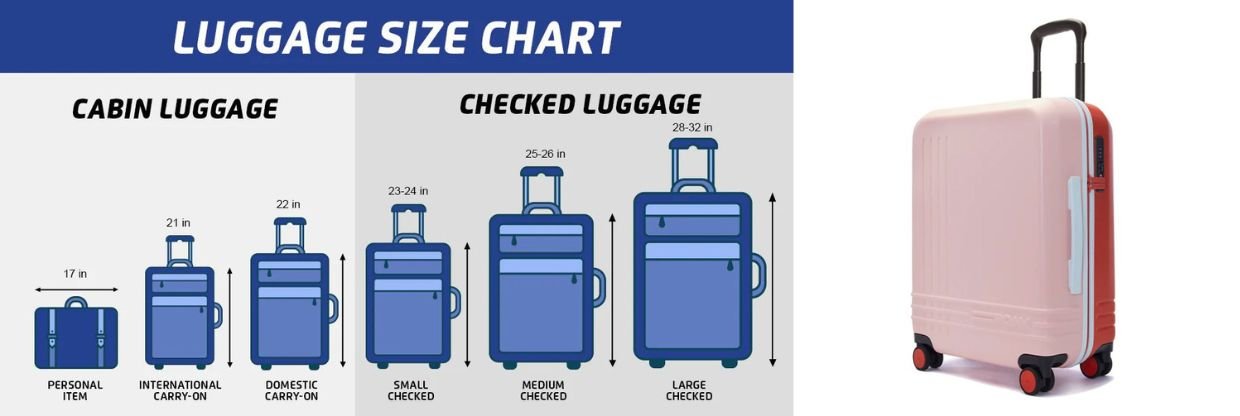
The concept of carry-on luggage has been around for nearly a century, with the first documented use of overhead compartments dating back to the 1930s. However, it wasn't until the 1960s that carry-on bags became a staple of air travel, with the introduction of the first commercial jet airliners. Today, carry-on luggage is an essential part of the flying experience, with millions of passengers relying on these bags to transport their belongings from one destination to another. But have you ever stopped to think about the standard size of carry-on luggage? It's a question that may seem trivial, but one that has significant implications for travelers, airlines, and the environment.
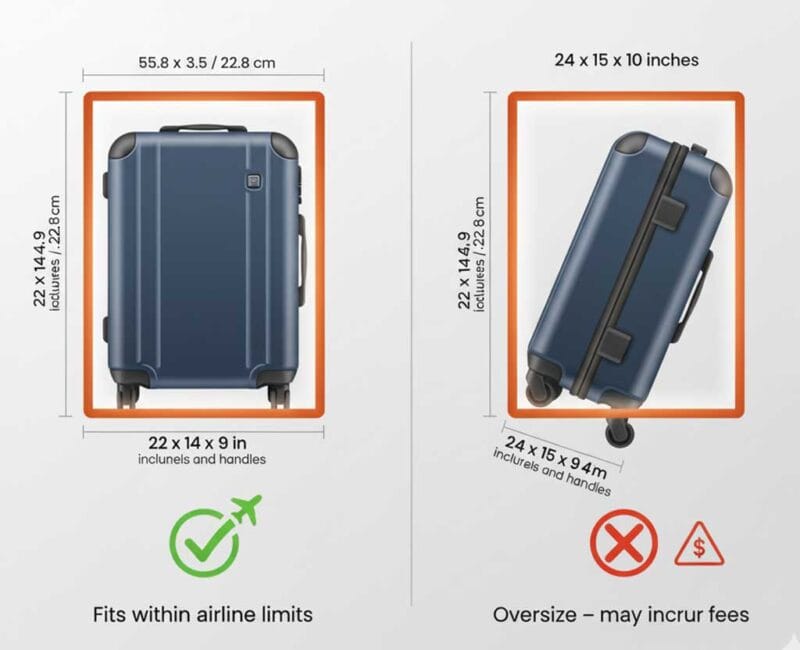
As we delve into the world of carry-on luggage, it's interesting to note that the standard size of these bags has remained relatively consistent over the years. Despite advancements in technology and changes in passenger behavior, the average carry-on bag still measures around 22 inches in length, 14 inches in width, and 9 inches in height. But why is this the case? Is it simply a matter of convention, or are there other factors at play? To answer this question, we need to explore the history and evolution of carry-on luggage, as well as the psychological and cultural factors that influence our behavior as travelers.
The Evolution of Carry-On Luggage
The early days of air travel were marked by a lack of standardization when it came to carry-on luggage. Passengers were free to bring whatever they liked on board, as long as it fit in the overhead compartment or under the seat in front of them. However, as the number of passengers increased and flights became more frequent, airlines began to realize the need for a more standardized approach to carry-on luggage. This led to the introduction of the first carry-on bags, which were typically made of leather or canvas and featured a simple, rectangular design.
Must Read
As air travel continued to evolve, so too did the design and functionality of carry-on luggage. The introduction of wheels and telescoping handles made it easier for passengers to navigate airport terminals and boarding gates, while the use of lightweight materials and compact designs allowed for greater mobility and flexibility. Today, carry-on luggage comes in a wide range of styles and sizes, from backpacks and duffel bags to roll-aboard suitcases and garment bags.
Despite the many advances in carry-on luggage design, there are still some lesser-known facts and psychological aspects to consider. For example, did you know that the color and design of your carry-on bag can actually influence how others perceive you as a traveler? A black or navy blue bag may convey a sense of professionalism and sophistication, while a brightly colored or patterned bag may suggest a more adventurous and spontaneous personality. Similarly, the size and weight of your carry-on bag can impact your mobility and comfort during travel, with lighter and more compact bags often being preferred by frequent travelers.
Practical Considerations and Scenarios
When it comes to choosing the right carry-on luggage, there are several practical considerations to keep in mind. First and foremost, you'll want to consider the size and weight of the bag, as well as its durability and maneuverability. You'll also want to think about the type of travel you'll be doing, whether it's domestic or international, and what kind of items you'll need to bring with you.

One scenario to consider is the business traveler, who may need to bring a laptop, tablet, and presentation materials on board. In this case, a roll-aboard suitcase or briefcase-style carry-on may be the best option, as it can provide ample space for these items while also being easy to maneuver in crowded airport terminals. On the other hand, the adventure traveler may prefer a backpack or duffel bag, which can offer greater flexibility and mobility in outdoor or off-the-beaten-path environments.
Another scenario to consider is the family traveler, who may need to bring strollers, car seats, and diaper bags on board. In this case, a larger or more spacious carry-on may be necessary, as well as a stroller or carrier that can be easily gate-checked or stowed in the overhead compartment. By considering these different scenarios and practical considerations, you can choose the right carry-on luggage for your needs and ensure a smooth and enjoyable travel experience.
In addition to these scenarios, there are also several case studies and actionable takeaways to consider. For example, a study by the Air Transport Association found that passengers who use carry-on luggage are more likely to arrive at their destination on time and with their belongings intact. Similarly, a survey by the Travel Industry Association found that travelers who pack lightly and use carry-on luggage are more likely to report a positive and enjoyable travel experience.
Frequently Asked Questions
What is the standard size of carry-on luggage?
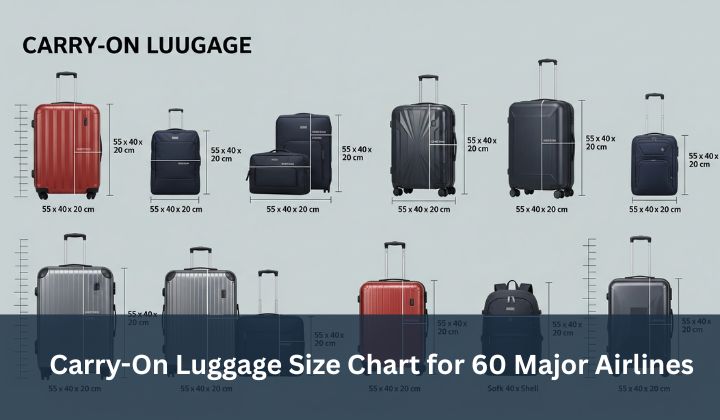
The standard size of carry-on luggage varies depending on the airline and the type of aircraft, but most bags are designed to fit in the overhead compartment or under the seat in front of you. The average carry-on bag measures around 22 inches in length, 14 inches in width, and 9 inches in height, although some airlines may have slightly different dimensions. It's always a good idea to check with your airline before your flight to confirm their carry-on baggage policies and ensure that your bag meets their size requirements.
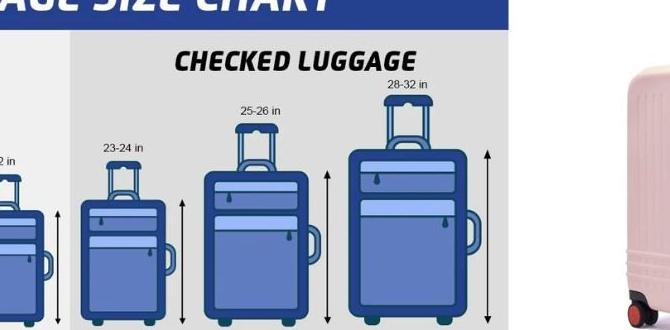
In addition to the size of the bag, it's also important to consider the weight and contents of your carry-on luggage. Most airlines have weight limits for carry-on bags, typically ranging from 20 to 40 pounds, and may also have restrictions on prohibited items such as liquids,
How do I choose the right carry-on luggage for my needs?
Choosing the right carry-on luggage for your needs involves considering several factors, including the size and weight of the bag, as well as its durability and maneuverability. You'll also want to think about the type of travel you'll be doing, whether it's domestic or international, and what kind of items you'll need to bring with you. For example, if you're a business traveler, you may want to consider a roll-aboard suitcase or briefcase-style carry-on, while an adventure traveler may prefer a backpack or duffel bag.
In addition to these factors, you'll also want to consider the features and accessories that are important to you, such as wheels, telescoping handles, and multiple compartments. By taking the time to research and compare different carry-on luggage options, you can find the perfect bag for your needs and ensure a comfortable and enjoyable travel experience.
What are the benefits of using carry-on luggage?
The benefits of using carry-on luggage are numerous, ranging from convenience and flexibility to cost savings and reduced stress. By packing lightly and using carry-on luggage, you can avoid the hassle and expense of checking bags, as well as the worry of lost or delayed luggage. You'll also be able to move quickly and easily through airport terminals and boarding gates, making the most of your travel time.
:max_bytes(150000):strip_icc()/TAL-illustrated-chart-CARRYSIZE0325-35ad53e34fe94833b370f432af602978.jpg)
In addition to these benefits, using carry-on luggage can also help you to pack more efficiently and reduce waste. By choosing a high-quality and durable carry-on bag, you can help to minimize your environmental impact and reduce your carbon footprint. By being mindful of these factors and packing wisely, you can help to create a more sustainable and responsible travel industry.
How do I pack my carry-on luggage for maximum efficiency?
Packing your carry-on luggage for maximum efficiency involves several key strategies, including rolling your clothes, using packing cubes, and choosing multi-purpose items. You'll also want to consider the weight distribution of your bag, as well as the placement of heavy or bulky items. By being mindful of these factors and packing wisely, you can help to maximize your carry-on space and minimize the risk of overweight or oversized bags.
In addition to these strategies, you'll also want to consider the type of items you're packing, as well as their size and shape. For example, clothing and toiletries can be packed in compressible bags or packing cubes, while electronics and chargers can be stored in protective cases or pouches. By choosing the right packing accessories and strategies, you can help to streamline your packing process and maximize your carry-on space.
What are the most common mistakes people make when using carry-on luggage?
The most common mistakes people make when using carry-on luggage include overpacking, underestimating the size or weight of their bag, and failing to check with their airline for carry-on baggage policies. You'll also want to avoid packing prohibited items, such as liquids,

In addition to these mistakes, you'll also want to consider the long-term consequences of using carry-on luggage, such as wear and tear on your bag, as well as the potential for damage or loss of your belongings. By choosing a high-quality and durable carry-on bag, and packing wisely, you can help to minimize these risks and maximize your carry-on luggage's lifespan and performance.
As we reflect on the topic of carry-on luggage, it's clear that it plays a significant role in our daily lives and travel experiences. Whether we're business travelers, adventure seekers, or family vacationers, carry-on luggage is an essential part of our journey. By understanding the history, evolution, and cultural impact of carry-on luggage, we can better appreciate the importance of this often-overlooked aspect of travel.
Moreover, the psychological aspects of carry-on luggage are also worth considering. The color, design, and size of our carry-on bags can say a lot about our personality and travel style. By choosing a bag that reflects our values and preferences, we can express our individuality and creativity, even in the midst of a crowded airport terminal.
In conclusion, the standard size of carry-on luggage may seem like a mundane topic, but it holds a wealth of interesting facts, cultural references, and practical insights. By exploring the history, evolution, and cultural impact of carry-on luggage, we can gain a deeper appreciation for the importance of this often-overlooked aspect of travel. Whether we're seasoned travelers or just starting to explore the world, carry-on luggage is an essential part of our journey, and one that deserves our attention and consideration.


:max_bytes(150000):strip_icc()/carryon-infographic-one-CARRYON1220-cf8c04725c154902b9904f2ef5f257f5.jpg)