What Is The Maximum Weight For Checked Luggage

I still remember the time I tried to check in a massive suitcase at the airport, only to be told it was way over the weight limit. I was like, "What do you mean I have to pay extra? I just threw everything in here!" The airport staff just chuckled and said, "Sorry, buddy, checked luggage has its limits."
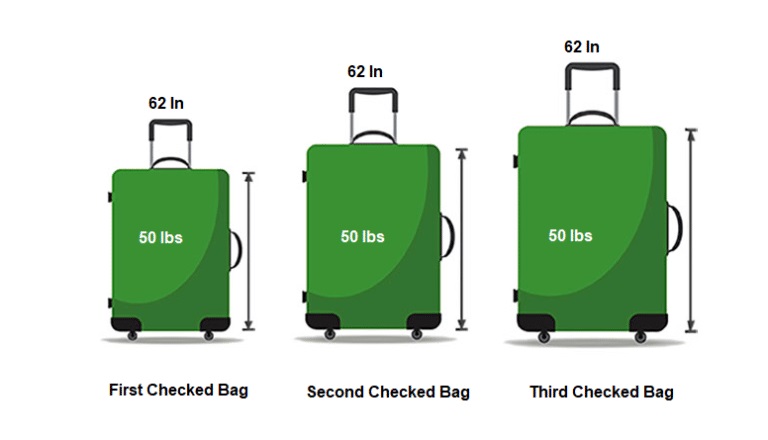
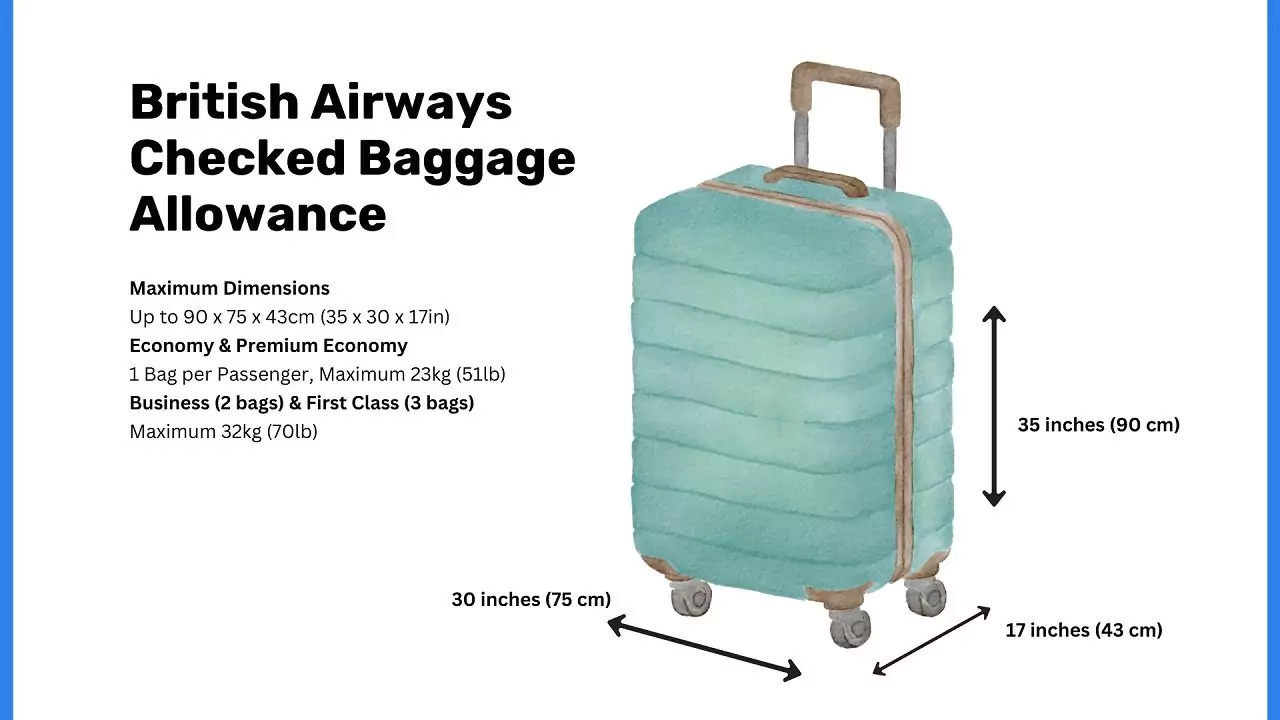
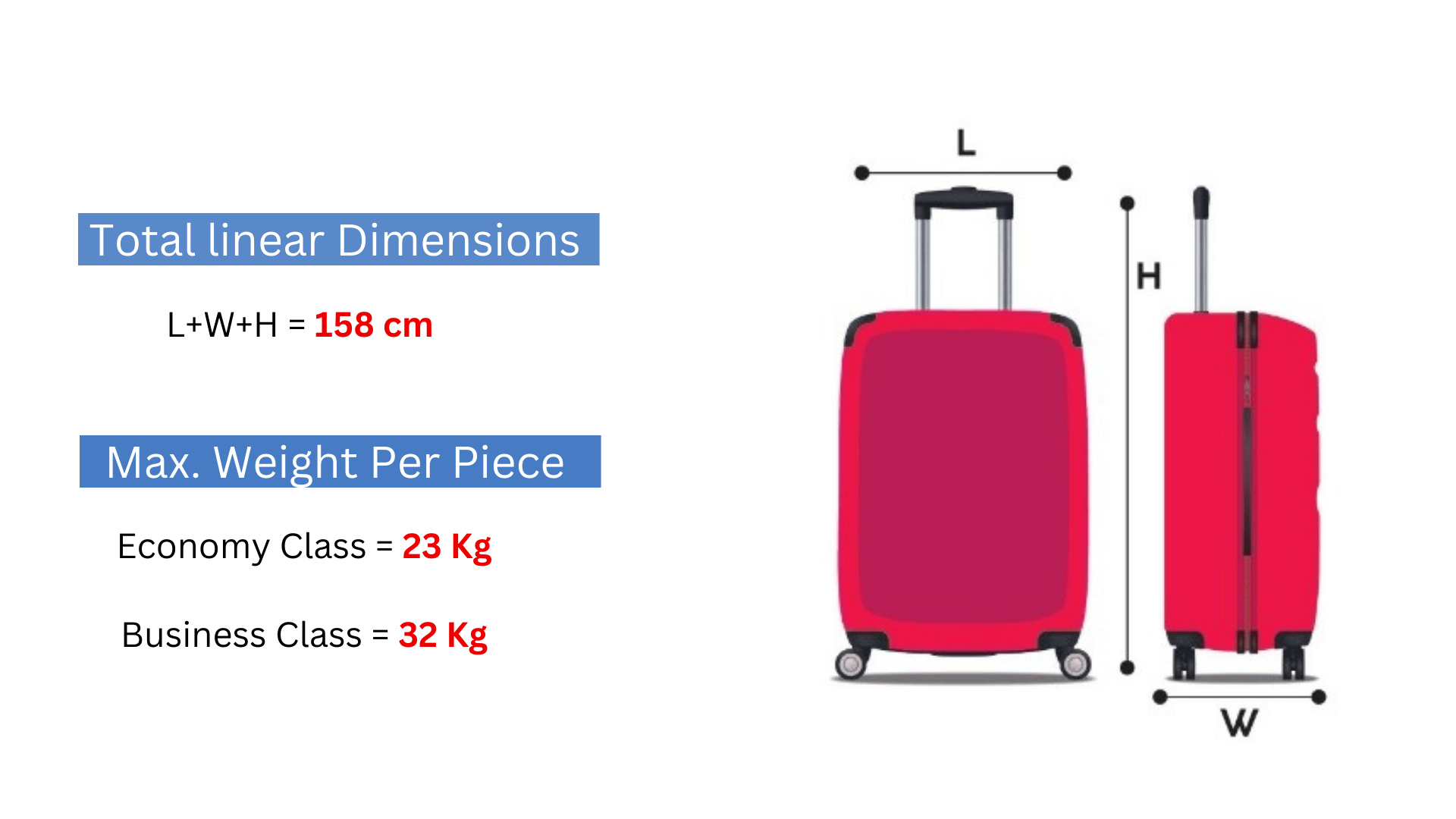
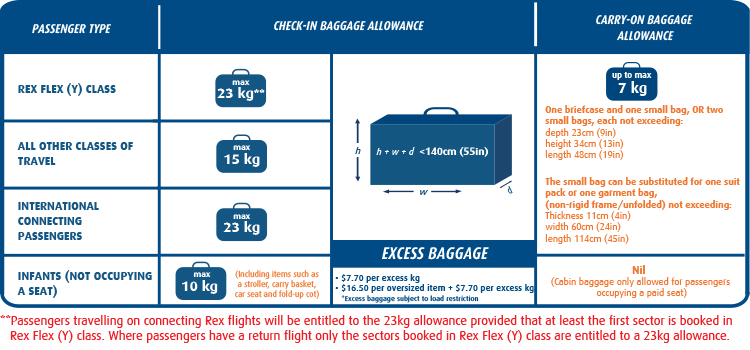
As it turns out, the maximum weight for checked luggage varies depending on the airline, but most have a limit of around 50 pounds (23 kilograms). Some airlines are more lenient, while others are super strict, so it's always a good idea to check ahead of time to avoid any surprises. I mean, who wants to be that guy who gets stuck paying extra fees at the airport?
I started wondering, what's the reasoning behind these weight limits? Is it just about safety, or is there more to it? It turns out, it's a combination of both safety concerns and practicality. Airlines have to ensure that their staff can handle the luggage without injuring themselves, and also that the planes can carry the weight without compromising performance.
So, What Happens If You Exceed The Weight Limit?
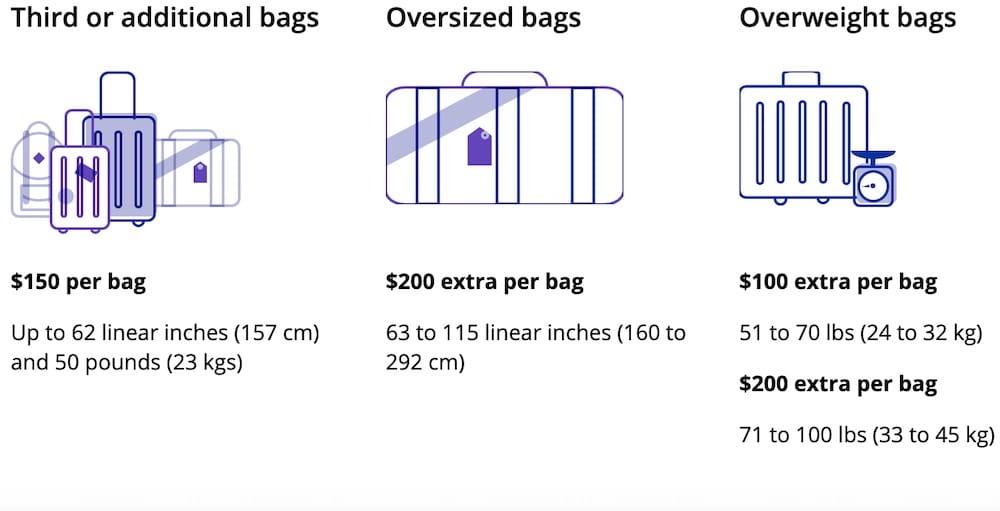
Well, if you're like me and you've packed a bit too enthusiastically, you might be in for a shock. Most airlines will charge you an additional fee for each extra pound (or kilogram) you're over the limit. And trust me, those fees can add up quickly - we're talking hundreds of dollars in some cases.Now, I know what you're thinking: "Why not just gate-check my luggage instead?" Well, it's not that simple. Gate-checking is usually only an option for smaller items, like strollers or folding chairs. If you've got a big, heavy suitcase, you're probably out of luck.
Airlines' Weight Limits: A Comparison
I decided to do some research and compare the weight limits of different airlines. It's pretty interesting - some airlines, like Emirates, have a relatively generous limit of 70 pounds (32 kilograms), while others, like Spirit Airlines, are much stricter, with a limit of 40 pounds (18 kilograms).It's worth noting that some airlines also have special rules for certain types of luggage, like baby gear or musical instruments. If you're traveling with something unusual, it's a good idea to check with the airline ahead of time to see if there are any special requirements or restrictions.
So, what can you do to avoid weight-related stress when you're traveling? First, pack light - it's easier said than done, I know, but try to be ruthless when it comes to deciding what to bring. You can always buy what you need when you arrive at your destination, right?
Second, check with your airline to see what their weight limits are, and plan accordingly. And finally, consider shipping your luggage instead of checking it - it might be more expensive, but it can be a lot less hassle in the long run.
The Bottom Line
So, there you have it - the lowdown on checked luggage weight limits. It's not the most exciting topic, I know, but trust me, it's worth knowing about. Whether you're a seasoned traveler or just starting to plan your next trip, it's good to be aware of the rules and regulations surrounding checked luggage.And hey, if you're like me and you tend to overpack, just remember: it's better to be safe than sorry. Pay attention to those weight limits, and you'll be golden. Happy travels, and don't forget to pack light!
As you're planning your next trip, you might want to consider investing in a luggage scale - it's a small investment that can save you a lot of stress and hassle in the long run. And if you're feeling overwhelmed, just remember that it's all part of the travel experience.
After all, traveling is all about adventure, right? And what's a little luggage drama when you're exploring new places and experiencing new things?
So, go ahead and book that ticket - and don't worry too much about the weight limits. With a little planning and preparation, you'll be all set for a stress-free trip.
![Checked Luggage Size Chart And Allowances [2025]](https://www.thepointsanalyst.com/wp-content/uploads/2025/08/Image-9-1.jpeg)