What Is The Max Weight For A Checked Bag

The concept of a checked bag's maximum weight has been a contentious issue for travelers and airlines alike for decades. The first commercial airlines, which emerged in the early 20th century, didn't have the same strict regulations we see today. As air travel became more accessible and widespread, the need for standardized rules and guidelines became increasingly apparent. One of the key areas of focus was the weight of checked baggage, as it directly impacts the safety and efficiency of flights. Today, understanding the maximum weight for a checked bag is crucial for anyone who travels, whether for business or pleasure.
Delving into the history of airline baggage regulations reveals a fascinating story of evolution and adaptation. In the early days, airlines didn't impose strict weight limits, and passengers could often check in bulky and heavy items without much fuss. However, as the aviation industry grew, so did concerns about safety, fuel efficiency, and the overall passenger experience. The introduction of standardized weight limits for checked bags marked a significant shift towards a more regulated and safer flying environment. This change not only affected how airlines operated but also influenced passenger behavior, as travelers began to plan their packing more meticulously to avoid extra fees and complications.
Understanding the Weight Limit
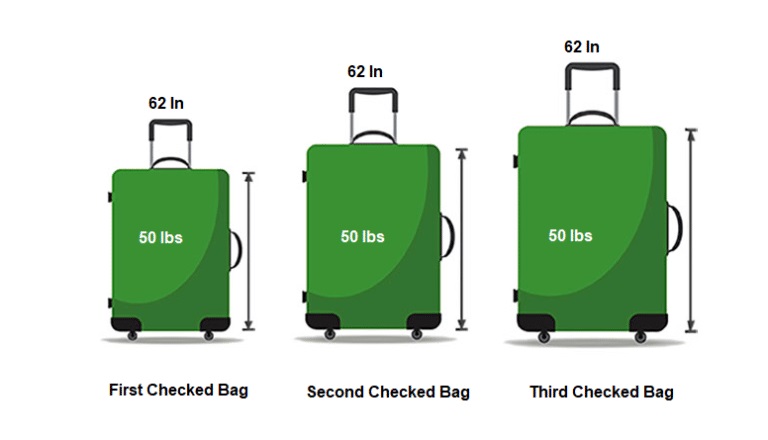
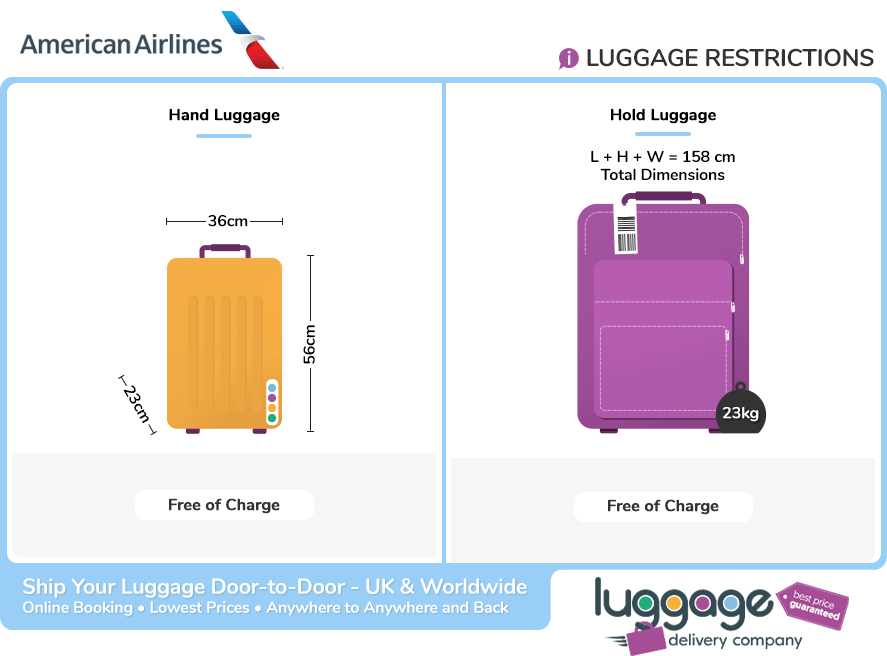
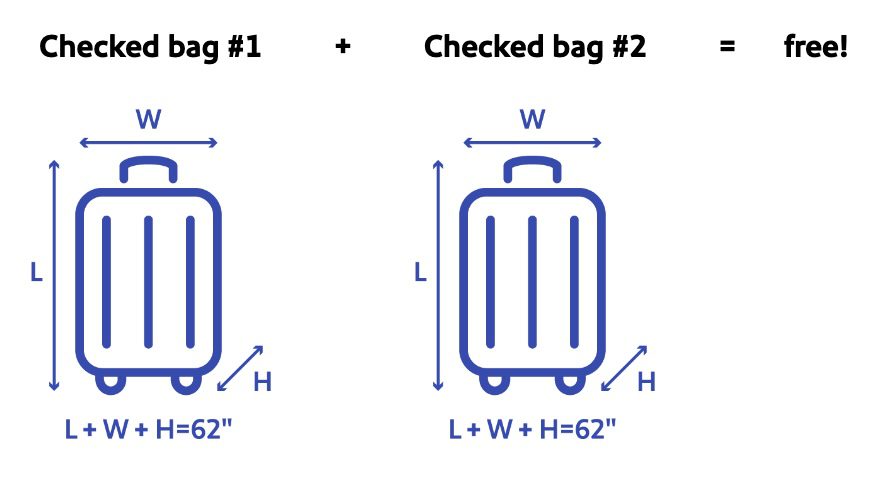
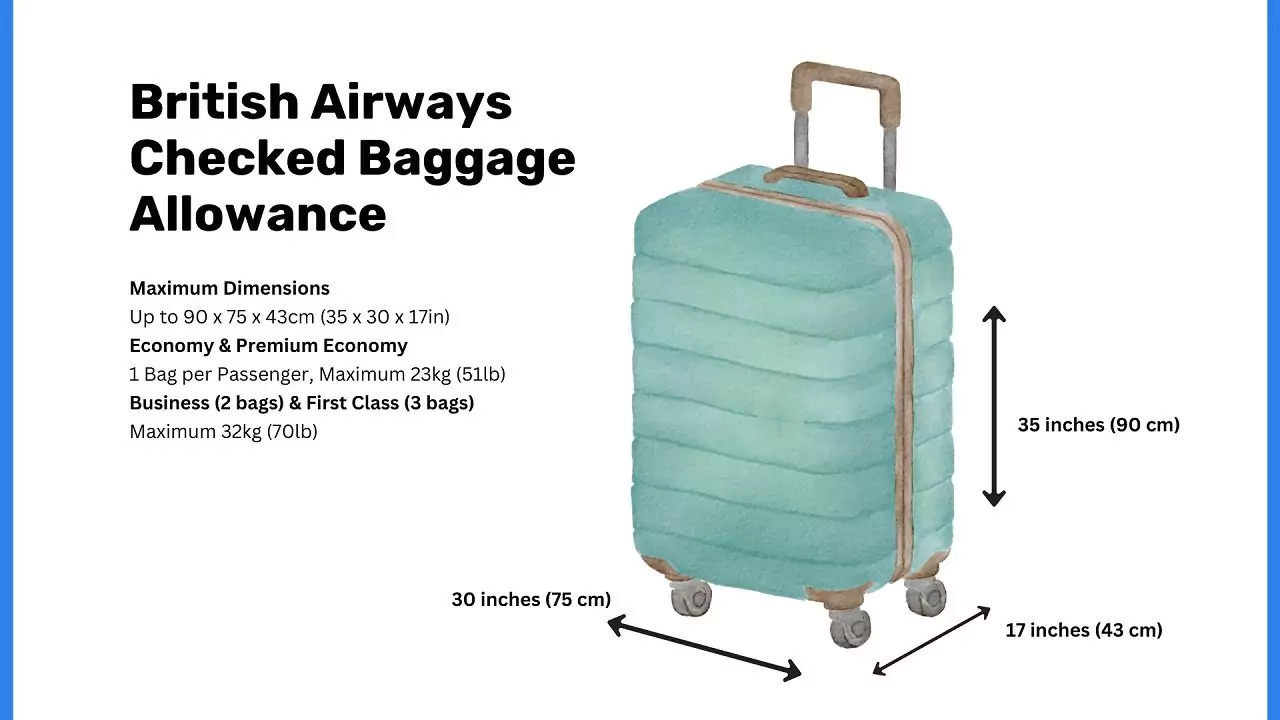
The maximum weight for a checked bag varies among airlines, but most carriers adhere to a standard limit of 50 pounds (23 kilograms) per bag for economy class passengers. This limit is in place to ensure that airport staff can handle the bags safely and that the aircraft's cargo hold is not overloaded. Exceeding this weight limit can result in additional fees, and in some cases, the airline may refuse to check the bag altogether. It's essential for travelers to be aware of these limits to avoid any last-minute surprises or hassles at the airport.
Beyond the practical implications, the psychology of packing and the cultural significance of luggage weight limits offer intriguing insights. The process of deciding what to pack and how much to bring reflects our personal priorities, financial situations, and even our emotional states. For instance, overpacking can be a sign of anxiety or a fear of missing out, while packing light can symbolize a sense of freedom and spontaneity. Culturally, the way we perceive and manage luggage weight also speaks to broader societal values, such as the emphasis on convenience, the willingness to pay for comfort, and our attitudes towards consumerism and waste.
The impact of weight limits on the travel experience cannot be overstated. It influences not only how we pack but also how airlines design their services and policies. From the perspective of airlines, managing baggage weight is a delicate balance between customer satisfaction, operational efficiency, and profitability. The introduction of fees for overweight bags has become a common practice, aimed at discouraging passengers from exceeding the limits while generating additional revenue. This practice, however, has been met with mixed reactions from travelers, highlighting the ongoing debate about fairness, transparency, and the true cost of air travel.
Practical Considerations and Scenarios
For travelers, understanding and adhering to the maximum weight for a checked bag is crucial to avoid unnecessary stress and expenses. Packing smart involves selecting items carefully, using luggage efficiently, and sometimes making difficult decisions about what to leave behind. One strategy is to use lightweight luggage to maximize the weight available for personal items. Additionally, considering the cost of checking additional or overweight bags can help travelers make informed decisions about their packing strategy, potentially saving money and hassle in the long run.
Case studies of airlines that have successfully implemented weight limit policies demonstrate the potential benefits for both the carrier and the passenger. By clearly communicating the weight limits and the consequences of exceeding them, airlines can reduce the incidence of overweight bags, streamline their check-in and baggage handling processes, and improve overall customer satisfaction. For example, some airlines offer premium services that include higher weight limits or the ability to check additional bags without extra charge, appealing to customers who value flexibility and convenience.
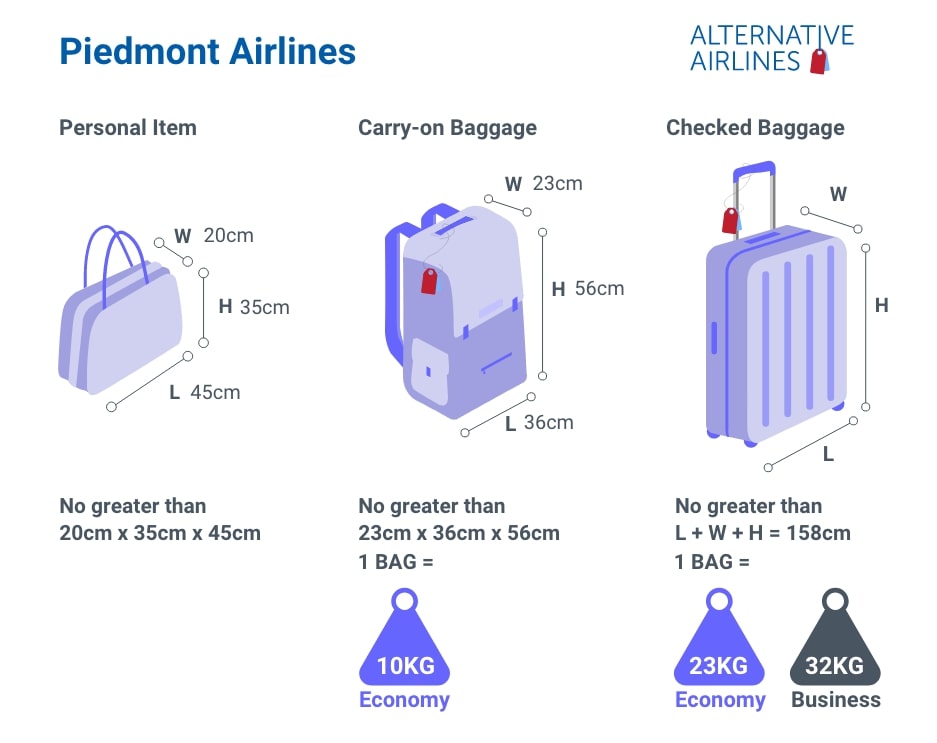
Scenarios where travelers might need to consider the weight limit carefully include international travel, where different airlines may have different policies, and travel for extended periods, where the temptation to overpack can be significant. In such cases, actionable takeaways include planning ahead, using online resources to compare airline policies, and considering the use of shipping services for bulky items instead of checking them as luggage. Furthermore, being aware of any special items that may not be subject to the standard weight limit, such as mobility aids or musical instruments, can also help in planning.
Another critical aspect is the impact of weight limits on specific types of travelers, such as athletes or musicians, who often need to transport heavy or bulky equipment. For these individuals, understanding the airline's policy on special items and potentially arranging for special handling can be essential. This might involve working directly with the airline's customer service team to ensure that equipment is transported safely and efficiently, highlighting the importance of clear communication and flexibility in airline policies.
Frequently Asked Questions
What happens if my checked bag exceeds the weight limit?
If a checked bag exceeds the maximum weight limit, the airline will typically charge an additional fee. The amount of this fee varies by airline and can range from a flat rate per pound over the limit to a tiered system with increasing charges for greater excess weights. In some cases, if the bag is significantly overweight, the airline might refuse to check it, requiring the traveler to either remove items to bring the weight within the limit or to consider shipping the bag separately. It's also worth noting that some airlines offer a guarantee for bags that are within a certain weight limit to arrive at the destination, emphasizing the importance of adhering to weight restrictions.
The process of handling overweight bags is designed to be as streamlined as possible, but it can still be a source of frustration for travelers. To minimize potential issues, it's advisable to weigh bags before arriving at the airport and to be prepared to either pay the excess weight fee or remove items from the bag. Some airports and airlines also offer baggage wrapping services that can help protect luggage during transit, which might be particularly useful for bags that are close to or exceed the weight limit.
How do I know what the maximum weight limit is for my checked bag?
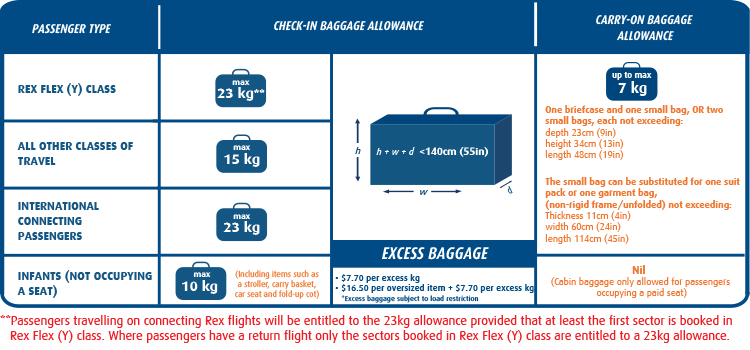
Travelers can find the maximum weight limit for their checked bag by visiting the airline's website or by contacting the airline's customer service directly. Most airlines clearly outline their baggage policies, including weight limits and any associated fees for excess weight, in an easily accessible section of their website. Additionally, when booking a flight, some airlines will display baggage policy information, including weight limits, as part of the booking process. It's also a good idea to check the weight limit for any connecting flights if traveling on multiple airlines, as these can sometimes differ.
Understanding the weight limit is just the first step; travelers should also consider the total cost of checking a bag, including any potential fees for excess weight, to make informed decisions about their travel plans. For frequent travelers, familiarizing themselves with the baggage policies of their preferred airlines can help streamline the travel process and avoid unexpected costs. Furthermore, airlines occasionally update their policies, so it's wise to verify the information close to the travel date to ensure accuracy.
Can I pay for extra weight if my bag is overweight?
Yes, most airlines allow passengers to pay for extra weight if their checked bag exceeds the maximum weight limit. The cost of this extra weight varies by airline and is typically calculated per pound or kilogram over the limit. While paying for extra weight can be convenient, it's essential to consider the total cost of checking an overweight bag, as it can sometimes be more economical to ship items separately or to pack more efficiently. Some airlines offer .pre-payment options for excess baggage, which can provide a discount over paying at the airport.
The decision to pay for extra weight should be based on a careful consideration of the alternatives. For instance, if the overweight bag contains essential items that cannot be easily replaced at the destination, paying the excess weight fee might be the best option. However, if the bag contains non-essential items, it might be more cost-effective to remove some items or to consider alternative shipping methods. Travelers should also be aware of any weight restrictions at their destination, such as those imposed by public transportation or accommodations, to ensure a smooth journey.
Are there any exceptions to the weight limit for checked bags?
Yes, there are exceptions to the weight limit for checked bags, depending on the airline and the type of items being transported. For example, some airlines have more lenient weight limits for sports equipment or musical instruments, recognizing the unique needs of these travelers. Additionally, passengers with disabilities may be allowed to check special items necessary for their mobility or comfort without adhering to the standard weight limit. It's crucial for travelers who require these exceptions to inform the airline well in advance and to understand the specific policies and procedures in place.
These exceptions highlight the importance of clear communication between travelers and airlines. By understanding and respecting the needs of all passengers, airlines can provide a more inclusive and accommodating service. Travelers, in turn, should be prepared to provide necessary documentation or information to support their request for an exception, ensuring that their needs are met without causing undue inconvenience to others. The evolution of airline policies to accommodate diverse passenger needs reflects a broader trend towards more personalized and considerate travel experiences.
How can I avoid paying extra for an overweight checked bag?
To avoid paying extra for an overweight checked bag, travelers should plan ahead and pack efficiently. Weighing bags before arriving at the airport and using luggage scales can help ensure that the weight limit is not exceeded. Another strategy is to distribute weight evenly across multiple bags, if possible, to stay within the weight limit for each. Some travelers also find it helpful to wear their heaviest items, such as coat and boots, on the plane to reduce the weight of their checked luggage.
Avoiding extra fees for overweight bags requires a combination of awareness, planning, and flexibility. Travelers should also consider the overall cost of their trip, including any savings from packing lighter, against the convenience of checking additional or heavier bags. By adopting a mindful approach to packing and being aware of airline policies, travelers can navigate the complexities of baggage weight limits with ease and confidence, ensuring a smoother and more enjoyable travel experience.
Can I check a bag that exceeds the standard size or weight limits if I pay extra?
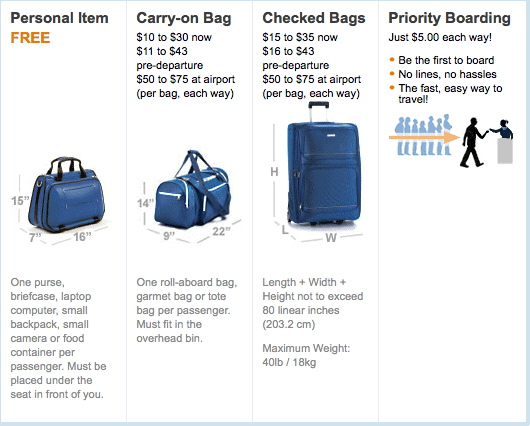
While some airlines offer the option to check bags that exceed standard size or weight limits for an additional fee, there are limits to what can be accommodated. Bags that are significantly oversized or overweight may not be accepted, even with extra payment, due to safety and operational constraints. Travelers with such items should contact the airline well in advance to discuss possibilities and arrangements. In some cases, special cargo services might be recommended for items that exceed regular baggage limits.
The process of checking oversized or overweight bags involves more than just paying an extra fee; it requires coordination with the airline to ensure that the item can be safely and efficiently transported. Travelers should be prepared to provide detailed information about the item, including its dimensions and weight, and to follow any specific instructions provided by the airline. By understanding the possibilities and limitations of checking oversized or overweight bags, travelers can better plan their trips and avoid potential complications at the airport.
Reflections on the Human Aspect
The issue of checked bag weight limits touches on various aspects of human nature, from our desire for convenience and our tendency to overprepare, to our willingness to pay for comfort and our expectations of service quality. The way we pack and the decisions we make about what to bring reflect our personalities, priorities, and the context of our travels. Whether we are meticulous planners or spontaneous adventurers, navigating the rules and regulations surrounding baggage weight limits is an integral part of the travel experience.
On a deeper level, the complexities surrounding checked bag weight limits also reveal societal attitudes towards consumerism, waste, and sustainability. The propensity to overpack and the willingness to pay for the convenience of checking heavy bags speak to broader cultural values and economic systems. As awareness about environmental impact and resource conservation grows, the airline industry and travelers alike are faced with the challenge of balancing convenience with sustainability, making the issue of checked bag weight limits not just a practical concern but also a reflection of our collective values and priorities.
Ultimately, the management of checked bag weight limits is a multifaceted issue that intersects with technology, customer service, and personal responsibility. As airlines continue to evolve their policies and services in response to passenger needs and global trends, travelers must also adapt, becoming more informed, flexible, and considerate in their packing habits and travel choices. By embracing this dynamic and finding ways to navigate the sometimes complex world of airline baggage policies, we can enhance our travel experiences, contribute to more sustainable practices, and appreciate the intricate dance between convenience, safety, and personal freedom that defines modern air travel.