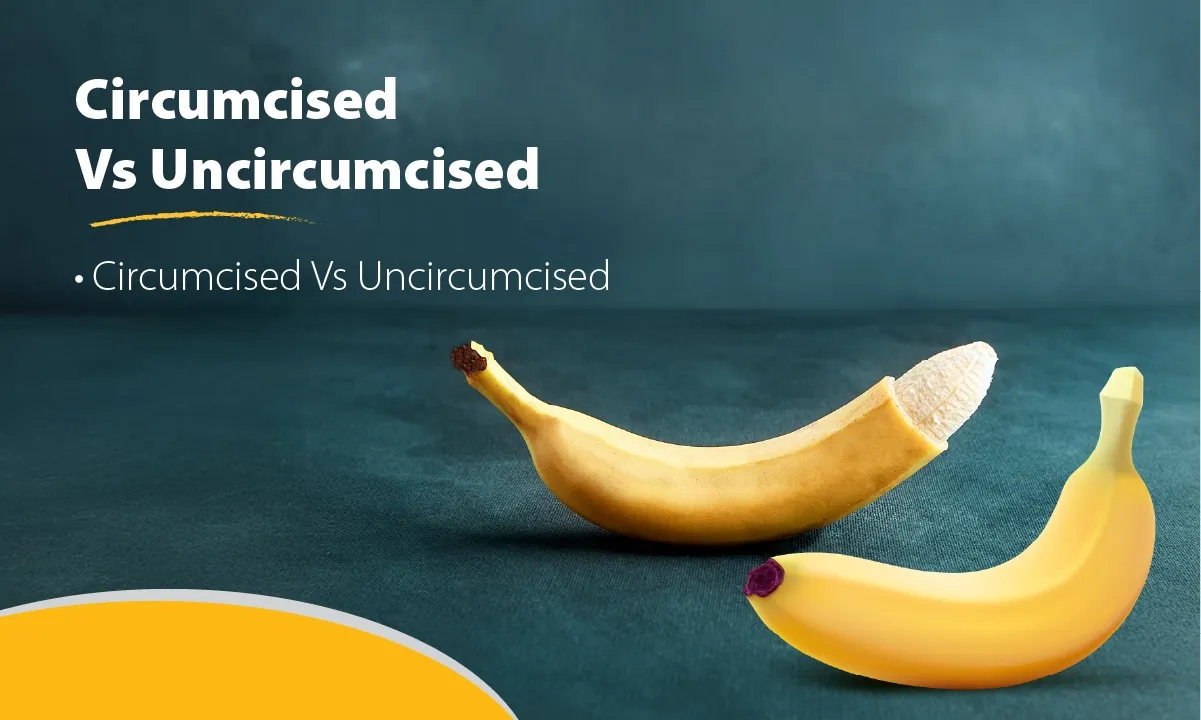
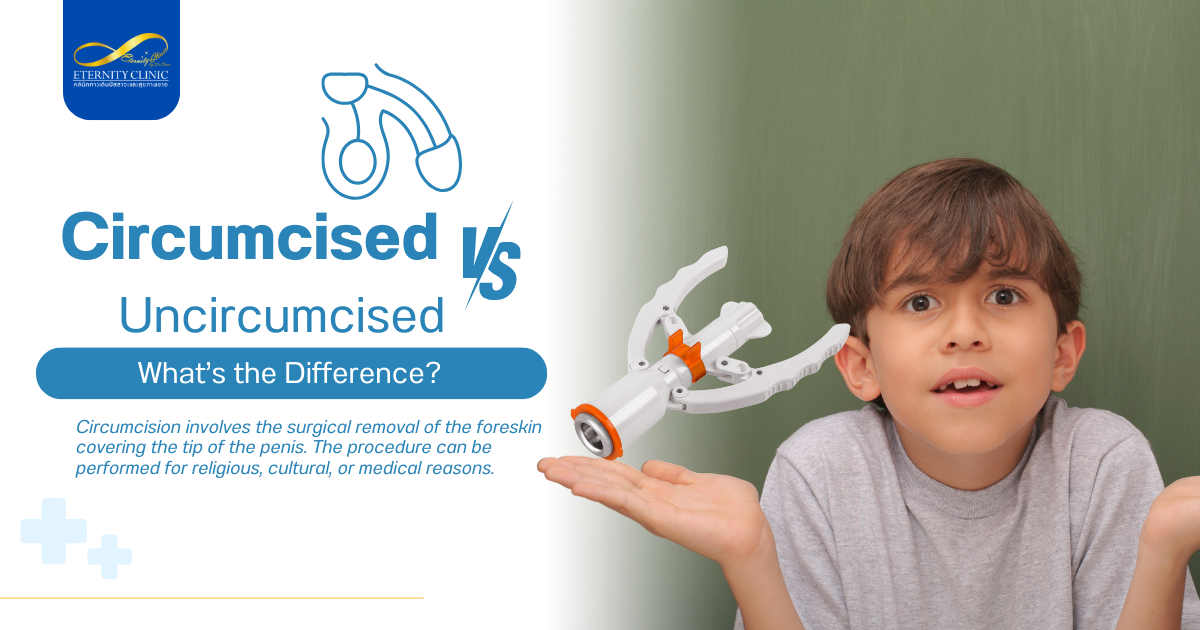
What Is The Difference Between Circumcised And Uncircumcised
The topic of circumcision has been a subject of interest for many years, with many people wondering what the difference is between being circumcised and uncircumcised. This curiosity is fueled by the fact that circumcision is a common practice in many cultures, and its benefits and drawbacks are still debated. In this article, we will delve into the world of circumcision and explore the differences between these two states.
The purposes of circumcision vary, but one of the main reasons is to promote hygiene and prevent the accumulation of smegma, a substance that can cause infections. Some cultures also practice circumcision as a ritual or initiation into manhood, while others do it for medical or health reasons. In some cases, circumcision is performed to treat conditions such as phimosis or paraphimosis.
What is Circumcision?
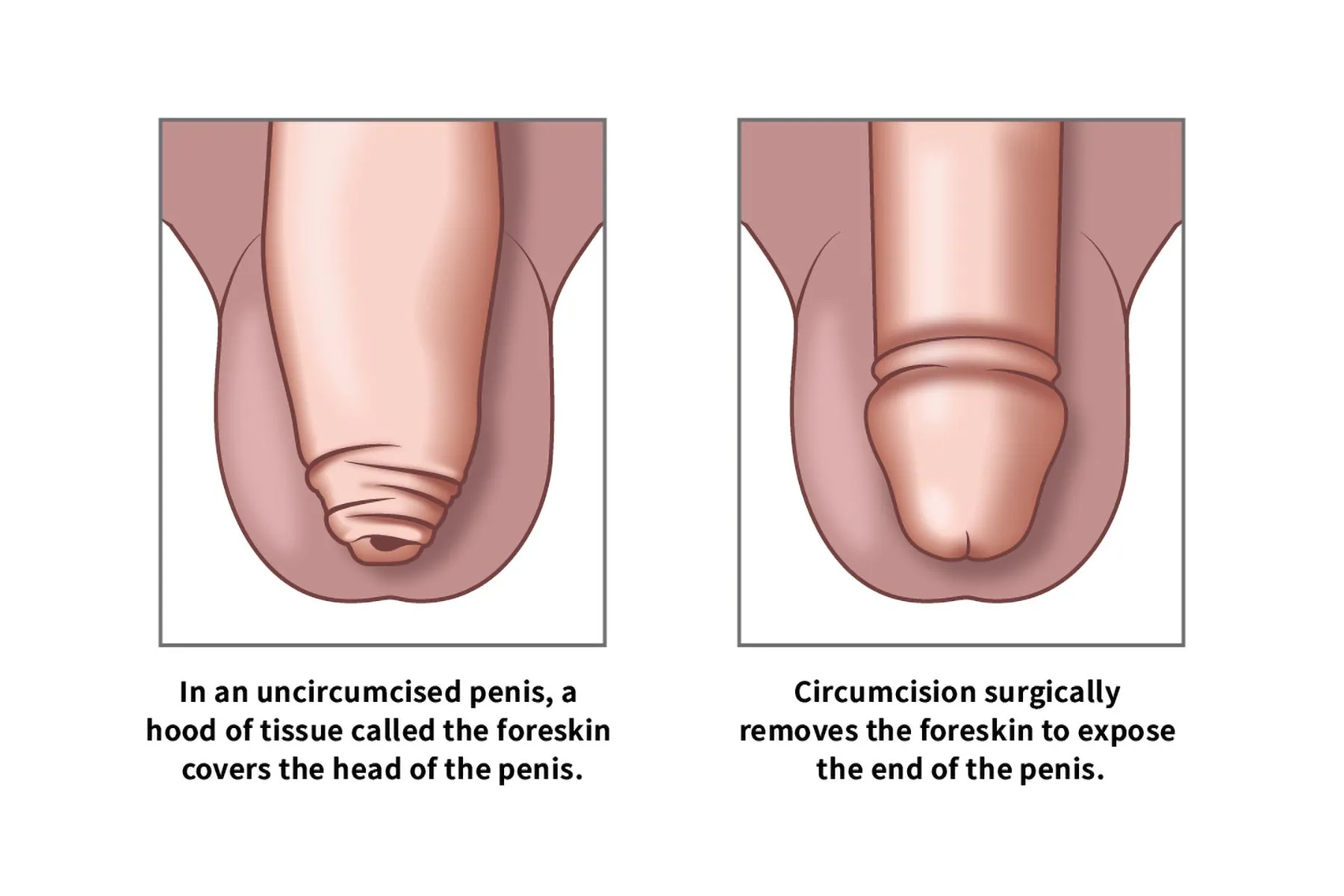
Circumcision is a surgical procedure that involves the removal of the foreskin, the layer of skin that covers the glans penis. This procedure is usually performed on male infants, but it can also be done on adults. The benefits of circumcision include a reduced risk of urinary tract infections and sexually transmitted diseases, such as HIV.
Must Read
According to
the World Health Organization (WHO), circumcision can reduce the risk of HIV transmission by up to 60%. This is because the foreskin can provide a conduit for the HIV virus to enter the body. Additionally, circumcision can also reduce the risk of penile cancer and other conditions that affect the male reproductive system.
What is Uncircumcised?
Being uncircumcised means that the foreskin is still intact, and the glans penis is covered by this layer of skin. In many cultures, being uncircumcised is the norm, and it is not considered to be a medical issue. However, being uncircumcised can increase the risk of infections and other conditions that affect the male reproductive system.

Some people believe that being uncircumcised can provide additional sensitivity and pleasure during sex, as the foreskin contains a high concentration of nerve endings. However, this is still a topic of debate, and more research is needed to confirm this theory. As Dr. Aaron Fink, a urologist, notes,
the decision to circumcise or not should be based on individual circumstances and medical considerations.
In conclusion, the difference between being circumcised and uncircumcised is a complex issue that involves medical, cultural, and personal factors. While circumcision can provide certain health benefits, being uncircumcised is also a normal and natural state. Ultimately, the decision to circumcise or not should be based on informed consent and a thorough understanding of the pros and cons.

It's also important to note that good hygiene and safe sex practices can help prevent infections and other conditions that affect the male reproductive system, regardless of whether one is circumcised or uncircumcised. As healthcare professionals continue to debate the merits of circumcision, it's essential to prioritize education and awareness on this topic. By doing so, we can make informed decisions about our own bodies and sexual health.
Furthermore, it's crucial to recognize that circumcision is not a one-size-fits-all solution, and individual circumstances should be taken into account. As research continues to emerge on the topic, it's essential to stay up-to-date on the latest findings and developments. By doing so, we can ensure that we're making the best decisions for our own health and wellbeing.