What Is Sensory Deprivation Play
Imagine you're in a quiet, peaceful room, with no distractions whatsoever - no phone buzzing, no chatter, no background noise. You're just there, with your thoughts, and your senses are heightened. This is kind of like what happens in sensory deprivation play, where you intentionally remove or reduce some of your senses to focus on others.
Think about it like this: when you're in a crowded restaurant, it's hard to focus on the conversation you're having with your friend because of all the background noise. But if you were to step outside into a quiet alley, you could really listen to what they're saying. That's basically what sensory deprivation play is - a way to tune in to your senses by tuning out distractions.
What is it, exactly?
Sensory deprivation play is a type of exploration where you intentionally reduce or remove some of your senses, like sight or sound, to focus on others, like touch or smell. It's not about depriving yourself of your senses, but about enhancing your experience by focusing on what's left. For example, if you were to wear a blindfold, your sense of touch might become more sensitive, and you could feel things more intensely.
Must Read
It's kind of like when you're in the shower, and you close your eyes - suddenly, the sound of the water and the smell of the soap become more prominent. That's because your sense of sight is no longer dominating your experience. Sensory deprivation play is similar, but instead of just closing your eyes, you're using tools or techniques to block out certain senses.
Why should you care?
The thing is, our senses are what connect us to the world around us. When we're able to tune in to our senses, we can experience things more richly and deeply. For example, have you ever noticed how delicious food tastes when you're eating it slowly and paying attention to the flavors and textures? That's because you're using your sense of taste more intentionally.
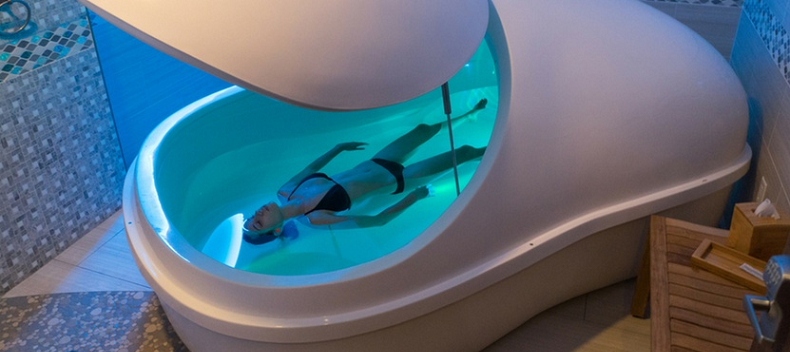
By exploring sensory deprivation play, you can start to appreciate your senses in a new way. You might find that you're more present in your daily life, more aware of the sights, sounds, and smells around you. And who knows, you might even discover new ways to relax and unwind, like taking a sensory deprivation bath or practicing blindfolded meditation.
Getting started
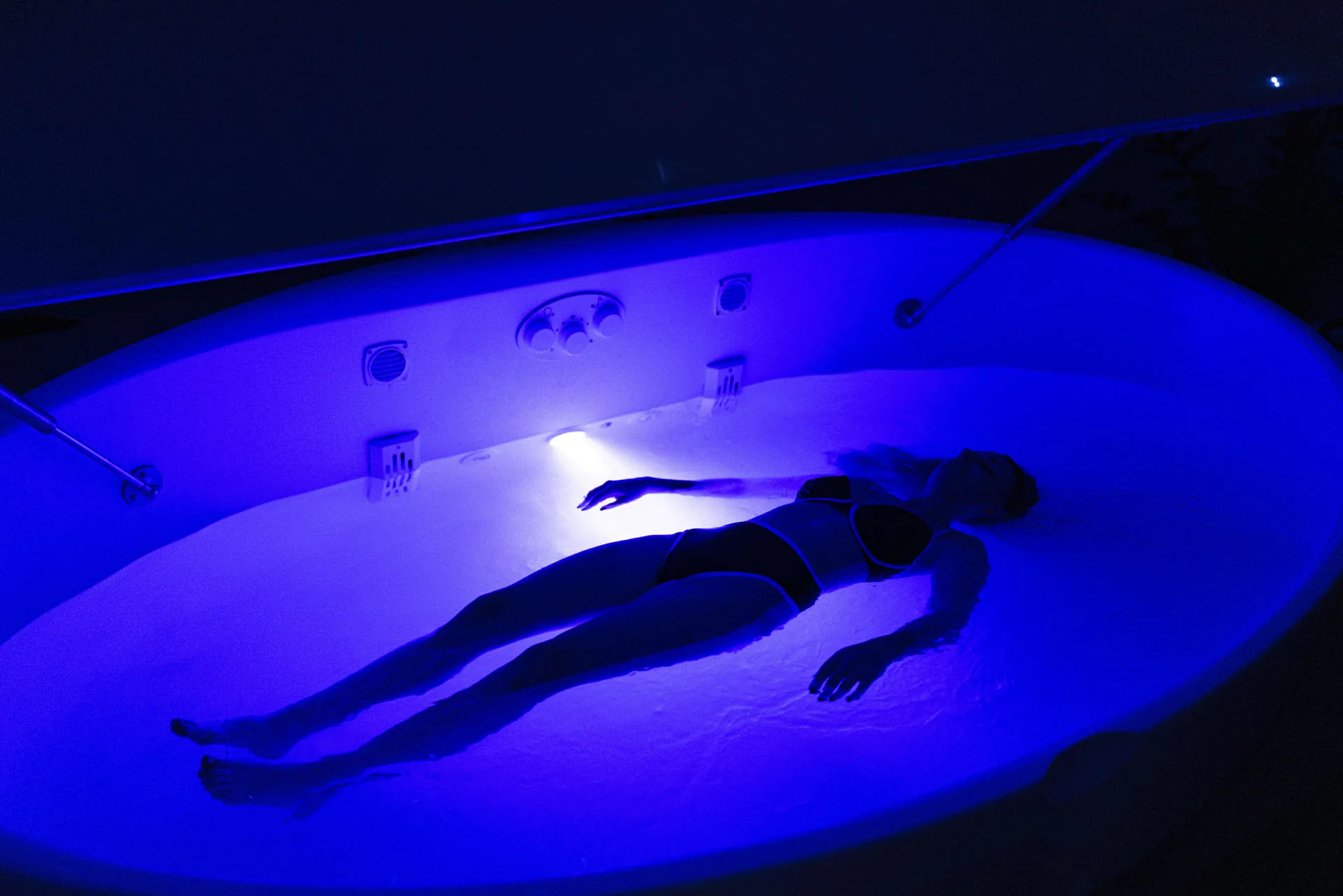
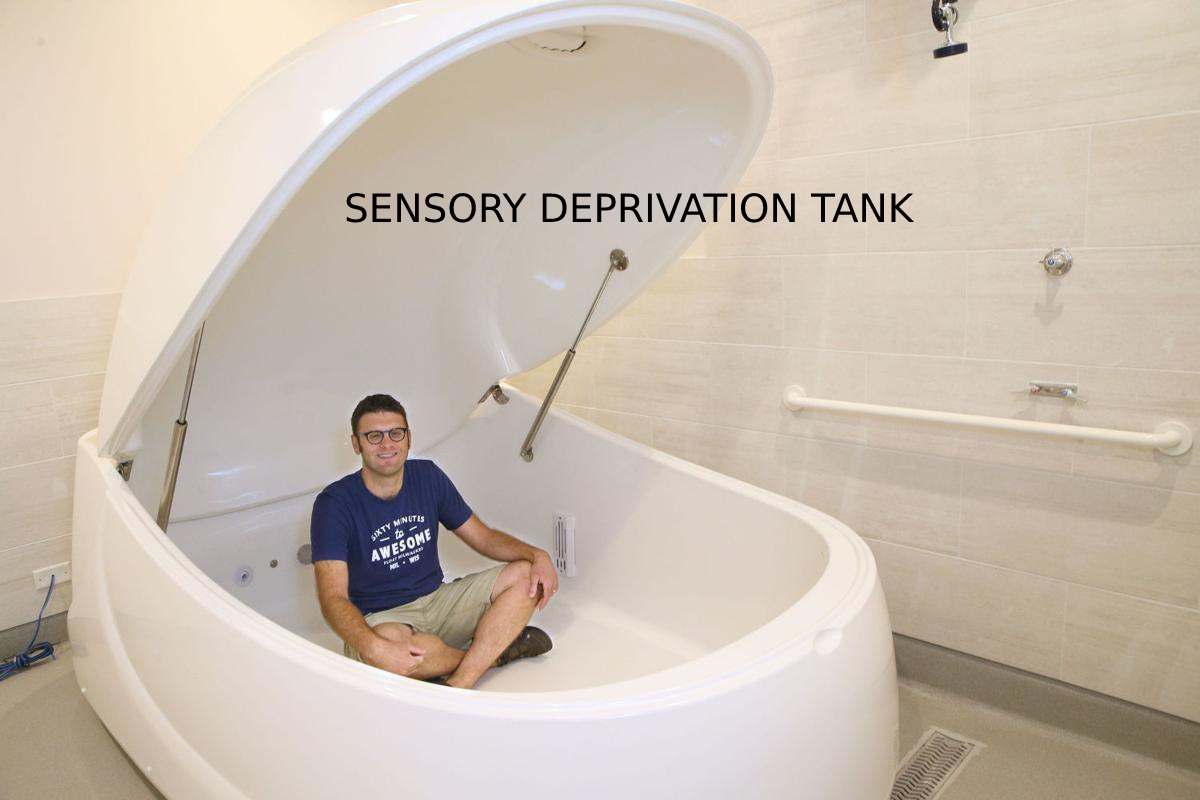
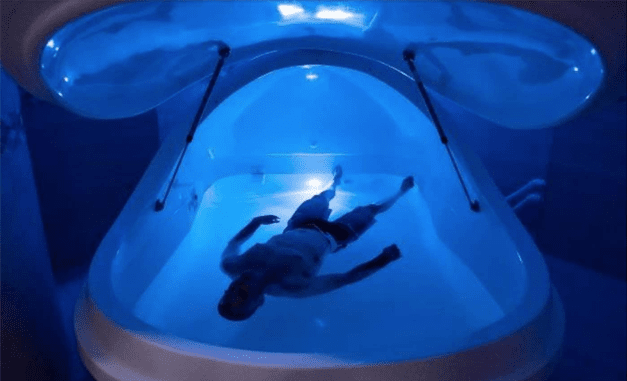
If you're curious about sensory deprivation play, there are plenty of ways to get started. You could try wearing a blindfold while you're walking or eating, or use earplugs to block out sound. You could even try sensory deprivation tanks, which are special tanks that you float in to reduce sensory input.
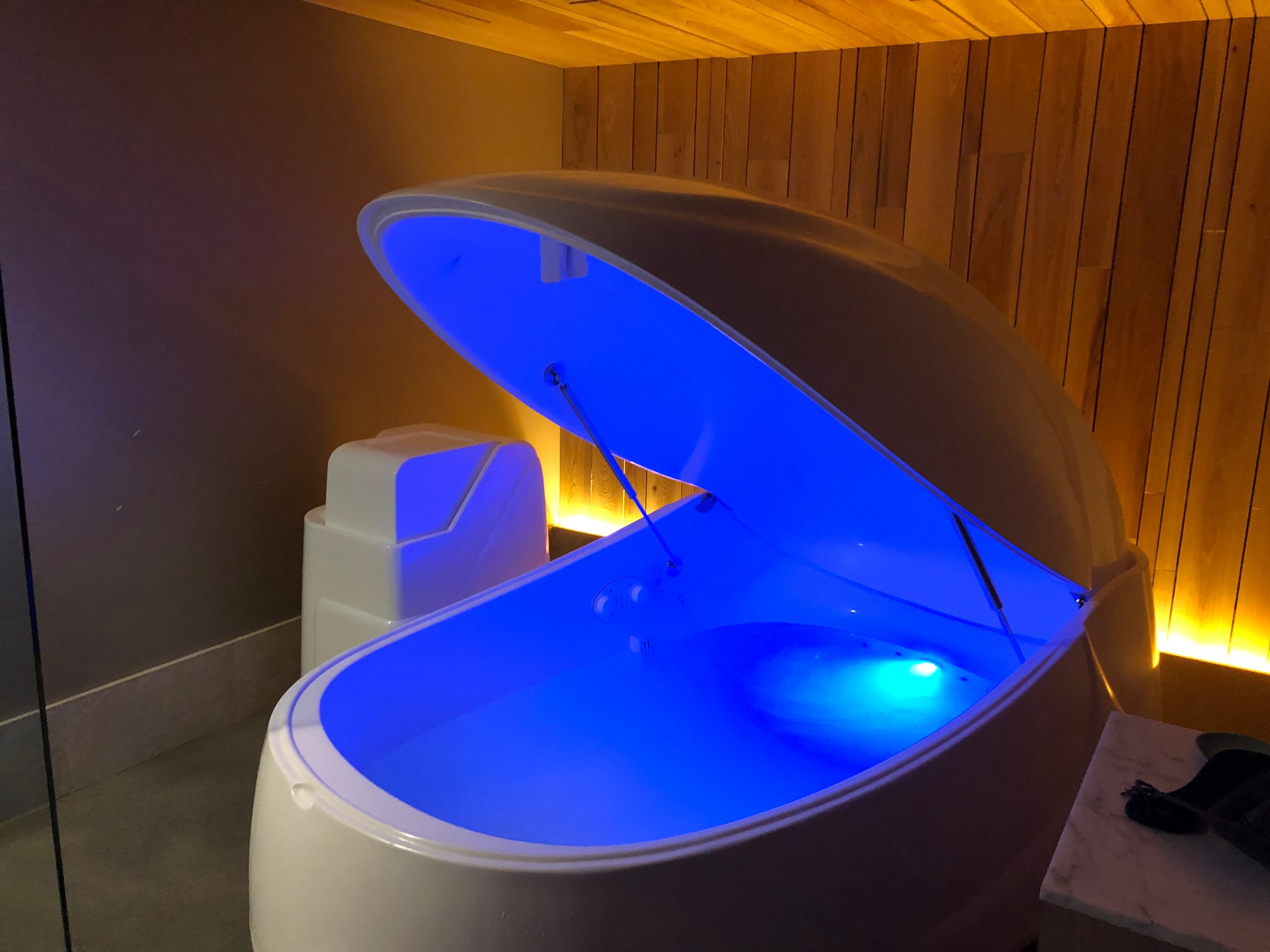
Remember, the goal of sensory deprivation play isn't to deprive yourself of your senses, but to enhance your experience. So, don't be afraid to experiment and find what works for you. With a little bit of curiosity and creativity, you can start to explore the world of sensory deprivation play and discover new ways to tune in to your senses.
One of the best things about sensory deprivation play is that it's accessible to anyone. You don't need any special equipment or training - just a willingness to explore and play. So, why not give it a try? You might be surprised at how much you can discover about yourself and the world around you.

As you start to explore sensory deprivation play, you might find that you're more aware of your senses and how they contribute to your experience. You might start to notice the little things, like the sound of birds chirping or the smell of freshly cut grass. And that's when the magic happens - when you start to appreciate the world around you in a new way.
So, go ahead and give sensory deprivation play a try. You might be surprised at how much you can learn about yourself and the world around you. And who knows, you might just discover a new way to relax, unwind, and reconnect with your senses.