What Is Considered A Personal Item On A Plane
As you prepare for your next flight, you might be wondering what exactly is considered a personal item on a plane. The aviation industry has its own set of rules and regulations, and understanding what constitutes a personal item can help you pack smarter and avoid any potential issues during boarding. From laptops to handbags, the options can be confusing, but don't worry, we've got you covered.
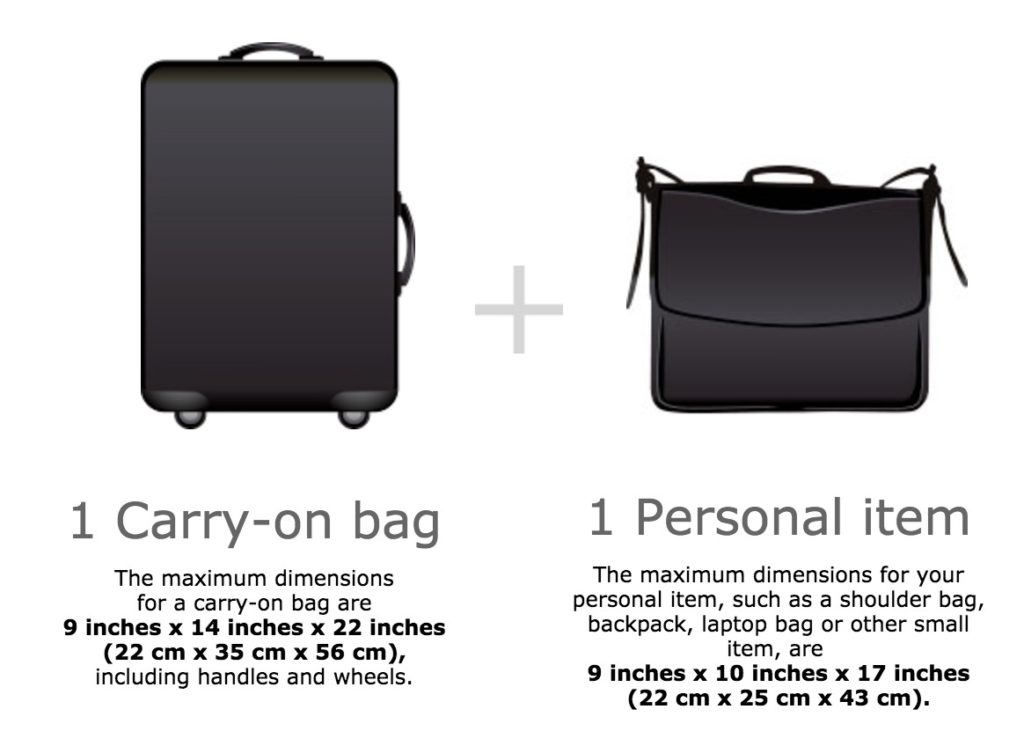
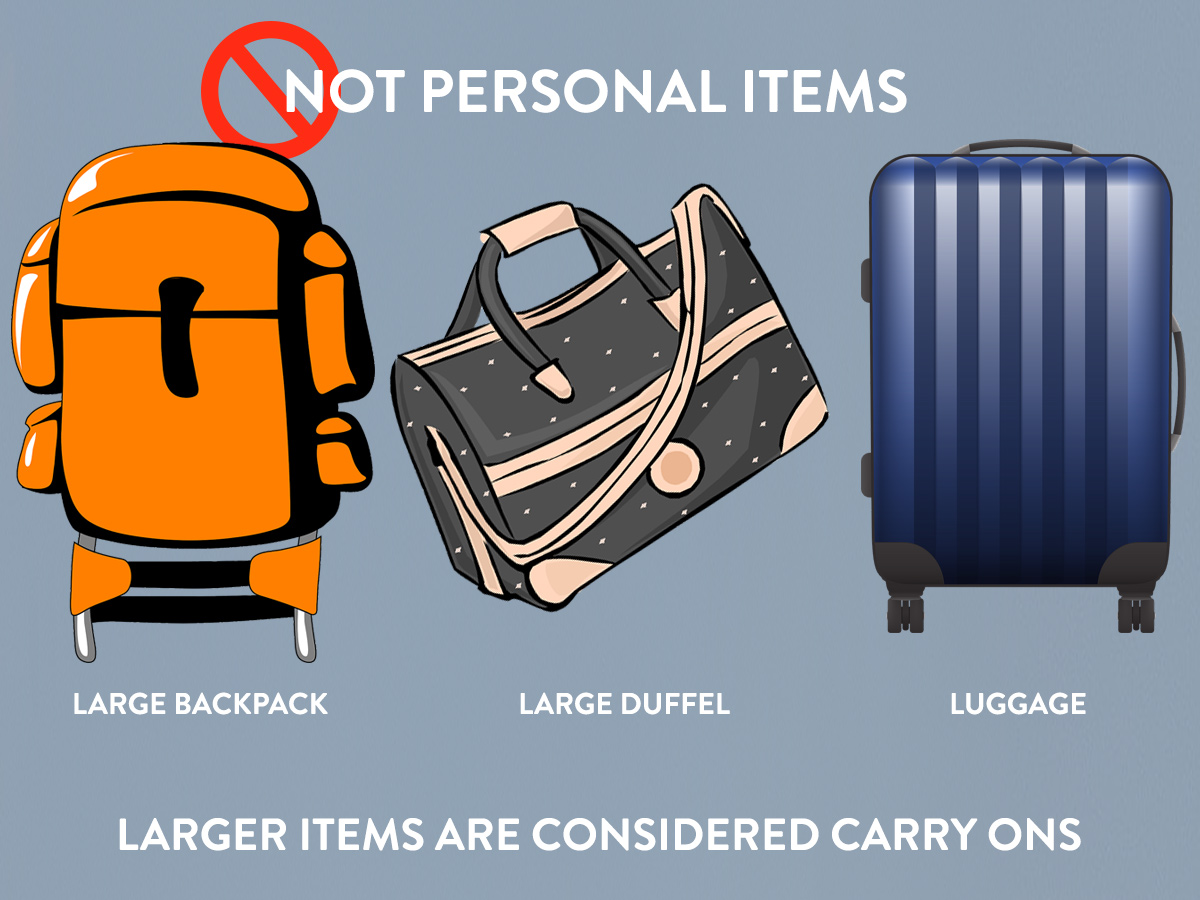
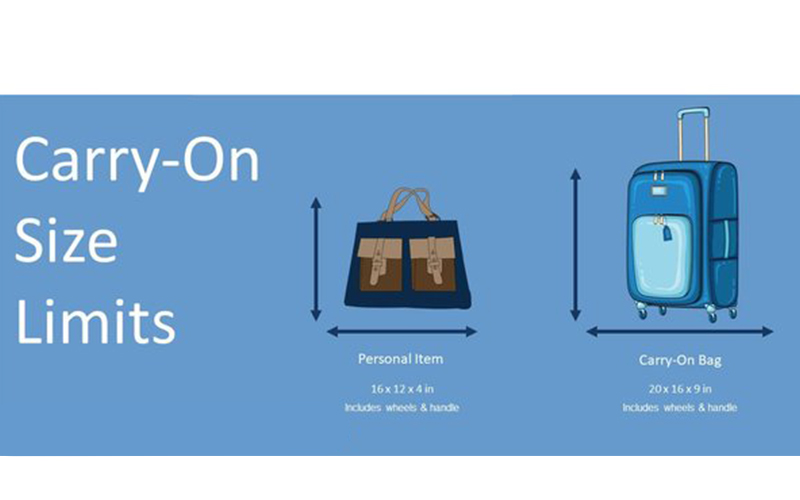
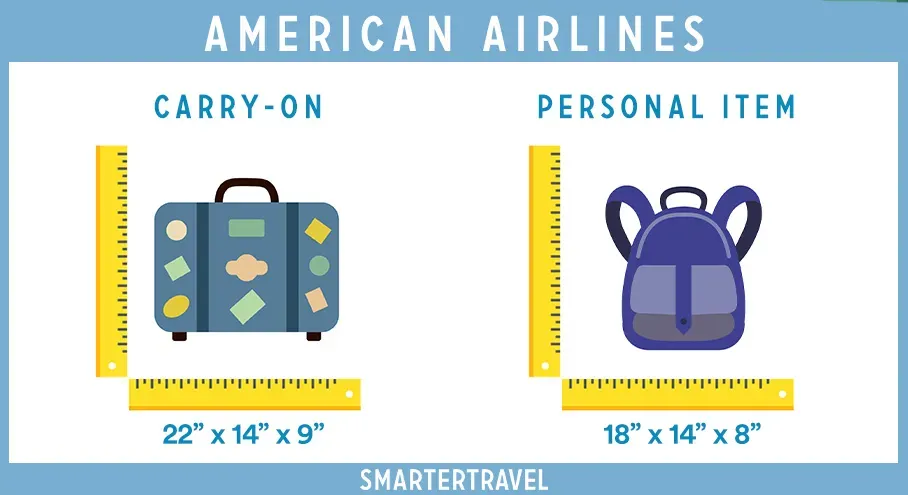
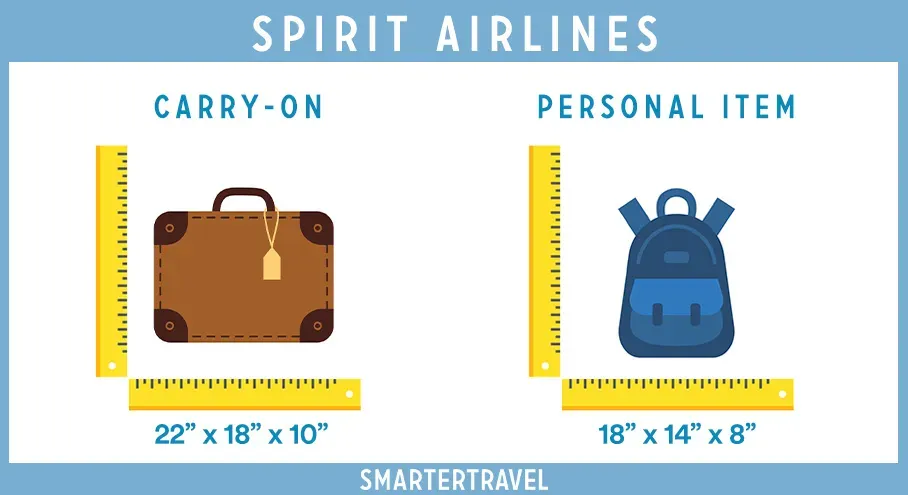
When it comes to air travel, every inch of space counts, and airlines have specific guidelines for what can be brought on board as a personal item. Generally, a personal item is something that can fit under the seat in front of you, like a backpack, purse, or briefcase. These items are usually small enough to be stowed away, allowing you to keep your essentials within easy reach.
What Counts as a Personal Item?
A personal item can be a variety of things, including a laptop bag, camera bag, or even a folding garment bag. The key is that it must fit in the space under the seat or in the overhead bin, and it cannot exceed the airline's size restrictions. As
the Transportation Security Administration (TSA)notes, a personal item is typically considered to be something that can be carried on and stowed in a designated area.
In addition to the usual handbags and backpacks, some airlines also consider diaper bags, strollers, and car seats as personal items. However, it's essential to check with your airline beforehand, as their policies may vary. For example, delta and american airlines have specific guidelines for what constitutes a personal item, so it's crucial to review their websites or consult with their customer service teams.
One of the most entertaining aspects of flying is the packing challenge – trying to fit all your essentials into a tiny bag or case. It's like a game of Tetris, where you need to carefully arrange your items to maximize space. With a little creativity and strategic planning, you can pack a surprising amount into a small carry-on or personal item.
Packing Tips and Tricks
To make the most of your personal item, consider using packing cubes or compression bags to keep your belongings organized and compress your luggage. You can also use travel accessories like packing lists or travel wallets to stay on top of your belongings. As the saying goes,
"a place for everything, and everything in its place", and this is especially true when it comes to packing for a flight.
Another important aspect to consider is the security screening process. When passing through TSA checkpoints, you'll need to remove your laptop and any liquids from your personal item and place them in a bin for scanning. This can be a bit of a hassle, but it's a necessary step to ensure the safety of all passengers. By being prepared and knowing what to expect, you can breeze through security and get to your gate with plenty of time to spare.

Lastly, it's worth noting that some airlines offer additional perks or benefits for passengers who travel with only a personal item. For example, you might be able to board the plane earlier or enjoy more overhead bin space. These small advantages can make a big difference in your overall flying experience, so it's worth exploring what options are available to you.
In conclusion, understanding what constitutes a personal item on a plane can help you navigate the aviation world with confidence. Whether you're a seasoned traveler or just starting to explore the skies, knowing the rules and regulations can make all the difference. So next time you're packing for a flight, remember to check the airline's guidelines and get creative with your packing strategy – and don't forget to enjoy the flight!